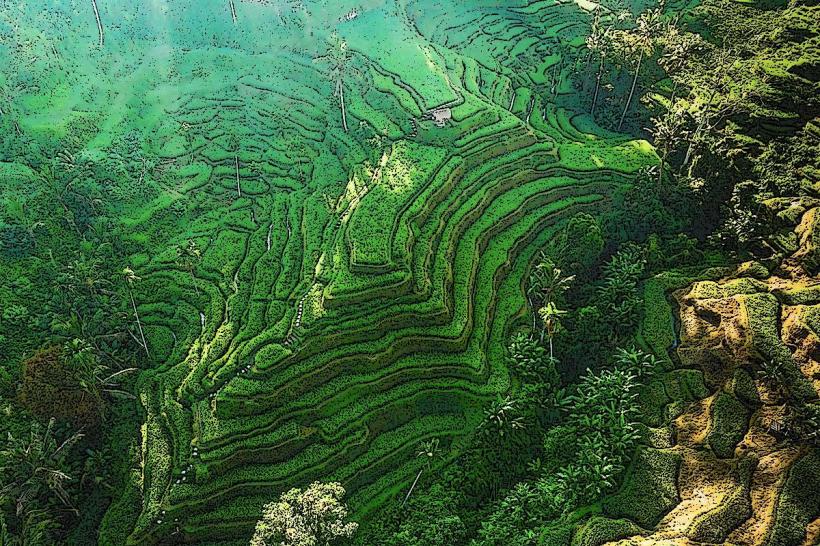
Landmark: Tegallalang Rice Terraces
City: Bali
Country: Indonesia
Continent: Asia
Tegallalang Rice Terraces, Bali, Indonesia, Asia
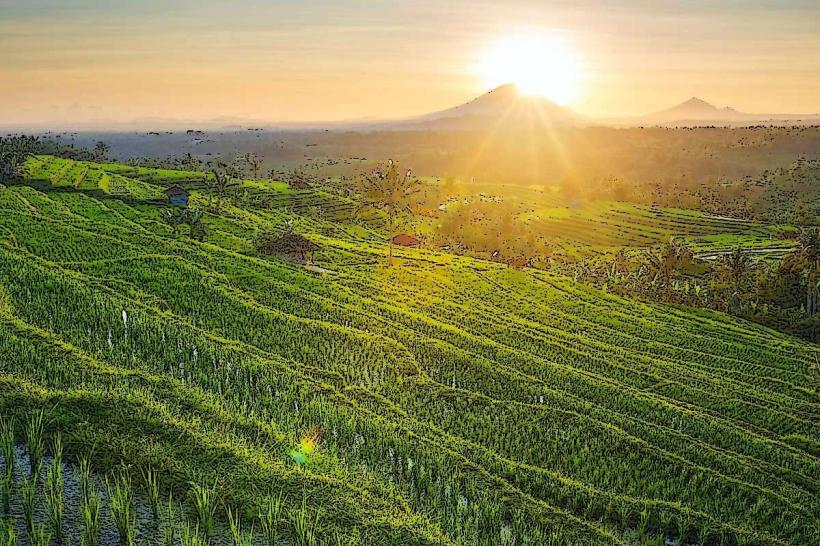
The Tegallalang Rice Terraces are a series of agricultural landscapes located in the Ubud region of Bali, Indonesia. These terraces are known for their traditional Subak irrigation system.
Visual Characteristics
The terraces are characterized by their stepped contours carved into the hillsides. They are primarily constructed from earth and stone, with the rice paddies themselves displaying varying shades of green depending on the growth stage of the crop. The overall impression is one of layered, verdant slopes.
Location & Access Logistics
The Tegallalang Rice Terraces are situated approximately 10 kilometers north of Ubud center. Access is via Jalan Raya Tegallalang. Parking is available at designated areas along the main road, often managed by local vendors. Public transport directly to the terraces is limited; private vehicles or taxis are the most common modes of access.
Historical & Ecological Origin
The terraces are an example of the Subak system, a UNESCO World Heritage recognized cooperative irrigation system that has been in practice for over a thousand years. This system is a manifestation of the Balinese philosophy of Tri Hita Karana, balancing the realms of spirit, human, and nature. The formation is anthropogenic, shaped by generations of farmers.
Key Highlights & Activities
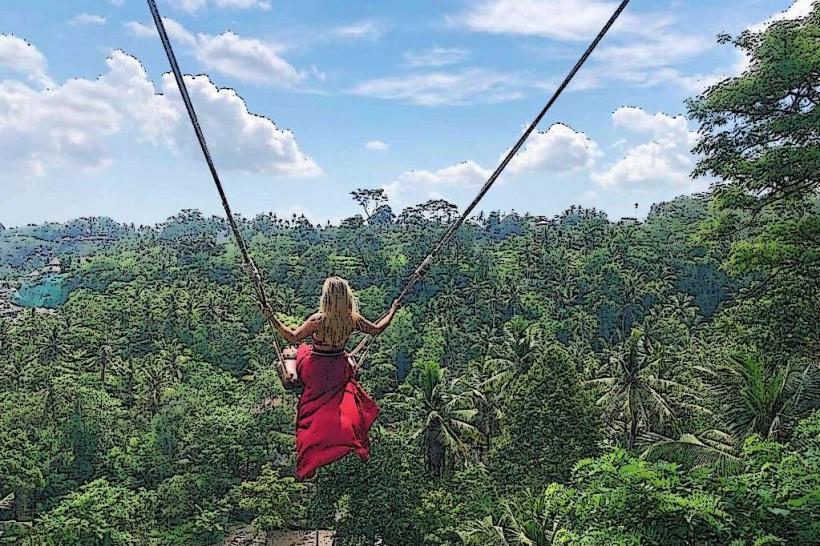
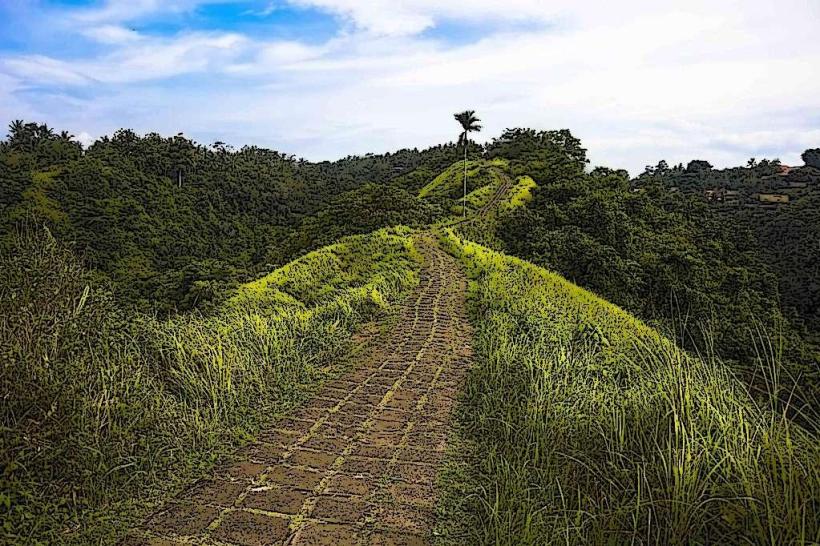
Visitors can walk along the edges of the terraces to observe the irrigation channels and rice cultivation. Photography is a primary activity. Some local establishments offer swings and photo platforms for an additional fee. Observing the farmers at work provides insight into traditional agricultural practices.
Infrastructure & Amenities
Restrooms are available at various points, often associated with food stalls or cafes. Shade is provided by coconut trees and the natural topography. Cell phone signal (4G) is generally available. Food vendors and small cafes are present at the entrance and along the main viewing points.
Best Time to Visit
The best time for photography is early morning or late afternoon when the sunlight creates distinct shadows across the terraces, enhancing their visual depth. The months of April to September generally offer drier weather, though the terraces are green year-round. There are no specific tide requirements.
Facts & Legends
A local belief suggests that the intricate irrigation system was divinely inspired, with water spirits guiding the farmers. The Subak system itself is a complex social and ecological model, demonstrating communal resource management and a deep understanding of water flow and agricultural cycles.
Nearby Landmarks
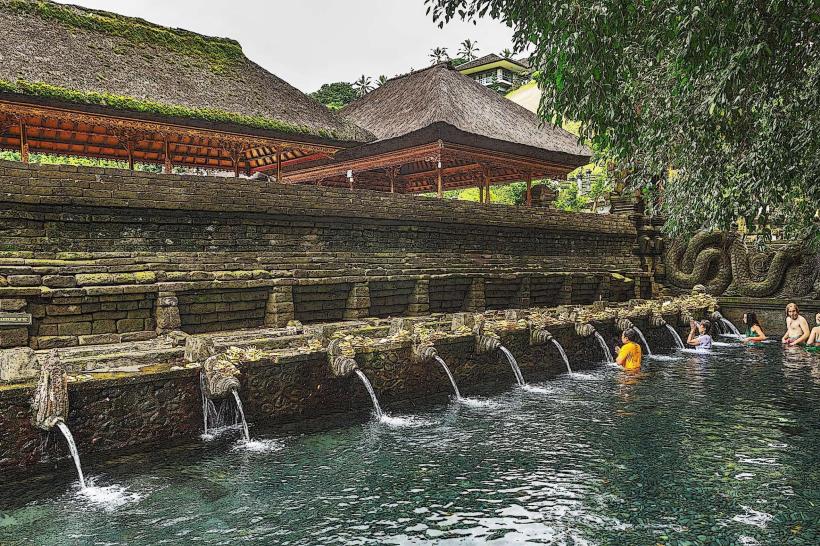
- Pura Tirta Empul (Holy Water Temple) - 3.5km Northwest
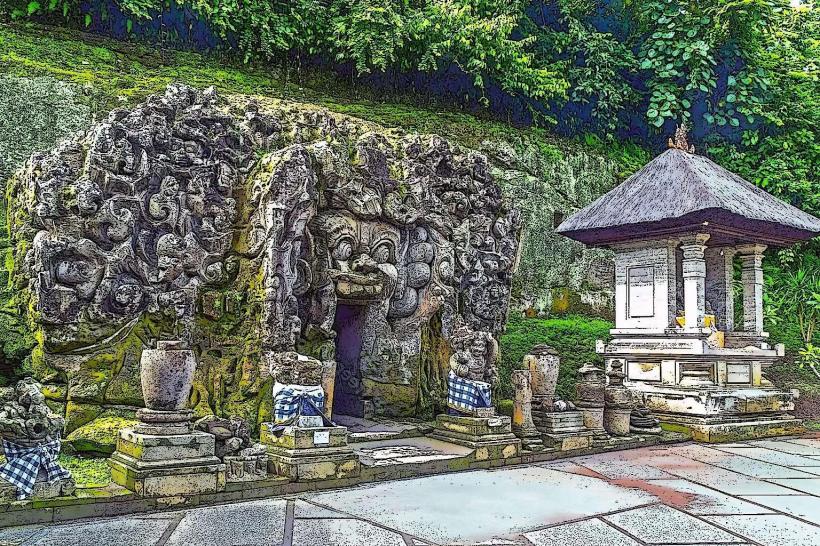
- Goa Gajah (Elephant Cave) - 6.2km Southwest
- Ubud Monkey Forest - 9.8km South
- Tirta Sari Coffee Plantation - 1.2km Northeast