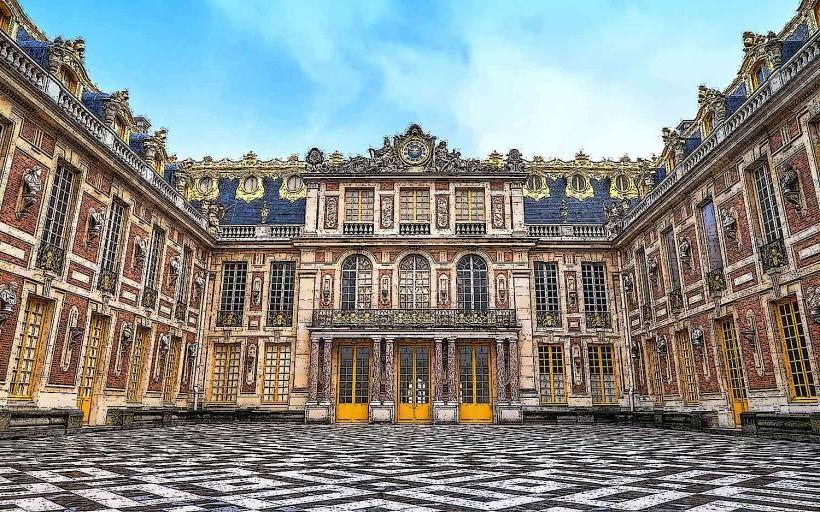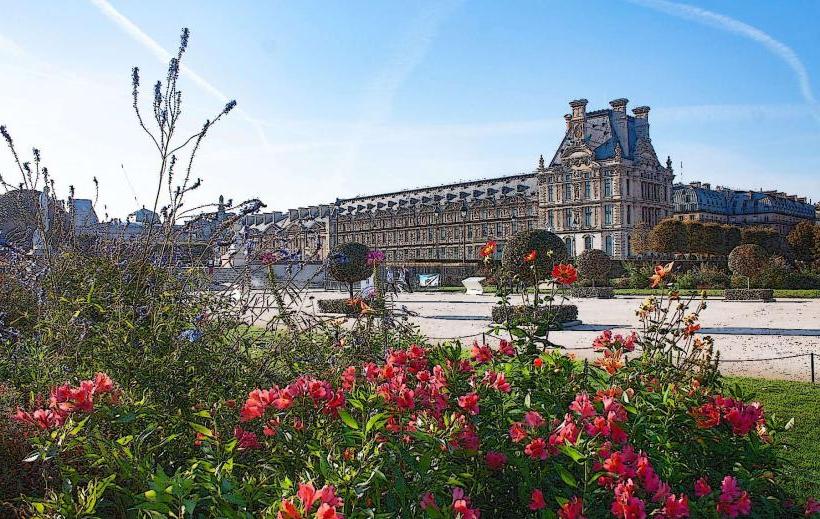
Landmark: Tuileries Garden
City: Paris
Country: France
Continent: Europe
Tuileries Garden, Paris, France, Europe
The Tuileries Garden (Jardin des Tuileries) is a 63-acre public park in the 1st arrondissement of Paris, situated between the Louvre Museum and Place de la Concorde. It is the oldest and largest formal garden in the city, representing the pinnacle of the French formal garden style (jardin à la française).
Visual Characteristics
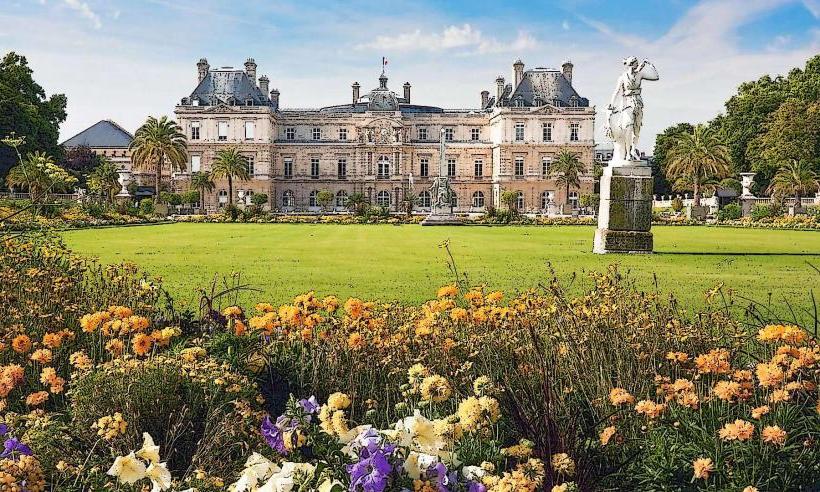
The garden is defined by its strict axial symmetry and geometric precision. It features wide gravel promenades, manicured lawns, and two large ornamental ponds: the Grand Bassin Rond and the Grand Bassin Octogonal. The landscape is populated by over 100 sculptures, ranging from 17th-century marble figures to modern bronze works by Auguste Rodin and Alberto Giacometti.
Location & Access Logistics
Located on the Right Bank of the Seine, the garden is accessible via the Métro at stations Concorde (Lines 1, 8, 12), Tuileries (Line 1), and Palais Royal–Musée du Louvre (Lines 1, 7). There are multiple gates along the Rue de Rivoli and the Quai des Tuileries. Entry is free to the public. The garden opens at 07:00 or 07:30 depending on the season and closes between 19:30 and 23:00.
Historical Origin
Created in 1564 by Catherine de' Medici as the garden for the Tuileries Palace, it was originally designed in the Italian Renaissance style. In 1664, King Louis XIV commissioned the famed landscape architect André Le Nôtre to redesign it in the French formal style. The Tuileries Palace was destroyed by fire during the Paris Commune in 1871, leaving the gardens as a public park.
Key Highlights & Activities
The Louver Connection: The garden serves as the grand approach to the Louvre Pyramid.
Museums: The Musée de l'Orangerie and the Jeu de Paume are located at the western edge.
Recreation: Features the iconic green metal chairs (fermob) for public use.
Seasonal Events: Hosts the Fête des Tuileries (a traditional funfair) during the summer and a major Christmas market in winter.
Infrastructure & Amenities
The garden contains several outdoor cafes and high-end restaurants, including La Terrasse de Pomone and Le Médicis. Public restrooms are available (usually for a small fee). 5G and 4G signals are excellent. The terrain is flat and mostly accessible, though the gravel paths can be challenging for some wheelchairs.
Best Time to Visit
Spring (April–May) for the floral displays or autumn (October) for the foliage along the chestnut tree alleys. Early morning offers the most tranquil environment for walking, while sunset provides optimal lighting for photography along the "Historical Axis" toward the Arc de Triomphe.
Facts & Legends
The name "Tuileries" derives from the tuileries (tile factories) that previously occupied the site. The garden was the site of the first hydrogen balloon flight in 1783. A local detail: the "Moat of the Tuileries" near the Louvre contains the remains of the 16th-century palace foundations.
Nearby Landmarks
Louvre Museum: 0.1km East
Place de la Concorde: 0.1km West
Musée d'Orsay: 0.4km South (across the Seine)
Rue de Rivoli: 0.1km North
Palais-Royal: 0.3km Northeast