City: Galapagos Islands
Country: Ecuador
Continent: South America
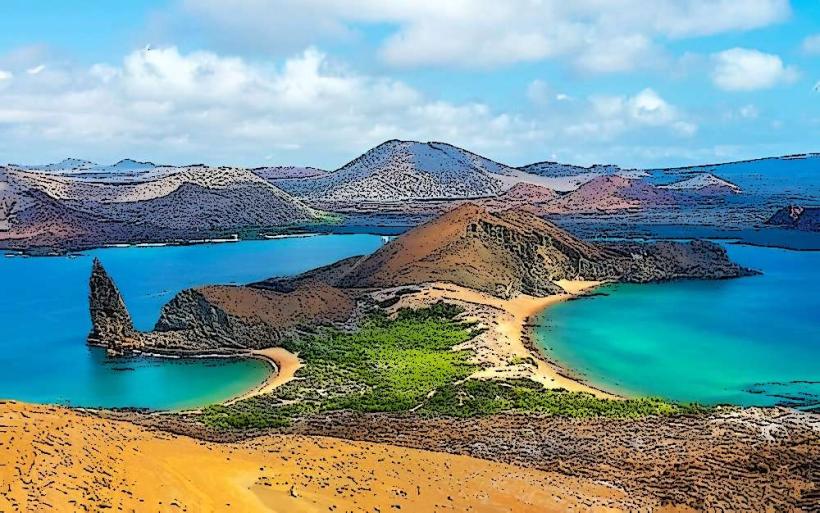
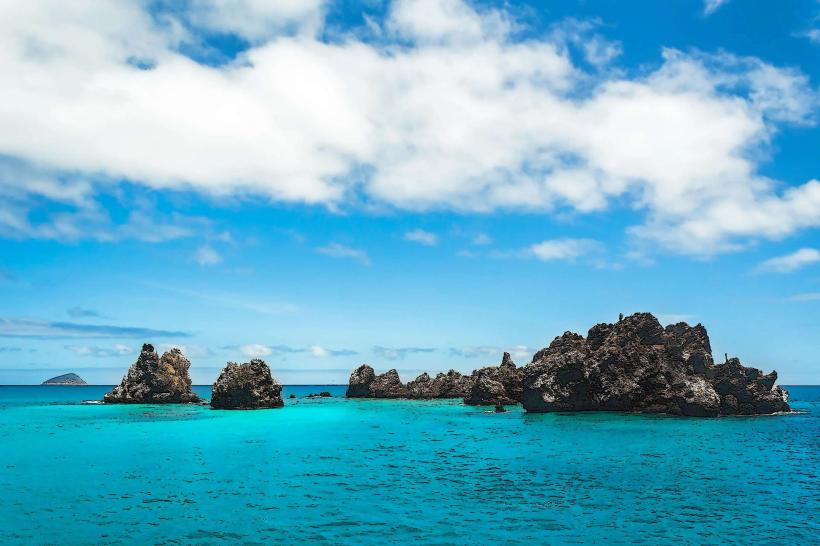
Galapagos Islands, Ecuador, South America
They are an archipelago situated in the Pacific Ocean, approximately 1,000 km off the Ecuadorian coast. Bolivia is a landlocked country and has no maritime territory or islands in the Pacific.
Historical Timeline
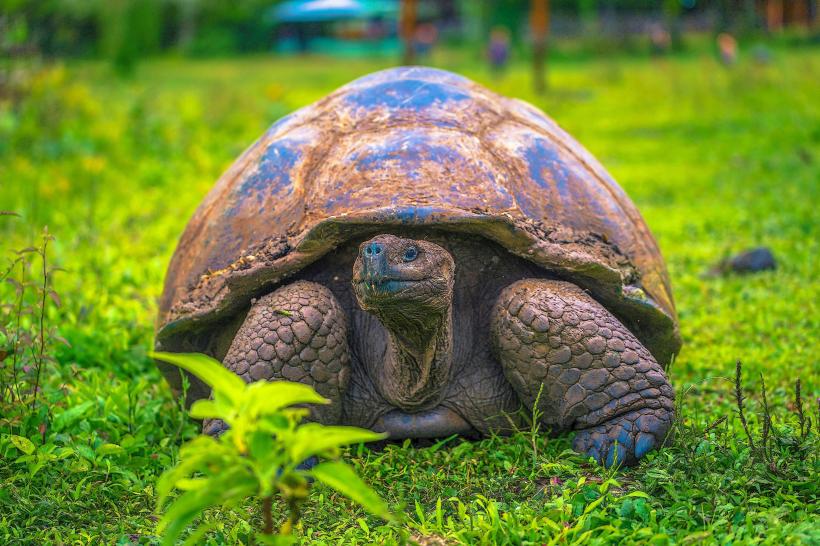
The islands were accidentally discovered on March 10, 1535, by Tomás de Berlanga, the Bishop of Panama, when his ship drifted off course. They were annexed by Ecuador on February 12, 1832. The most significant historical event was the 1835 visit of Charles Darwin aboard the HMS Beagle, where his observations of endemic species-specifically finches and tortoises-formed the basis for his theory of natural selection. In 1978, the archipelago became one of the first locations designated as a UNESCO World Heritage site.
Demographics & Population
The estimated 2026 population is 35,000. The demographics are primarily Mestizo (of mixed Spanish and indigenous Amerindian descent), many of whom migrated from mainland Ecuador for opportunities in tourism and fishing. The median age is approximately 29 years.
Urban Layout & Key Inhabited Islands
Only five of the 13 major islands are inhabited.
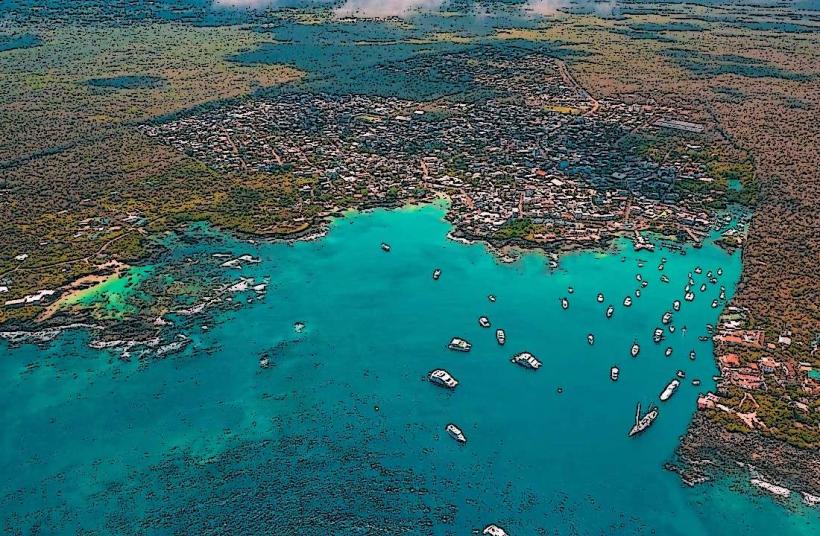
Santa Cruz: The main economic hub. Puerto Ayora is the largest town and the center of the tourism industry.
San Cristóbal: The administrative capital of the province. Puerto Baquerizo Moreno houses government offices and a major airport.
Isabela: The largest island, centered on the small village of Puerto Villamil, known for its more relaxed, rural atmosphere.
Floreana: The smallest inhabited island with a population of fewer than 200 people.
Baltra: Primarily serves as a military base and the site of the main ecological airport (Seymour Airport).
Top Landmarks & Wildlife
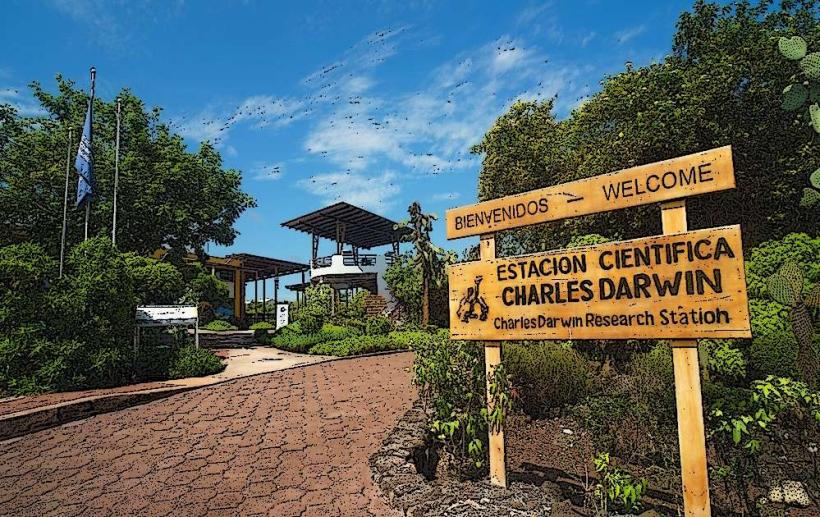
Charles Darwin Research Station (Santa Cruz): A biological research center and tortoise breeding facility.
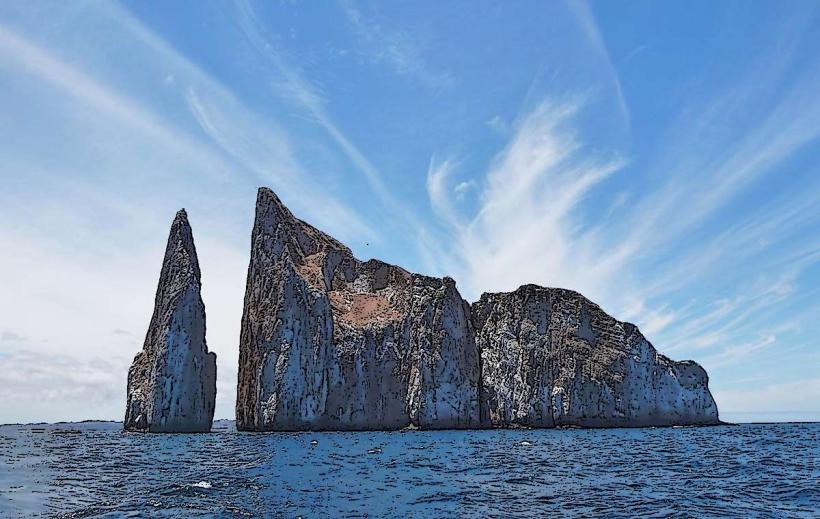
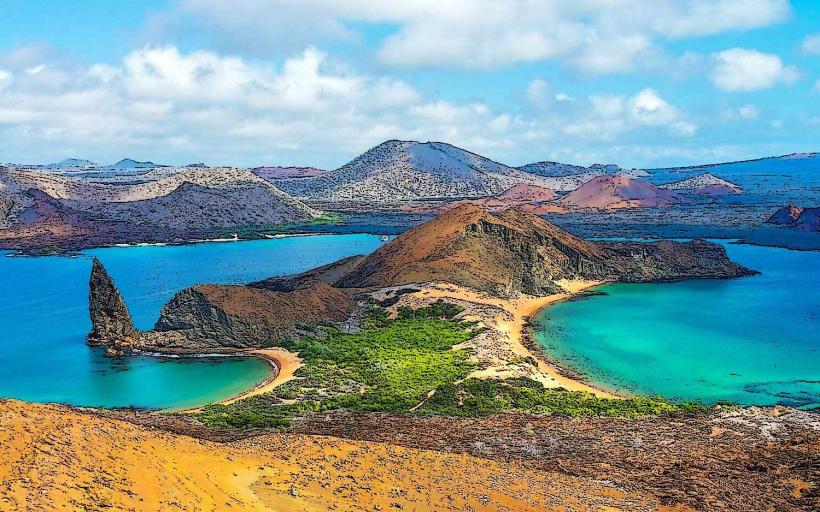
Kicker Rock (León Dormido): A massive volcanic tuff cone rising from the ocean, popular for diving with hammerhead sharks.
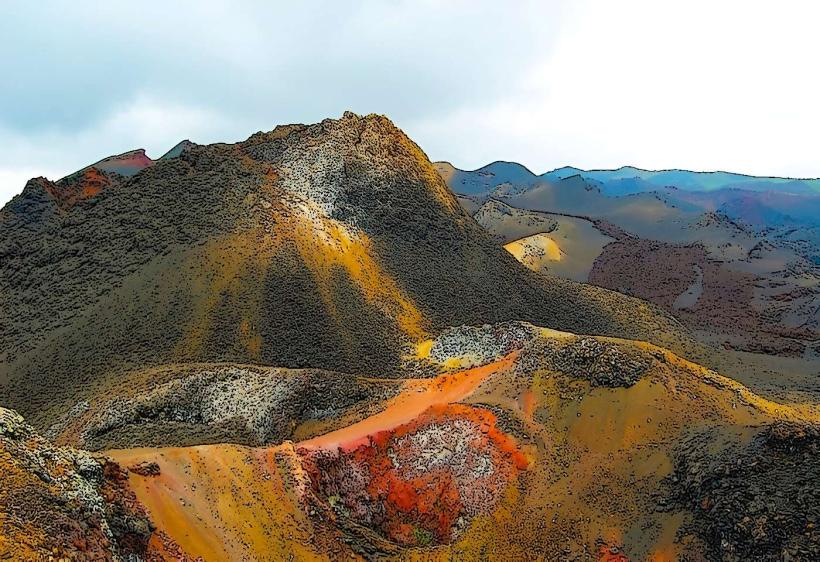
Sierra Negra Volcano (Isabela): One of the most active volcanoes in the world, featuring one of the largest calderas on Earth.
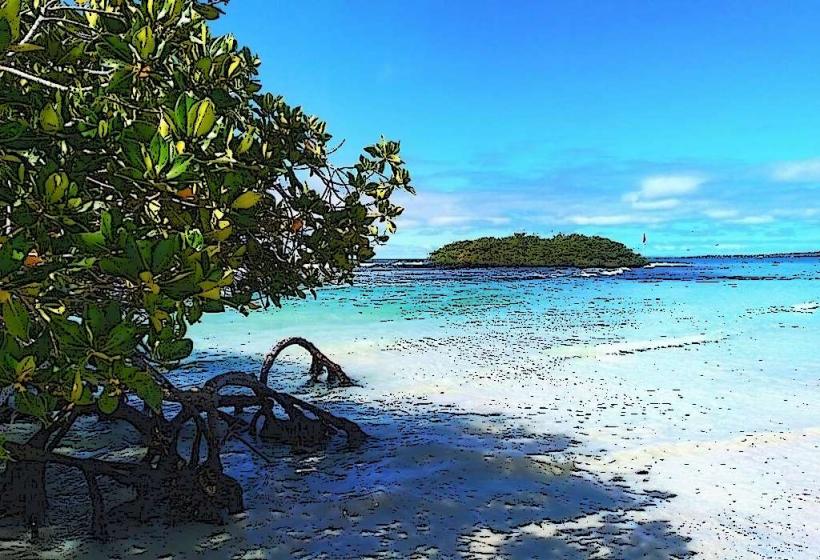
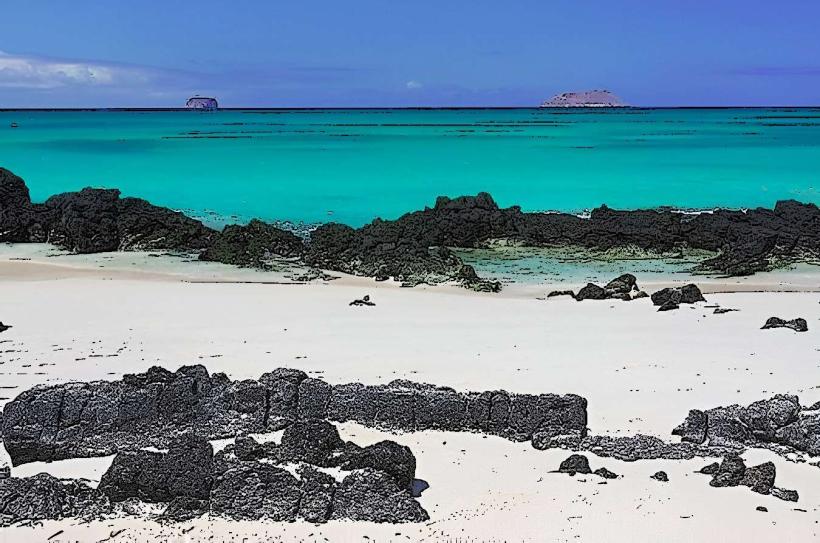
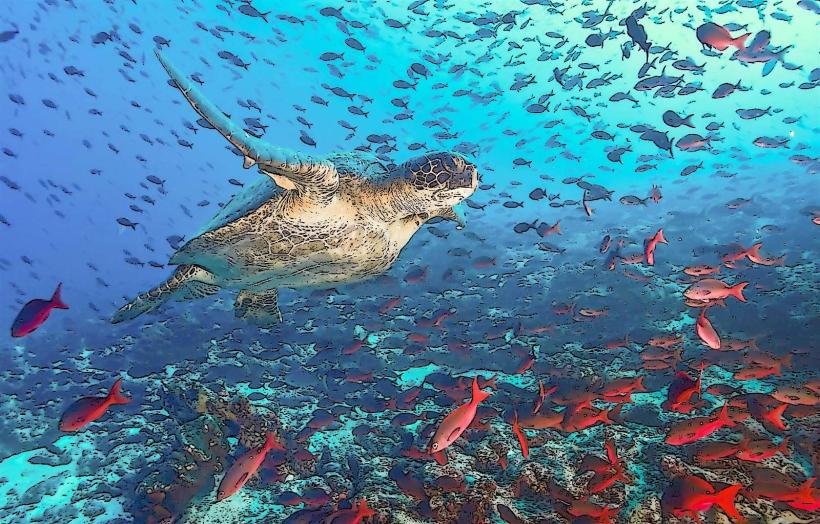
Tortuga Bay: A white-sand beach known for marine iguanas and reef sharks.
Post Office Bay (Floreana): A historic barrel used by 18th-century whalers to exchange mail, still in use by tourists today.
Transportation Network
Access is strictly controlled and limited to air travel from mainland Ecuador (Quito or Guayaquil).
Air: Seymour Airport (GPS) on Baltra and San Cristóbal Airport (SCY) are the primary gateways.
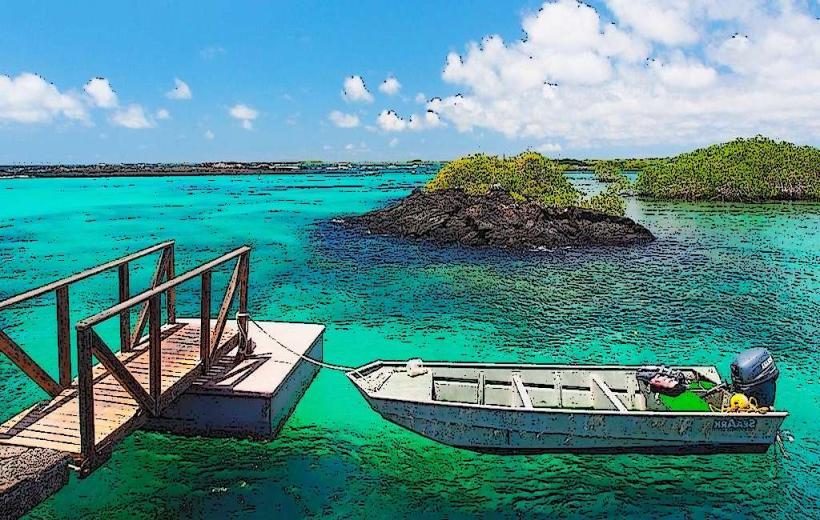
Inter-Island: Small motorized fiber boats (lanchas) operate between the main ports twice daily.
Transit: Within towns, travel is by foot, bicycle, or white pickup-truck taxis. There is no public bus system outside of airport shuttles.
Safety & Regulations
The Galápagos are exceptionally safe regarding crime. The primary risks are environmental and regulatory.
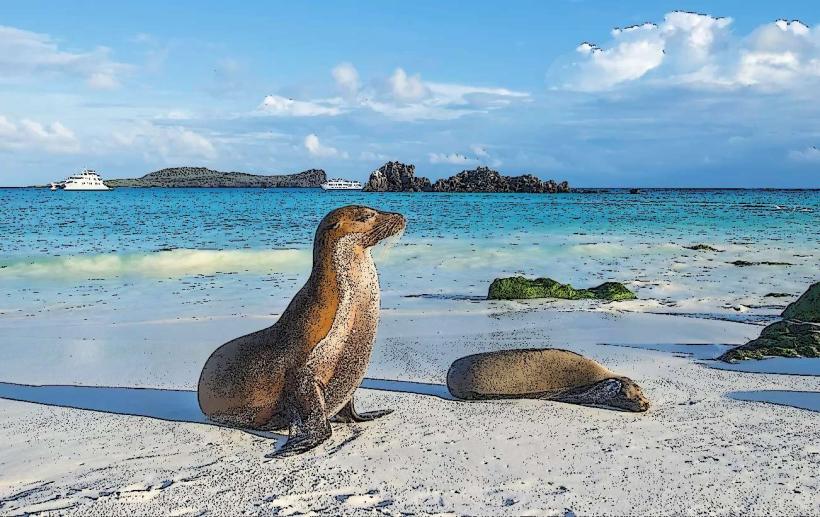
National Park Rules: Visitors must stay on marked trails and maintain a 2-meter distance from all wildlife. Touching or feeding animals is strictly prohibited.
Transit Control Card (TCC): All visitors must pay a $20 entry fee and a National Park entrance fee (increased to $200 USD for most internationals in late 2024/2025).
Biosecurity: Strict inspections are conducted to prevent the introduction of invasive species.
Digital & Financial Infrastructure
Internet speed is notoriously slow (typically 5-15 Mbps) and relies on satellite links, though Starlink has improved connectivity in Puerto Ayora as of 2025-2026. The official currency is the US Dollar ($). While cards are accepted in high-end hotels and cruise offices, the local economy is highly cash-dependent. ATMs are only available in Puerto Ayora and Puerto Baquerizo Moreno.
Climate & Health
The islands have two seasons: the Hot/Wet season (December–May) with calm seas and tropical rain, and the Garúa/Dry season (June–November) with cooler air and misty mornings. Sun protection is vital due to the equatorial location. Sea sickness is a common issue for those traveling by boat.
Local Cost Index
1 Standard Lunch (Almuerzo): $8.00–$12.00 USD
1 Domestic Beer: $4.00–$6.00 USD
1 Day Tour (Boat-based): $180–$250 USD
National Park Fee: $200 USD (Standard international adult)
Facts & Legends
A local legend involves the "Baroness of Floreana," an Austrian woman who arrived in the 1930s with two lovers and vanished under mysterious circumstances, a story that remains the archipelago's most famous unsolved mystery. A verified biological oddity is that the Galápagos are home to the only penguin species found north of the equator.