Information
Landmark: Galapagos Giant Tortoise ReserveCity: Galapagos Islands
Country: Ecuador
Continent: South America
Galapagos Giant Tortoise Reserve, Galapagos Islands, Ecuador, South America
The Galapagos Giant Tortoise Reserve is a protected area located on Santa Cruz Island within the Galapagos Islands, Ecuador. It serves as a critical habitat for the endemic Galapagos giant tortoise species.
Visual Characteristics
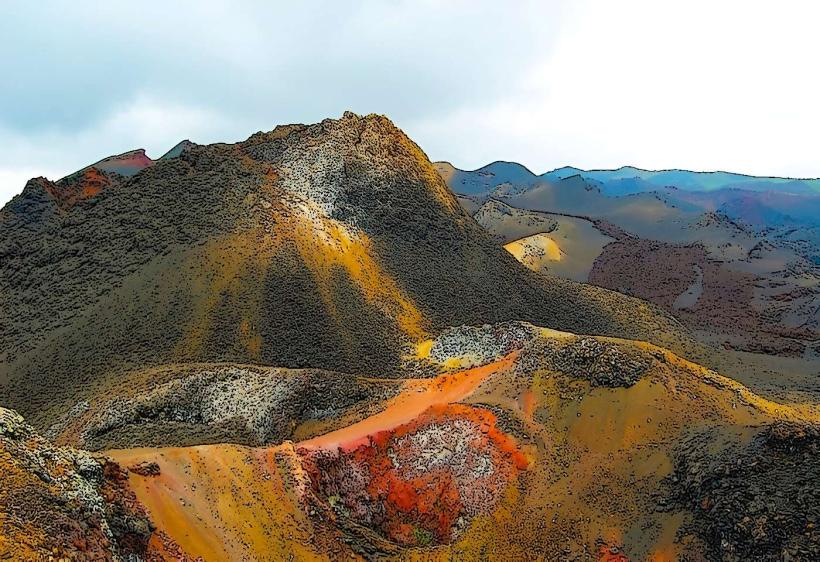
The reserve encompasses varied terrain, including volcanic highlands with dense, humid Scalesia forests and arid coastal zones. Vegetation consists of palo santo trees, cacti, and various grasses. The tortoises themselves are large reptiles, with shell coloration ranging from dark brown to black, and individuals can reach lengths of up to 1.8 meters and weigh over 400 kilograms.
Location & Access Logistics
The reserve is situated in the highlands of Santa Cruz Island. Access is typically via a taxi or rental car from Puerto Ayora, a journey of approximately 15 kilometers. The drive takes about 30-40 minutes on paved roads. Parking is available at designated visitor areas. Public transport directly to the reserve is limited; shared taxis or organized tours are the primary options.
Historical & Ecological Origin
The Galapagos Giant Tortoise Reserve was established to protect the various subspecies of the Galapagos giant tortoise (Chelonoidis nigra complex), which are a result of millions of years of island isolation and adaptation. The highlands provide the necessary vegetation and water sources for these long-lived reptiles.
Key Highlights & Activities
Observation of Galapagos giant tortoises in their natural environment is the primary activity. Visitors can walk along designated paths to view tortoises grazing and moving through the landscape. Educational exhibits detailing tortoise biology and conservation efforts are present. Photography of wildlife is permitted.
Infrastructure & Amenities
Restrooms are available at the visitor center. Shaded areas are limited, primarily around the visitor center. Cell phone signal (4G/5G) is generally weak to non-existent within the reserve itself. No food vendors are located within the reserve; visitors should bring their own provisions.
Best Time to Visit
The best time of day for viewing is generally mid-morning to late afternoon when tortoises are most active. The dry season, from June to December, offers more predictable weather. The wet season, from January to May, provides lusher vegetation but can have more rainfall.
Facts & Legends
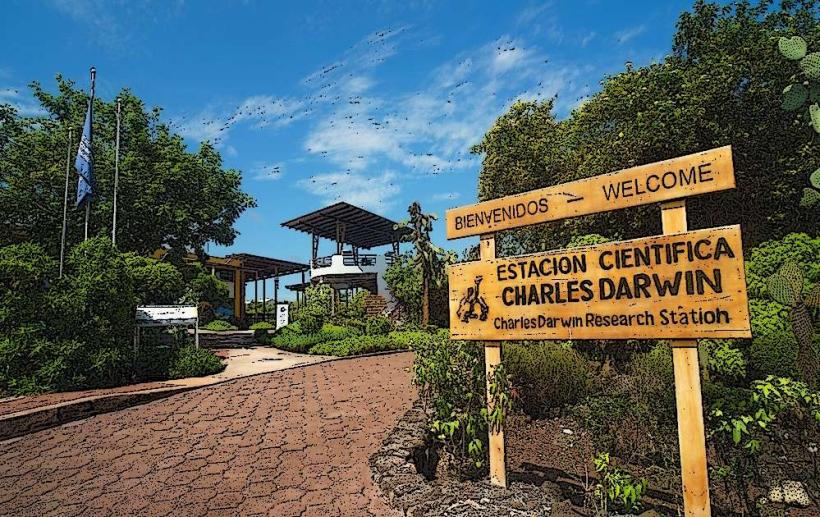
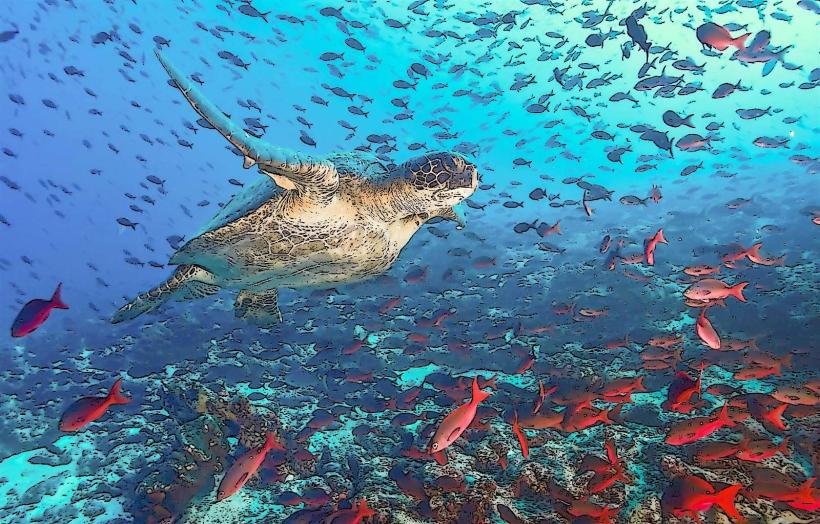
A specific conservation program at the Charles Darwin Research Station in Puerto Ayora focuses on breeding and reintroducing tortoises to their native islands, a process that has helped prevent the extinction of several subspecies. The oldest known tortoise, Harriet, lived to be an estimated 175 years old.
Nearby Landmarks
- Charles Darwin Research Station (2.5km Southwest)
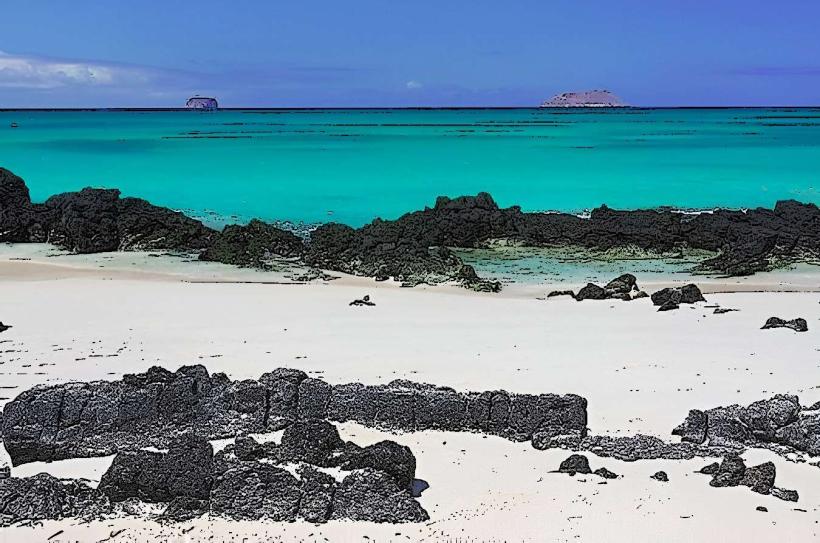
- Tortuga Bay (4km Southwest)
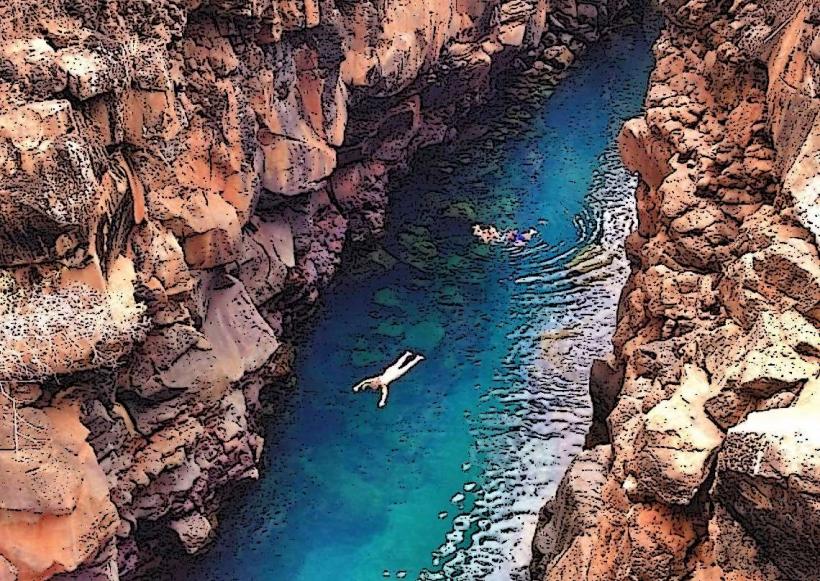
- Las Grietas (3km Southwest)
- El Chato Tortoise Reserve (0.5km North)
- Rancho Primicias (1km North)