Information
Landmark: Isla EspañolaCity: Galapagos Islands
Country: Ecuador
Continent: South America
Isla Española, Galapagos Islands, Ecuador, South America
Isla Española is a landmass located in the Galapagos Islands, Ecuador. It is the southernmost island in the archipelago.
Visual Characteristics
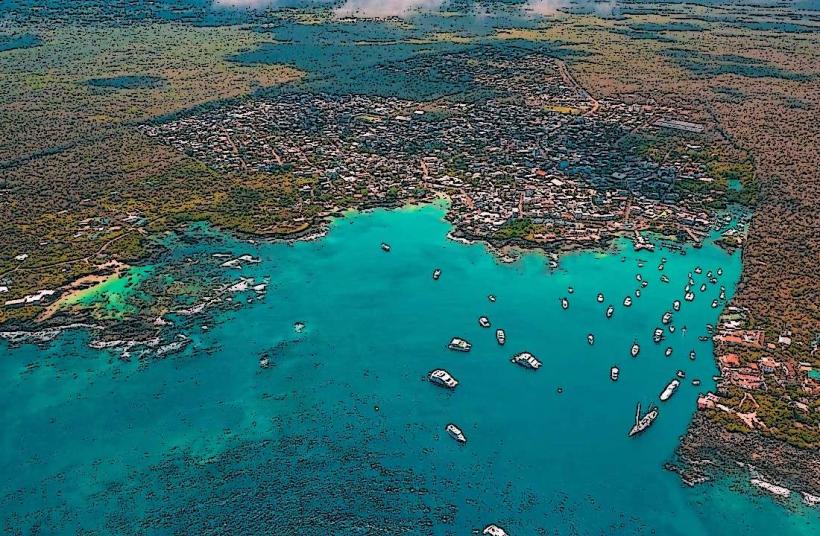
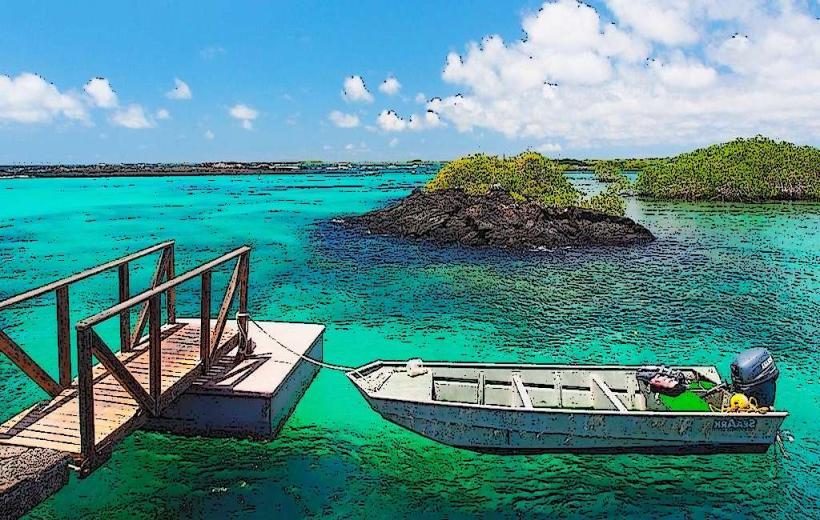
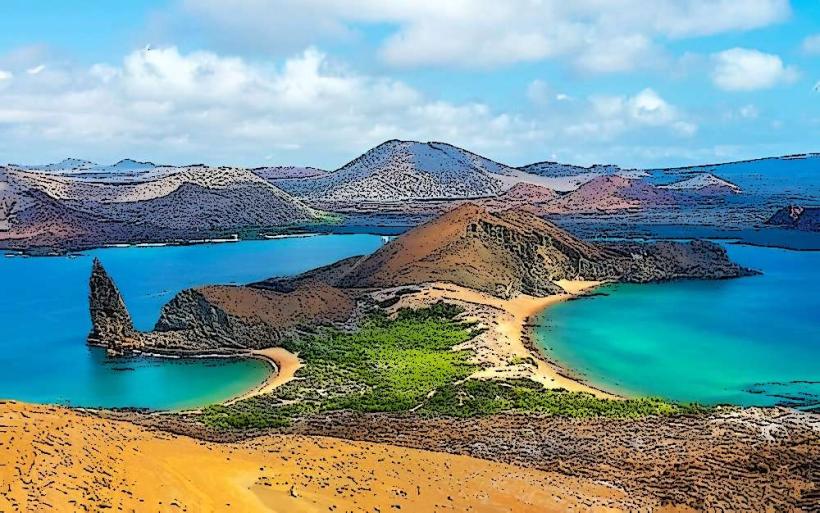
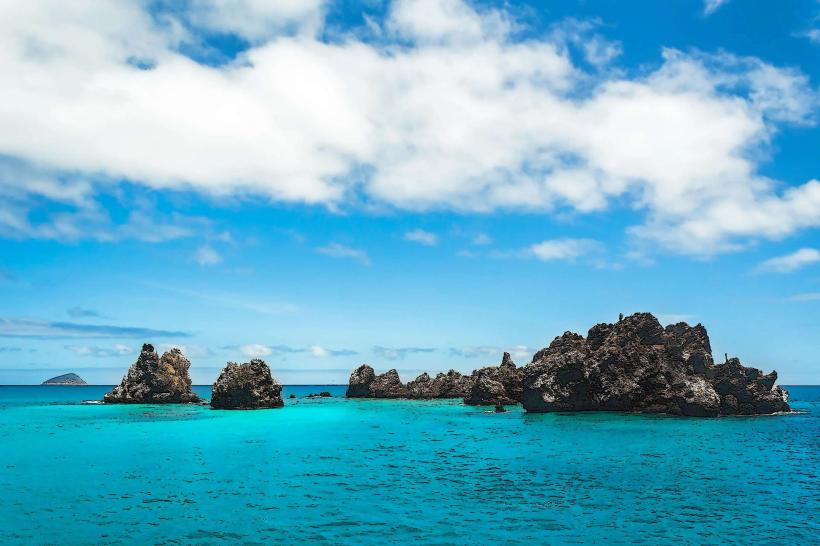
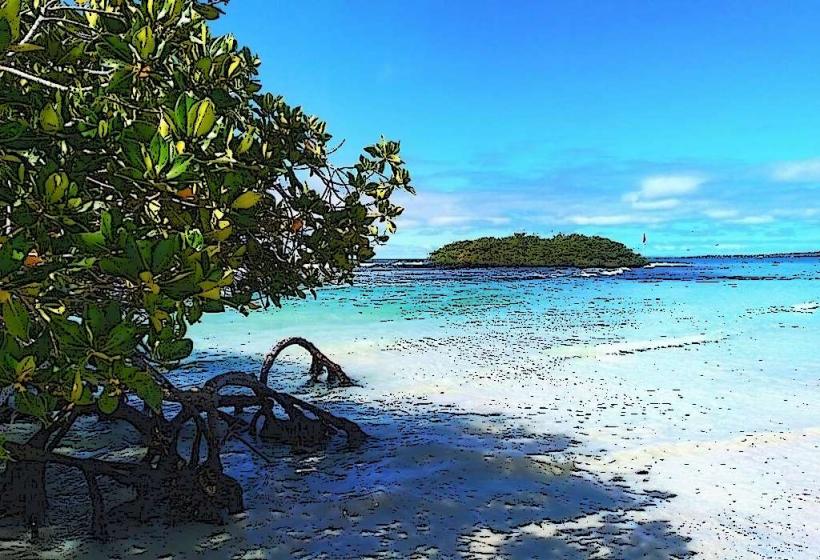
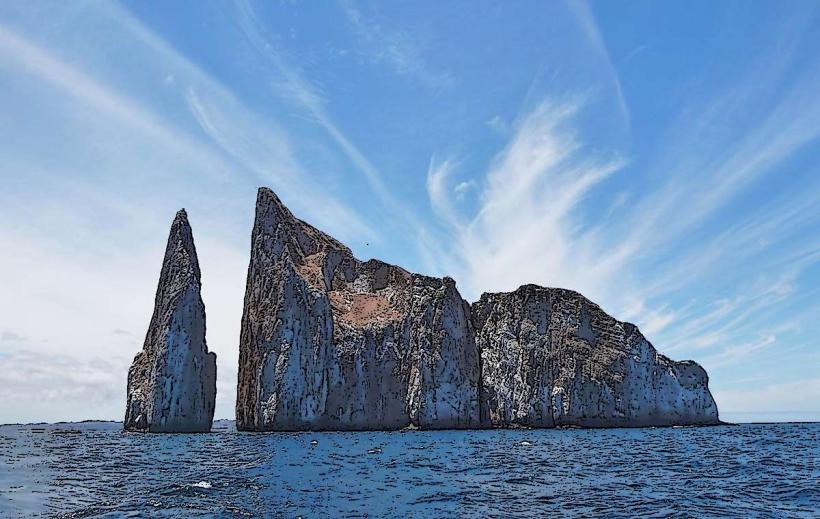
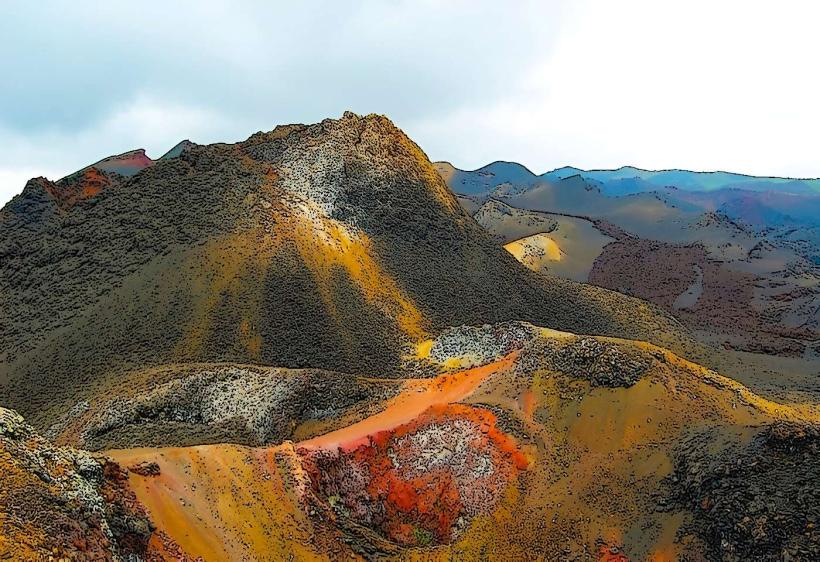
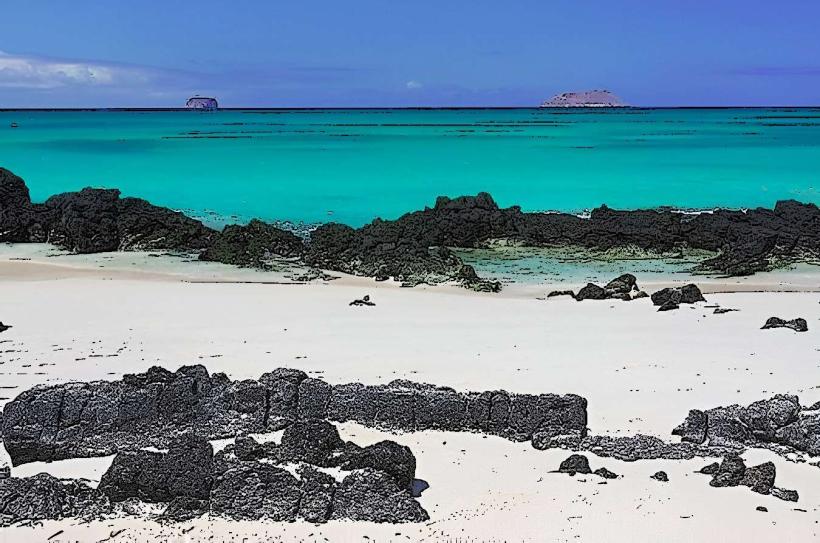
The island is characterized by arid vegetation, primarily palo santo and prickly pear cactus. Its coastline features volcanic rock formations and sandy beaches. The water surrounding the island is typically clear and blue. Marine iguanas, sea lions, and various bird species are common sights.
Location & Access Logistics
Isla Española is situated approximately 20 kilometers southeast of Santa Cruz Island. Access is exclusively via boat tours departing from Puerto Ayora on Santa Cruz. The journey takes approximately 2-3 hours. There is no permanent settlement or infrastructure on the island, and landings are typically conducted via panga (small inflatable boat) at Gardner Bay or Punta Suarez. No vehicle access is available.
Historical & Ecological Origin
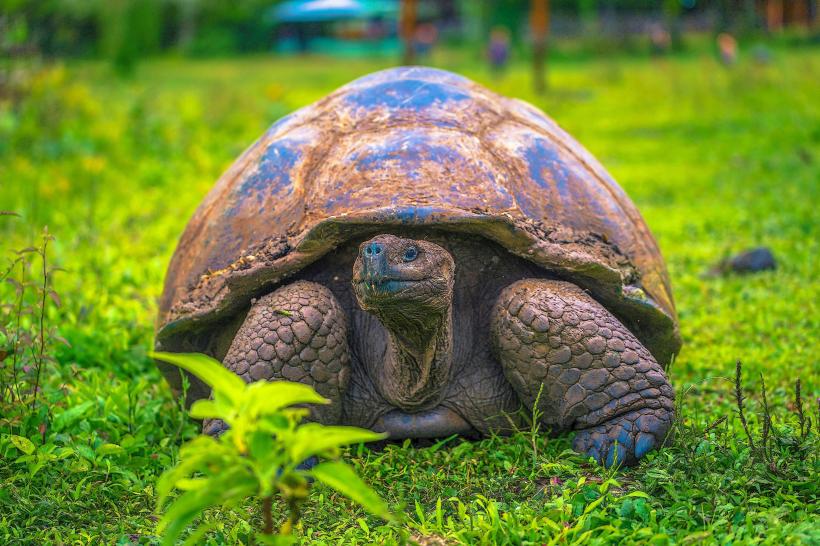
Isla Española is one of the oldest islands in the Galapagos, formed by volcanic activity approximately 3.5 million years ago. Its ecological significance lies in its unique endemic species, including the Española mockingbird, waved albatross (seasonal), and marine iguanas with red and green coloration.
Key Highlights & Activities
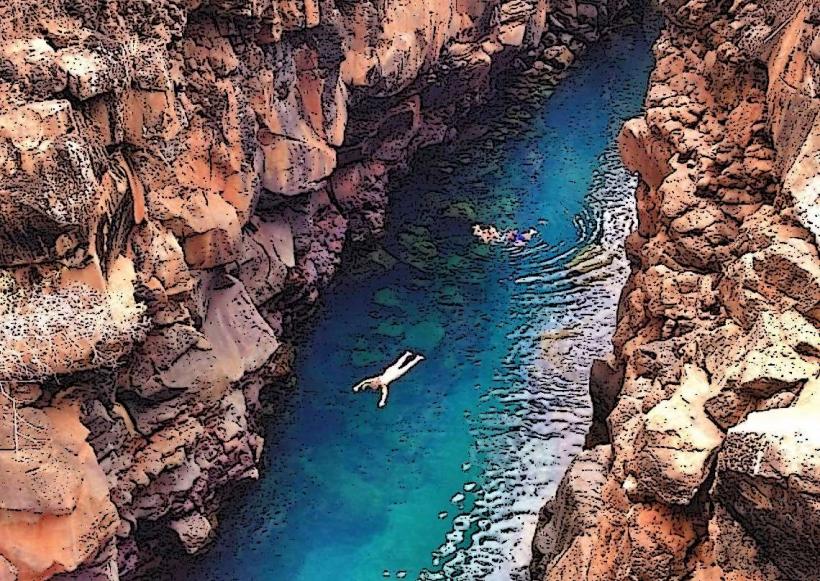
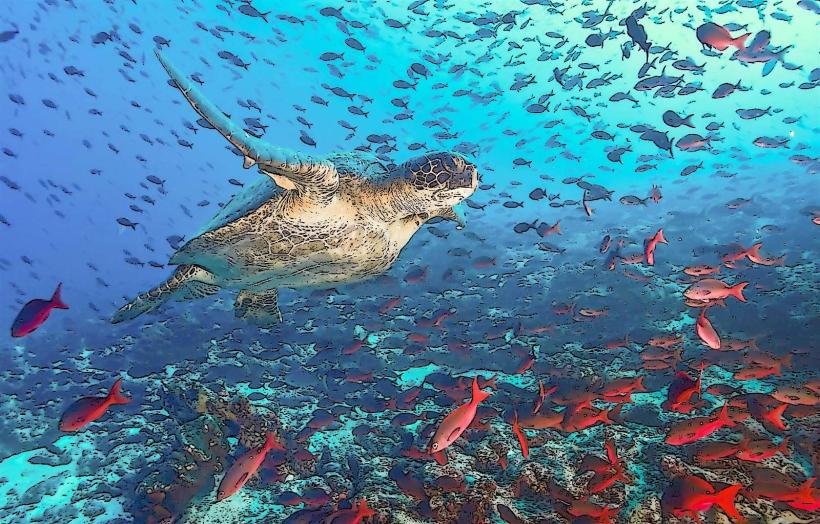
Activities include observing wildlife at Punta Suarez, which features blowholes, marine iguanas, sea lions, and nesting seabirds. At Gardner Bay, visitors can walk along the beach, observe sea lions, and swim or snorkel in calm waters. Birdwatching is a primary activity, especially for the waved albatross during their breeding season (April to December).
Infrastructure & Amenities
There are no permanent structures, restrooms, or food vendors on Isla Española. Visitors must bring all necessary supplies, including water and food. Cell phone signal is generally unavailable.
Best Time to Visit
The best time for wildlife viewing, particularly for the waved albatross, is between April and December. For general visitation and comfortable weather, the dry season (June to November) offers cooler temperatures. Snorkeling conditions are generally good year-round, with water temperatures varying.
Facts & Legends
Punta Suarez is known for its dramatic blowhole, which can spray water up to 23 meters (75 feet) into the air during high tide. The Española mockingbird is one of the four endemic mockingbird species in the Galapagos and is known for its boldness.
Nearby Landmarks
- 0.5km North: Gardner Bay (beach and sea lion colony)
- 1.0km West: Punta Suarez (wildlife observation site)
- 20.0km Northwest: Santa Cruz Island (main hub for Galapagos tours)