Information
Landmark: Isla Santa CruzCity: Galapagos Islands
Country: Ecuador
Continent: South America
Isla Santa Cruz, Galapagos Islands, Ecuador, South America
Isla Santa Cruz is the second-largest island in the Galapagos Archipelago, located in the Pacific Ocean, Ecuador.
It serves as the administrative and population center for the Galapagos Islands.
Visual Characteristics
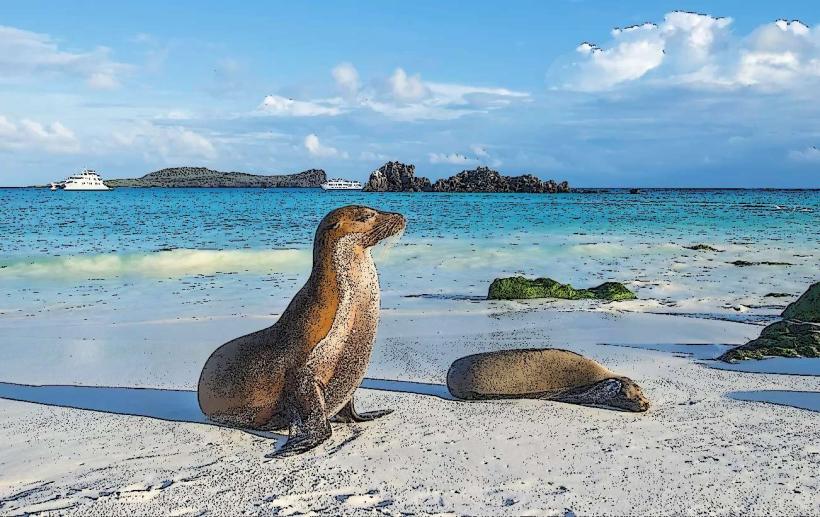
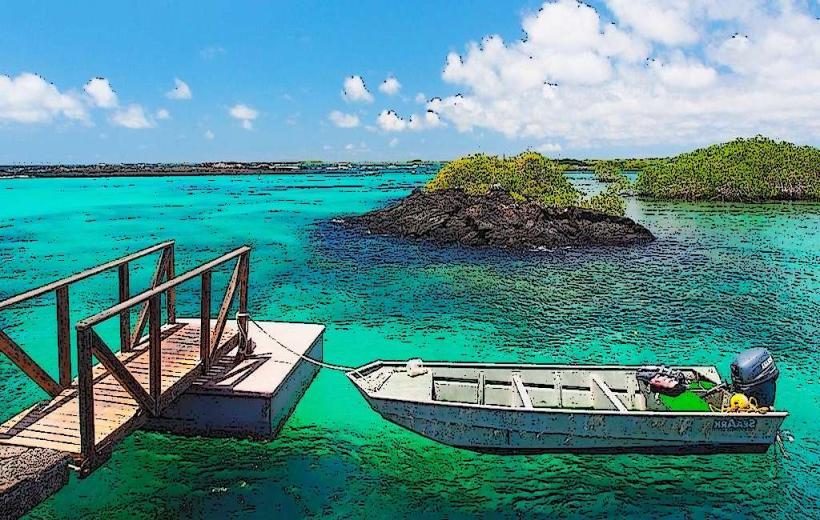
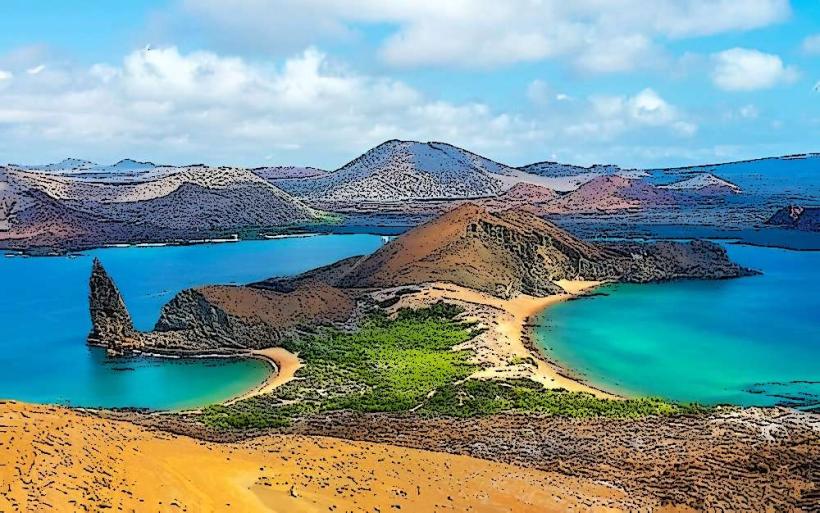
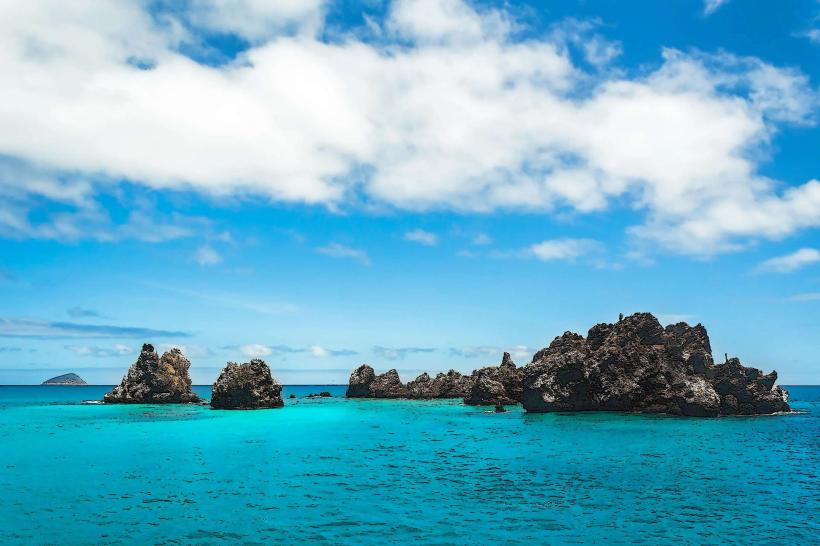
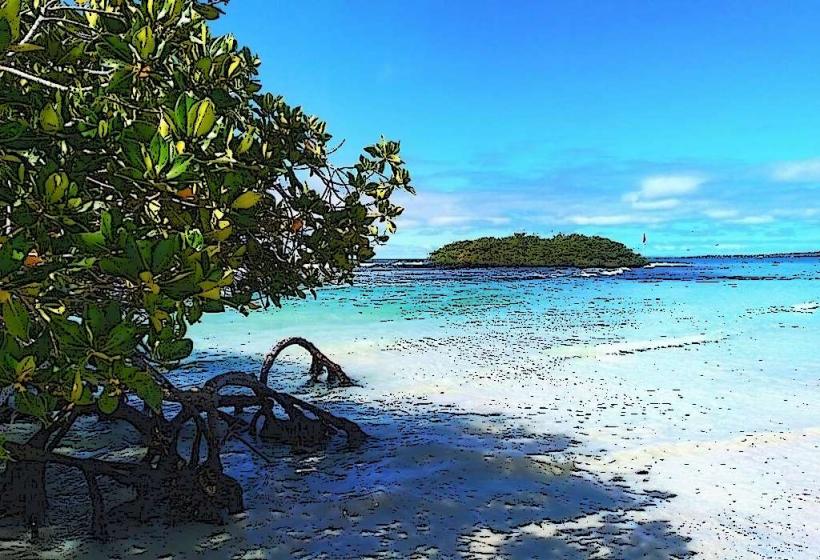
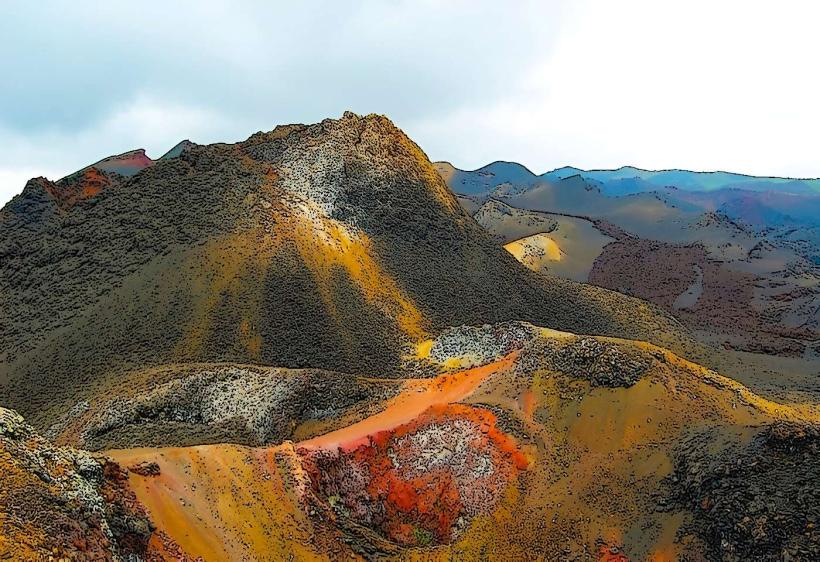
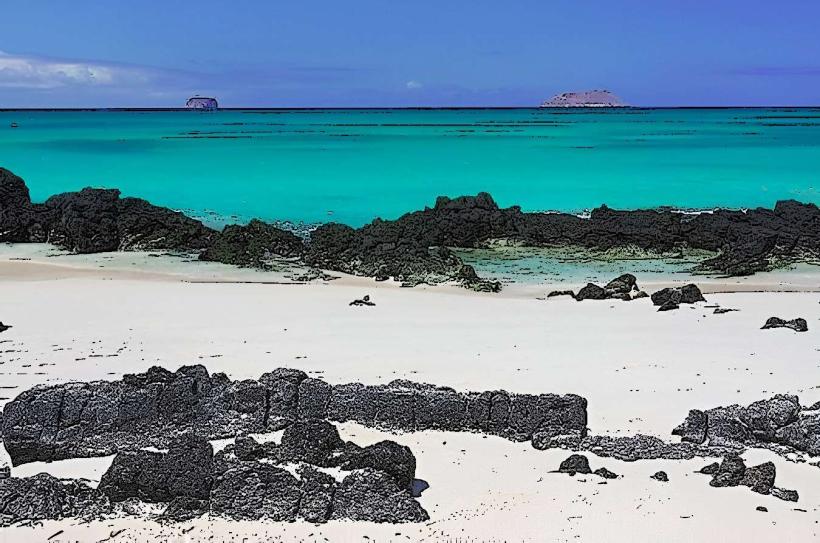
The island's topography varies from arid coastal zones with volcanic rock and sparse vegetation to the humid highlands covered in Scalesia forests and dense green undergrowth. The coastline features lava fields, sandy beaches, and rocky coves. Elevation reaches up to 864 meters (2,835 feet) at Cerro Crocker.
Location & Access Logistics
Isla Santa Cruz is centrally located within the Galapagos Archipelago. The main entry point is the Baltra Airport (GPS) on Baltra Island, approximately 45 kilometers north of Puerto Ayora, the main town on Santa Cruz. From Baltra, a bus transports passengers to the Itabaca Channel, followed by a short ferry crossing to Santa Cruz. From the channel, taxis or buses are available for the 45-minute drive to Puerto Ayora. No direct road access exists from mainland Ecuador; travel is via air to Baltra or San Cristobal airports, followed by inter-island transport.
Historical & Ecological Origin
Isla Santa Cruz is a volcanic island, formed by shield volcanoes. Its geological origin dates back approximately 1.5 million years. Ecologically, it represents a transition zone between the arid lowlands and the humid highlands, supporting distinct flora and fauna in each zone.
Key Highlights & Activities
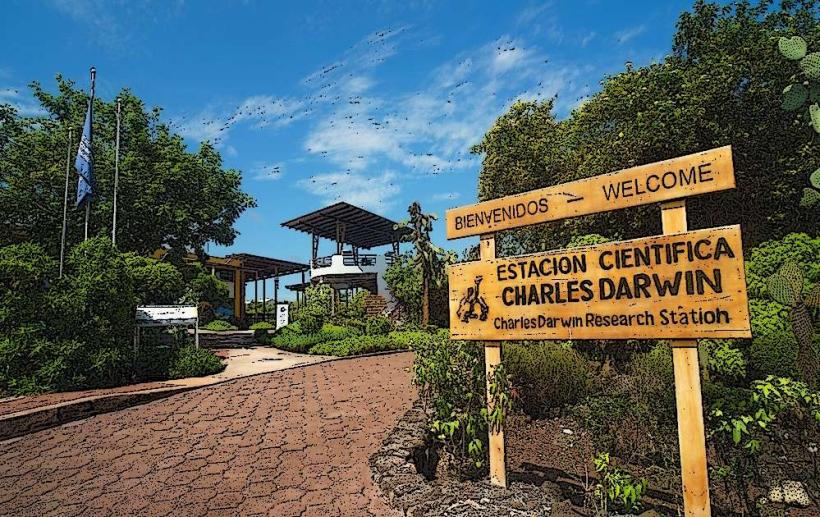
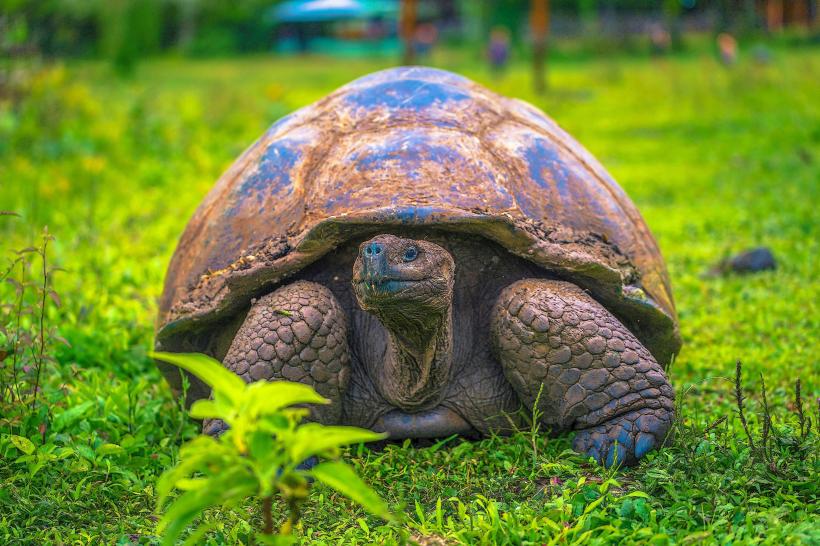
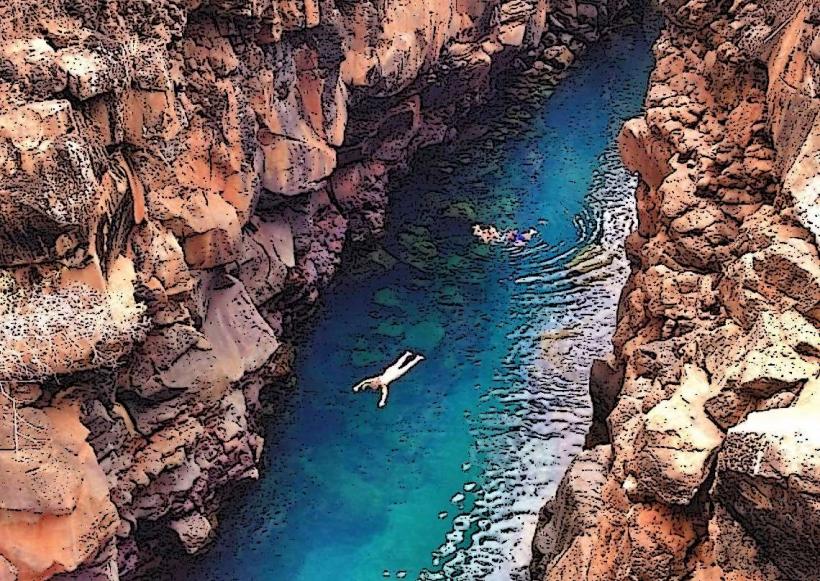
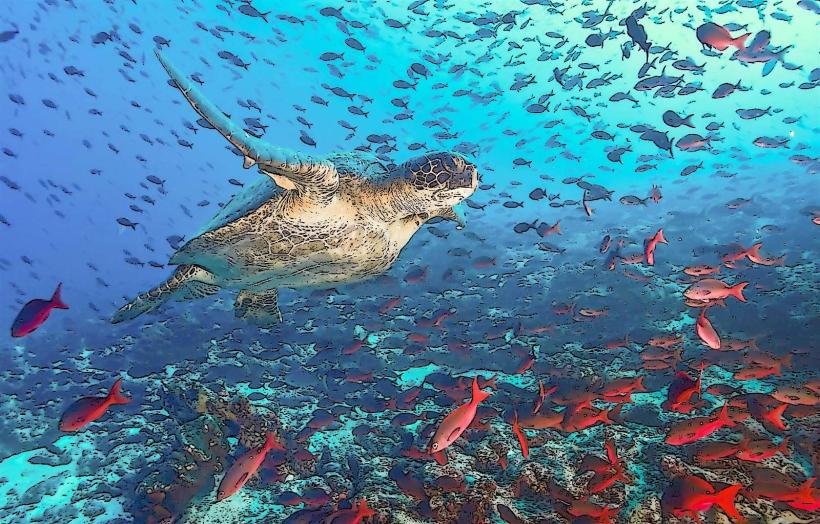
Visitors can observe giant tortoises in their natural habitat at the Charles Darwin Research Station and in the highlands. Snorkeling and diving are possible at locations such as Las Grietas and Bachas Beach. Hiking trails are available in the highlands and along the coast. Boat tours to nearby islands depart from Puerto Ayora.
Infrastructure & Amenities
Puerto Ayora offers a range of services including hotels, restaurants, and shops. Restrooms are available at visitor sites and in town. Shade is present in the highlands and at some coastal areas. Cell phone signal (4G) is generally available in Puerto Ayora and surrounding populated areas, but can be intermittent in remote locations. Food vendors and restaurants are concentrated in Puerto Ayora.
Best Time to Visit
The best time for visiting Isla Santa Cruz is during the dry season (June to December) for cooler temperatures and clearer skies, or the warm season (January to May) for warmer weather and calmer seas. For observing giant tortoises, any time of year is suitable. For photography, early morning and late afternoon offer optimal lighting conditions.
Facts & Legends
A unique aspect of Isla Santa Cruz is the presence of the Scalesia forests in the highlands, often referred to as "Galapagos rainforests." These endemic trees are found nowhere else on Earth. A specific tip for visitors is to wear sturdy footwear for exploring the volcanic terrain and to carry water, especially during hikes.
Nearby Landmarks
- Baltra Island (Airport) - 45km North
- North Seymour Island - 50km North
- South Plaza Island - 55km Southeast
- Santa Fe Island - 60km Southeast
- Floreana Island - 70km South