Information
Landmark: Charles Darwin Research StationCity: Galapagos Islands
Country: Ecuador
Continent: South America
Charles Darwin Research Station, Galapagos Islands, Ecuador, South America
The Charles Darwin Research Station is a scientific research facility located on Santa Cruz Island in the Galapagos Islands, Ecuador.
It is dedicated to conservation efforts and scientific study of the unique Galapagos ecosystem.
Visual Characteristics
The station comprises a collection of low-rise, functional buildings constructed primarily from concrete and corrugated metal. The structures are painted in muted earth tones, such as beige and light grey, to blend with the arid environment. The grounds are characterized by sparse vegetation, including palo santo trees and prickly pear cacti, interspersed with paved walkways and open research areas. The main visitor center features exhibits and enclosures for tortoises.
Location & Access Logistics
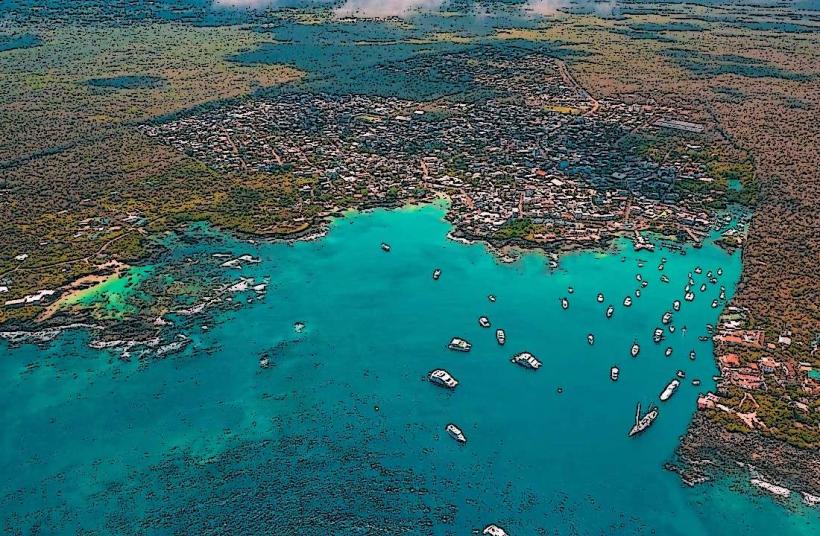
The station is situated in Puerto Ayora on Santa Cruz Island. It is approximately 1.5 kilometers west of the town center, a walk of about 20 minutes or a short taxi ride. Taxis are readily available in Puerto Ayora. There is a designated parking area for vehicles at the station entrance. Access to Santa Cruz Island is typically via Baltra Airport (GPS), followed by a ferry to Santa Cruz and then a taxi or bus to Puerto Ayora.
Historical & Ecological Origin
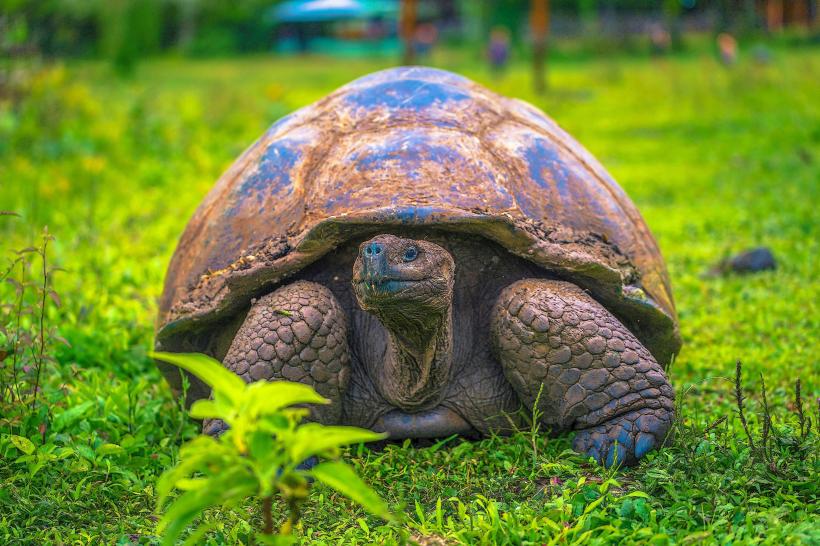
Established in 1964, the Charles Darwin Research Station was founded by the Charles Darwin Foundation and the Galapagos National Park Directorate. Its primary purpose is to conduct scientific research and implement conservation programs for the Galapagos Islands' endemic species, particularly the giant tortoises. The station's work is crucial for understanding and mitigating threats to the archipelago's fragile ecosystem.
Key Highlights & Activities
Visitors can observe Galapagos giant tortoises in breeding programs and rehabilitation enclosures. The station offers exhibits detailing the islands' natural history and conservation challenges. Educational talks are often provided by researchers. Walking the grounds allows for observation of various endemic flora and fauna. The tortoise breeding center is a primary focus.
Infrastructure & Amenities
Restrooms are available for visitors. Limited shaded areas are present within the visitor center and some outdoor exhibit spaces. Cell phone signal (4G) is generally available within Puerto Ayora and at the station. Food vendors and restaurants are located in Puerto Ayora, a short distance from the station.
Best Time to Visit
The best time of day for visiting is generally between 9:00 AM and 4:00 PM, when exhibits are open and staff are present. The weather in the Galapagos is consistent year-round, with a warmer, wetter season from December to May and a cooler, drier season from June to November. No specific tide requirements affect access to the station itself.
Facts & Legends
A notable resident was Lonesome George, the last known Pinta Island tortoise, who lived at the station until his death in 2012. His preserved remains are now on display, serving as a symbol of conservation efforts and the impact of extinction.
Nearby Landmarks
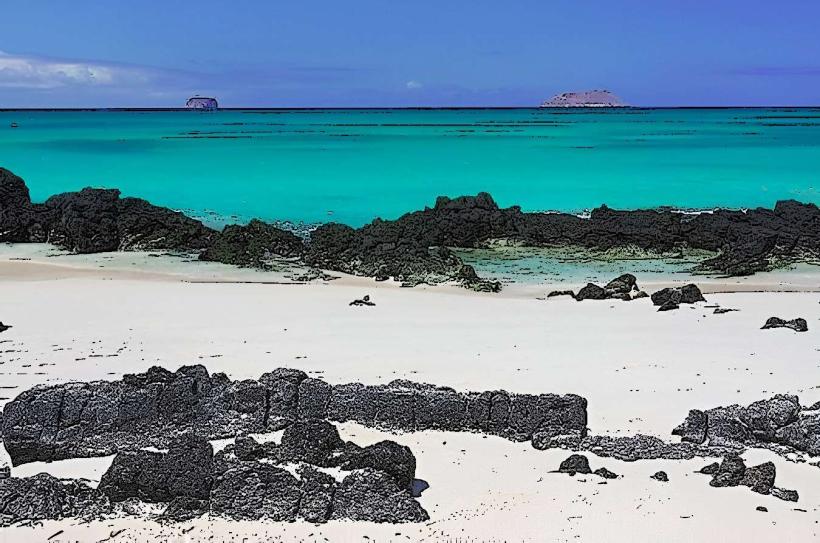
- Tortuga Bay (0.8km Southwest)
- Laguna de las Ninfas (1.2km East)
- Puerto Ayora town center (1.5km East)
- Charles Darwin Avenue (adjacent)