Information
Landmark: Tortuga BayCity: Galapagos Islands
Country: Ecuador
Continent: South America
Tortuga Bay, Galapagos Islands, Ecuador, South America
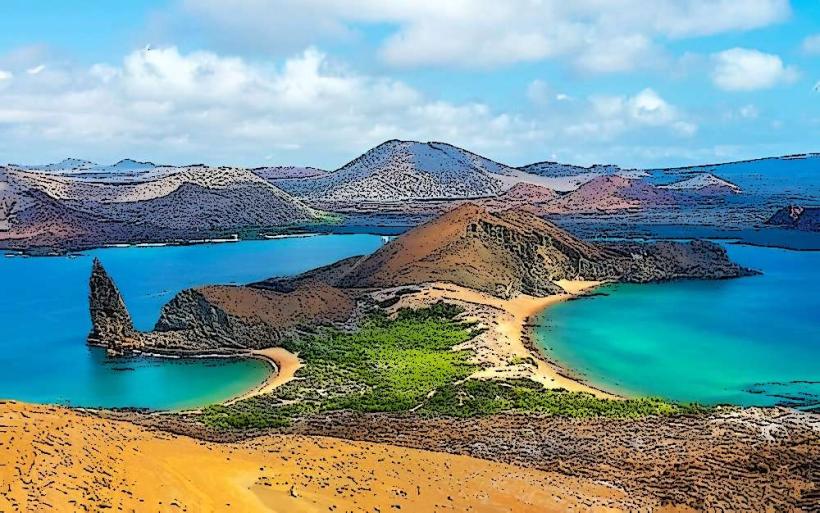
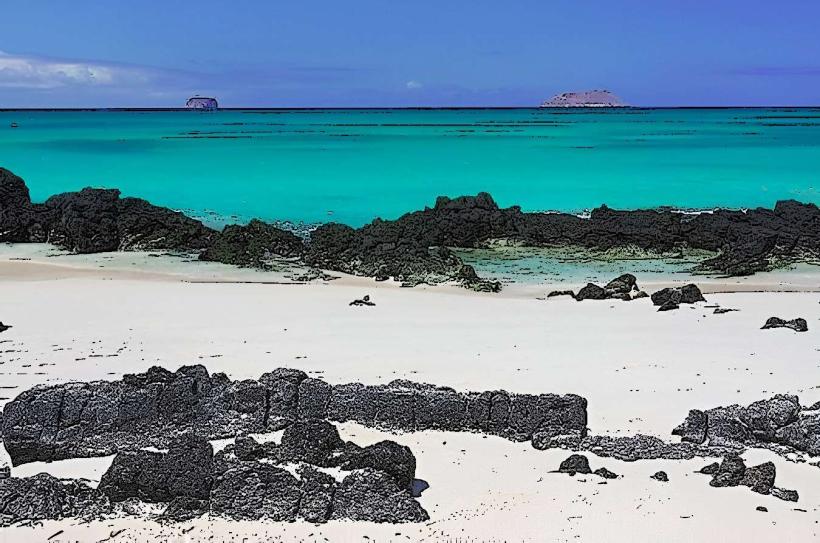
Tortuga Bay is a large beach located on Santa Cruz Island in the Galapagos Islands, Ecuador. It is characterized by its two distinct sections: Playa Brava and Playa Mansa.
Visual Characteristics
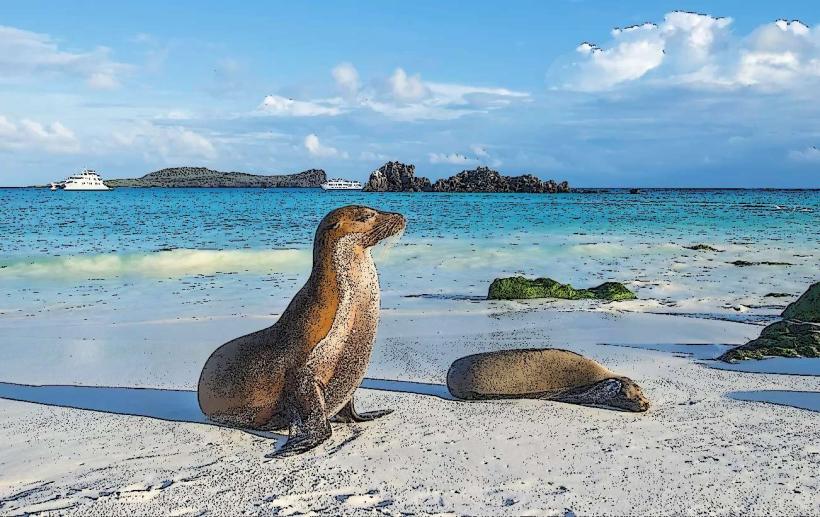
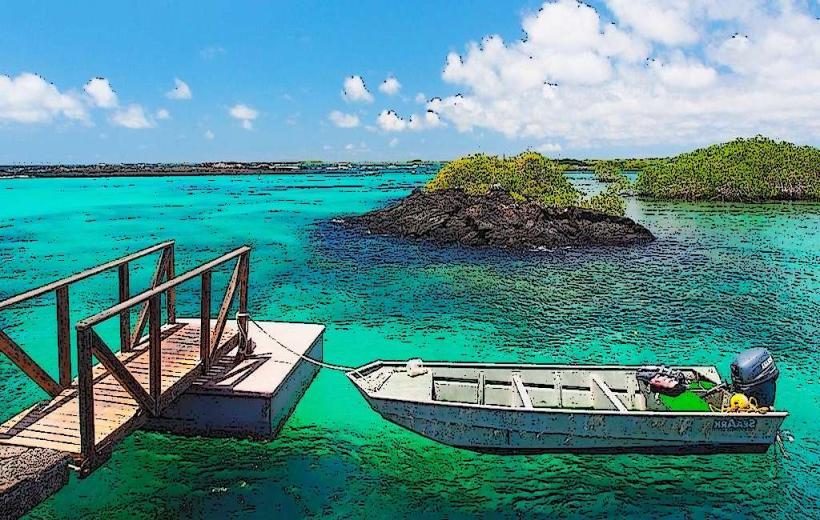
Playa Brava is a 1.5 km long stretch of fine, white coral sand. The water here is typically turquoise and exhibits strong currents, making it unsuitable for swimming. Playa Mansa, at the western end, is a calm, shallow lagoon with mangrove vegetation bordering its northern edge. The sand at Playa Mansa is finer and lighter in color than at Playa Brava. The bay is surrounded by arid zone vegetation, including prickly pear cacti and palo santo trees.
Location & Access Logistics
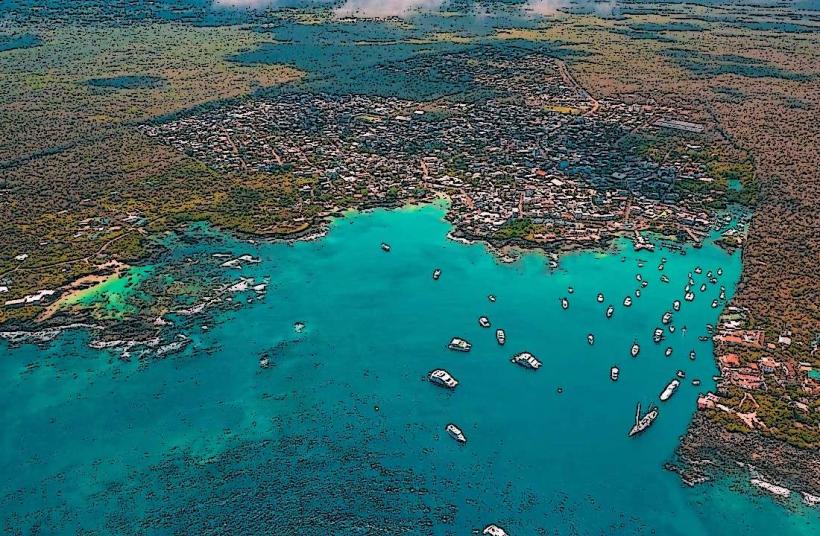
Tortuga Bay is situated on the western side of Santa Cruz Island. Access is via a 4.5 km well-maintained gravel path originating from Puerto Ayora. The path begins at the western edge of town, near the Finch Bay Galapagos Hotel. Walking time is approximately 45-60 minutes one way. There is no vehicle access to the bay itself. No parking is available at the trailhead; visitors typically walk from Puerto Ayora or arrange a taxi to the starting point.
Historical & Ecological Origin
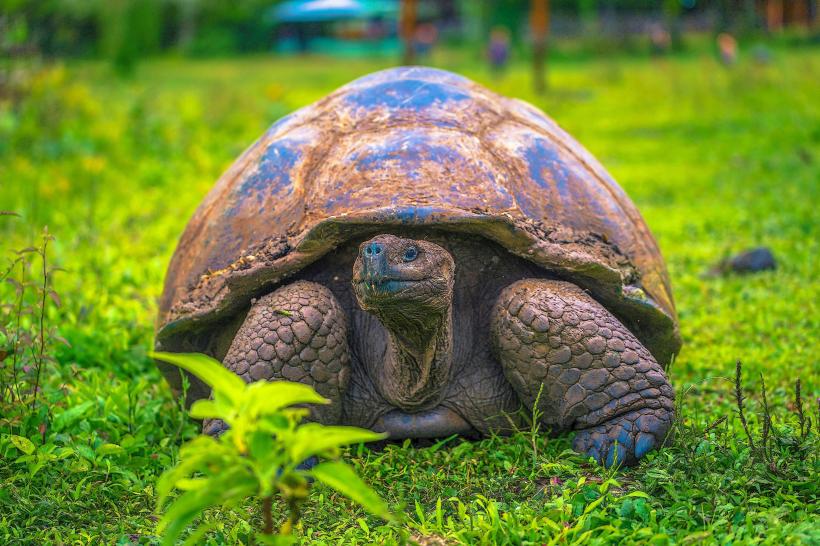
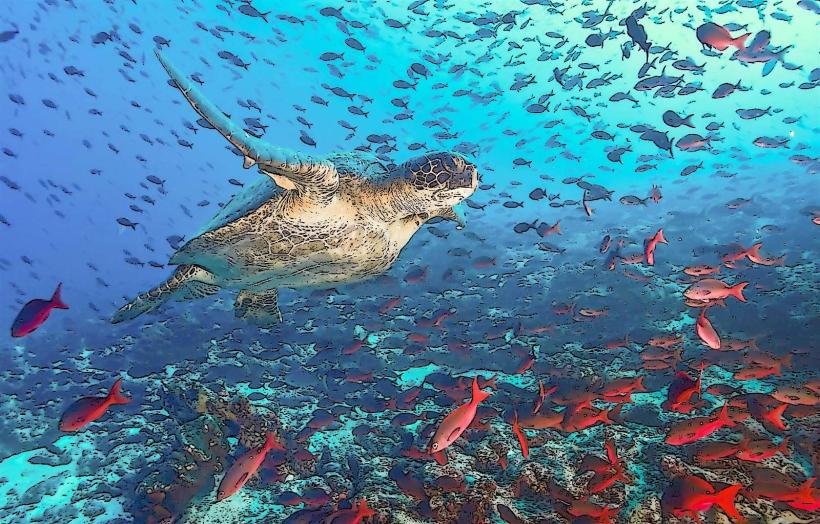
Tortuga Bay is a natural formation resulting from volcanic activity and coastal erosion. The white sand is composed of pulverized coral and shells. The bay is part of the Galapagos National Park, a UNESCO World Heritage site, and is a critical nesting ground for the critically endangered Green Sea Turtle (Chelonia mydas agassizii).
Key Highlights & Activities
At Playa Brava, visitors can observe marine iguanas, sea lions, and various shorebirds. Swimming and bodyboarding are not recommended due to strong currents. At Playa Mansa, swimming, snorkeling, and kayaking are possible in the calm waters. Kayaks can be rented from vendors near the entrance to Playa Mansa. Birdwatching is also a primary activity, with opportunities to see Darwin's finches, pelicans, and blue-footed boobies.
Infrastructure & Amenities
The access path to Tortuga Bay has no facilities until the bay itself. At Playa Mansa, there are basic palapa-style shelters providing shade. Restrooms are available near the entrance to Playa Mansa. There are no food vendors within the bay; visitors must bring their own provisions. Cell phone signal (4G/5G) is generally weak to non-existent within the bay area.
Best Time to Visit
The best time of day for photography is generally mid-morning or late afternoon when the sun angle is lower, reducing harsh shadows. The dry season (June to December) offers more pleasant weather for walking. For turtle nesting, the period from January to May is when females come ashore to lay eggs, and hatchlings emerge from May to March. High tide at Playa Mansa is ideal for swimming and snorkeling.
Facts & Legends
Tortuga Bay is named for the Green Sea Turtles that nest on its shores. A specific tip for visitors is to carry ample water, as the walk can be strenuous, especially during warmer months, and there are no services along the path.
Nearby Landmarks
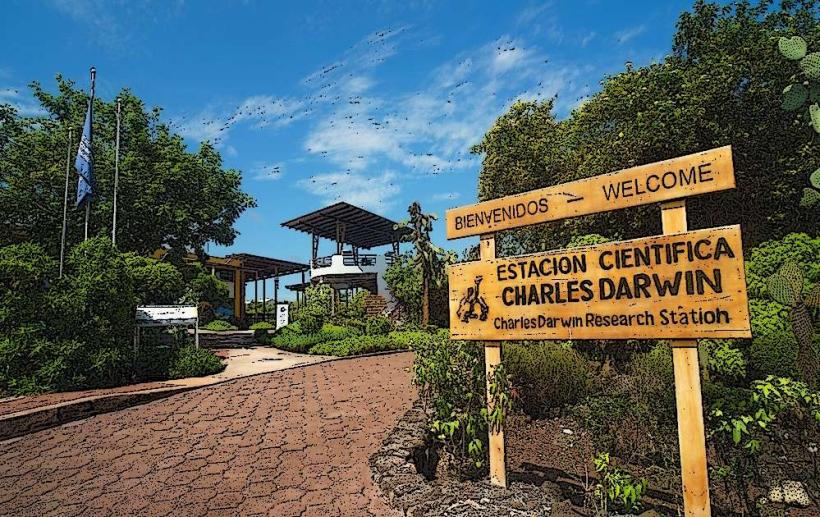
- Charles Darwin Research Station (1.5km East)
- Puerto Ayora (4.5km East)
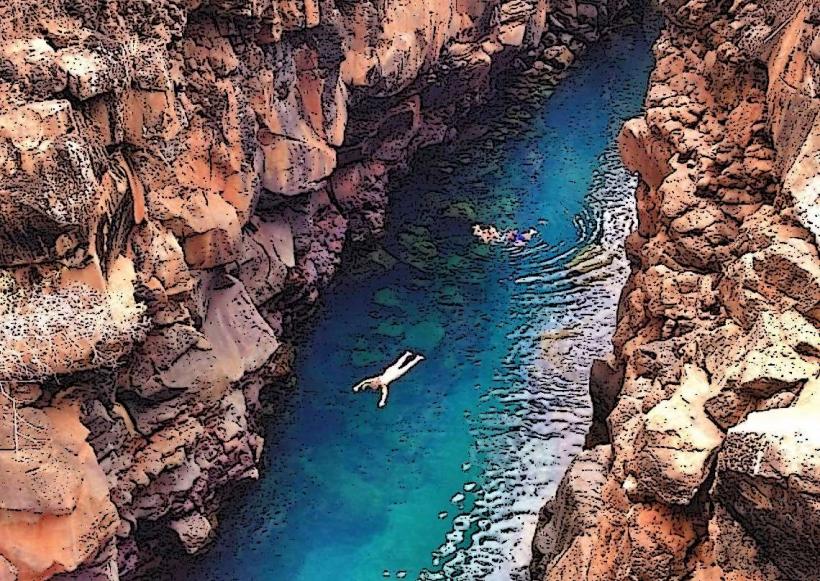
- Las Grietas (2.0km West)
- German Beach (2.5km West)