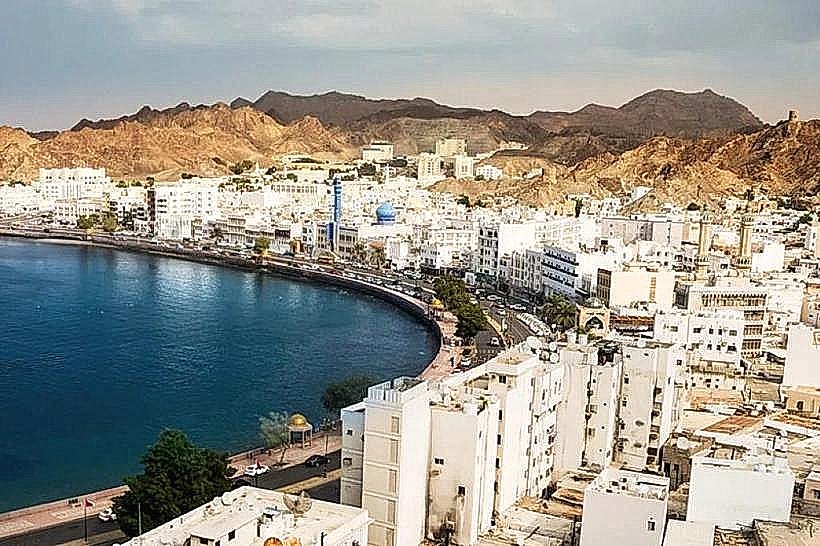
City: Muscat
Country: Oman
Continent: Asia
Muscat, Oman, Asia
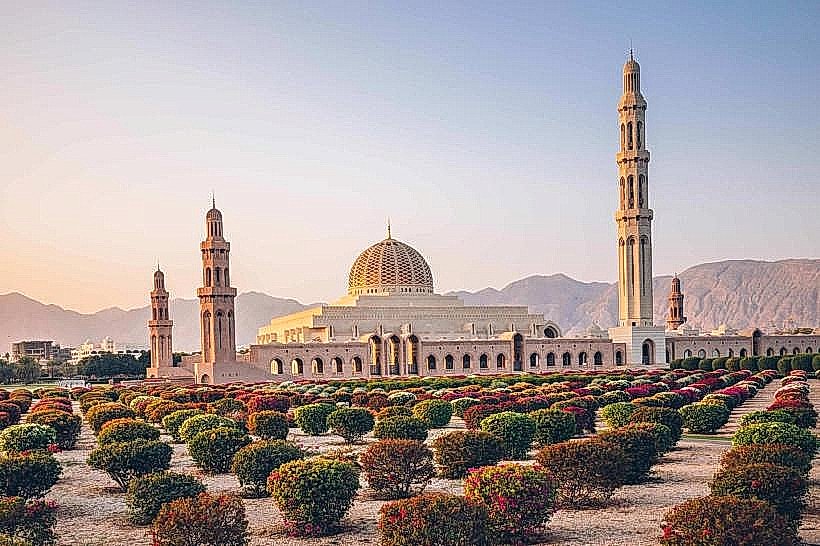
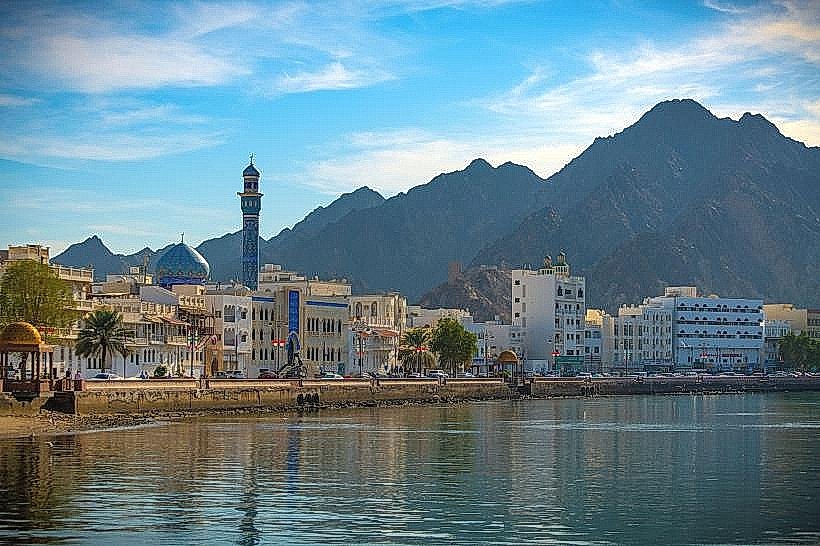
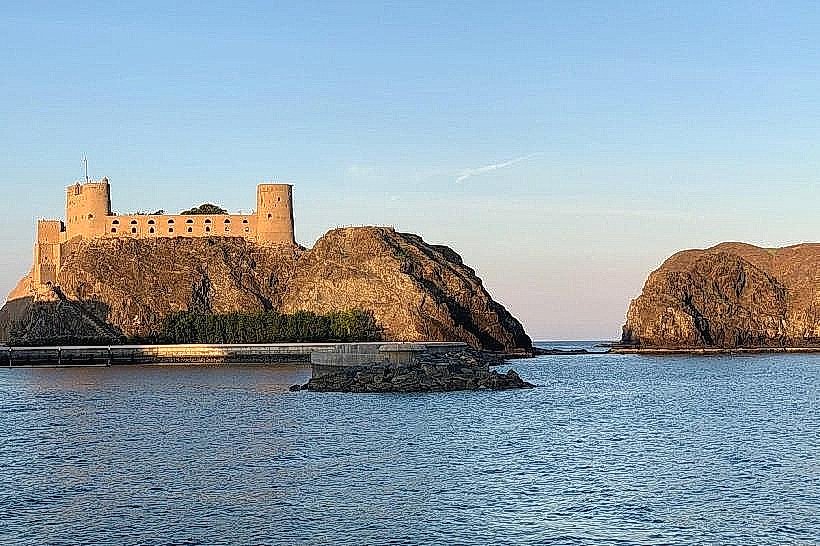
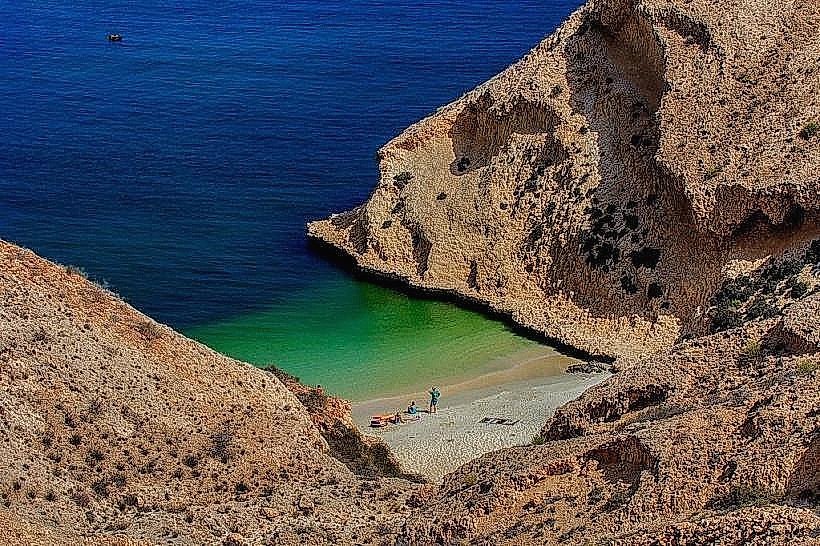
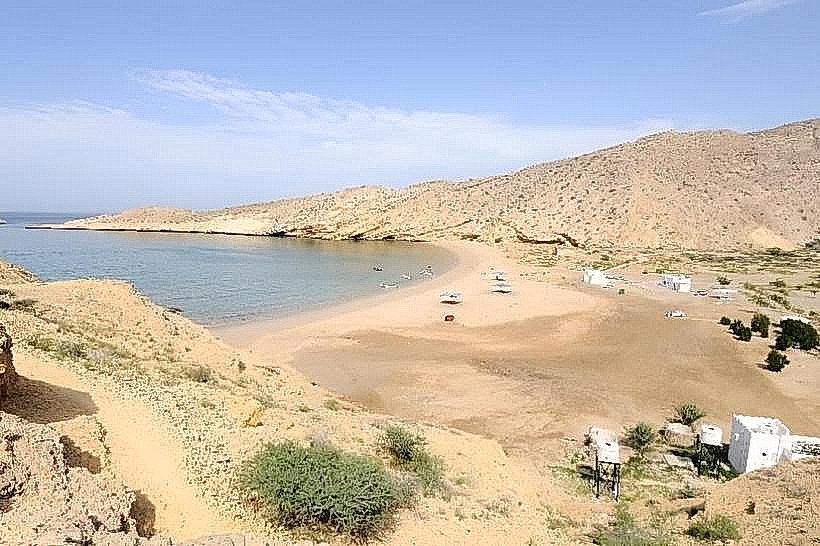
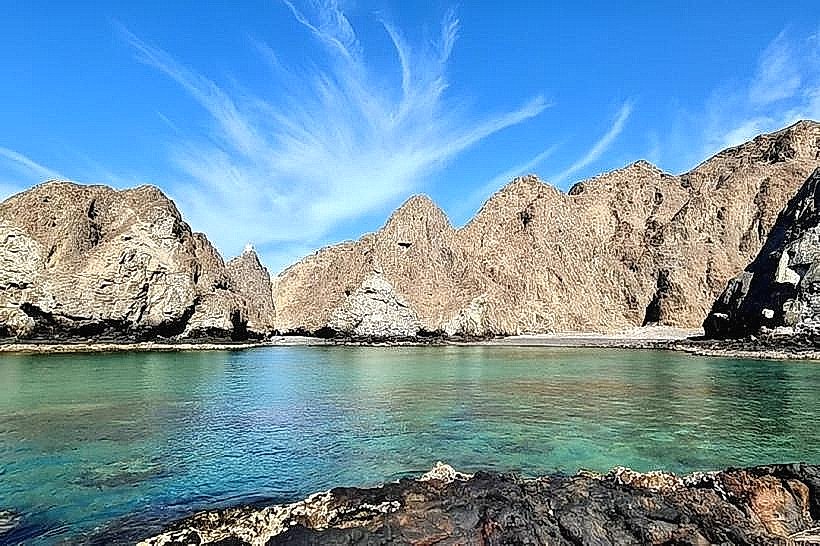
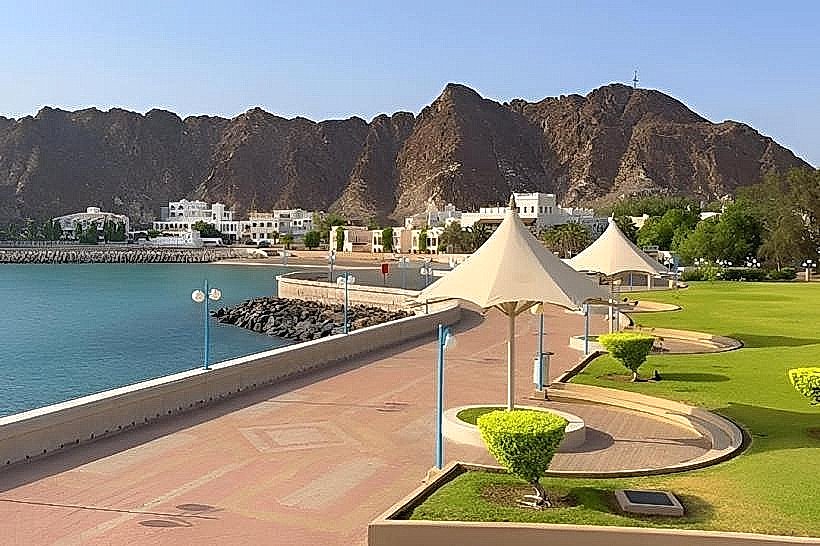
Muscat serves as the political capital and economic center of the Sultanate of Oman, housing the country's main administrative bodies and the Port of Sultan Qaboos. It is located on the Gulf of Oman, nestled between the rugged Al Hajar Mountains and the sea in the northeastern part of the Arabian Peninsula.
Historical Timeline
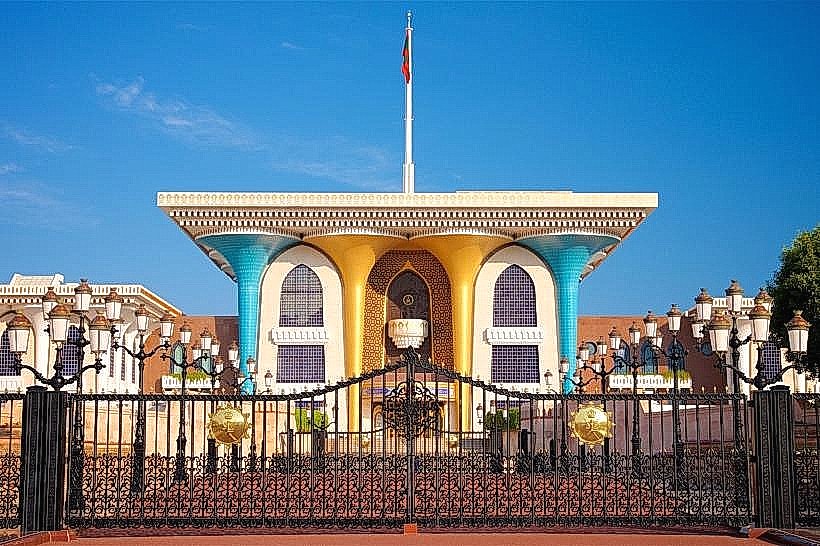
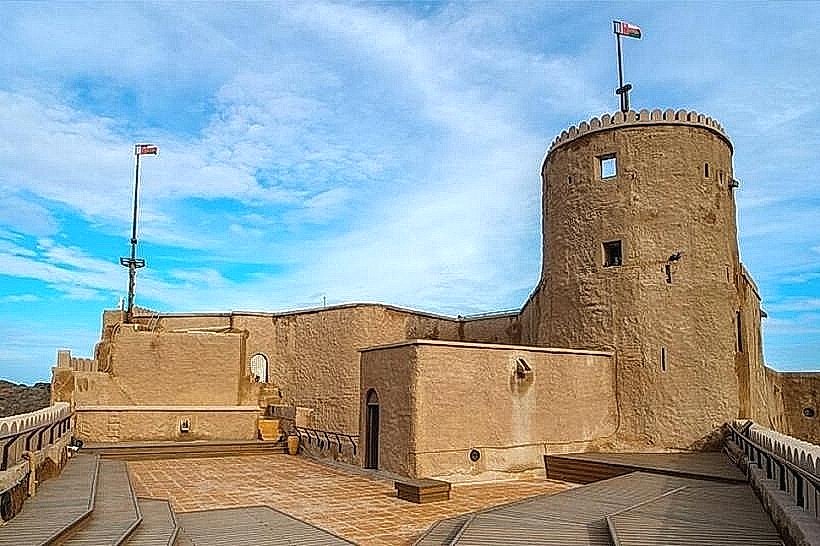
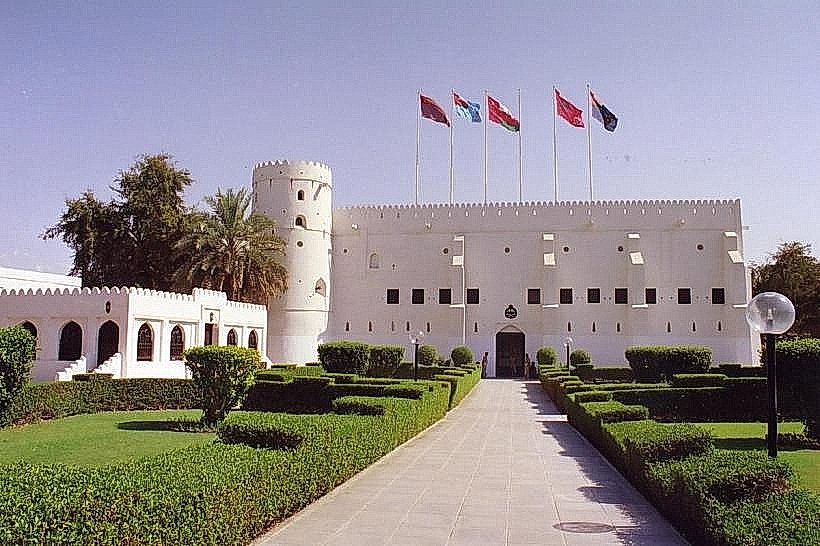
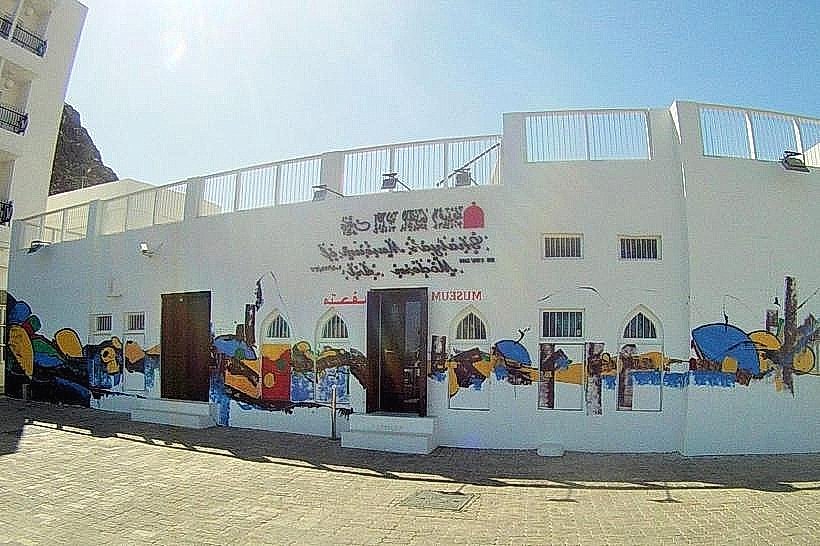
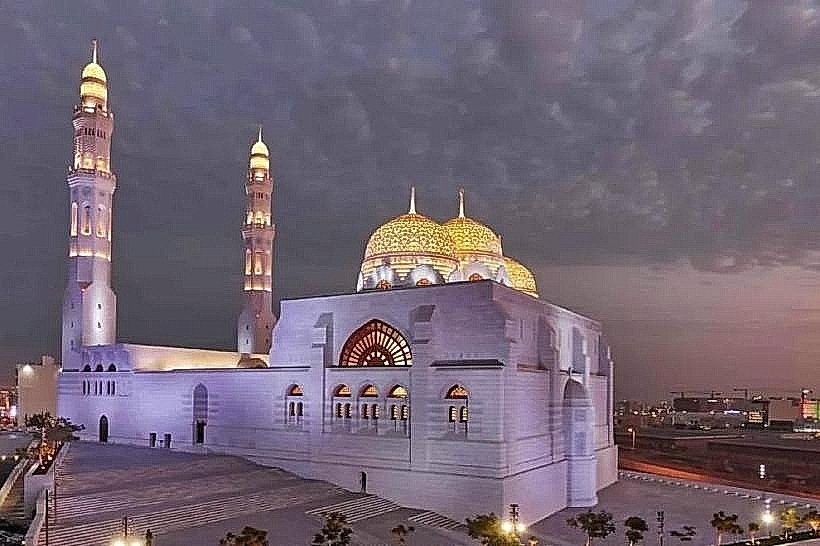
Muscat has been a known trading port since the 2nd century, though the modern city began to take shape after the expulsion of the Portuguese in 1650. The city experienced its most significant political and architectural reconstruction starting in 1970 with the "Omani Renaissance" under Sultan Qaboos bin Said. This event shifted the urban form from a walled medieval port to a modern decentralized city characterized by low-rise white buildings and mandatory Islamic architectural motifs.
Demographics & Population
The Muscat Governorate has a total population of approximately 1.7 million, with the city proper housing roughly 800,000 residents. The top three demographics are Omani nationals (approximately 45%), Indians (35%), and Bangladeshis (10%). The median age is roughly 30 years.
Urban Layout & Key Districts
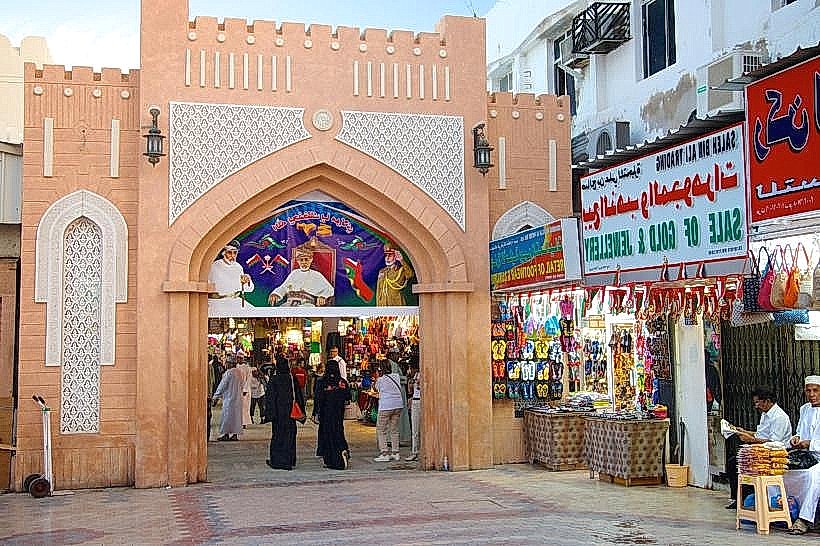
The city is organized linearly along the coastline, restricted by mountain ranges. Mutrah is the historic trading center located at the eastern end; Ruwi, the primary commercial and financial district, lies immediately south of Mutrah; and Al Qurum is the central residential and upscale shopping hub located to the west.
Top City Landmarks
Transportation Network
Muscat lacks a metro or tram system. Movement is facilitated by Mwasalat buses, which follow main highways, and the "Otaxi" or "Tasleem" ride-sharing apps. Official taxis are white and orange. Traffic density is high on the Sultan Qaboos Street (the main artery) during peak commuting hours (07:00–09:00 and 14:00–16:00).
Safety & "Red Zones"
Muscat is one of the safest cities globally with very low violent crime rates. There are no specific "red zones" or neighborhoods to avoid. Scams are rare, though visitors should agree on taxi fares in advance if the vehicle is not metered.
Digital & Financial Infrastructure
Average internet speeds are 50–100 Mbps on fiber optics. The main mobile carriers are Omantel, Ooredoo, and Vodafone. Card acceptance is high in malls and hotels, but cash is required in traditional souqs. ATMs are widely available in all commercial areas.
Climate & Air Quality
Summer temperatures (May–September) range from 35°C to 48°C with high humidity. Winter temperatures (November–March) range from 18°C to 25°C. Air quality is generally good, though dust storms can occur during seasonal transitions. Flash flooding is a risk during rare heavy rain events in the mountains.
Culture & Social Norms
Tipping is not mandatory but 10% is appreciated in restaurants. Greetings involve a handshake; however, men should wait for a woman to initiate. Conservative dress is required: shoulders and knees must be covered in public. Alcohol is only served in licensed hotels and restaurants; public intoxication and smoking in government buildings are strictly prohibited.
Accommodation Zones
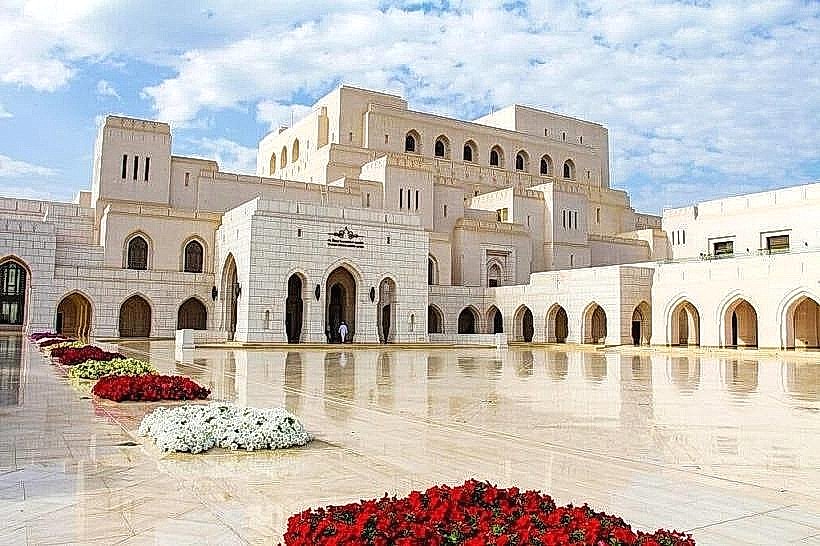
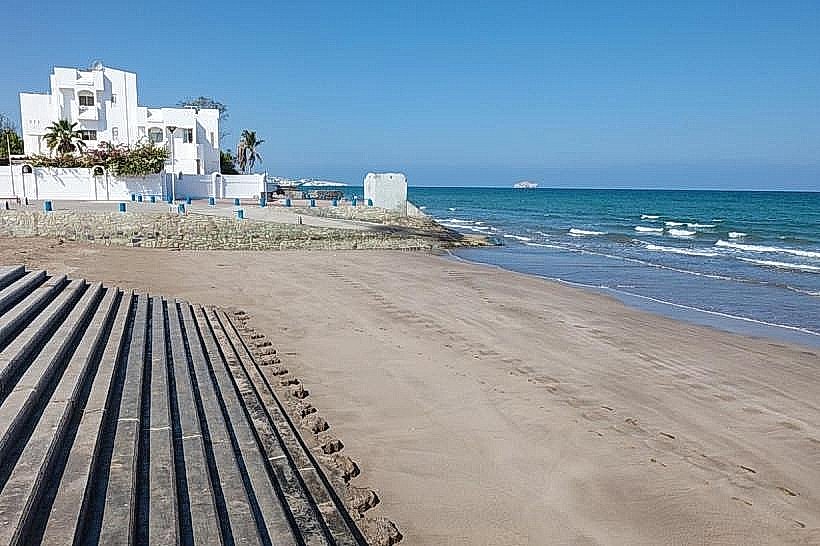
Stay in Shatti Al Qurum for walking access to the beach, cafes, and the Opera House.
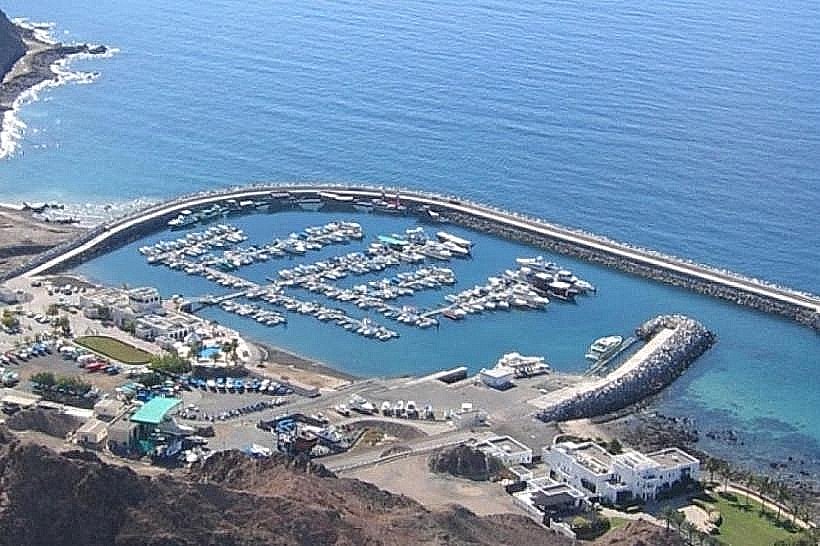
Stay in Al Mouj for a quiet, self-contained marina environment with high-end amenities.
Local Cost Index
1 Espresso: 1.80 OMR ($4.68 USD)
1 Standard Lunch: 4.50 OMR ($11.70 USD)
1 Bus Ticket: 0.50 OMR ($1.30 USD)
Nearby Day Trips
Nizwa Fort and Souq: 160 km (1 hour 45 minutes)
Wadi Shab: 150 km (1 hour 30 minutes)
Bimmah Sinkhole: 125 km (1 hour 15 minutes)
Nakhal Fort: 100 km (1 hour)
Facts & Legends
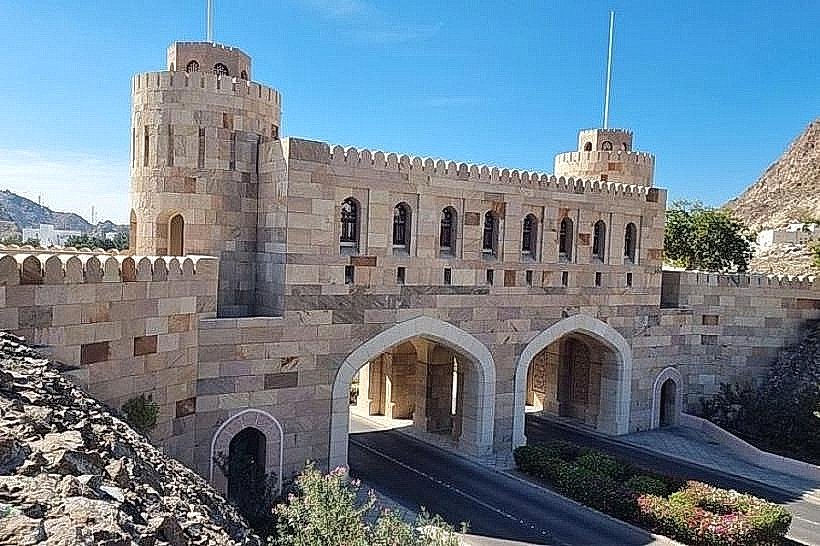
A local historical oddity involves the "Old Muscat" gates, which were locked every night until the 1970s. Anyone walking after dark without a lantern was subject to arrest. Legend also dictates that the name "Muscat" translates to "hidden," referring to the city’s historic invisibility to sailors until they were directly upon the mountain-ringed harbor.