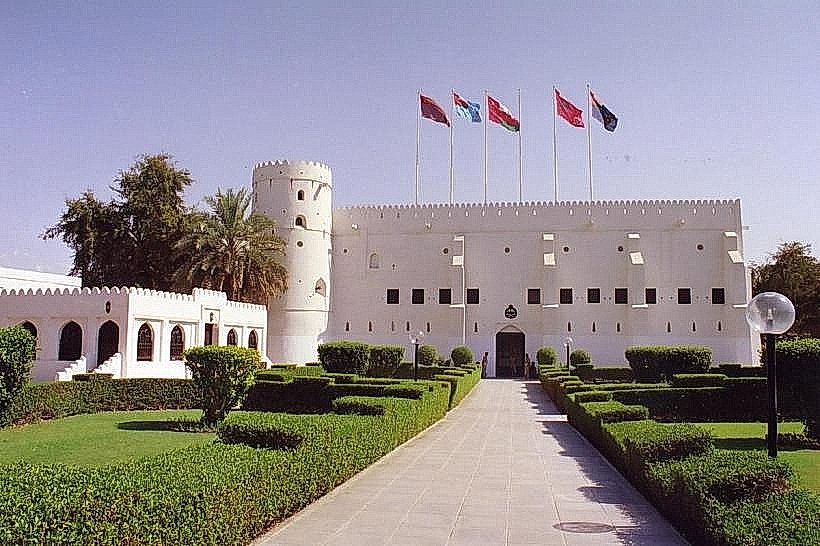
Landmark: Sultan's Armed Forces Museum
City: Muscat
Country: Oman
Continent: Asia
Sultan's Armed Forces Museum, Muscat, Oman, Asia
The Sultan’s Armed Forces Museum is a military history institution located in the Bait Al Falaj Fort in the Ruwi district of Muscat, Oman. It serves as the primary repository for the nation's military chronicles, displaying hardware, uniforms, and historical documents from the pre-Islamic era to the modern day.
Visual Characteristics
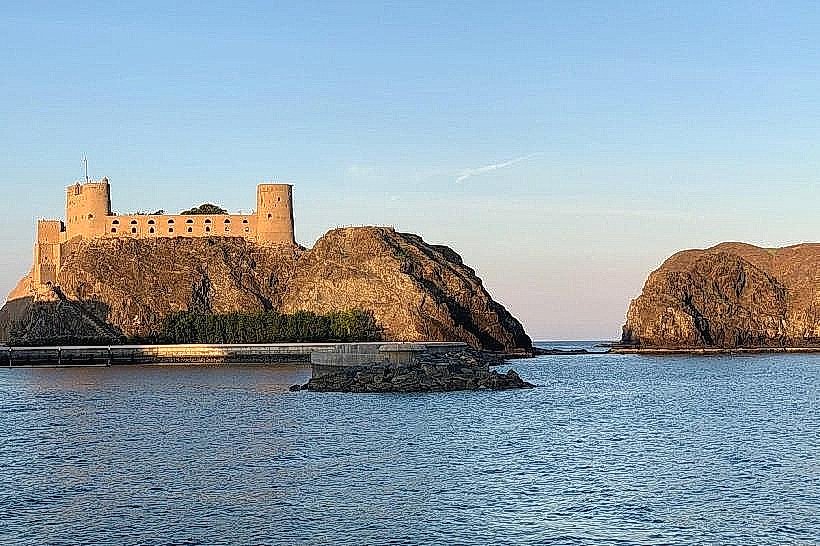
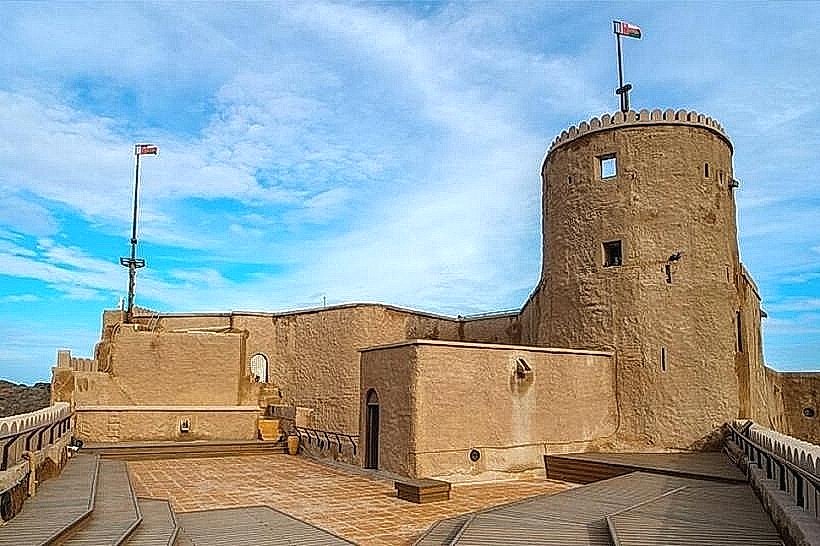
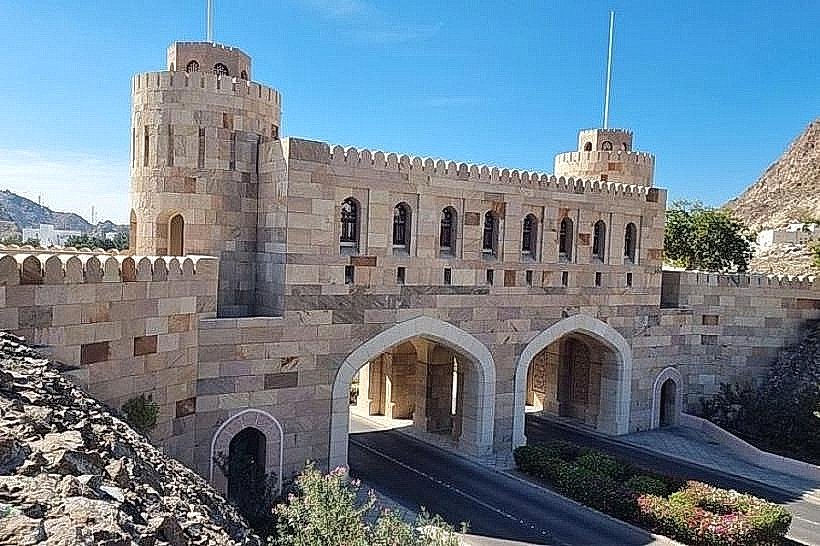
The museum is housed in a restored 150-year-old defensive structure built from traditional stone, mudbrick, and plaster, characterized by thick white-washed walls and crenellated towers. The central building features wooden ceiling beams and arched doorways typical of Omani fortified architecture. The exterior grounds function as an open-air display area for heavy machinery, including supersonic fighter jets, tanks, armored vehicles, and naval vessels situated on paved concrete plinths.
Location & Access Logistics
The site is situated in the Ruwi area of Muscat, approximately 5km west of the Mutrah Corniche. Access is via Al Mujamma Street; visitors must enter through the military gate of the Bait Al Falaj camp. On-site parking is provided for private vehicles. Public transport is available via Mwasalat bus routes stopping at the Ruwi Bus Station, followed by a 1.5km taxi or walk to the museum entrance.
Historical & Ecological Origin
The Bait Al Falaj Fort was constructed in 1845 during the reign of Sayyid Said bin Sultan to serve as a royal summer residence and defensive outpost. It later functioned as the headquarters for the Sultan’s Armed Forces before being inaugurated as a museum by Sultan Qaboos bin Said in 1988. The structure represents the transition of Omani architecture from purely defensive to administrative and residential use.
Key Highlights & Activities
Visitors follow a chronological circuit through internal galleries detailing Omani military history and international relations. Outdoor exhibits allow for the close-up inspection of Vickers tanks and Hawker Hunter aircraft. Professional military personnel often provide guided insights into specific hardware developments. Photography is permitted in the outdoor equipment sections but restricted in certain internal archive rooms.
Infrastructure & Amenities
The facility includes climate-controlled indoor galleries, public restrooms, and a small gift shop. There is consistent 4G/5G cellular coverage throughout the site. Shade is limited in the outdoor display areas, though covered walkways exist near the main fort entrance. No food vendors operate within the military compound, but numerous dining options are available within 1km in the Ruwi commercial district.
Best Time to Visit
Optimal visiting hours are between 08:00 and 12:00 when the sun angle highlights the fort’s facade for photography and temperatures are lower for viewing outdoor exhibits. The museum is generally open Saturday through Thursday. October to March provides the most suitable weather for navigating the extensive outdoor machinery displays.
Facts & Legends
The museum contains the original Treaty of Seeb document, a pivotal 1920 agreement that defined the relationship between the Sultanate of Muscat and the Imamate of Oman. A unique feature of the collection is the inclusion of several "technical" vehicles captured during the Dhofar Rebellion, maintained in their original combat configurations.
Nearby Landmarks
Ruwi Clock Tower - 1.2km West
National Museum of Oman - 4.8km East
Mutrah Souq - 3.5km Northeast
Mutrah Fort - 3.8km Northeast
Muscat Securities Market - 1.5km Northwest