Landmark: Natural History Museum
City: Muscat
Country: Oman
Continent: Asia
Natural History Museum, Muscat, Oman, Asia
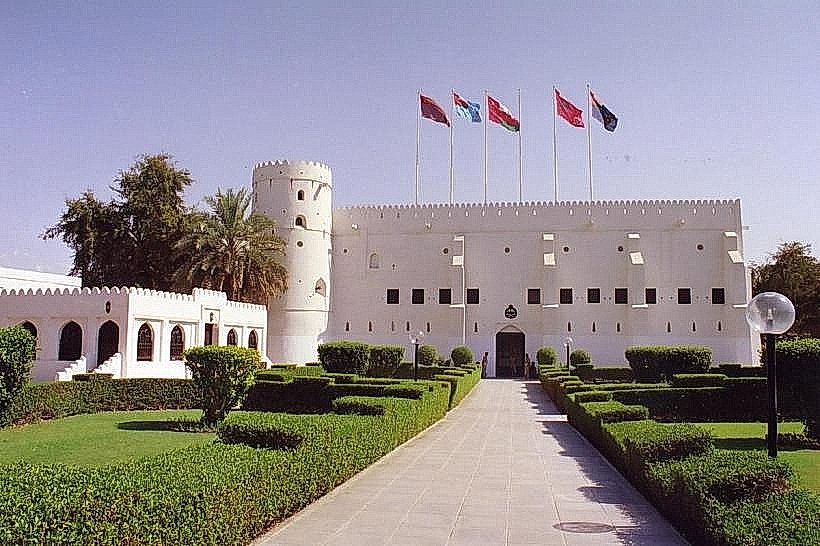
The Natural History Museum is a specialized scientific institution located within the Ministry of Heritage and Tourism complex in the Al Khuwayr district of Muscat, Oman. It serves as the national repository for the Sultanate’s geological, botanical, and zoological specimens, covering billions of years of environmental history.
Visual Characteristics
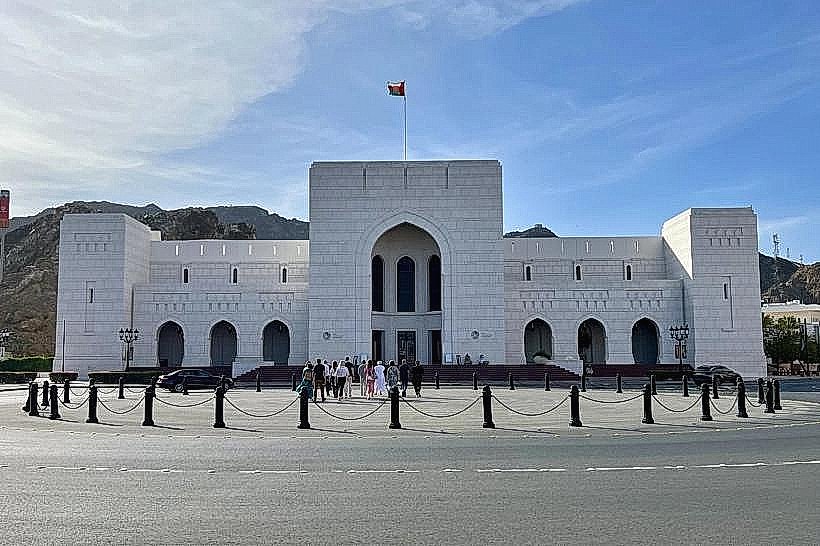
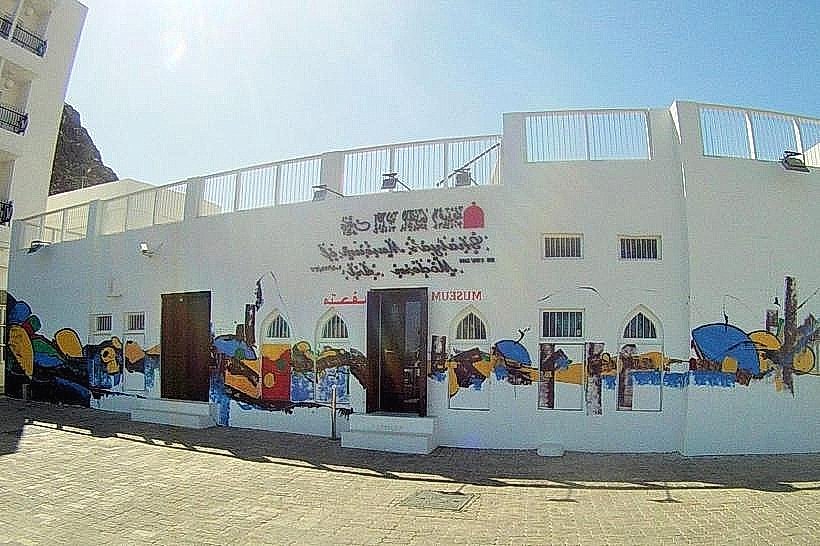
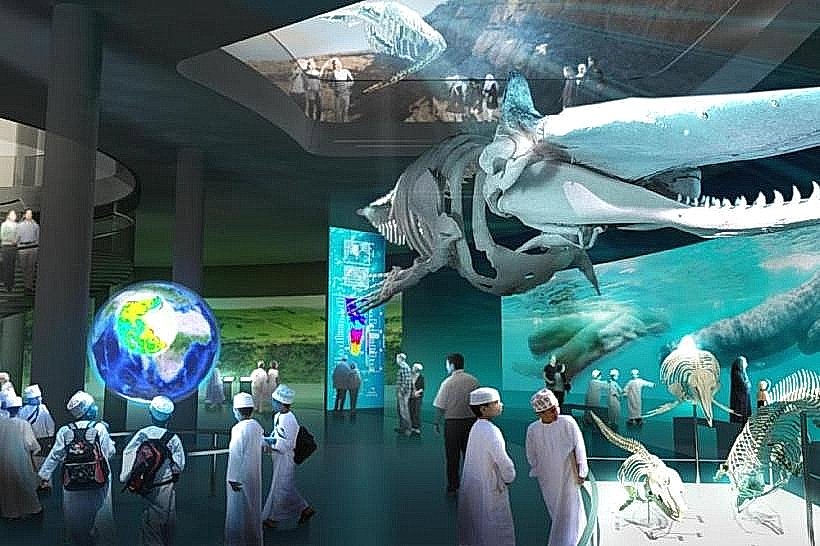
The museum is housed in a modern, sand-colored administrative building featuring traditional Omani arched windows and a minimalist exterior. The interior galleries are organized into high-density display areas containing taxidermy, fossilized remains, and botanical dioramas. A standout visual feature is the Whale Room, which contains the massive skeletal remains of a Sperm Whale suspended from the ceiling.
Location & Access Logistics
The site is situated on Al Jamiat Street in Al Khuwayr, approximately 12km west of Old Muscat. Access is via the Sultan Qaboos Highway, taking the Al Khuwayr exit toward the government ministries district. Paved parking is available within the Ministry of Heritage and Tourism compound. The nearest Mwasalat bus stop is the Al Khuwayr Ministry of Housing stop, located roughly 0.6km from the museum entrance.
Historical & Ecological Origin
The museum was inaugurated on December 30, 1985, to centralize the scientific study of Oman’s diverse ecosystems, ranging from the arid Hajar Mountains to the seasonal monsoon forests of Dhofar. It focuses on the unique "Tethys Sea" geological history, which explains the presence of marine fossils in high-altitude mountain ranges. The facility serves as a primary research center for the Sultanate’s rare and endemic species.
Key Highlights & Activities
Visitors can observe the fossilized teeth of a primitive elephant species and 260-million-year-old tree trunks found in the Omani desert. The "Oman through Geological Time" gallery provides a chronological walk-through of the country's formation. Detailed displays of indigenous wildlife, including the Arabian Oryx, Arabian Leopard, and various desert reptiles, are primary points of interest.
Infrastructure & Amenities
The museum is a fully climate-controlled indoor facility with public restrooms and a reception area. High-speed 5G cellular signal is available throughout the building. There are no food or beverage vendors within the ministry complex, but the Al Khuwayr commercial district, located 1km away, contains a high density of restaurants and cafes.
Best Time to Visit
The institution typically operates from 08:00 to 13:30, Sunday through Thursday, making it a morning-specific destination. The indoor nature of the exhibits makes it suitable for visiting year-round, regardless of external weather conditions. Photography is permitted in most galleries, though flash is often restricted near sensitive biological specimens.
Facts & Legends
The centerpiece of the museum, the Sperm Whale skeleton, belongs to a 14-meter animal that washed ashore on the Omani coast in the 1980s; it took over a year of specialized processing to prepare the bones for display. The museum also houses a rare collection of "meteorites" recovered from the Empty Quarter (Rub' al Khali), some of which are verified to be of Martian and Lunar origin.
Nearby Landmarks
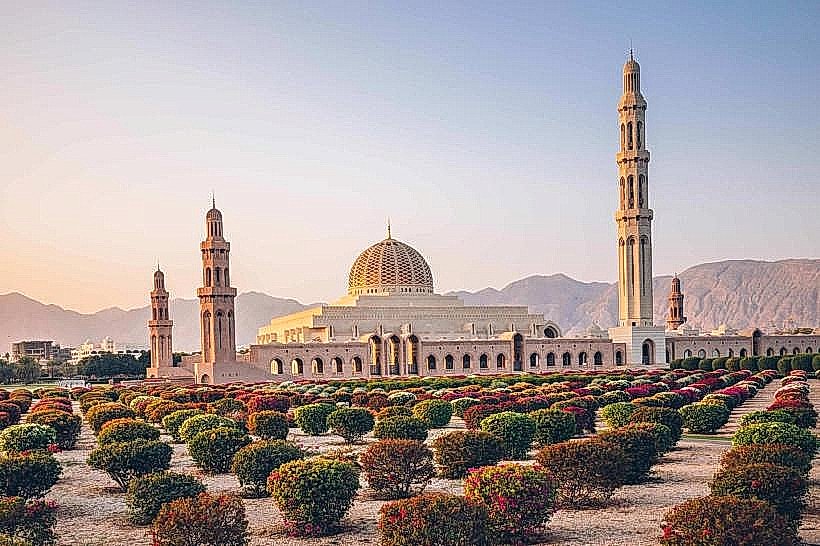
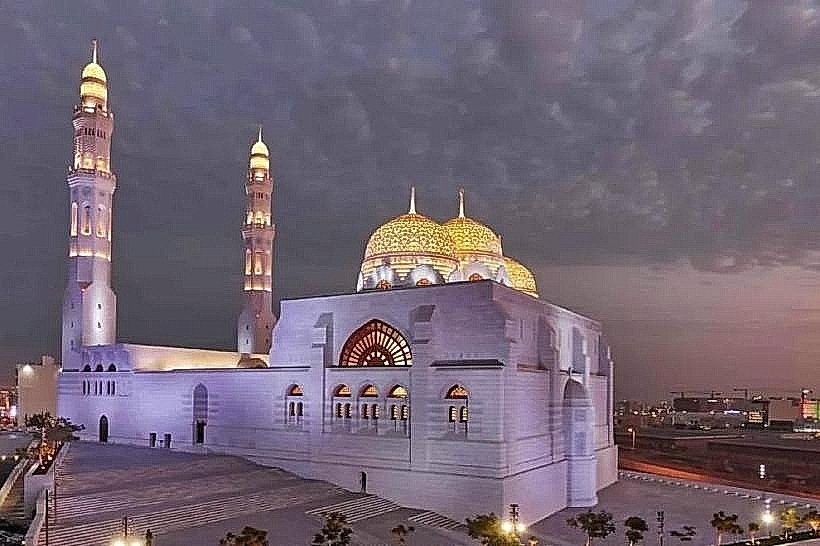
Sultan Qaboos Grand Mosque - 4.5km West
Oman Avenues Mall - 2.8km Southwest
Ministry of Heritage and Tourism - 0.1km East
Saeed Bin Taimur Mosque - 1.5km Northwest
Muscat Grand Mall - 3.0km Southwest