Landmark: Al Mirani Fort
City: Muscat
Country: Oman
Continent: Asia
Al Mirani Fort, Muscat, Oman, Asia
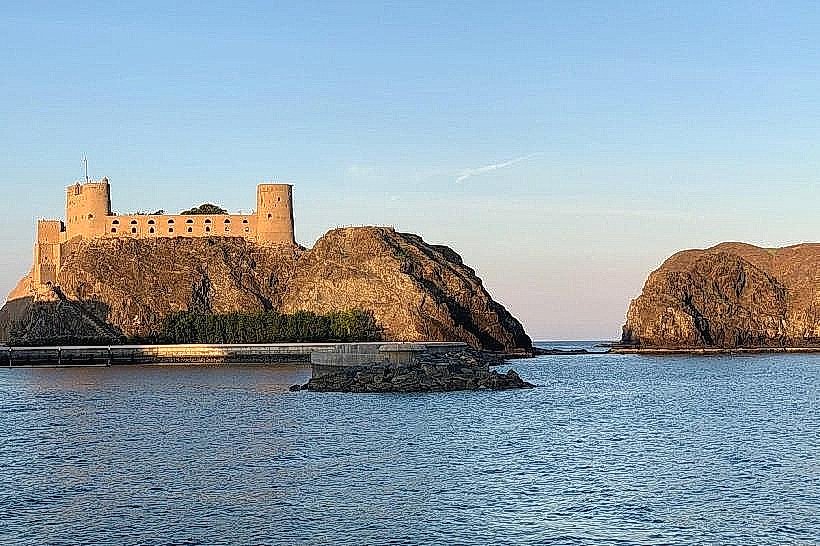
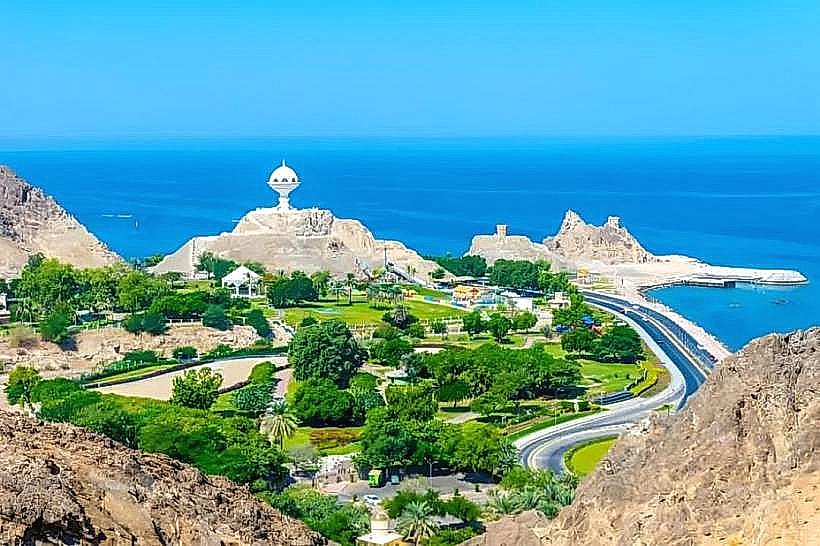
Al Mirani Fort is a 16th-century coastal fortification located on a high rocky ridge at the western end of the Muscat harbor. This military landmark stands as a counterpart to Al Jalali Fort, together forming the historic defensive gateway to the Sultanate's capital.
Visual Characteristics
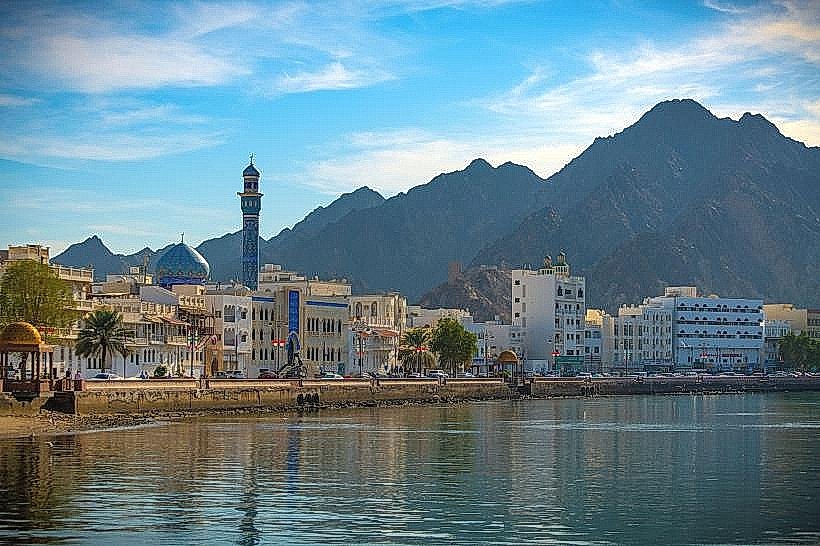
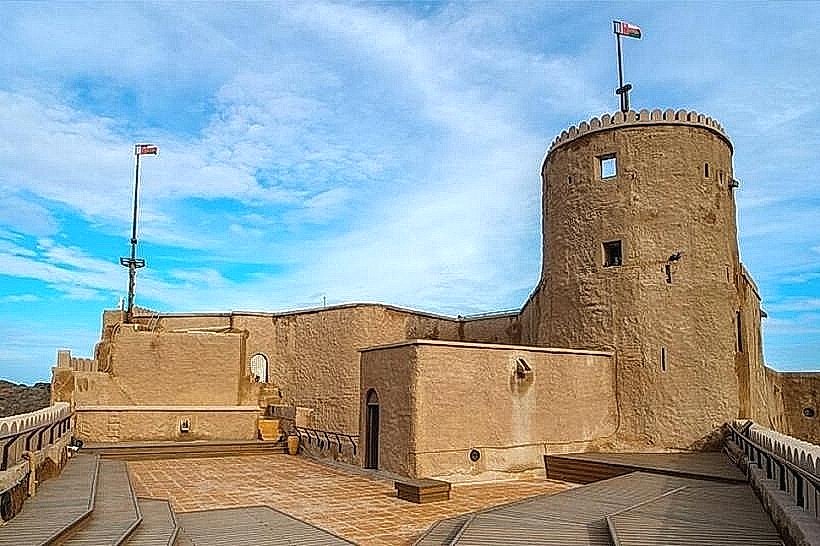
The fort is constructed from local limestone and sun-dried mud bricks, featuring a massive circular tower and high, crenelated perimeter walls. Its architecture is characterized by a series of defensive embrasures, bastions, and a prominent command post that follows the natural contours of the jagged volcanic rock. The structure is painted in a traditional light-tan hue, contrasting with the dark mountain backdrop and the turquoise waters of the Gulf of Oman.
Location & Access Logistics
The site is situated on the western side of the Muscat harbor in Old Muscat, approximately 32km from Muscat International Airport. There is no direct vehicle access to the fort's upper levels; visitors must park in the public lots serving the Al Alam Palace and proceed on foot through the pedestrian administrative district. While the exterior and lower platforms are visible from the harbor road, the interior is restricted to official personnel and is generally not open for public walk-in tours.
Historical & Ecological Origin
The fort was originally built by the Portuguese in 1587 and was known as Forte do Almirante. It was captured by Omani forces in 1650, after which it was significantly expanded and renamed Al Mirani. Geologically, the fort is anchored into a massive outcrop of the Samail Ophiolite, a rare exposure of Earth's oceanic crust that forms the rugged topography of the Muscat coastline.
Key Highlights & Activities
Observing the panoramic views of the harbor and the neighboring palace from the base of the ridge is the primary logistical activity. The approach to the fort allows for detailed photography of the 16th-century masonry and the traditional iron-studded doors. During sunset, the fort serves as a key visual point for the ceremonial lighting of the harbor district.
Infrastructure & Amenities
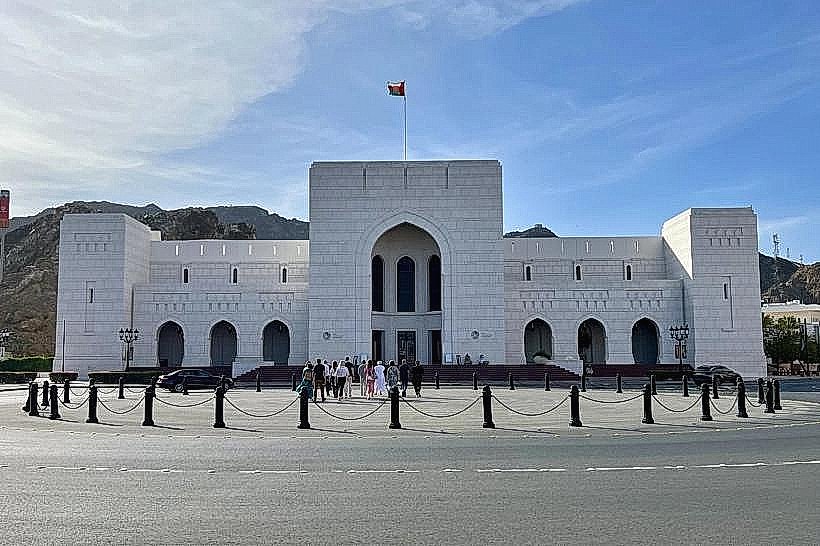
There are no public restrooms, cafes, or shade structures located on the fort's specific outcrop. Public facilities, including accessible toilets and information centers, are situated 500 meters away in the precinct of the National Museum. 5G cellular coverage is excellent throughout the area due to the elevated and open terrain.
Best Time to Visit
The optimal time for photography of the eastern facade is between 07:00 and 09:00 during the morning light. For sunset views of the fort's silhouette against the harbor, the hours between 17:00 and 18:00 provide the best conditions. The exterior pedestrian areas are accessible 24 hours a day, though the site is most comfortable during the winter months from November to March.
Facts & Legends
A historical oddity is that the fort was the first in the region to utilize high-caliber Portuguese cannons, several of which remain on the battlements as decorative historical artifacts. Local accounts suggest that the fall of the fort to Omani forces in 1650 was aided by a strategic blockade of the water supply, a narrative that underscores the logistical importance of the fort's high-altitude position.
Nearby Landmarks
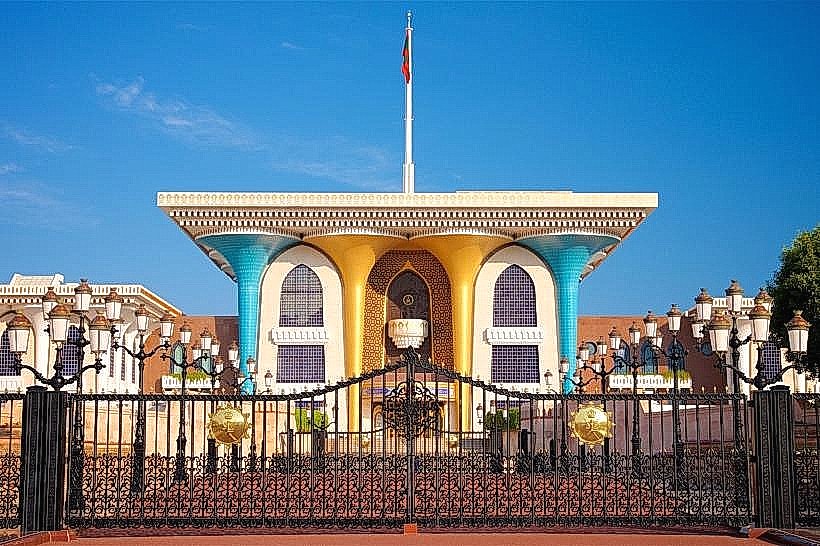
Al Alam Palace – 0.3km Southeast
Al Jalali Fort – 0.9km East
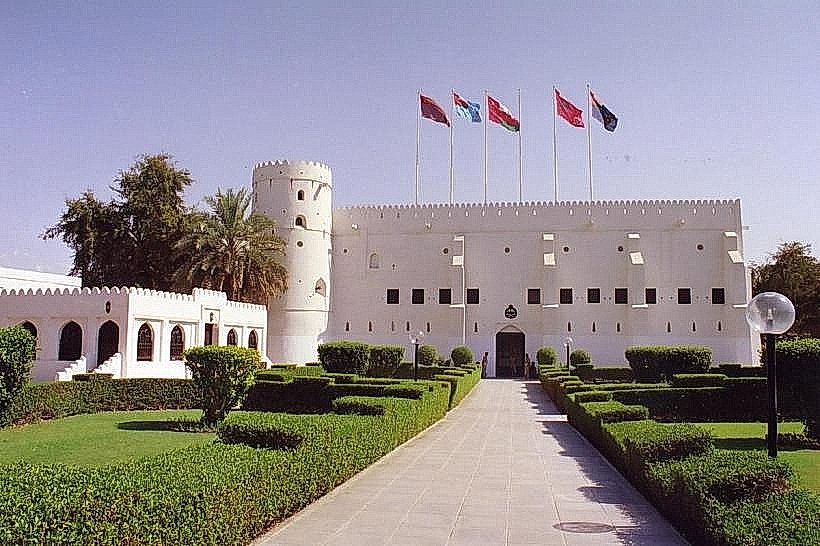
National Museum of Oman – 0.7km South
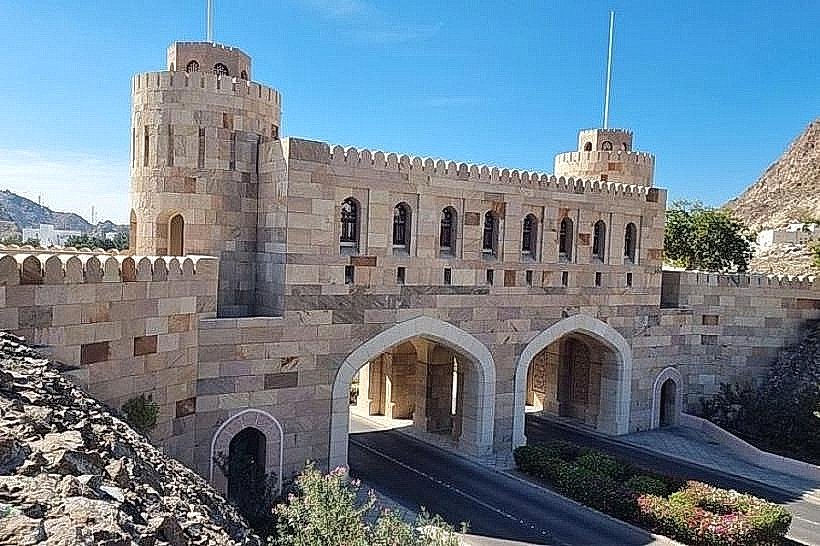
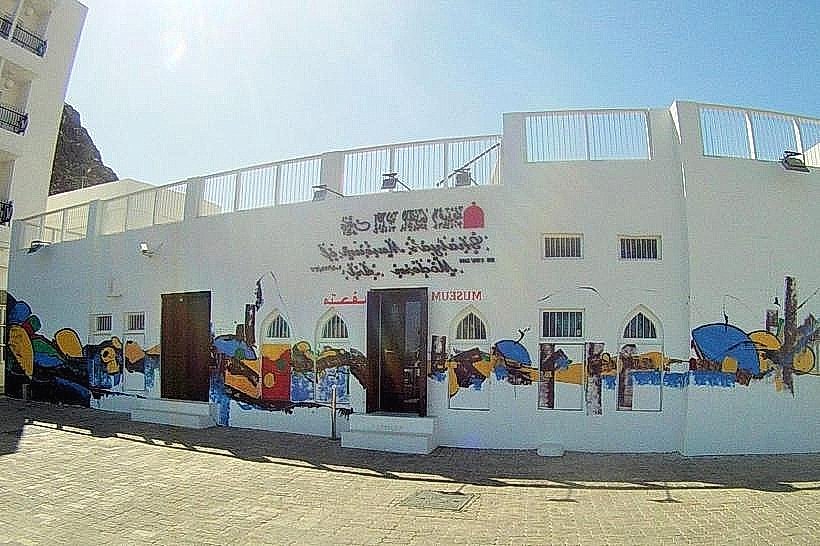
Muscat Gate Museum – 0.8km West