Landmark: Al-Bass Archaeological Site
City: Tyre
Country: Lebanon
Continent: Asia
Al-Bass Archaeological Site, Tyre, Lebanon, Asia
The Al-Bass Archaeological Site is an expansive ancient complex situated at the eastern entrance of the maritime city of Tyre (Sour), Lebanon. The site contains a massive Roman and Byzantine funerary and sports district that forms a primary component of Tyre's UNESCO World Heritage designation.
Visual Characteristics
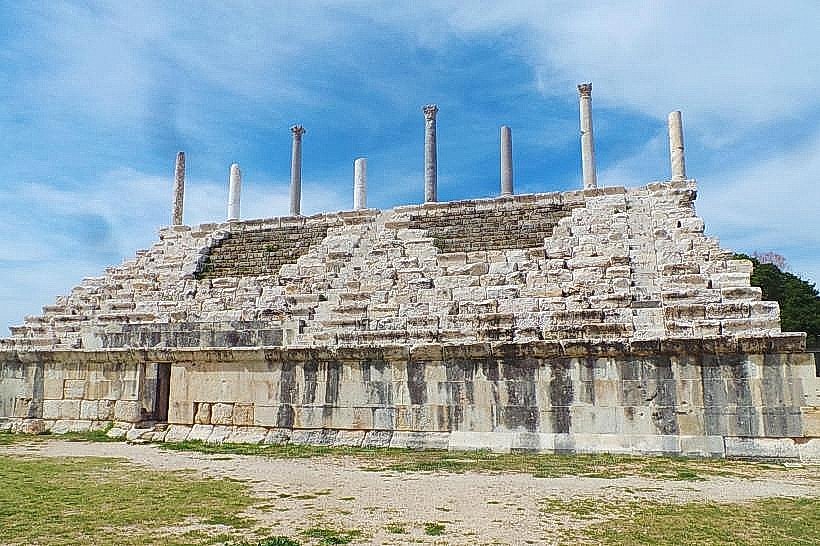
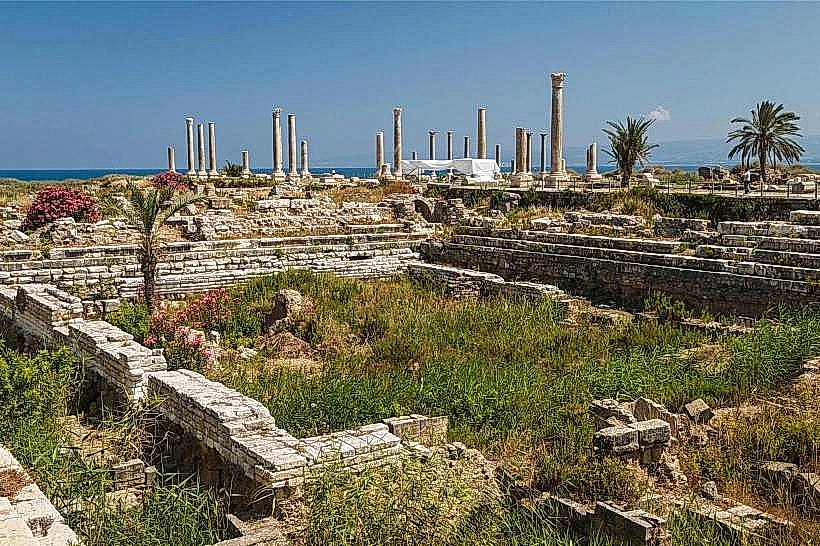
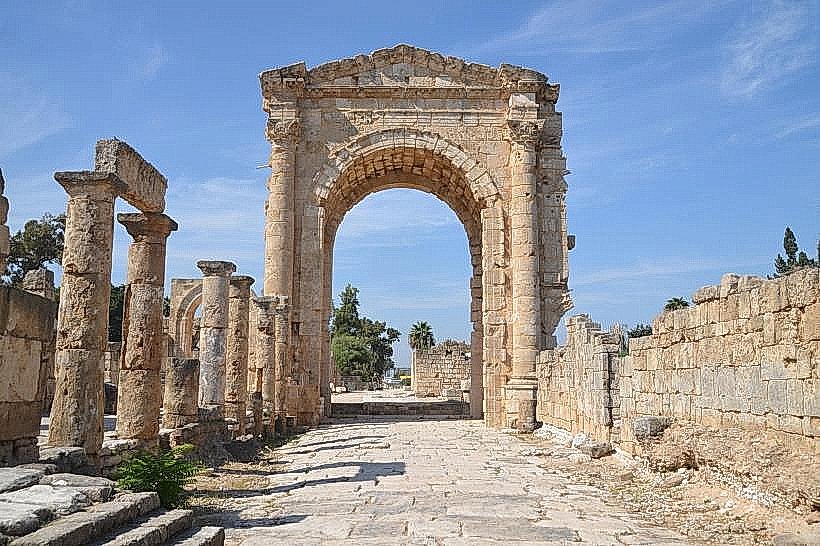
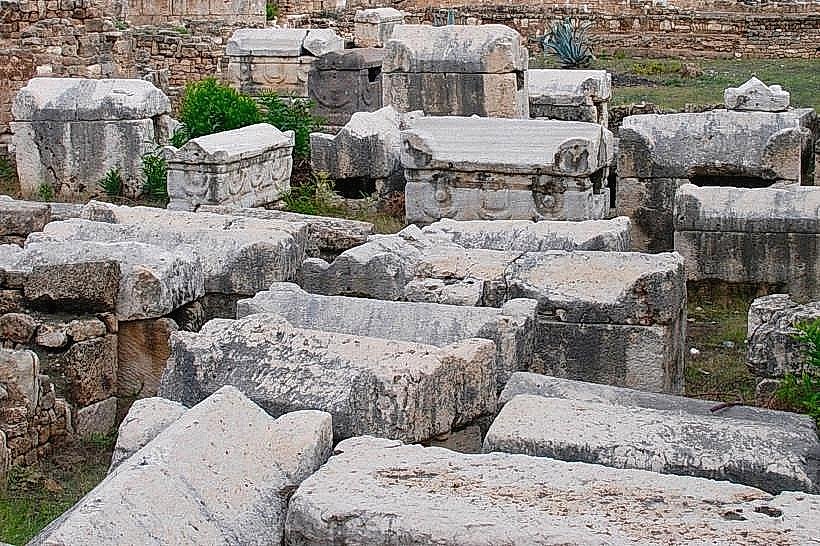
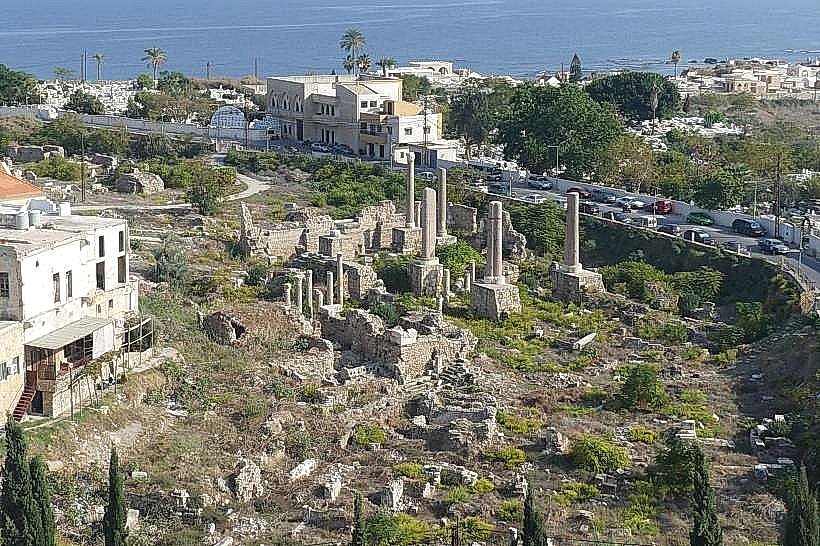
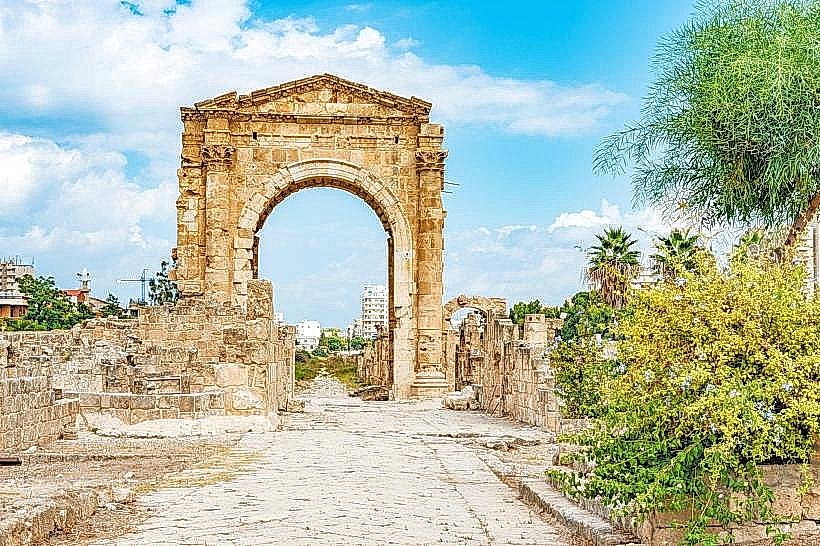
The site is defined by a monumental limestone landscape featuring a well-preserved stone road, structural arches, and hundreds of carved sarcophagi. The primary features are constructed from regional cream-colored limestone and imported Egyptian granite. A grand Roman triumphal arch stands over a paved basalt stone avenue that retains distinct iron-rimmed chariot wheel ruts. The flanking necropolis features a high density of stone tombs, ranging from simple headstones to double-tiered family vaults decorated with detailed relief carvings of mythological motifs and classical Greek inscriptions.
Location & Access Logistics
The park is situated directly off Al-Bass Boulevard at the eastern highway gateway of Tyre, approximately 80 kilometers south of Beirut. Driven vehicles from Beirut follow the South Coastal Highway southbound past Sidon directly to the main Tyre entrance intersection. A managed municipal parking lot is located immediately adjacent to the main ticketing gate and visitor entrance. Public transport operations include regular coastal buses and shared minivans departing from Beirut’s Cola intersection, which drop passengers directly at the Al-Bass terminal located 300 meters from the site entrance.
Historical & Ecological Origin
The complex developed progressively from the 2nd century BC through the 6th century AD, spanning the Roman and Byzantine imperial periods. It was engineered over a flat sandy isthmus that accumulated over centuries against the historic land mole constructed by Alexander the Great during his 332 BC siege of the island city. The site functioned initially as an expansive pagan burial ground before expanding to include a major imperial highway, an aqueduct system, and a monumental sports arena.
Key Highlights & Activities
Walking through the reconstructed three-bay Roman Triumphal Arch that spans the ancient processional avenue.
Examining the diverse architectural styles of the sarcophagi and family tomb complexes within the extensive Necropolis sector.
Tracing the deep, historic wheel grooves cut directly into the dark basalt paving stones of the Roman road.
Inspecting the standing arches of the ancient Roman aqueduct that ran parallel to the main pedestrian avenue.
Infrastructure & Amenities
The archaeological site features a centralized visitor center at the main gate, which includes a ticket booth and public restrooms. The extensive outdoor ruins offer no natural tree canopy or artificial shade structures, necessitating complete sun protection during daytime hours. Mobile cellular connection is stable across the entire archaeological park, with 4G and 5G networks maintained by local carriers Alfa and Touch. Numerous convenience stores, bakeries, and casual dining options operate immediately across the street from the park perimeter along Al-Bass Boulevard.
Best Time to Visit
The ideal months for exploration are April through June and September through November to avoid extreme coastal summer humidity and heavy winter rainstorms. The site operates daily from 8:30 AM until sunset. The optimal time of day for photography is late afternoon, as the setting sun casts warm lateral light through the main triumphal arch and highlights the deep relief carvings on the limestone sarcophagi.
Facts & Legends
A verified historical oddity is that the site preserves clear evidence of shifting religious practices, where early pagan Roman sarcophagi were systematically reused by later Byzantine Christians, who carved small crosses directly over the older, traditional Roman mythological symbols. Local folklore long claimed that the vast necropolis was the final resting place of ancient Phoenician kings who requested burial on the mainland to eternally face the sea-girt island fortress of Tyre.
Nearby Landmarks
Tyre Hippodrome: 0.05km East
Tyre Aqueduct Remnants: 0.15km North
Tyre Al-Mina Archaeological Site: 1.9km West
Tyre Crusader Cathedral Ruins: 2.0km West
Tyre Old Souks: 2.2km Northwest