Landmark: Al-Mina Archaeological Site (Egyptian Port)
City: Tyre
Country: Lebanon
Continent: Asia
Al-Mina Archaeological Site (Egyptian Port), Tyre, Lebanon, Asia
The Al-Mina Archaeological Site, historically known as the Egyptian Port, is an expansive coastal excavation sector situated on the southwestern peninsula of Tyre (Sour), Lebanon. The site preserves multiple superimposed layers of civic, maritime, and residential infrastructure spanning the Phoenician, Roman, Byzantine, and Arab periods.
Visual Characteristics
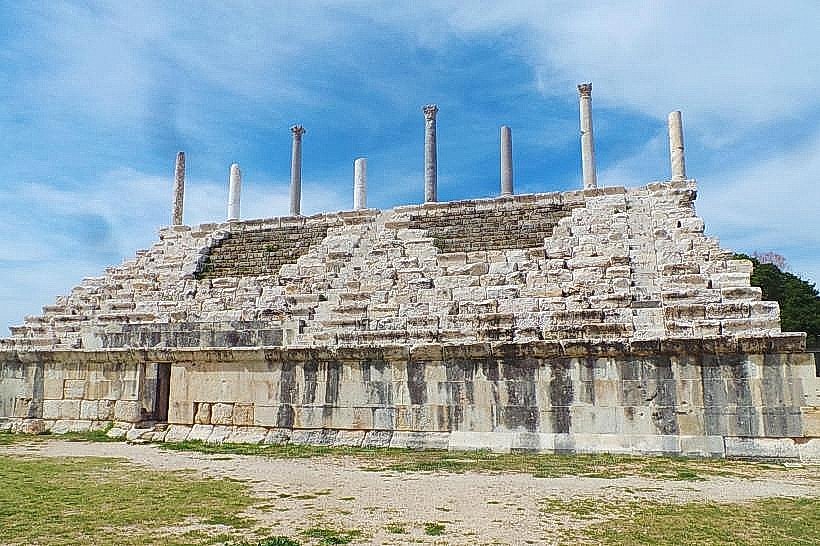
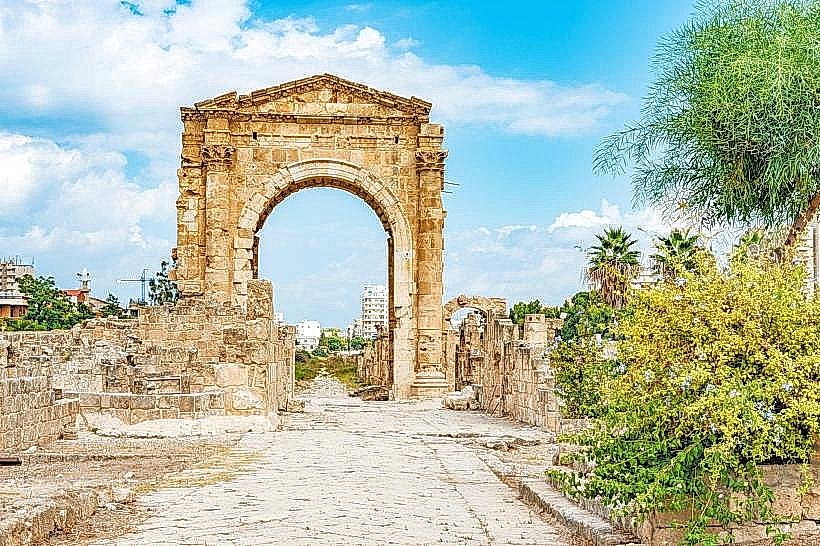
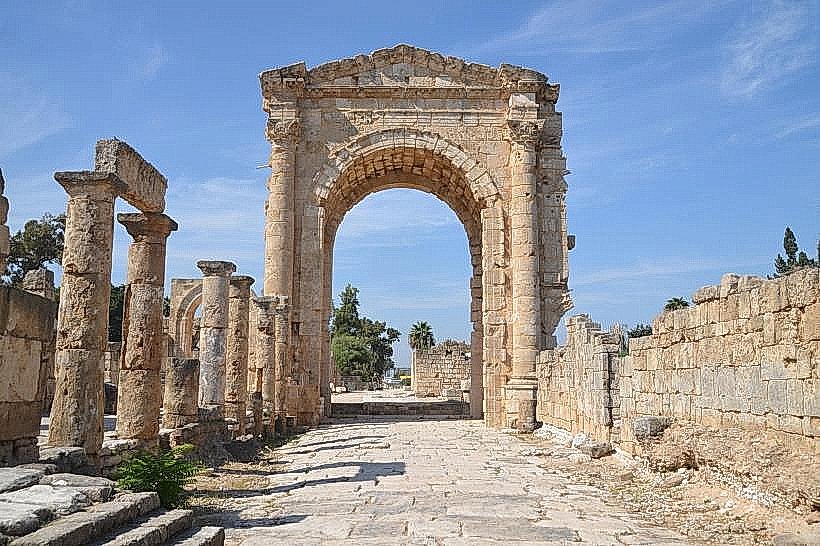
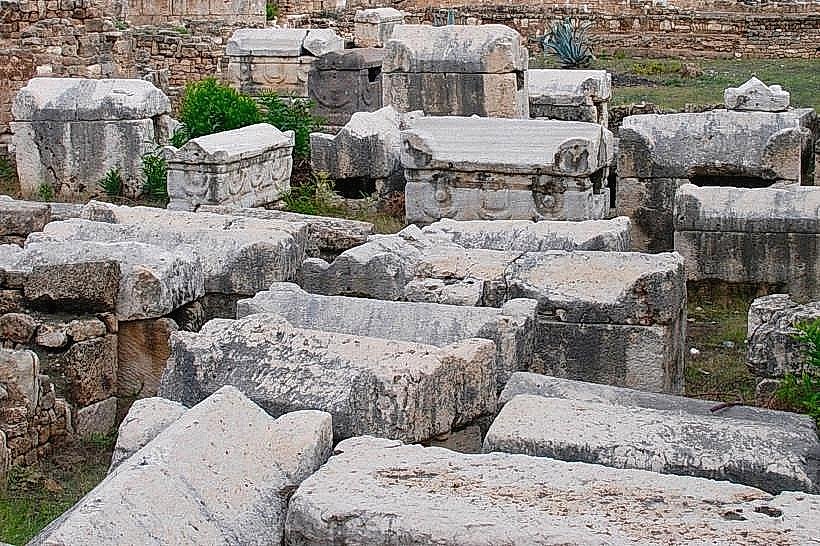
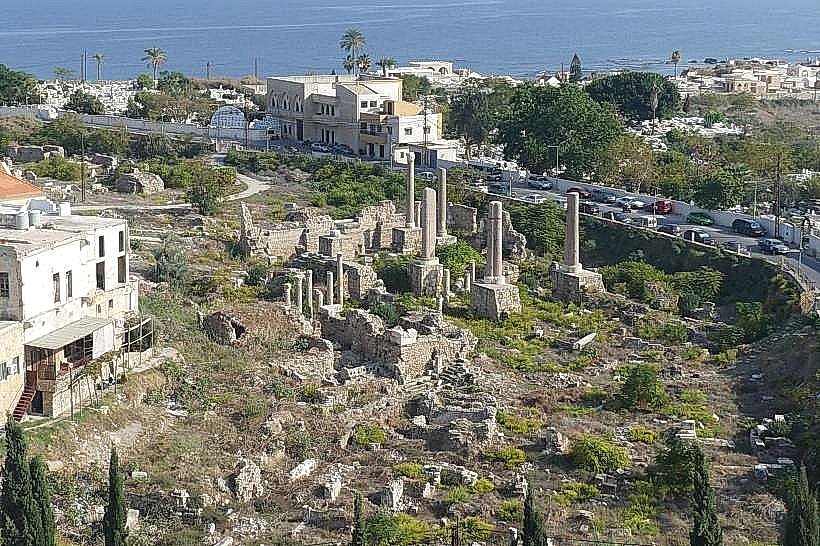
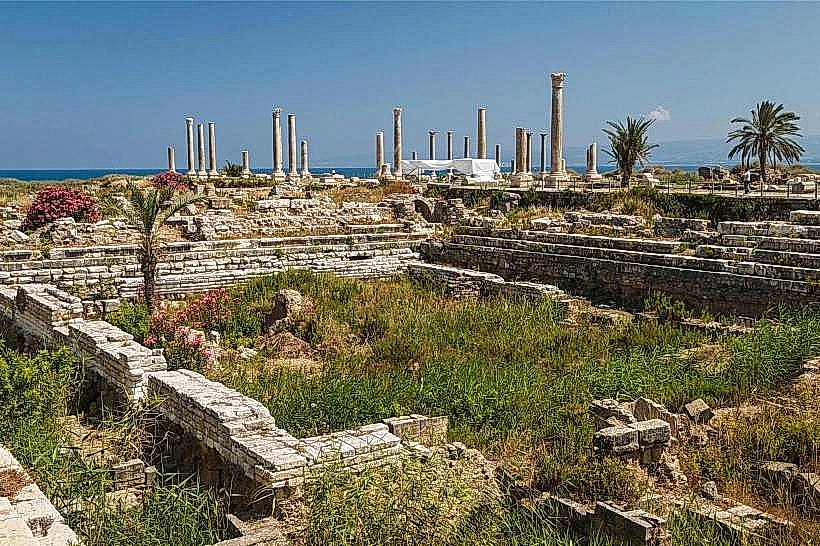
The archaeological area is a sprawling waterfront landscape dominated by a monumental Roman-Byzantine colonnaded avenue paved with white marble slabs. The primary structural remains are constructed from regional cream limestone, grey granite blocks, and green cipollino marble columns imported from Greece. The site features the foundations of a massive rectangular palaestra (sports arena), complex public bath systems with intact hypocaust (underfloor heating) pillars, and a unique rectangular theater structure built entirely from stone blocks. The western boundary of the ruins terminates at a submerged stone reef containing the remains of ancient breakwaters and harbor docks.
Location & Access Logistics
The site is located on Al-Mina Road at the southwestern tip of the Tyre peninsula, approximately 82 kilometers south of Beirut. Access from Beirut is via the South Coastal Highway, continuing past Sidon into the main northern entrance of Tyre before following the coastal boulevard west toward the old port district. Vehicles can park in the municipal parking zones near the maritime harbor or along the adjacent public seaside promenade. Public transportation involves shared minivans or coastal buses from Beirut's Cola intersection to the Tyre Al-Bass terminal, followed by a 2-kilometer walk or a short taxi ride through the old town to the southwestern coastal gate.
Historical & Ecological Origin
The site occupies what was originally the southern harbor of the island city of Tyre, termed the Egyptian Port due to its orientation toward Egypt and its role in Bronze Age trade. Following the construction of Alexander the Great's mole in 332 BC, the island transformed into a peninsula, and the harbor area was progressively reclaimed and built over during the Roman and Byzantine periods. The civic buildings were engineered between the 1st and 6th centuries AD to serve as a major administrative, commercial, and athletic quarter. Geologically, the ruins rest on an uplifted marine limestone shelf exposed to continuous coastal erosion and sea-spray salinity.
Key Highlights & Activities
Walking along the monumental marble-paved avenue to examine the standing rows of imported green marble columns.
Observing the circular rows and architectural layout of the rectangular Roman-Byzantine theater, which was used for assembly and aquatic spectacles.
Inspecting the subterranean heating vents and brick pillars inside the extensive public bath complex.
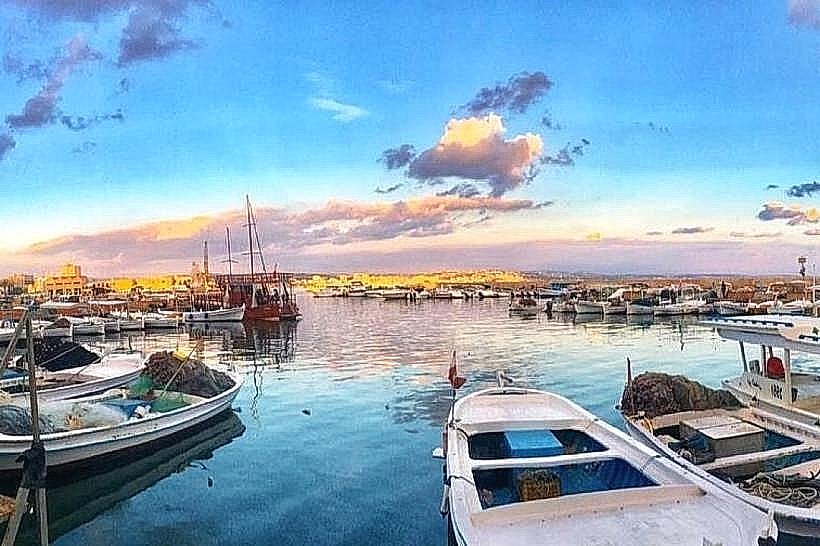
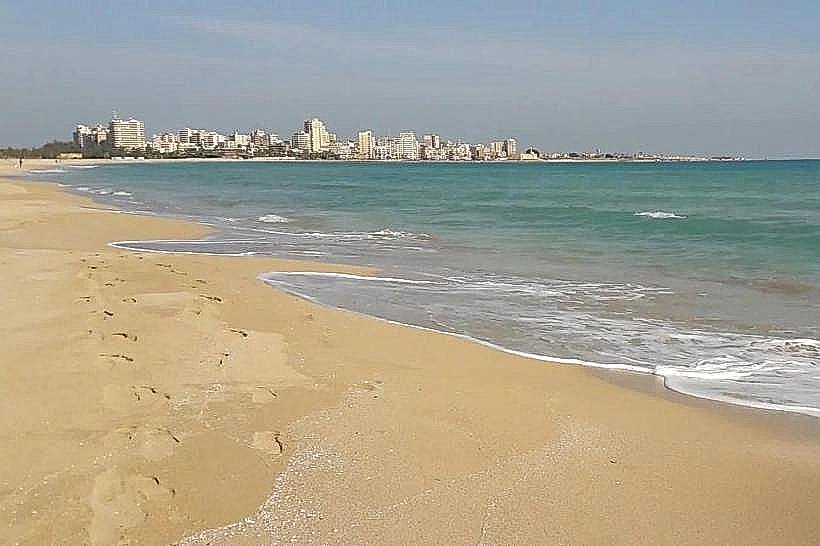
Viewing the submerged structural foundations of the Phoenician jetty and Roman breakwaters visible through the clear shallow waters of the shoreline.
Infrastructure & Amenities
The archaeological park is a managed heritage site equipped with a perimeter enclosure, a ticket booth, and public restrooms near the main entry gate. The coastal ruins are highly exposed with no artificial or natural shade structures, requiring visitors to utilize sun protection. Mobile cellular signal coverage is consistent across the entire peninsula, with stable 4G and 5G connections provided by local networks Alfa and Touch. Numerous seafood restaurants, traditional cafes, and hotels operate immediately outside the site boundaries along the adjacent maritime corniche.
Best Time to Visit
The optimal months for visiting are April through June and September through November to avoid extreme summer coastal humidity and winter maritime windstorms. The site is open daily from 8:30 AM until sunset. The best time of day for photography is late afternoon during the golden hour, when the low sun directly illuminates the marble avenue and the standing columns against the open blue backdrop of the Mediterranean Sea.
Facts & Legends
A verified historical oddity is that the rectangular theater was specially engineered to be flooded with water via connected aqueduct channels, allowing the Romans to stage mock naval battles and aquatic theatrical performances for the public. Local maritime folklore asserts that on clear days, the deeper ruins of the lost Phoenician naval palace can be seen fully intact beneath the sea surface just beyond the visible breakwater, guarded by ancient marine deities to prevent modern salvage operations.
Nearby Landmarks
Tyre Crusader Cathedral Ruins: 0.2km East
Tyre Old Souks: 0.5km Northeast
Tyre Christian Quarter: 0.6km North
Al-Bass Archaeological Site: 1.9km East
Tyre Hippodrome: 2.0km East