Landmark: Tyre Coast Nature Reserve (Sandy Beach)
City: Tyre
Country: Lebanon
Continent: Asia
Tyre Coast Nature Reserve (Sandy Beach), Tyre, Lebanon, Asia
The Tyre Coast Nature Reserve is a protected ecological sanctuary and pristine coastal ecosystem situated directly south of the municipal peninsula of Tyre (Sour), Lebanon. It stands as one of the country's most significant coastal wetlands and contains the longest remaining continuous sandy beach in Lebanon, designated as a Ramsar Wetland of International Importance.
Visual Characteristics
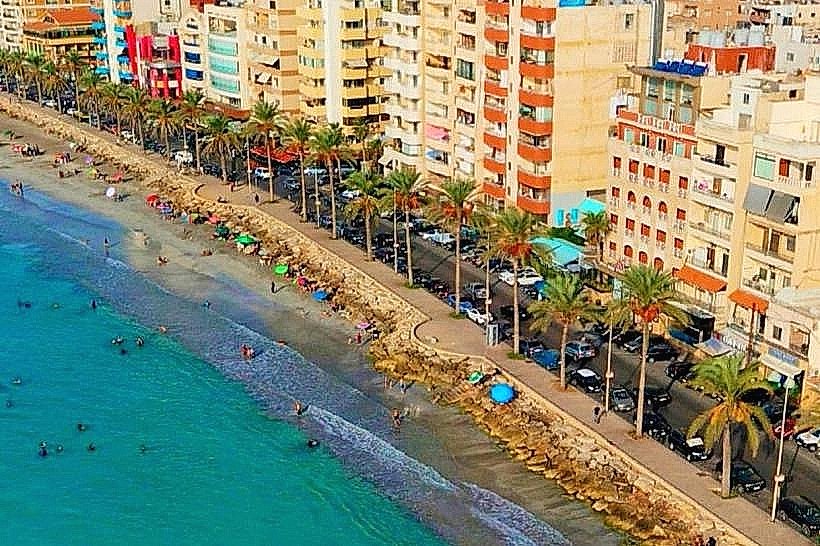
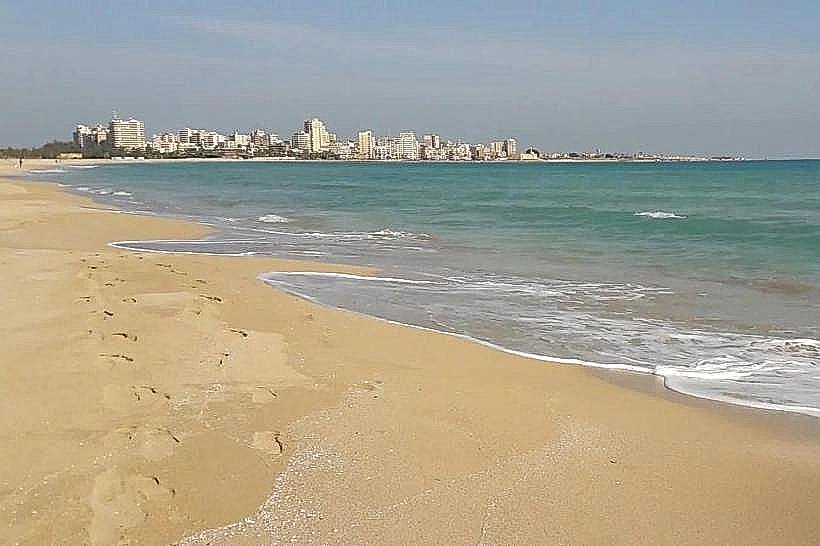
The reserve encompasses a vast, open maritime landscape defined by wide stretches of fine, light-golden sand, rolling sand dunes, and clear turquoise Mediterranean waters. The terrestrial sector transitions from active beach zones to stabilized sand dunes covered in rare halophytic (salt-tolerant) vegetation and coastal grasses. Inland, the reserve features extensive freshwater artesian springs that feed dense reed beds, agricultural plots, and marshlands, creating a distinct visual contrast between the arid sandy shoreline and lush, green wetland basins.
Location & Access Logistics
The nature reserve is located along the southern coast of Tyre, approximately 83 kilometers south of Beirut. Access from Beirut follows the South Coastal Highway southbound past Sidon, turning toward the main southern entrance of Tyre. Visitors can drive directly to the public beach sector via the southern corniche road, where a designated dirt and gravel parking area is situated adjacent to the reserve's main ecological entry checkpoint. Public transport minivans departing from Beirut's Cola intersection terminate at the central Tyre Al-Bass station, requiring a 10-minute taxi ride or a short municipal bus connection to reach the southern reserve gates.
Historical & Ecological Origin
Established by national law in 1998, the reserve covers over 380 hectares and is split into three distinct zones: the tourism zone (sandy beach for public recreation), the agricultural/archaeological zone, and the conservation zone (restricted scientific wetland). Geologically, the expansive sand accumulation is a result of longshore currents transporting Nile River sediments northward along the Levantine coast. Historically, the area's fresh artesian springs-most notably Ras al-Ain-were tapped by the ancient Phoenicians and Romans, who constructed extensive aqueduct networks to channel water directly into the old island city of Tyre.
Key Highlights & Activities
Swimming and walking along the broad, undeveloped 3.5-kilometer public sandy shoreline.
Observing nesting loggerhead (Caretta caretta) and endangered green sea turtles (Chelonia mydas) during the summer hatching season under ranger supervision.
Birdwatching within the northern marshland and reed zones, which serve as a critical stopover for over 200 species of migratory waterfowl.
Exploring the coastal sand dune trails to view unique endemic flora, such as the white sea lily (Pancratium maritimum).
Infrastructure & Amenities
The tourism sector of the reserve features seasonal municipal infrastructure designed to minimize ecological impact. During the summer months, regulated wooden eco-kiosks and eco-friendly tents operate along the public perimeter, providing shaded seating, local seafood, and refreshments. Basic public restrooms and outdoor rinse showers are available near the main beach access paths. The vast open shoreline offers zero natural shade, requiring visitors to bring umbrellas or rent them from the seasonal kiosks. Cellular network coverage is fully operational across the entire reserve area, with stable 4G and 5G signals maintained by carriers Alfa and Touch.
Best Time to Visit
The ideal months for a beach visit and swimming are from May through October, while the optimal period for birdwatching and trail hiking is during the spring migratory window from March to May. The reserve is open daily from sunrise to sunset. For photography, late afternoon offers optimal conditions as the sun sets directly over the open western sea horizon, casting lateral golden light across the undulating sand dunes and reflective tide pools.
Facts & Legends
A verified ecological oddity is that the reserve contains a thriving population of the Caspian terrapin (Mauremys caspica), a freshwater turtle species that coexists in the coastal springs just meters away from the marine habitats of the giant sea turtles. Local maritime folklore long maintained that the underwater artesian springs rising within the salt water just off the beach were linked to a vast, mystical subterranean river originating directly from the snowmelt of Mount Hermon, carrying blessed water across the mountains to keep the sands of Tyre pure.
Nearby Landmarks
Al-Mina Archaeological Site: 1.5km Northwest
Tyre Crusader Cathedral Ruins: 1.6km Northwest
Tyre Old Souks: 1.8km Northwest
Al-Bass Archaeological Site: 2.2km Northeast
Tyre Hippodrome: 2.3km Northeast