Landmark: Tyre Necropolis
City: Tyre
Country: Lebanon
Continent: Asia
Tyre Necropolis, Tyre, Lebanon, Asia
The Tyre Necropolis is an extensive ancient cemetery complex situated directly along the main processional avenue within the Al-Bass Archaeological Site in Tyre (Sour), Lebanon. It stands as one of the largest and most dense Roman and Byzantine funerary districts discovered in the eastern Mediterranean, forming a key component of Tyre's UNESCO World Heritage status.
Visual Characteristics
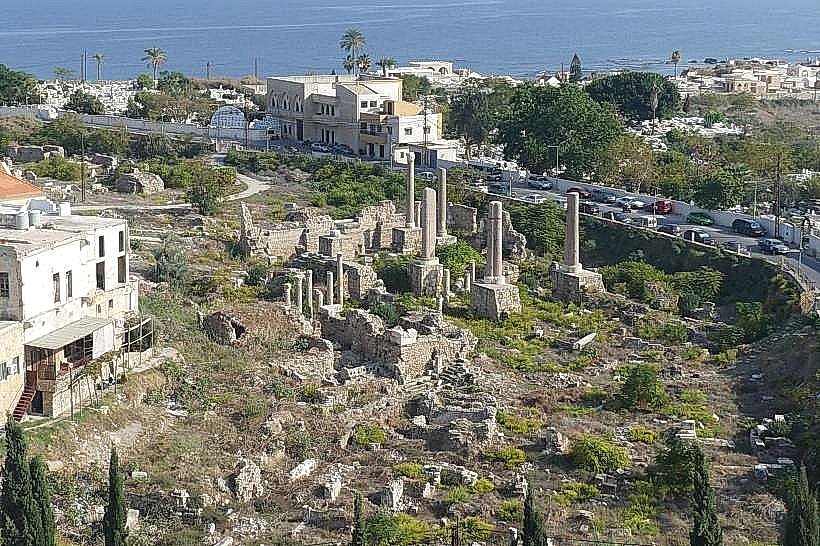
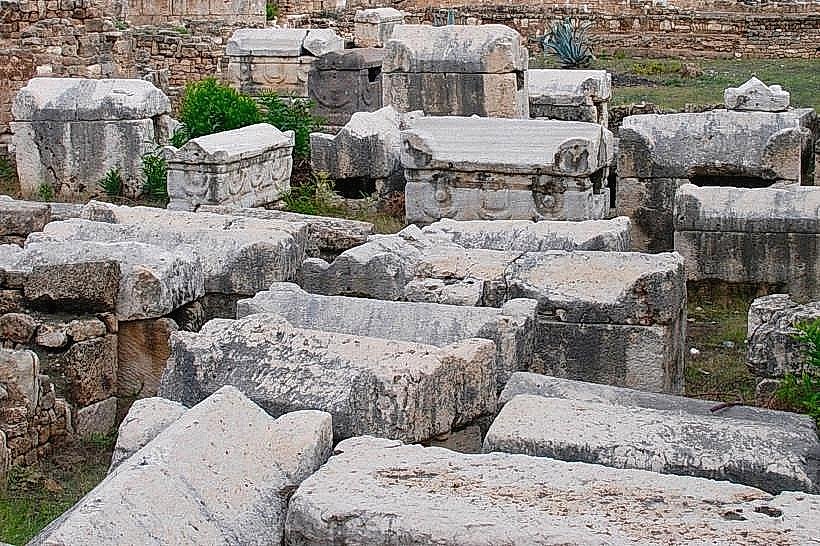
The necropolis features hundreds of freestanding stone sarcophagi, built family tombs, and monumental collective vaults constructed from regional cream-colored limestone. The tombs are densely arranged in rows on both sides of a wide, ancient paved road. Many sarcophagi are highly ornate, displaying detailed deep-relief carvings of classical garlands, historical inscriptions in Greek and Latin, and mythological figures like Medusa heads and cupids. The Byzantine sectors contain complex vaulted structures with plastered interior walls and brick-lined funerary niches (loculi), all set within an open landscape of sand, wild grasses, and low Mediterranean shrubs.
Location & Access Logistics
The funerary complex is located within the Al-Bass Archaeological Site off Al-Bass Boulevard, at the eastern terrestrial entrance of the city of Tyre, approximately 80 kilometers south of Beirut. Access from Beirut is via the southbound South Coastal Highway past Sidon, exiting directly onto the main entrance road to Tyre. A paved municipal parking area is located adjacent to the primary site ticket booth and visitor entrance. Public transport minivans and buses departing from Beirut’s Cola intersection arrive at the Tyre Al-Bass terminal, located less than a 5-minute walk from the gateway to the necropolis.
Historical & Ecological Origin
The cemetery developed progressively over several centuries, functioning from the late Hellenistic and early Roman imperial periods (2nd century AD) through the late Byzantine era (6th century AD). It was engineered along the main land-based approach to the city, flanking the imperial highway built over the flat sandy isthmus that accumulated against Alexander the Great’s 332 BC military mole. The high concentration of tombs reflects the historical practice of burying the dead outside the urban island fortifications, with individual plots purchased by wealthy trading families, military officers, and civic officials.
Key Highlights & Activities
Examining the diverse architectural styles of the tombs, ranging from monolithic pagan Roman stone chests to complex, multi-room Byzantine family vaults.
Reading the preserved funerary inscriptions and epitaphs carved into the stone faces, detailing the professions and origins of the deceased.
Identifying the transitions in religious iconography, specifically where early Roman mythological reliefs were systematically replaced by Byzantine Christian crosses.
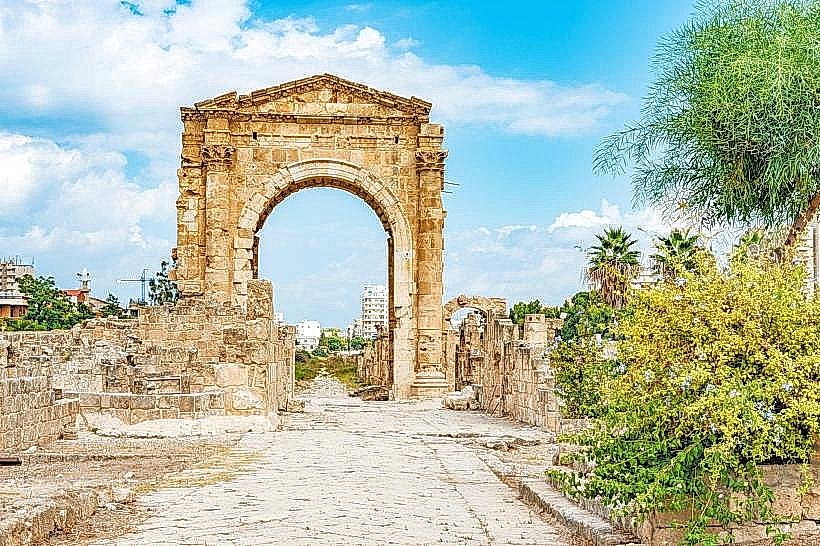
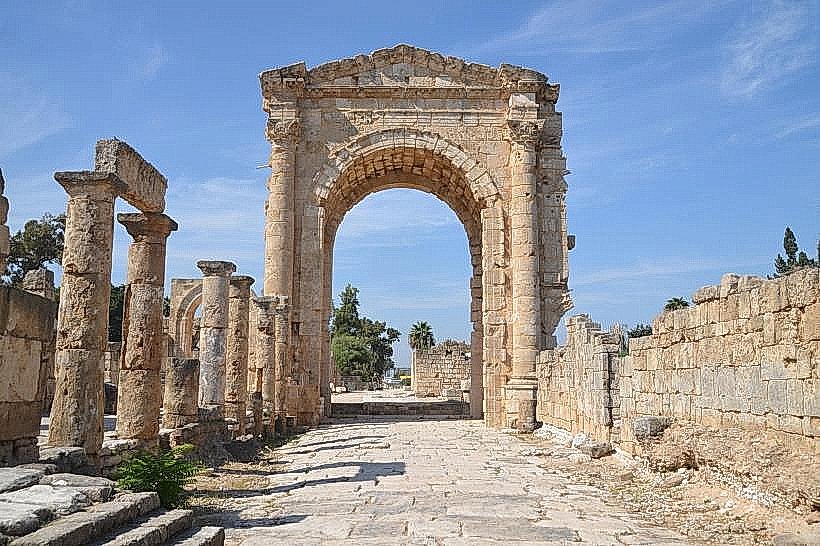
Walking along the ancient paved avenue to view how the rows of sarcophagi physically interface with the adjacent Triumphal Arch and aqueduct line.
Infrastructure & Amenities
The necropolis is situated inside a protected, managed archaeological park. The main entrance features a visitor center equipped with a ticketing box and public restrooms. The outdoor cemetery terrain is completely open and lacks artificial or natural shade structures, requiring visitors to prepare for direct sun exposure. Cellular reception is stable across the entire funerary zone, with consistent 4G and 5G network coverage maintained by regional carriers Alfa and Touch. Food, bottled water, and local retail shops operate immediately outside the park perimeter on Al-Bass Boulevard.
Best Time to Visit
The optimal months for visiting are April through June and September through November to avoid extreme coastal summer humidity and heavy winter rainstorms. The archaeological park is open to the public daily from 8:30 AM until sunset. The best time of day for photography is late afternoon during the golden hour, when the low-angled sun casts long shadows through the tomb stones, highlighting the shallow relief carvings and inscriptions on the weathered limestone surfaces.
Facts & Legends
A verified historical oddity is that many of the sarcophagi show physical evidence of ancient grave robbery, featuring precise rectangular holes smashed into their sides where medieval or Ottoman-era tomb raiders breached the thick limestone lids to extract gold jewelry and valuable funerary goods. Local folklore long held that the necropolis was a cursed city of stone giants who were turned to rock by divine intervention as punishment for their vanity, a myth generated by the monumental scale of the limestone chest lids.
Nearby Landmarks
Triumphal Arch: 0.05km West
Tyre Hippodrome: 0.1km East
Tyre Aqueduct Remnants: 0.2km North
Tyre Al-Mina Archaeological Site: 1.9km West
Tyre Crusader Cathedral Ruins: 2.0km West