Landmark: Crusader Cathedral Ruins
City: Tyre
Country: Lebanon
Continent: Asia
Crusader Cathedral Ruins, Tyre, Lebanon, Asia
The Crusader Cathedral Ruins, historically the Cathedral of Saint Mark, are the foundational remnants of a monumental medieval basilica situated in the southwestern sector of the Tyre peninsula, Lebanon. The site stands as a primary architectural monument representing the ecclesiastical authority of the Kingdom of Jerusalem during the Crusader Crusades.
Visual Characteristics
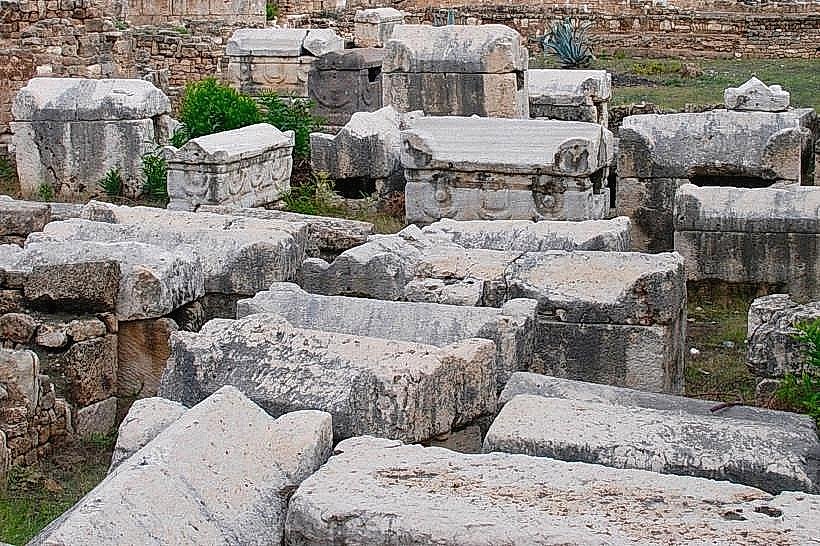
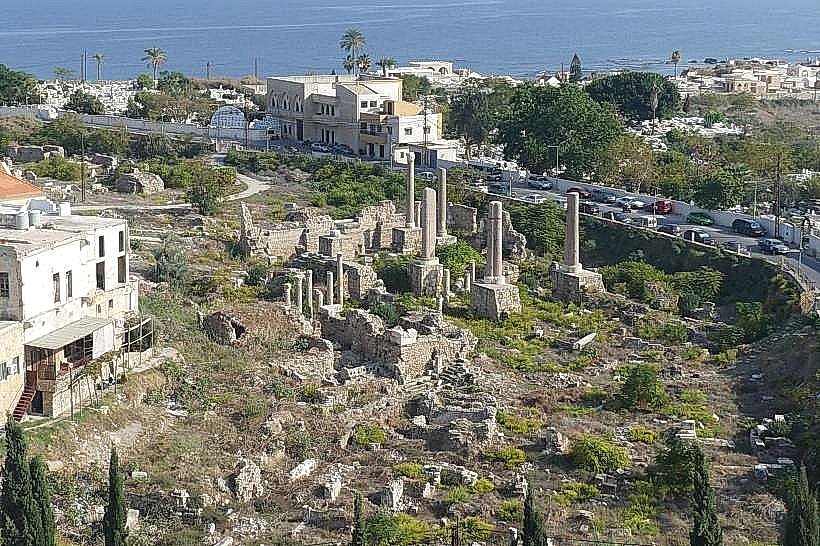
The ruins consist of a massive ground-level footprint defining a classic three-apsed Romanesque basilica layout. The structural remains are constructed from regional marine sandstone blocks and repurposed ancient Roman building materials. The most prominent visual elements are several monumental double-column shafts of polished red Egyptian granite, which originally supported the heavy stone vaulting of the transept intersection and now lie flat across the grass and stone foundations. The remaining walls are low, showing only the lower courses of ashlar masonry, the semi-circular foundations of the eastern apses, and sections of the stone-paved nave floor.
Location & Access Logistics
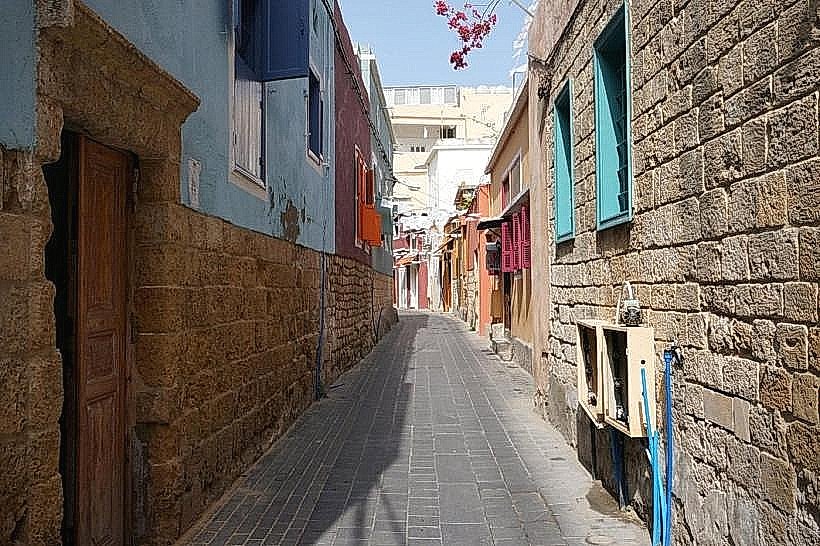
The site is located on a quiet residential alley off Al-Mina Road in the southwestern quarter of the Tyre peninsula, approximately 82 kilometers south of Beirut. Access from Beirut is via the South Coastal Highway, leading directly into the primary northern entry boulevard of Tyre, before turning west toward the maritime port. Visitors must park along the adjacent public seaside promenade or within the municipal parking bays near the harbor, as the immediate streets surrounding the ruins are narrow and restricted to local residential traffic. Public transportation shared minivans from Beirut's Cola intersection terminate at the Tyre Al-Bass station, requiring a 2-kilometer taxi ride or a 20-minute walk through the old town to reach the gated entrance.
Historical & Ecological Origin
The cathedral was constructed between 1127 and 1135 AD, following the capture of Tyre by the Crusader forces in 1124 AD. It was engineered over the remains of an earlier, monumental Byzantine basilica, which itself likely occupied the site of a pagan Roman temple. The cathedral served as the seat of the Latin Archbishop of Tyre and was the traditional site for the coronation of the Kings of Jerusalem. The building was completely destroyed in 1291 AD by the Mamluks following their capture of the city to ensure the fortification could not be reoccupied by European forces. Geologically, the ruins sit on a low, flat limestone shelf exposed to sea-spray salinity and coastal weather systems.
Key Highlights & Activities
Tracing the expansive architectural footprint of the three-apsed Romanesque nave and transept foundations.
Examining the massive red Egyptian granite double-columns salvaged from Roman monuments and reused by Crusader architects.
Identifying the remaining fragments of medieval masonry joints and stonemason marks carved into the foundation stones.
Viewing the architectural alignment of the cathedral relative to the adjacent Al-Mina Archaeological Site and the western coastline.
Infrastructure & Amenities
The cathedral ruins function as a secured archaeological enclosure managed by the Directorate General of Antiquities. Entry is regulated, though the site lacks a dedicated modern visitor center or public restrooms; visitors must access facilities in the nearby old port district or commercial establishments. The outdoor ruins are highly exposed and offer zero artificial or natural shade structures, requiring complete sun protection. Mobile cellular coverage is stable, with consistent 4G and 5G connections provided by networks Alfa and Touch. Numerous seafood restaurants, traditional cafes, and hotels operate within 300 meters along the coastal corniche.
Best Time to Visit
The recommended months for a visit are April through June and September through November to avoid extreme coastal summer humidity and heavy winter maritime gales. The site is accessible daily during daylight hours. The optimal time of day for photography is late afternoon, as the setting sun projects warm lateral illumination across the horizontal granite columns and highlights the geometry of the eastern apses against the background of the old town architecture.
Facts & Legends
A verified historical oddity is that historical texts record the cathedral as the final resting place of the Holy Roman Emperor Frederick I (Frederick Barbarossa), who drowned in 1190 AD during the Third Crusade; his flesh was buried in Antioch, but his bones were interred beneath the high altar of this cathedral, though modern archaeological excavations have never successfully located the imperial vault. Local folklore asserts that a deep subterranean network of escape tunnels connects the crypt beneath the altar directly to the old harbor docks, allowing high-ranking clergy to secretly smuggle religious relics out of the city during the final Mamluk siege.
Nearby Landmarks
Al-Mina Archaeological Site: 0.2km West
Tyre Old Souks: 0.45km Northeast
Tyre Christian Quarter: 0.5km North
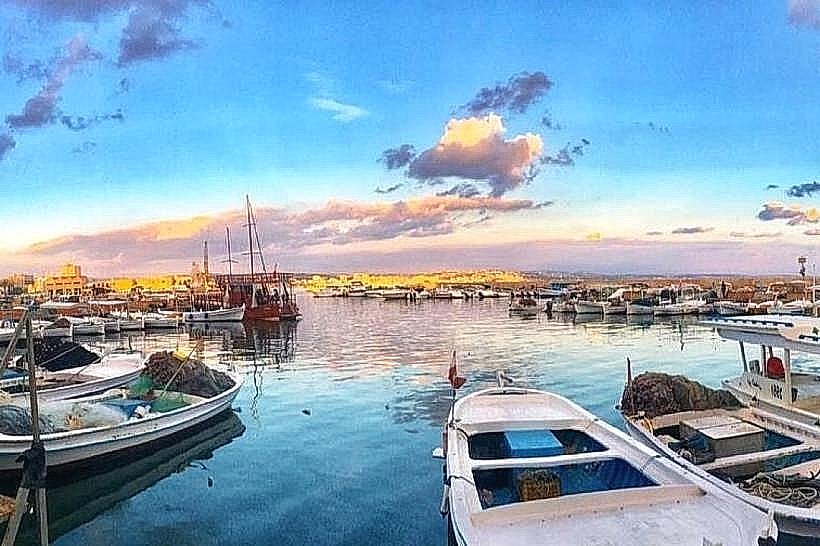
Old Harbor: 0.6km Northeast
Al-Bass Archaeological Site: 2.0km East