Landmark: Christian Quarter
City: Tyre
Country: Lebanon
Continent: Asia
Christian Quarter, Tyre, Lebanon, Asia
The Christian Quarter (Harat al-Masihiyyin) is a historic residential neighborhood situated along the northwestern perimeter of the maritime peninsula of Tyre (Sour), Lebanon. It stands as a well-preserved urban enclave characterized by its traditional Mediterranean architecture, active religious landmarks, and continuous community life.
Visual Characteristics
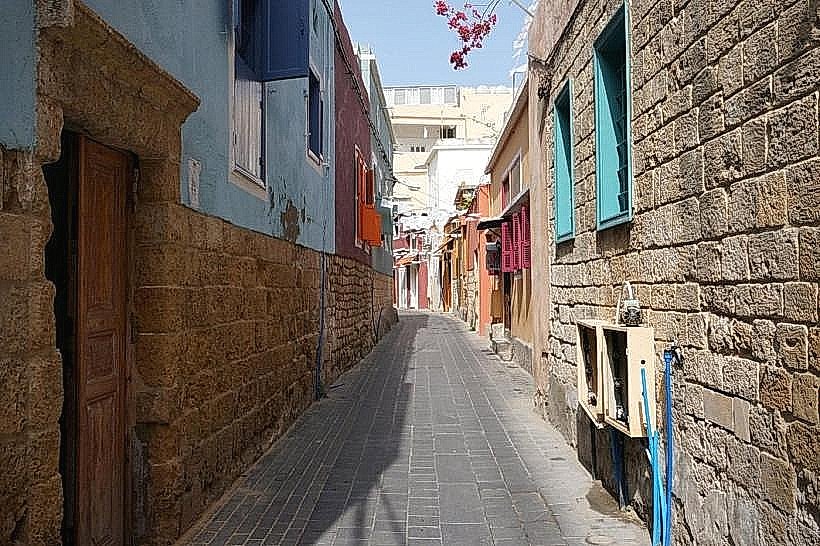
The quarter is defined by a dense network of narrow, winding pedestrian alleys lined with low-rise stone houses. The lower structural courses feature weathered marine sandstone blocks, while the upper stories are frequently finished with brightly colored pastel stuccos, painted wooden shutters, and decorative iron balconies. Vines, bougainvillea, and potted plants line the narrow corridors. The neighborhood is anchored by several historic churches showcasing stone steeples, decorative crosses, and neoclassical facades that rise above the flat-roofed residential grid.
Location & Access Logistics
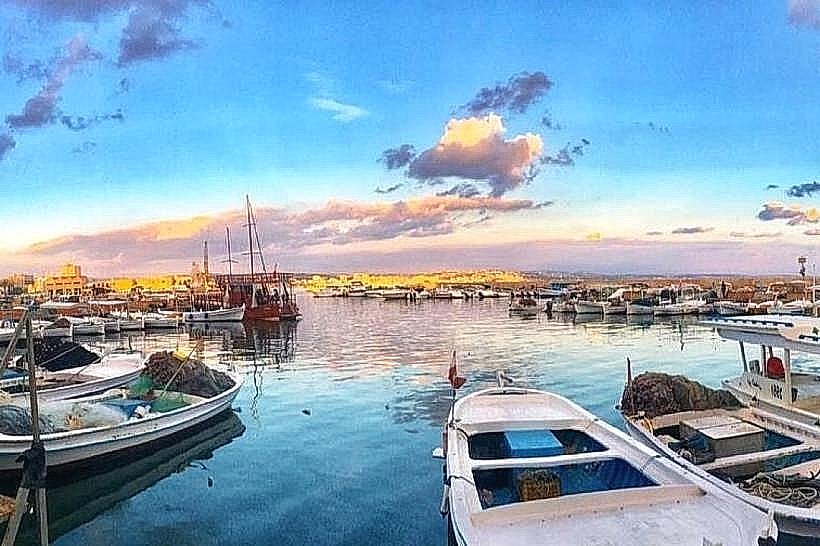
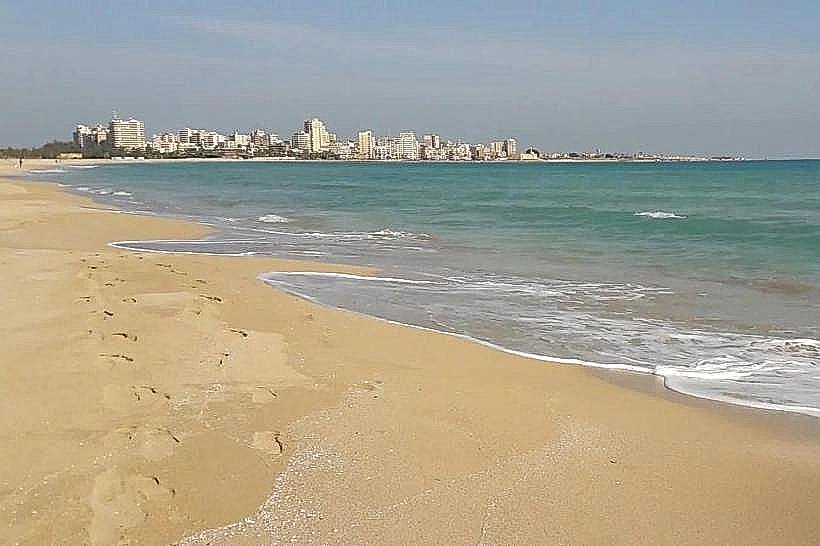
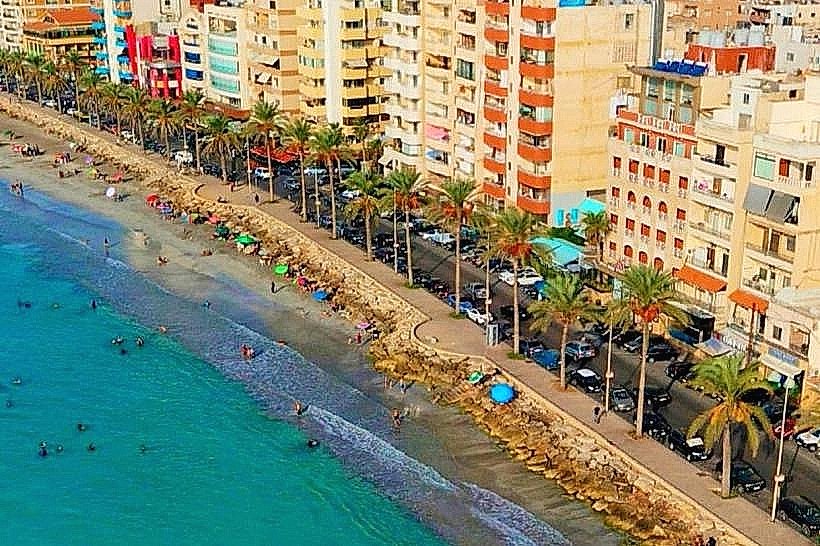
The neighborhood occupies the northwestern tip of the Tyre peninsula, bordered by the Old Harbor to the east and the open Mediterranean sea corniche to the north and west, approximately 81 kilometers south of Beirut. Driven vehicles from Beirut follow the South Coastal Highway directly to the main northern entry boulevard of Tyre. Motorized vehicles are physically restricted from entering the inner residential network due to the narrowness of the alleys; visitors must park in the municipal parking zones near the fishing port or along the outer northern seaside corniche. From the harbor, the quarter is accessed immediately on foot. Public transit minivans drop passengers at the central Tyre Al-Bass station, requiring a 2-kilometer taxi connection or a 20-minute walk through the old town.
Historical & Ecological Origin
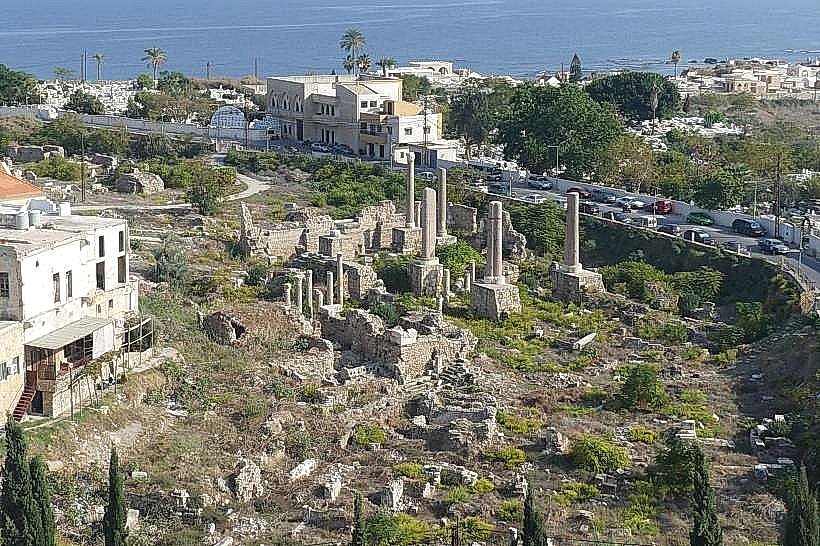
The contemporary structural layout of the Christian Quarter took shape primarily during the late Ottoman period in the 18th and 19th centuries, built over successive layers of Phoenician, Roman, Byzantine, and Crusader urban foundations. The community expanded significantly under the administrative autonomy granted during the rule of Emir Fakhreddine II and later Ottoman governors, who encouraged maritime merchant families to settle near the port. Geologically, the quarter sits on the stable rock core of the original island of Tyre, which resisted the sea erosion that submerged other sectors of the ancient Phoenician maritime fortifications.
Key Highlights & Activities
Walking through the narrow, pedestrian-only alleys to observe the vernacular architecture, historic stone arches, and street-level shrines.
Visiting the Maronite Cathedral of Our Lady of the Seas, a historic seafaring church overlooking the open western coastline.
Exploring the Melkite Greek Catholic Cathedral of Saint Thomas, noting its neoclassical architectural proportions and interior iconostasis.
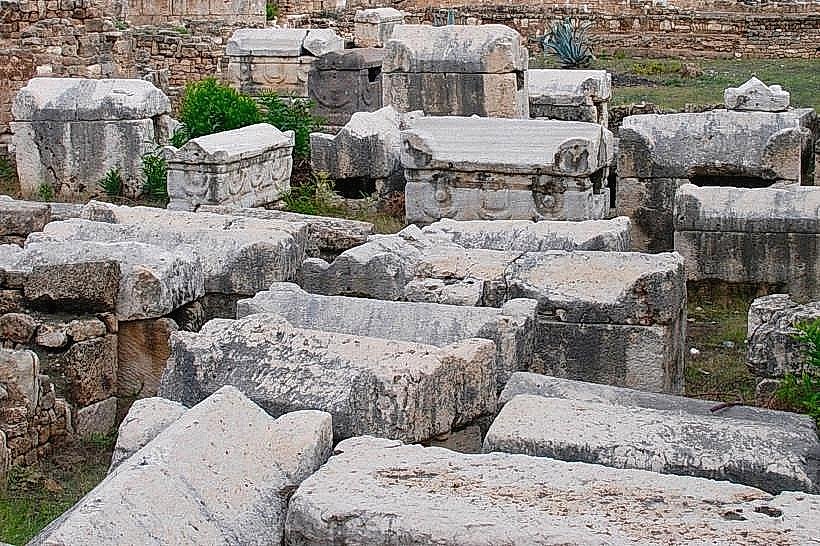
Documenting the physical integration of ancient Roman granite column fragments and carved spolia directly into the foundations of 19th-century residential homes.
Infrastructure & Amenities
The Christian Quarter is a fully functional municipal residential zone. Public restrooms are available inside major local restaurants and adjacent religious centers. The narrow design of the alleyways and the proximity of the tall stone buildings provide extensive natural shade throughout the morning and afternoon. Cellular network signal coverage is stable, with consistent 4G and 5G connectivity delivered by carriers Alfa and Touch. The perimeter of the quarter, particularly along the northern corniche and the Old Harbor quay, contains an array of boutique hotels, seafood restaurants, traditional cafes, and convenience shops.
Best Time to Visit
The ideal months to visit are from April through June and September through November to avoid extreme coastal summer humidity and intense winter sea gales that can spray water into the coastal streets. The residential area is accessible at all hours, though respectful quiet is expected during early morning and late evening. The optimal time of day for photography is late afternoon during the golden hour, when the low-angle sun illuminates the colored house facades and casts long shadows through the narrow stone corridors.
Facts & Legends
A verified historical oddity is that several residential properties within the quarter possess private internal water wells that tap into the same freshwater aquifer system used by the ancient Phoenicians, allowing these homes to maintain an independent water supply directly through the saltwater-surrounded bedrock. Local folklore asserts that the hidden foundations of the neighborhood houses conceal a forgotten network of secret defensive walls and escape portals built by the Crusaders to allow low-profile retreats directly to waiting ships in the northern harbor during emergency military withdrawals.
Nearby Landmarks
Old Harbor: 0.1km East
Tyre Old Souks: 0.35km Southeast
Tyre Crusader Cathedral Ruins: 0.5km South
Al-Mina Archaeological Site: 0.6km Southwest
Al-Bass Archaeological Site: 2.1km Southeast