Landmark: Tyre Hippodrome
City: Tyre
Country: Lebanon
Continent: Asia
Tyre Hippodrome, Tyre, Lebanon, Asia
The Tyre Hippodrome is an ancient Roman arena situated within the Al-Bass Archaeological Site in Tyre (Sour), Lebanon. It stands as one of the largest and best-preserved Roman hippodromes ever constructed, holding a prominent place within the UNESCO World Heritage designation for the city.
Visual Characteristics
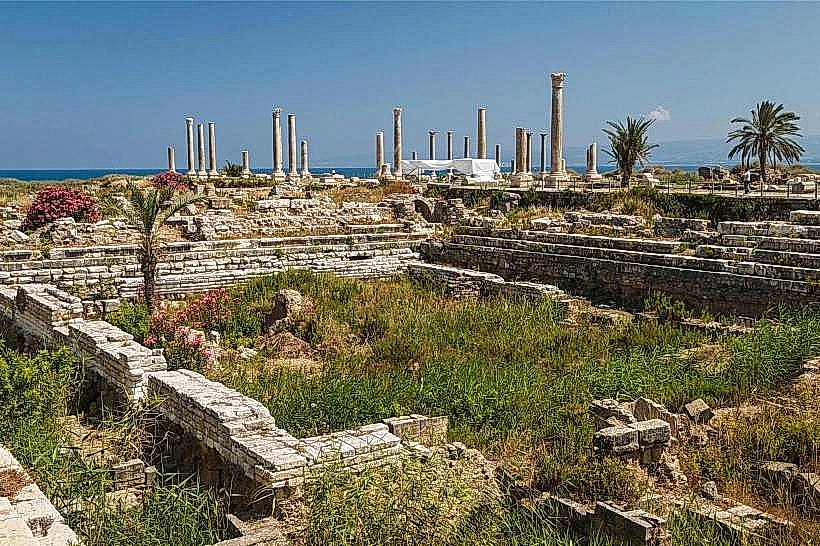
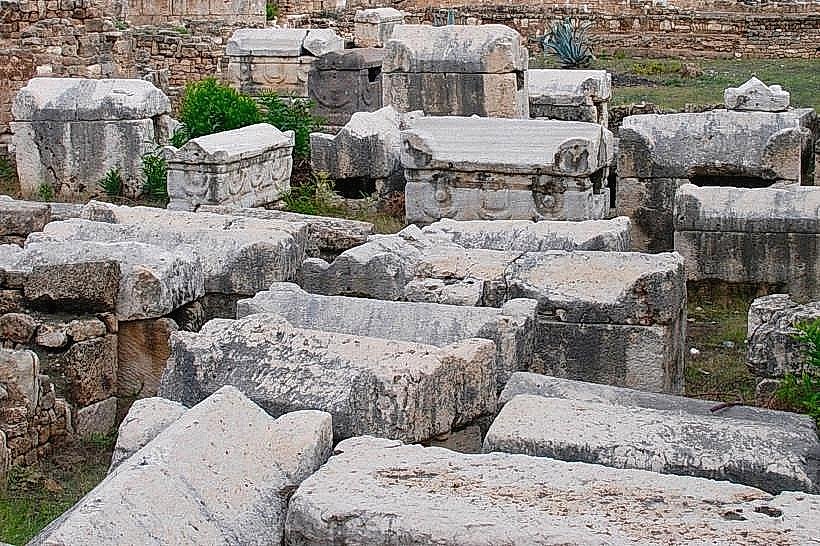
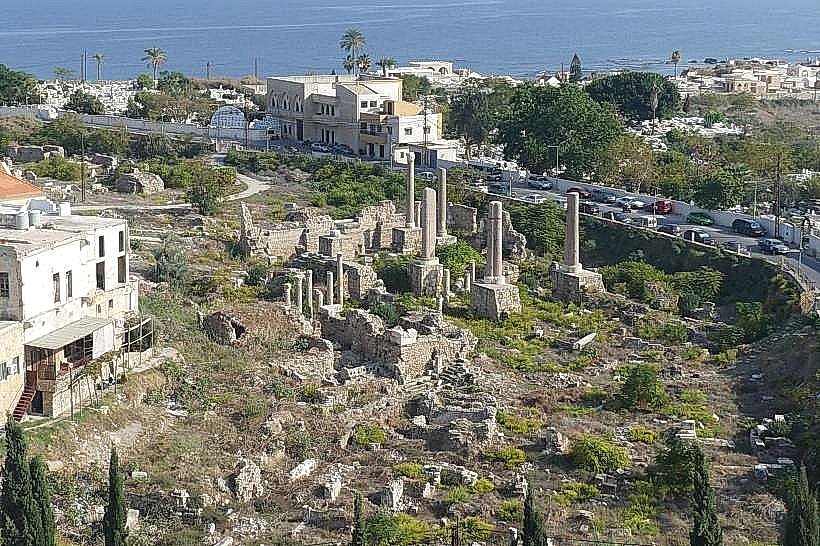
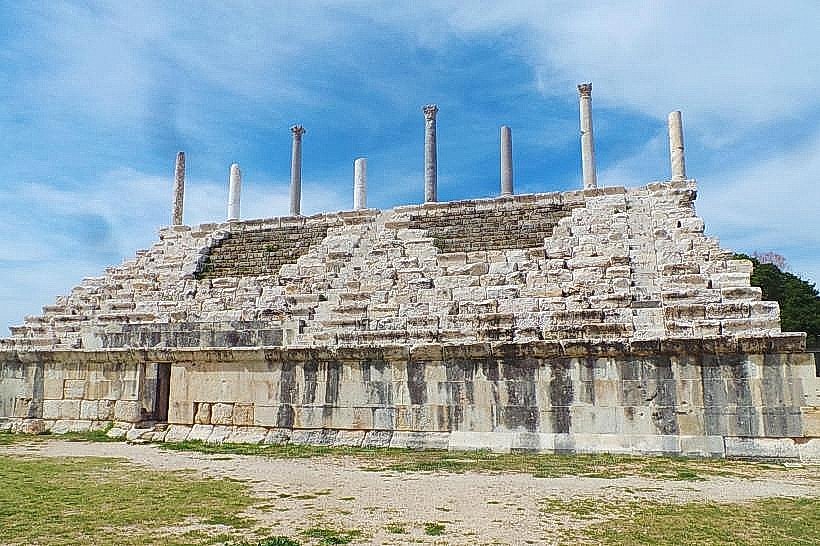
The monument is a massive U-shaped stadium constructed primarily from regional cream-colored limestone blocks, measuring approximately 480 meters in length and 90 meters in width. The arena floor features the preserved stone foundations of the spina-the central median barrier-including the remains of a monumental granite obelisk and turning posts (metae). The surrounding spectator stands (cavea) are partially restored, showing rows of tiered stone seating built over vaulted masonry substructures. Deep-relief stone carvings and inscriptions detailing horse racing factions are visible along the structural stone segments.
Location & Access Logistics
The site is located off Al-Bass Boulevard at the eastern entrance of modern Tyre, approximately 80 kilometers south of Beirut. Access from Beirut is via the South Coastal Highway, passing Sidon and proceeding directly southward to the main Tyre entry roundabout. A designated asphalt parking lot is available outside the main Al-Bass archaeological park ticket gate. Public transportation consists of regular buses and shared minivans departing from Beirut’s Cola intersection, which drop passengers directly at the Al-Bass terminal, situated a 5-minute walk from the hippodrome entrance.
Historical & Ecological Origin
Construction of the hippodrome dates back to the 2nd century AD, during the reign of the Antonine dynasty, and it underwent subsequent expansions under the Severan dynasty to accommodate up to 20,000 spectators. The stadium was engineered specifically to host chariot races modeled after the Circus Maximus in Rome. The site is situated on a low-lying sandy isthmus that connects the ancient island city of Tyre to the mainland, a geological feature formed over centuries by sediment accumulation against the historic causeway built by Alexander the Great.
Key Highlights & Activities
Inspecting the remains of the central spina foundations and the fragments of the monumental red granite obelisk.
Walking through the vaulted stone tunnels (vomitoria) underneath the seating sections that spectators used to access the stands.
Standing at the semicircular turning zones to view the structural layout where chariot racing accidents historically occurred.
Photographing the longitudinal perspective of the arena from the top tier of the restored spectator seating.
Infrastructure & Amenities
The hippodrome is located within a managed archaeological park featuring a visitor reception center, ticket box, and public restrooms near the main gate. The expansive, open-air arena floor offers zero shade, requiring visitors to utilize sun protection. Mobile cellular coverage is stable across the ruins, with 4G and 5G signals provided by networks Alfa and Touch. Local restaurants, cafes, and convenience kiosks operate directly outside the archaeological park perimeter along Al-Bass Boulevard.
Best Time to Visit
The recommended months for a visit are April through June and September through November to avoid high summer humidity and heavy winter coastal storms. The site opens daily from 8:30 AM until sunset. For optimal photographic conditions, late afternoon provides direct lateral sunlight that emphasizes the limestone textures and the geometry of the standing arches without casting harsh vertical shadows on the arena floor.
Facts & Legends
A verified historical oddity is that the hippodrome features unique built-in acoustic properties, where the masonry curves of the cavea were calculated to magnify the sound of the crowds and the chariot wheels, projecting the noise across the entire isthmus. Local folklore often linked the stadium to ancient sporting legends, claiming that successful local charioteers were granted semi-divine status and buried in ornate stone sarcophagi along the adjacent Al-Bass imperial necropolis road to protect the racetrack.
Nearby Landmarks
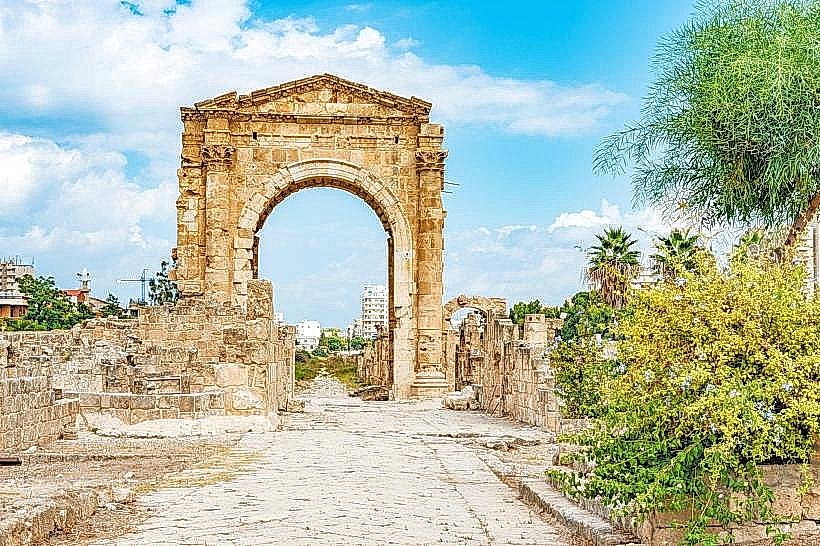
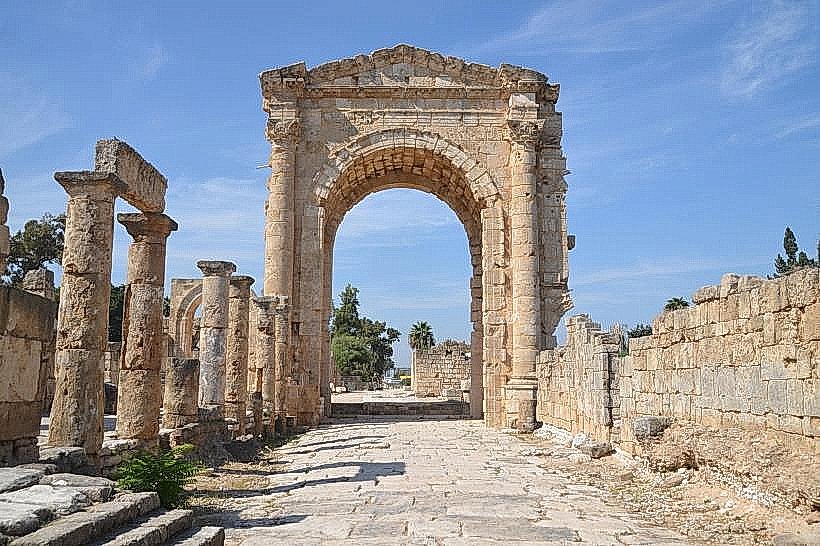
Tyre Al-Bass Necropolis and Monumental Arch: 0.15km West
Tyre Aqueduct Remnants: 0.2km North
Tyre Al-Mina Archaeological Site: 1.8km West
Tyre Crusader Cathedral Ruins: 1.9km West
Tyre Old Souks: 2.1km Northwest