Landmark: Charles Clore Park
City: Tel Aviv
Country: Israel
Continent: Asia
Charles Clore Park, Tel Aviv, Israel, Asia
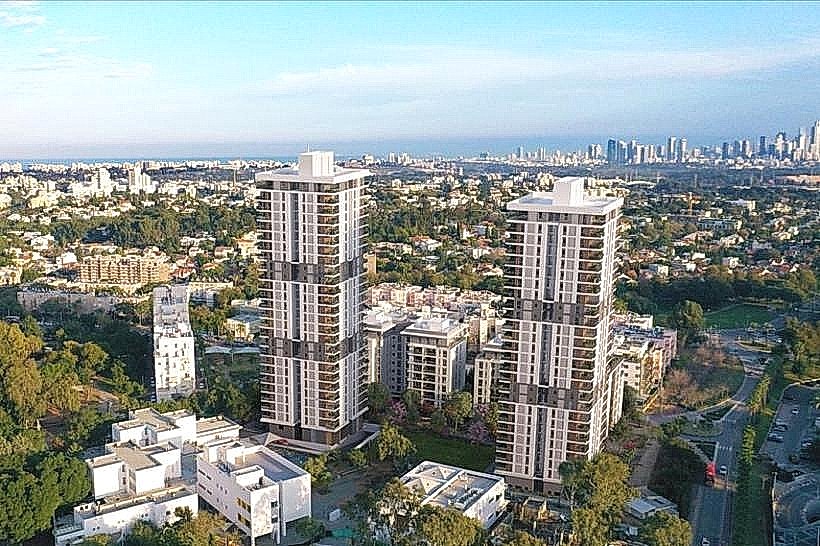
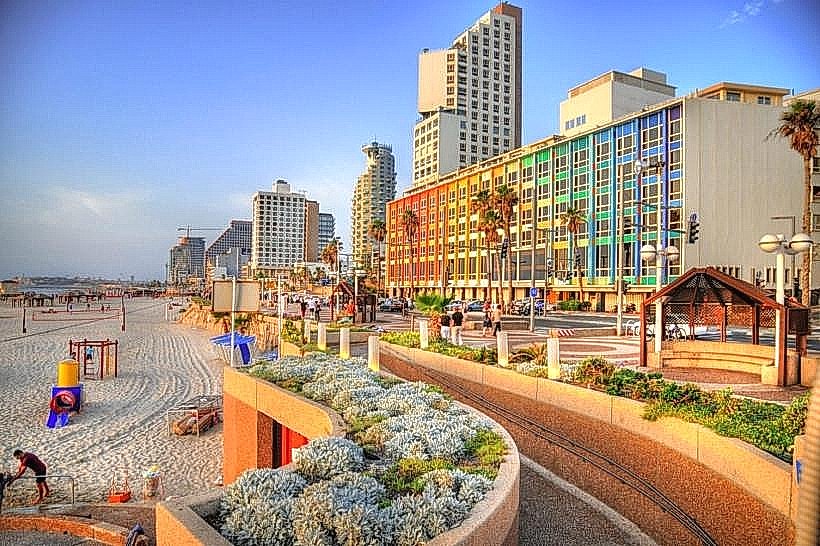
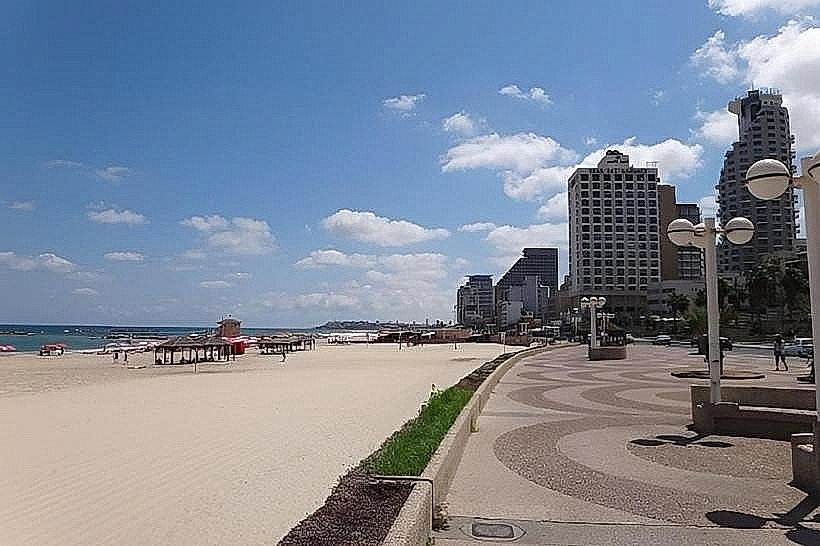
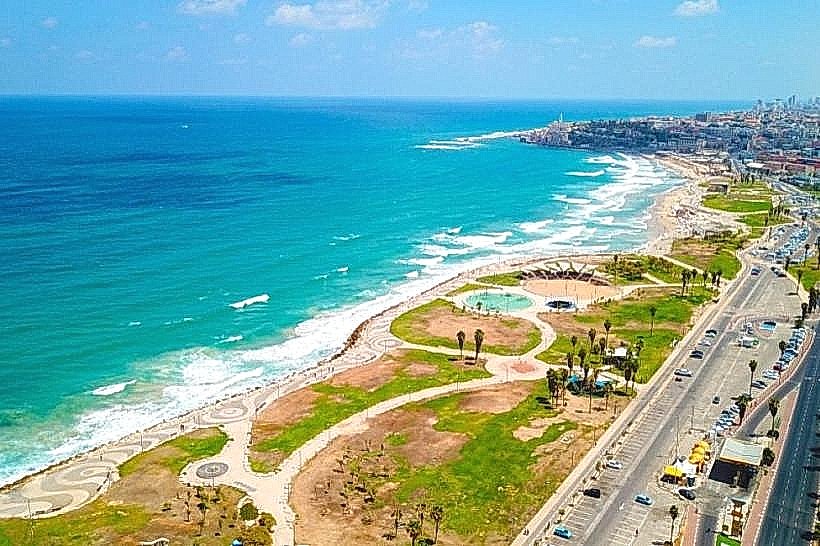
Charles Clore Park is a 12-hectare public beachfront park located on reclaimed land in southwestern Tel Aviv. It serves as a geographical buffer between the modern city skyline and the historic district of Old Jaffa.
Visual Characteristics
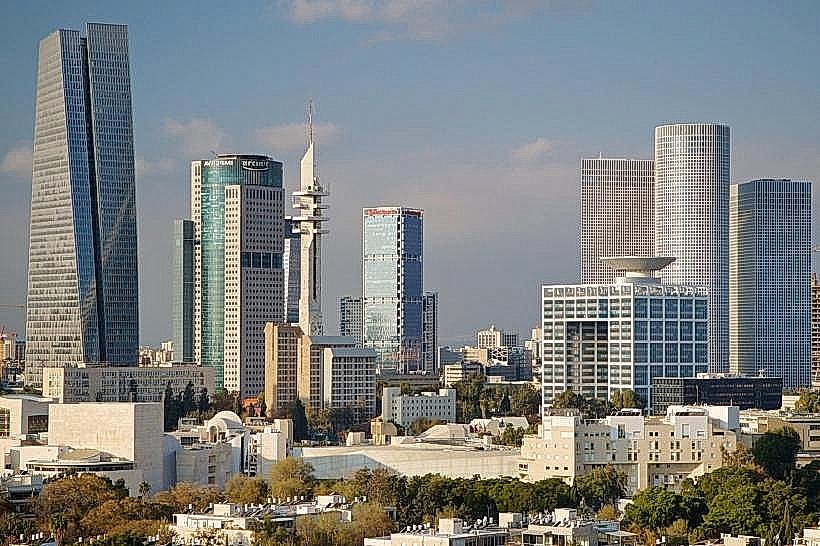
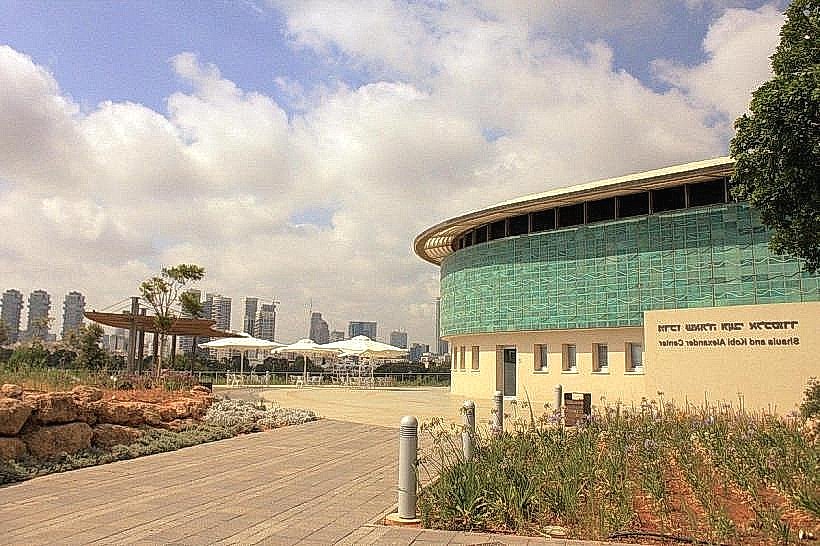
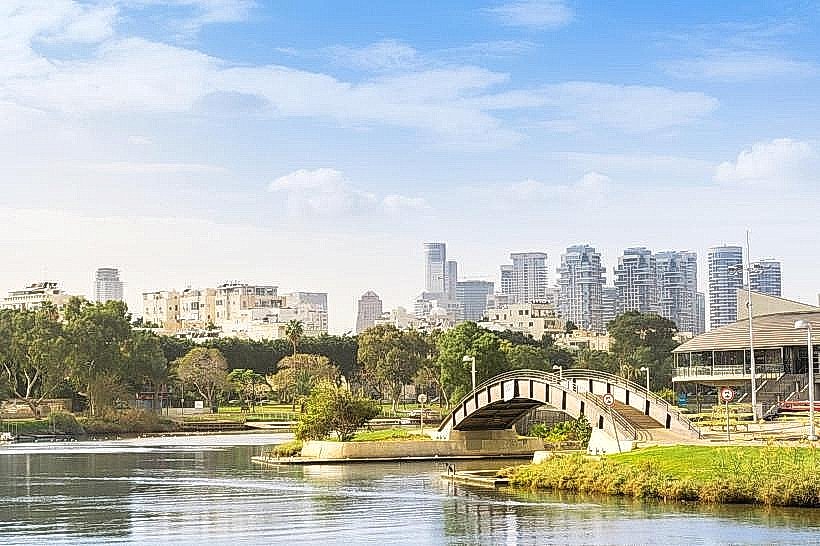
The park features undulating grassy mounds and low-lying coastal vegetation. The landscape is dominated by grey concrete paths, limestone sea walls, and salt-resistant shrubs. To the west, the park borders the Mediterranean Sea with a rocky shoreline; to the east, it is bounded by the glass and steel architecture of the Manshia business district.
Location & Access Logistics
Situated along the Herbert Samuel and Kaufmann Streets, the park is approximately 2km from the city center. Dedicated paid parking is available at the southern end near the Etzel Museum and the northern end near the Dolphinarium site. Public transport access includes bus lines 10, 18, and 88, which stop directly adjacent to the park's eastern perimeter.
Historical & Ecological Origin
The park was established in 1974 on the ruins of the Manshia neighborhood, which was demolished following the 1948 Arab-Israeli War. It was designed by poet and landscape architect Shlomo Aronson and funded by British philanthropist Charles Clore. The land was created by infilling the coastline with construction debris and sand to extend the shoreline westward.
Key Highlights & Activities
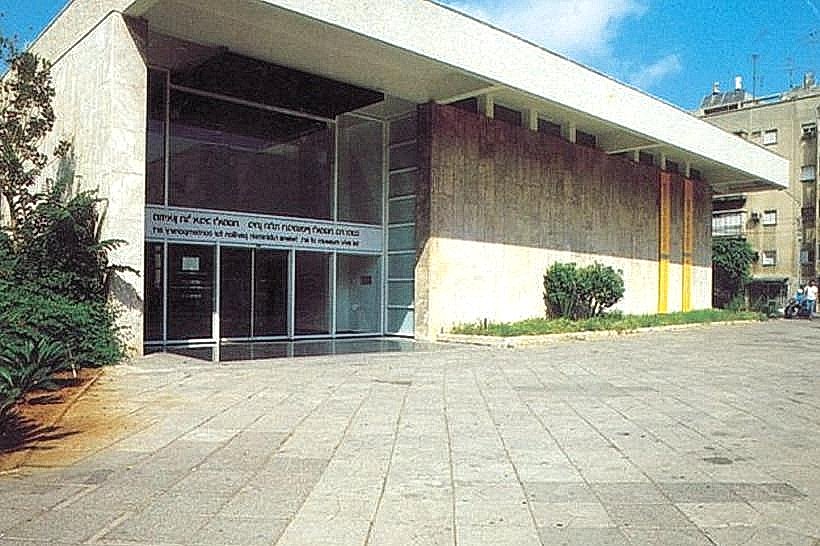
The park contains an extensive outdoor fitness area and several modern playgrounds with rubberized flooring. A wide promenade supports high-volume pedestrian traffic and cycling. The southern section houses the Etzel Museum, which focuses on pre-state paramilitary history. The open lawns are frequently utilized for large-scale public festivals and events.
Infrastructure & Amenities
Facilities include public restrooms, drinking water fountains, and several designated barbecue areas. 5G cellular coverage is comprehensive across the site. Shade is provided by structural pergolas and scattered clusters of palm trees. While the park itself has no permanent indoor restaurants, numerous food trucks and kiosks operate along the promenade.
Best Time to Visit
The park offers unobstructed views of the sunset, making the late afternoon the best period for photography. The optimal months for visiting are April through June and September through November. Due to its exposed coastal location, the park can experience high wind speeds and sea spray during winter months.
Facts & Legends
The park is built atop the remains of hundreds of houses from the former Manshia neighborhood. During the park’s construction, the rubble was not cleared but instead covered with soil to create the artificial hills that define its current topography, effectively entombing the previous urban structure beneath the grass.
Nearby Landmarks
Jaffa Clock Tower - 1.1km South
HaTachana (Old Railway Station) - 0.4km East
Suzanne Dellal Center - 0.6km East
Alma Beach - 0.1km West
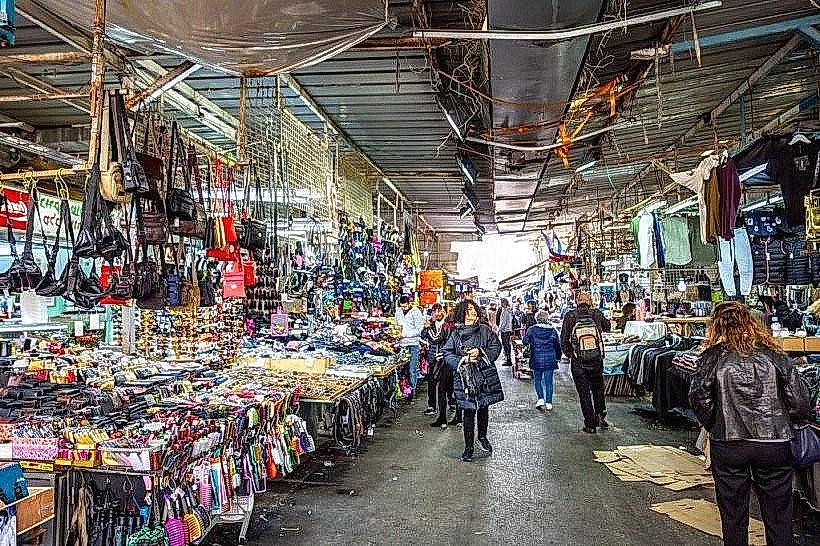
Carmel Market - 1.3km Northeast