Landmark: Helena Rubinstein Pavilion
City: Tel Aviv
Country: Israel
Continent: Asia
Helena Rubinstein Pavilion, Tel Aviv, Israel, Asia
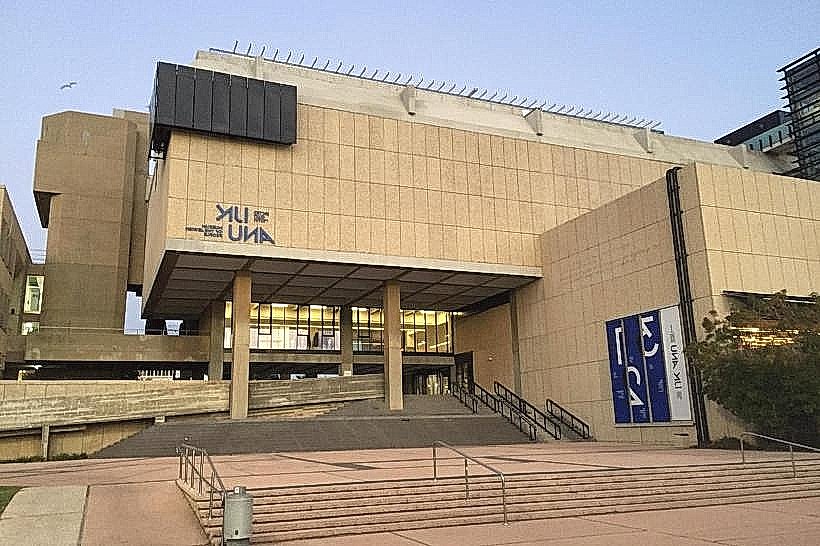
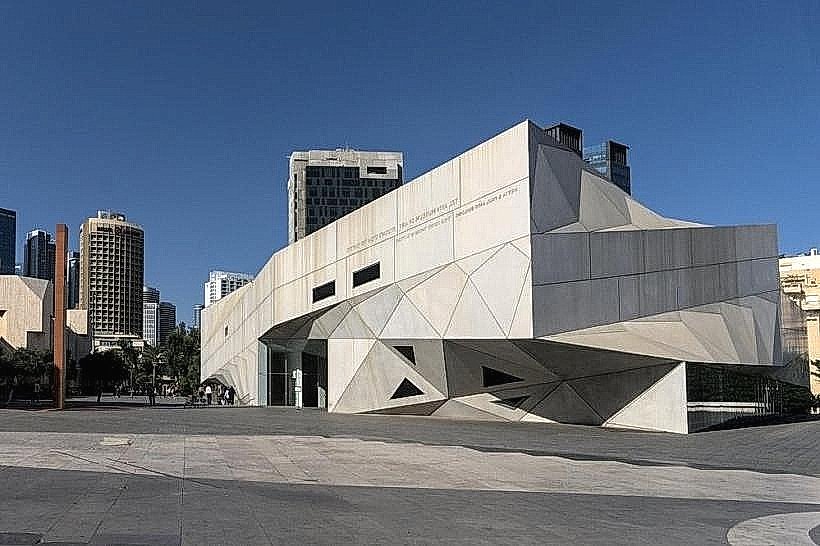
The Eyal Ofer Pavilion for Contemporary Art, historically known as the Helena Rubinstein Pavilion, is an exhibition space for contemporary art located in the central cultural hub of Tel Aviv, Israel. It serves as a branch of the Tel Aviv Museum of Art.
Visual Characteristics
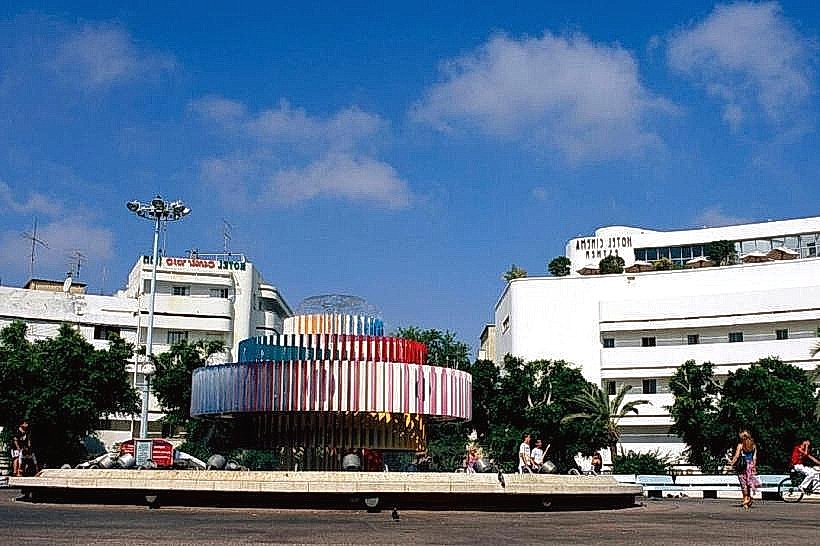
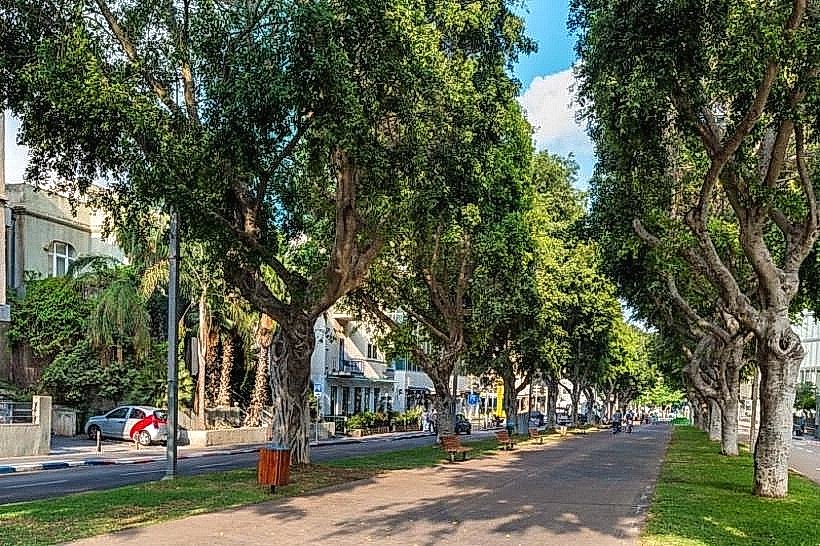
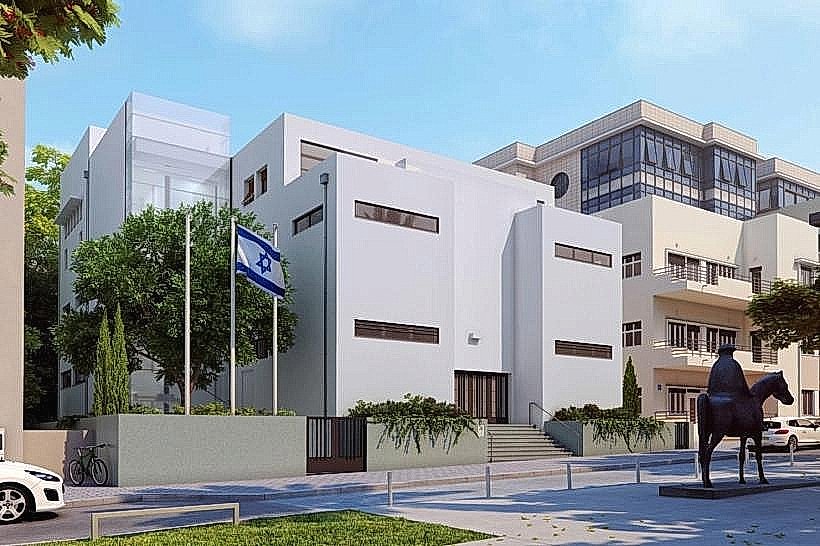
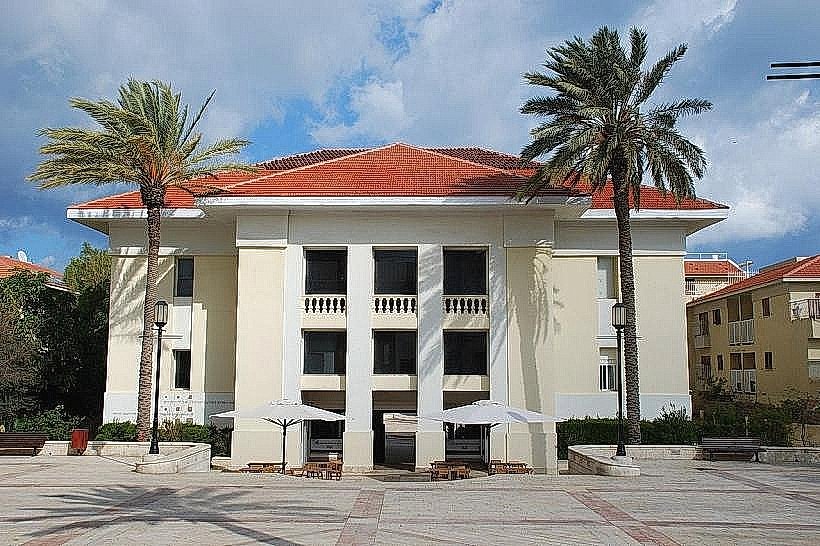
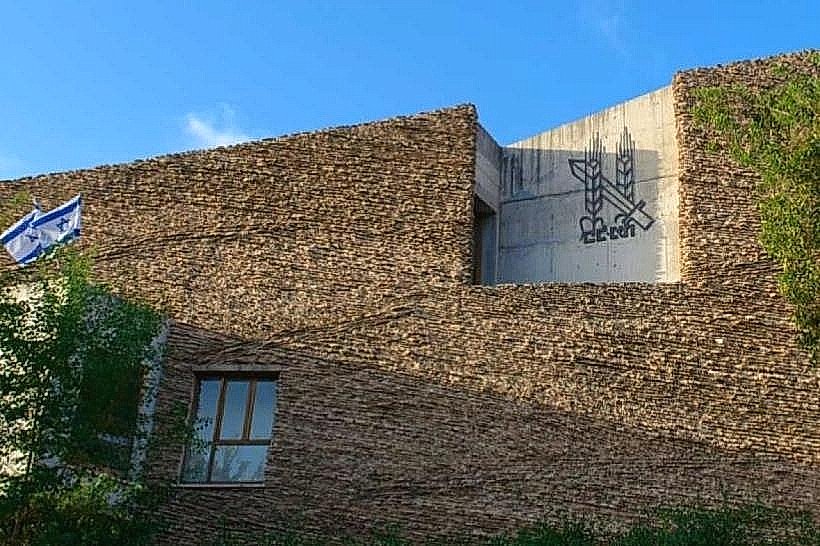
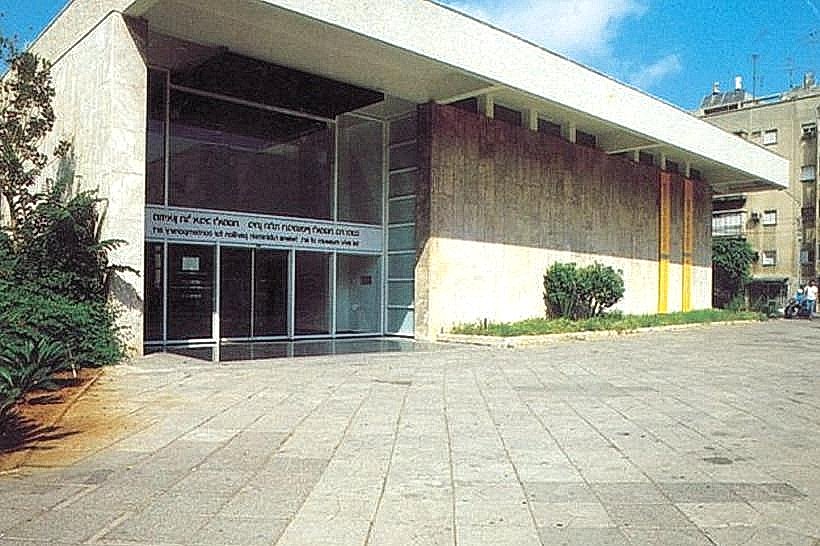
The building is a prime example of Brutalist-inspired Modernist architecture, featuring clean geometric lines, a functional white facade, and large glass entryways. After its extensive renovation in 2023, the interior was modernized with vast, high-ceilinged galleries and white-cube aesthetics designed to provide a neutral backdrop for diverse art installations. It is integrated into the Tarsat Avenue streetscape, overlooking a large public plaza.
Location & Access Logistics
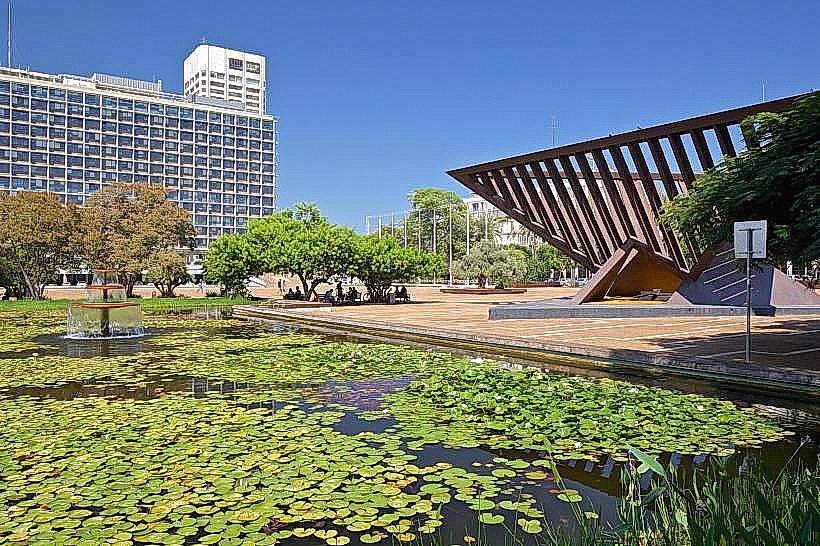
Located at 6 Tarsat Avenue, the pavilion is situated at the northern end of Habima Square. It is approximately 1.1km north of the city center. While the area is highly pedestrianized, visitors can find paid parking at the subterranean Habima parking lot. Multiple bus lines stop on nearby Dizengoff Street and Ibn Gabirol Street, providing high connectivity to the rest of the city.
Historical & Ecological Origin
Originally inaugurated in 1959, the pavilion was established with the support of the cosmetics entrepreneur Helena Rubinstein. It was the primary home of the Tel Aviv Museum of Art until the museum moved to its current main complex in 1971. In 2023, following a major restoration funded by the Eyal Ofer Family Foundation, it was renamed to reflect the new endowment while maintaining its mission as a dedicated space for contemporary art.
Key Highlights & Activities
The pavilion hosts rotating temporary exhibitions featuring both Israeli and international contemporary artists. Unlike the main museum complex, this site often focuses on large-scale installations and avant-garde solo exhibitions. Its location directly on Habima Square allows visitors to combine an art visit with a walk through the surrounding gardens and urban plazas.
Infrastructure & Amenities
The site includes public restrooms, a reception desk, and full climate control to preserve delicate artworks. 5G cellular signal is consistent throughout the area. The pavilion is wheelchair accessible, featuring ramps and elevators to navigate the different gallery levels. While there is no full-scale cafeteria inside, the adjacent Habima Square contains several high-end cafes and kiosks.
Best Time to Visit
Tuesday evenings are notable as the pavilion remains open until 21:00, allowing for late-night viewing. Weekend mornings (Saturday) are popular but can be crowded. For a quieter experience, Wednesday and Thursday mornings (10:00–12:00) are recommended. Note that the facility is typically closed on Sundays and Mondays.
Facts & Legends
A verified historical detail is that for over a decade, this single building was the entire Tel Aviv Museum of Art. Local architectural history buffs note that the 2023 renovation aimed to restore the building to its original "lightness," removing later additions to emphasize the transparency and flow intended by the original architects in the 1950s.
Nearby Landmarks
Habima National Theatre - 0.05km South
Charles Bronfman Culture Hall - 0.1km Southeast
Rothschild Boulevard - 0.2km South
Dizengoff Center - 0.6km Northwest
Tel Aviv Museum of Art (Main Complex) - 0.9km East