Landmark: Neve Tzedek
City: Tel Aviv
Country: Israel
Continent: Asia
Neve Tzedek, Tel Aviv, Israel, Asia
Neve Tzedek is a historic residential and cultural district located in southwestern Tel Aviv, Israel. Founded in 1887, it was the first Jewish neighborhood established outside the defensive walls of Jaffa.
Visual Characteristics
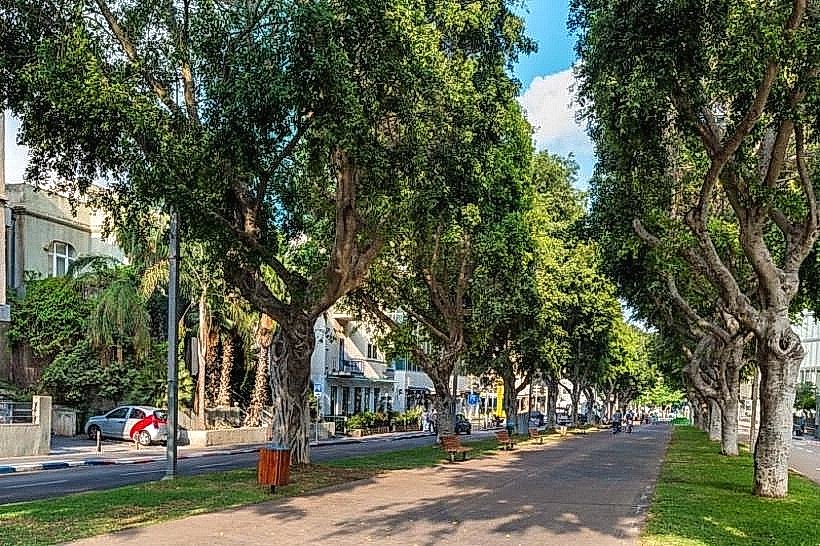
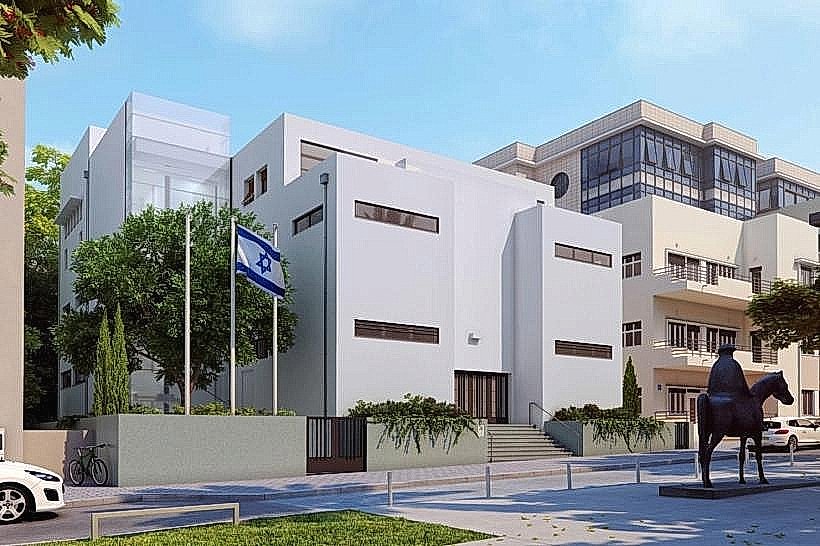
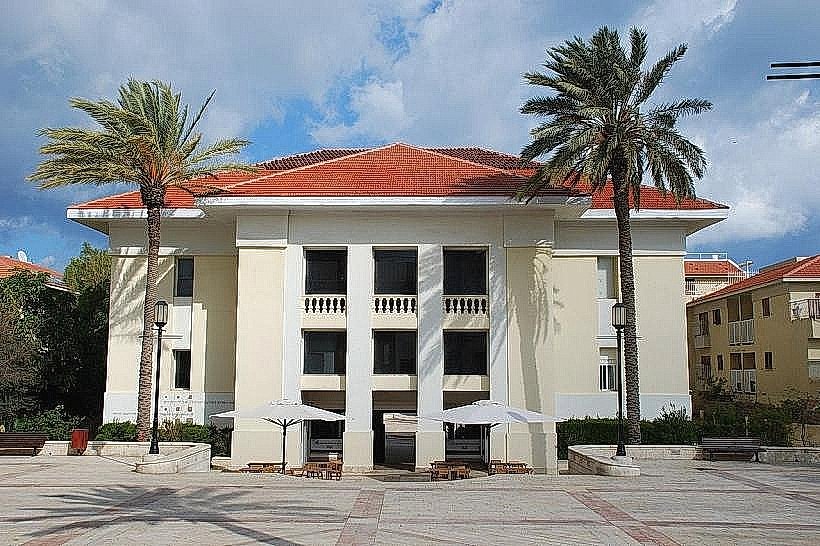
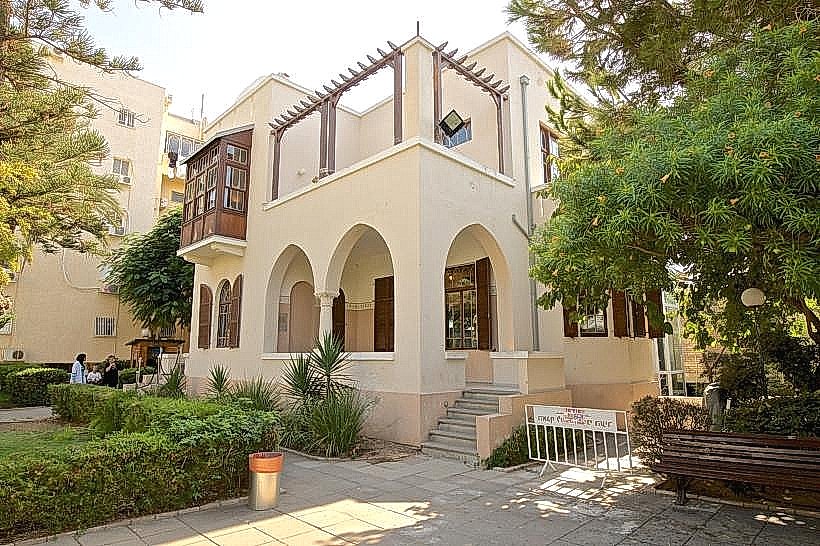
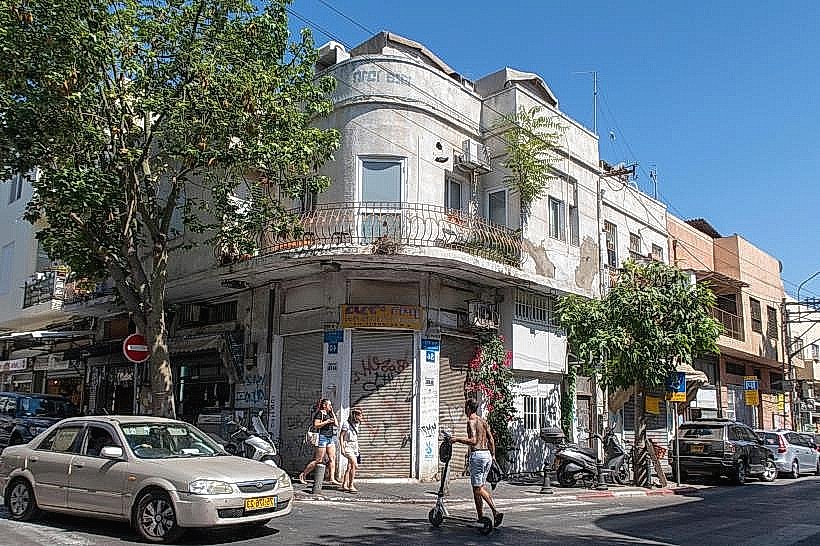
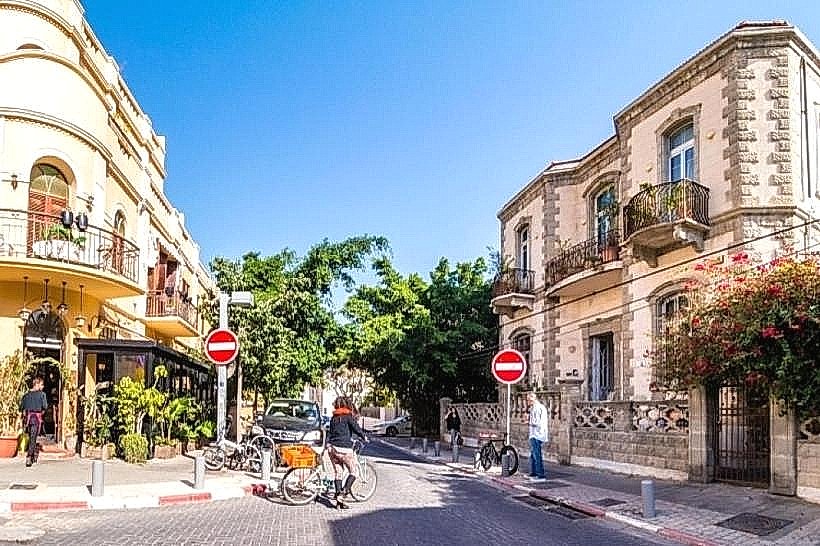
The neighborhood is characterized by low-rise sandstone buildings featuring red-tiled roofs and decorative ironwork. Architectural styles include Art Nouveau, Eclecticism, and early Modernist influences. Streets are narrow, stone-paved alleys lined with bougainvillea, citrus trees, and restored 19th-century facades painted in pastel shades.
Location & Access Logistics
Situated southeast of the beachfront, the district is bounded by Shabazi Street to the north and Kaufmann Street to the west. It is approximately 1.5km from the city center. Vehicle access is restricted due to narrow lane widths; parking is primarily available at the paid Neve Tzedek/HaTachana lots on Kaufmann Street. Public transport includes bus lines 10, 18, and 24, which stop at the neighborhood perimeters.
Historical & Ecological Origin
The site was established by the Ezrat Israel company and Shimon Rokach on previously vacant sand dunes to escape Jaffa's overcrowding. It served as a nucleus for the growth of Tel Aviv. In the 1960s, the area faced demolition but was preserved through a municipal restoration project that converted aging structures into high-value cultural and residential real estate.
Key Highlights & Activities
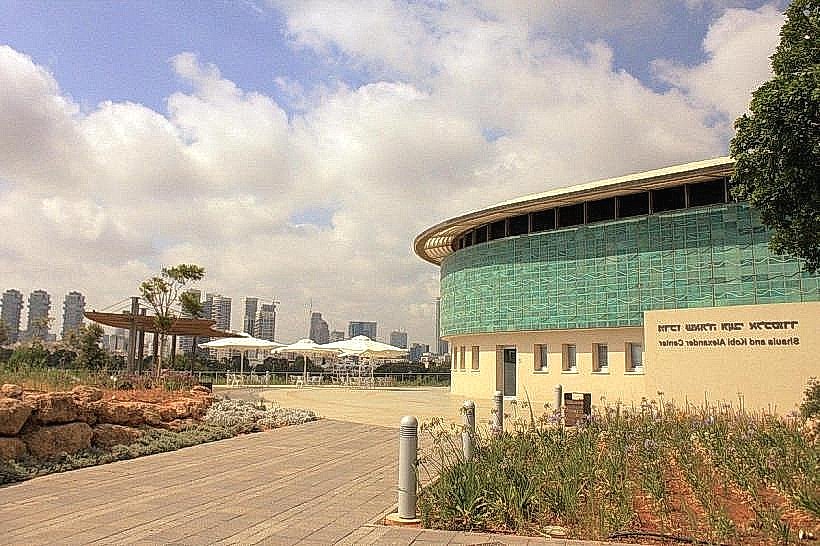
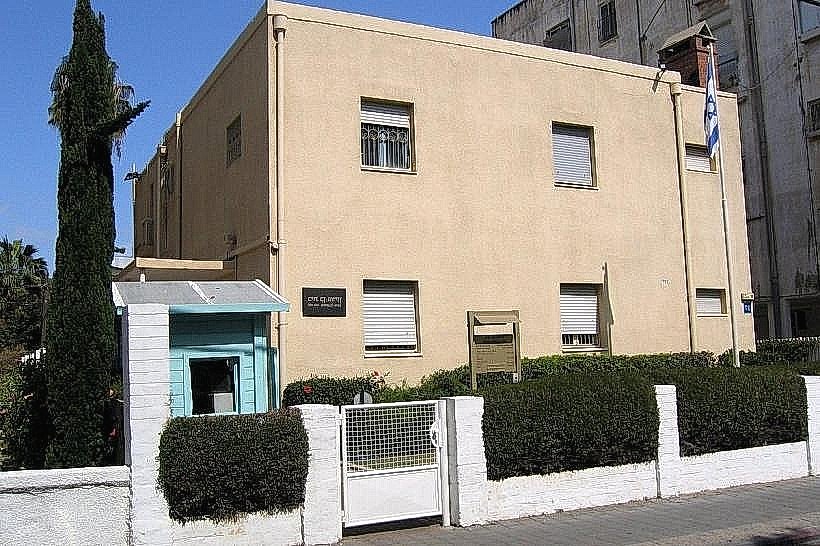
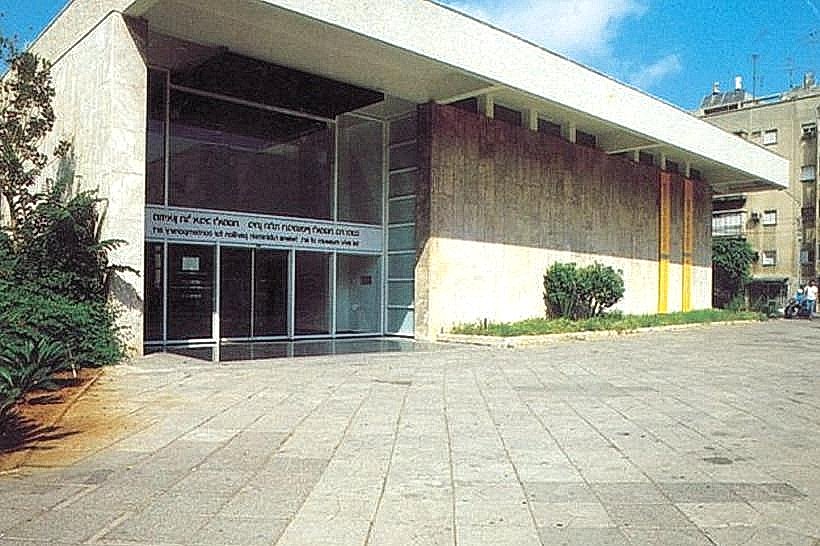
The Suzanne Dellal Centre for Dance and Theatre hosts professional contemporary dance performances. Walking tours of Shabazi Street allow for visits to artisanal jewelry workshops and boutique fashion galleries. The Gutman Museum offers access to the studio and works of artist Nachum Gutman within a restored 1887 building.
Infrastructure & Amenities
Public restrooms are located at the Suzanne Dellal complex and within the nearby HaTachana compound. 5G cellular signal is consistent throughout the neighborhood. Shade is provided by dense tree canopies in public squares and overhanging balconies in the narrow alleys. Upscale cafes and bistros are concentrated along the Shabazi Street axis.
Best Time to Visit
March to May and October to November provide optimal temperatures for walking. Late afternoon (16:00-18:00) offers the best lighting for photography of the textured limestone and pastel walls. Weekdays are recommended to avoid the high pedestrian density associated with weekend tourism.
Facts & Legends
A local historical curiosity is the Rokach House, one of the first four buildings in the neighborhood, which was constructed in a record 40 days to meet property rights requirements. Legend states that the original residents had to navigate through ankle-deep sand to reach Jaffa, as no paved roads existed between the two locations for decades.
Nearby Landmarks
Jaffa Clock Tower - 1.2km South
HaTachana (Old Railway Station) - 0.3km Southwest
Great Synagogue of Tel Aviv - 0.7km Northeast
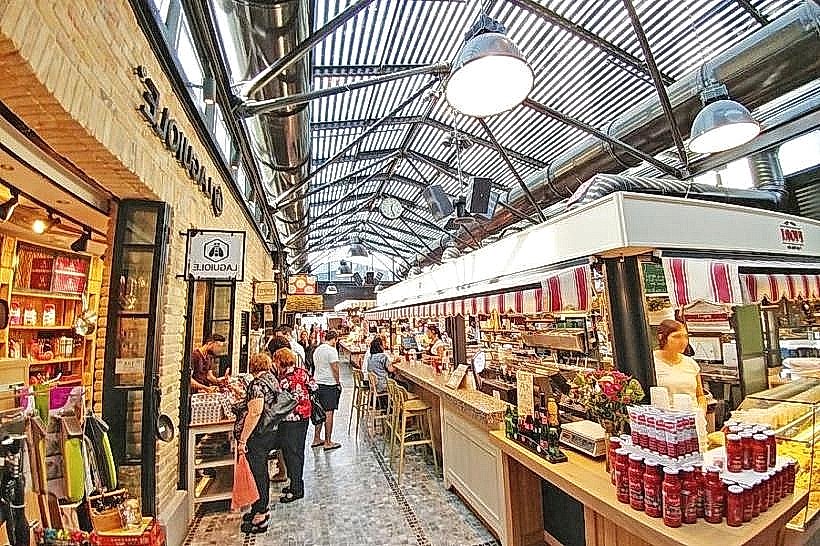
Carmel Market - 0.9km North
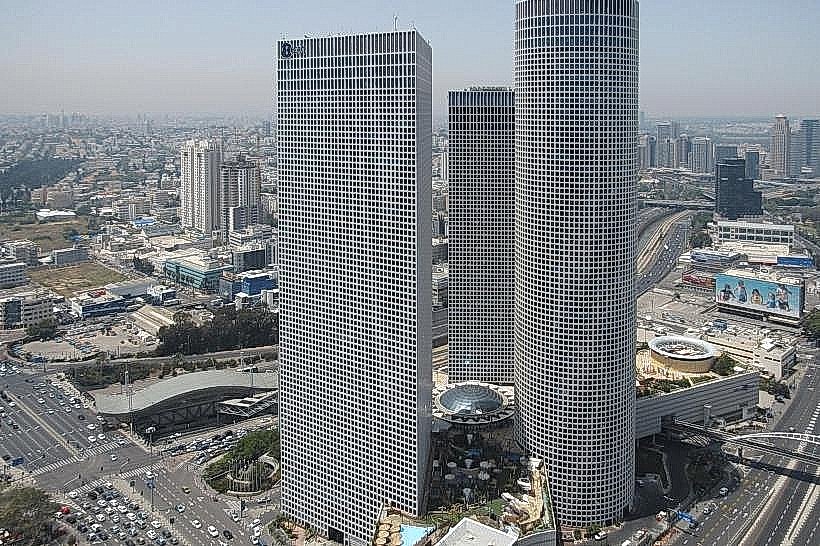
Shalom Meir Tower - 0.6km Northeast