Landmark: El Malecón
City: Havana
Country: Cuba
Continent: North America
El Malecón, Havana, Cuba, North America
El Malecón is a broad esplanade and seawall located along the northern coast of Havana, Cuba.
It serves as a prominent public space and a significant cultural icon for the city.
Visual Characteristics
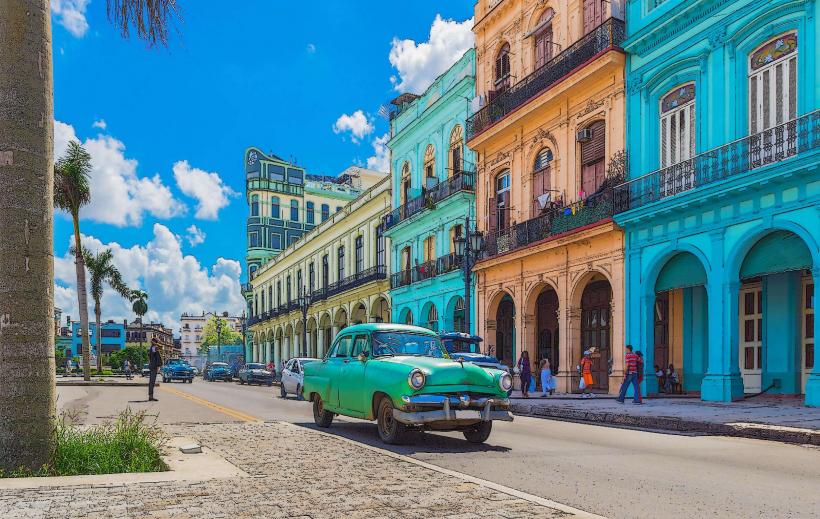
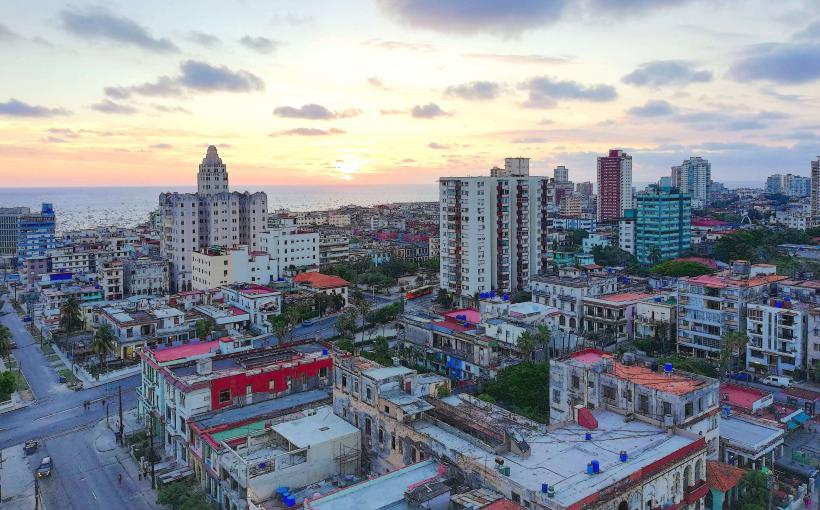
The Malecón extends approximately 8 kilometers (5 miles) along the coastline. It is constructed primarily from concrete and stone, featuring a distinctive seawall designed to withstand Atlantic waves. The surface is paved, with distinct sections including a wide promenade, a multi-lane roadway, and pedestrian walkways. Along its length, various statues and monuments are present, and the architecture of the buildings facing the Malecón ranges from colonial-era structures to more modern designs.
Location & Access Logistics
El Malecón runs along the northern edge of Havana, bordering the neighborhoods of Vedado, Centro Habana, and Habana Vieja. It is directly accessible from the main city streets, including Paseo del Prado and Avenida de los Presidentes. Parking is generally available along the adjacent streets, though it can be limited during peak hours. Public transportation options include numerous city bus routes that traverse the Malecón, such as routes P1, P4, and P12. Taxis are also readily available throughout the city.
Historical & Ecological Origin
Construction of El Malecón began in 1901 and was completed in stages, with the final section finished in 1958. It was conceived as a project to protect the city from coastal erosion and to create a public recreational area. The seawall's design was influenced by engineering principles to manage the force of the sea. Ecologically, it represents a significant human intervention on the natural coastline, transforming a rocky shore into a structured urban interface with the ocean.
Key Highlights & Activities
Walking or cycling along the promenade is a primary activity. Fishing is common from the seawall, particularly in the early morning and late evening. It is a popular gathering spot for locals, especially on weekends and evenings, for socializing and enjoying the sea breeze. Photography opportunities are abundant, capturing the interplay of the sea, the city skyline, and the people. Observing the sunset over the ocean is a notable experience.
Infrastructure & Amenities
Restrooms are available at intervals along the Malecón, often associated with small cafes or kiosks. Shade is limited, primarily provided by the facades of buildings and a few scattered trees. Cell phone signal (4G/5G) is generally good along most of the Malecón. Food vendors and small paladares (private restaurants) are located on the streets adjacent to the Malecón, offering snacks and meals.
Best Time to Visit
For photography, the hours around sunrise and sunset offer optimal lighting conditions. The best months for weather are typically from November to April, characterized by lower humidity and less rainfall. The Malecón is accessible at all hours, but evenings and weekends are when it is most active. High tide can result in larger waves crashing over the seawall, which can be a dramatic sight but may limit access to certain lower sections.
Facts & Legends
A local legend suggests that if a couple kisses on the Malecón at midnight during a full moon, their love will last forever. Historically, the Malecón has been the site of numerous public celebrations and political demonstrations throughout Cuba's modern history.
Nearby Landmarks
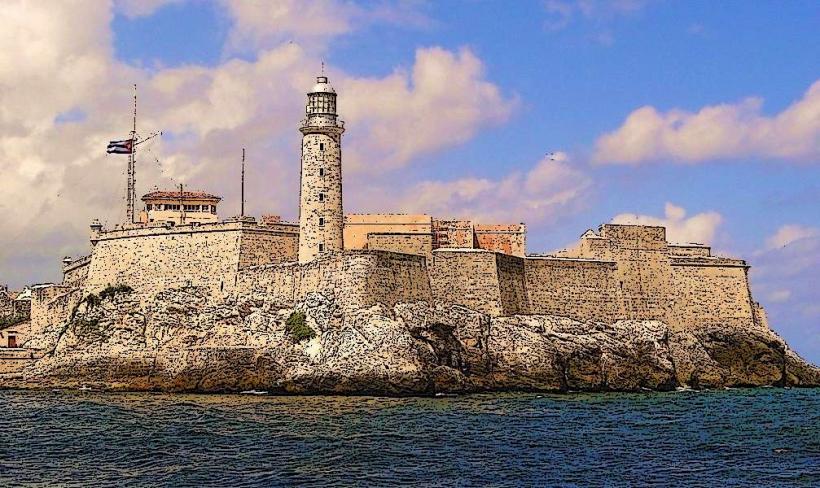
- Castillo de San Salvador de la Punta (0.8km East)
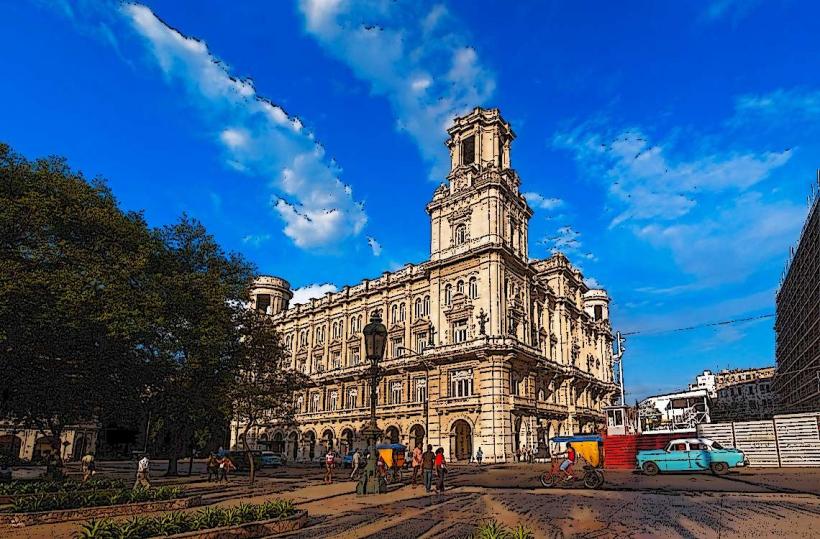
- Museo de la Revolución (1.2km Southeast)
- Capitolio Nacional (1.5km Southeast)
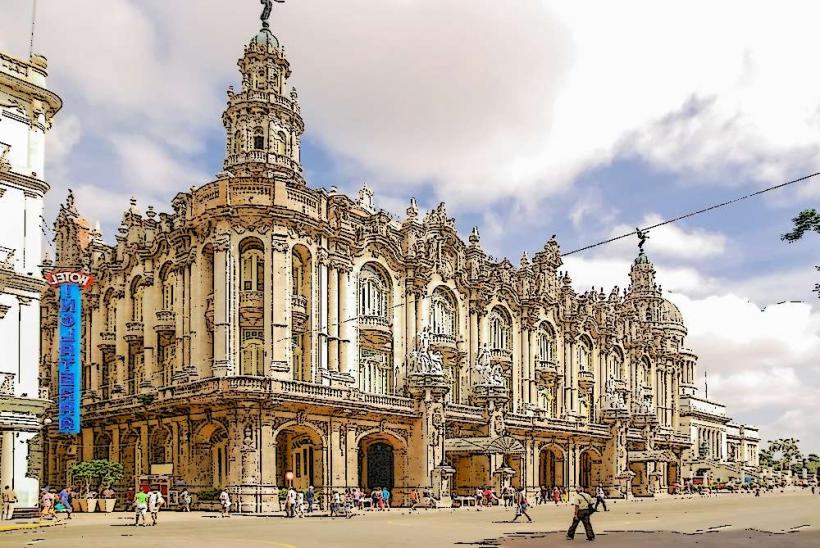
- Gran Teatro de La Habana (1.3km Southeast)
- Hotel Nacional de Cuba (2.5km West)