Landmark: Vedado
City: Havana
Country: Cuba
Continent: North America
Vedado, Havana, Cuba, North America
Vedado is a large urban district located in Havana, Cuba, known for its grid-like street plan and significant 20th-century architecture.
It functions as a primary residential, commercial, and entertainment zone for the city.
Visual Characteristics
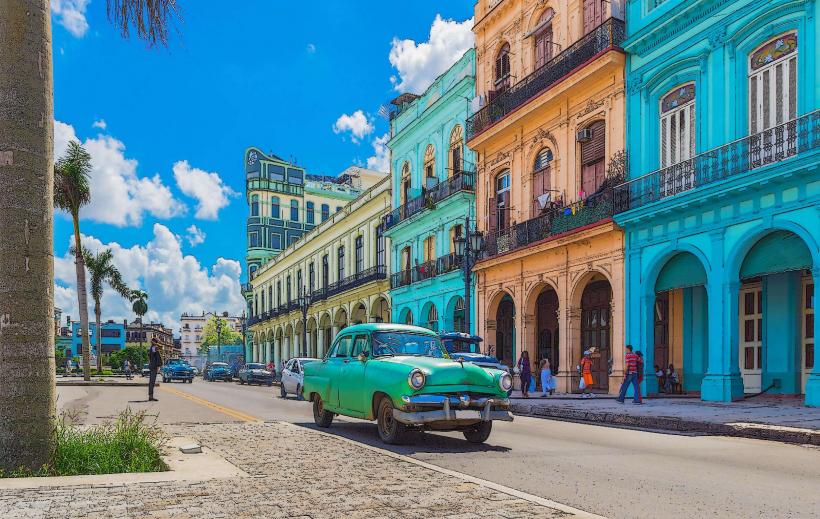
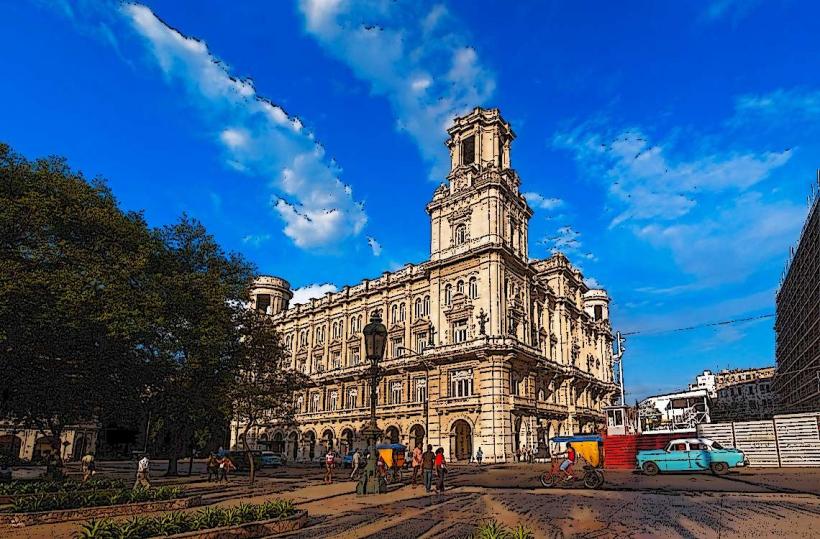
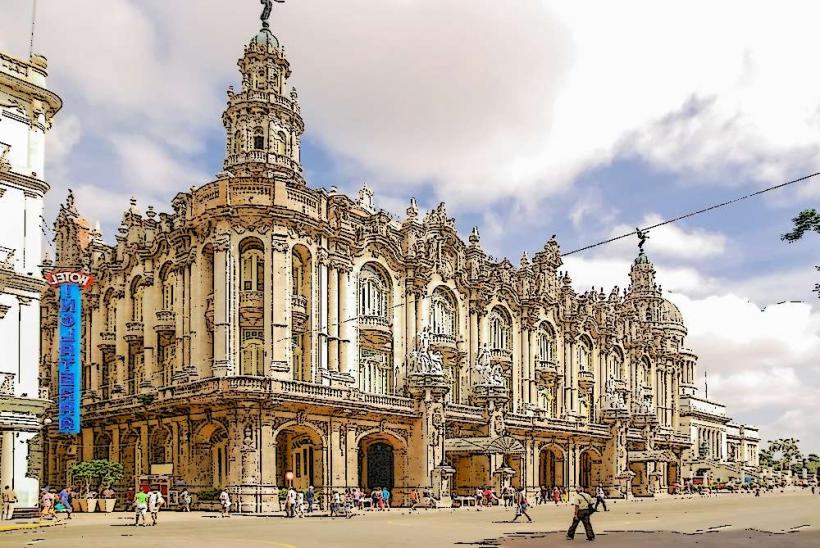
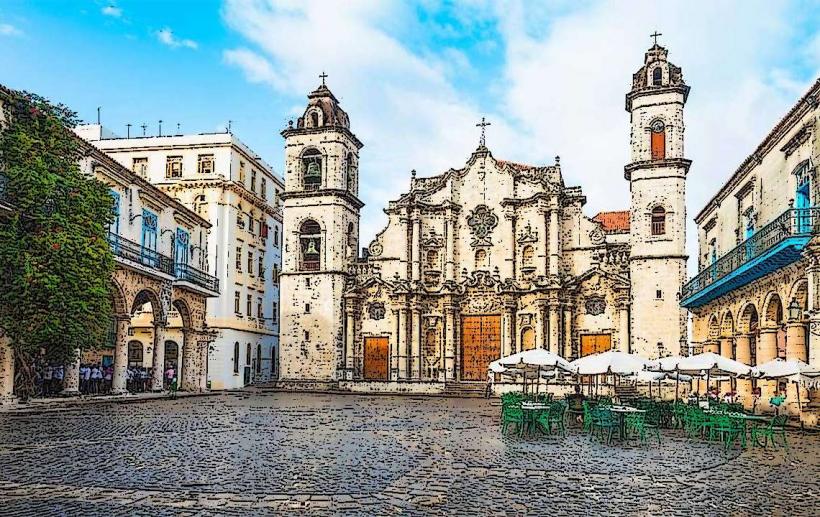
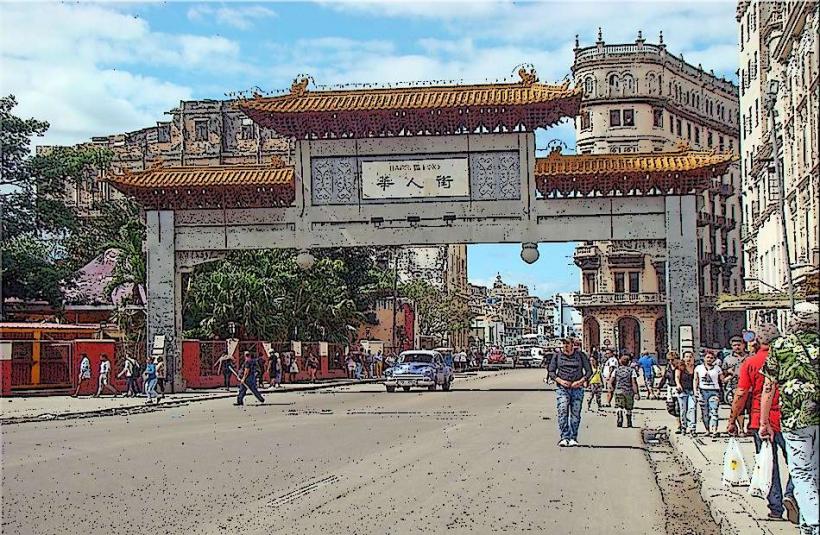
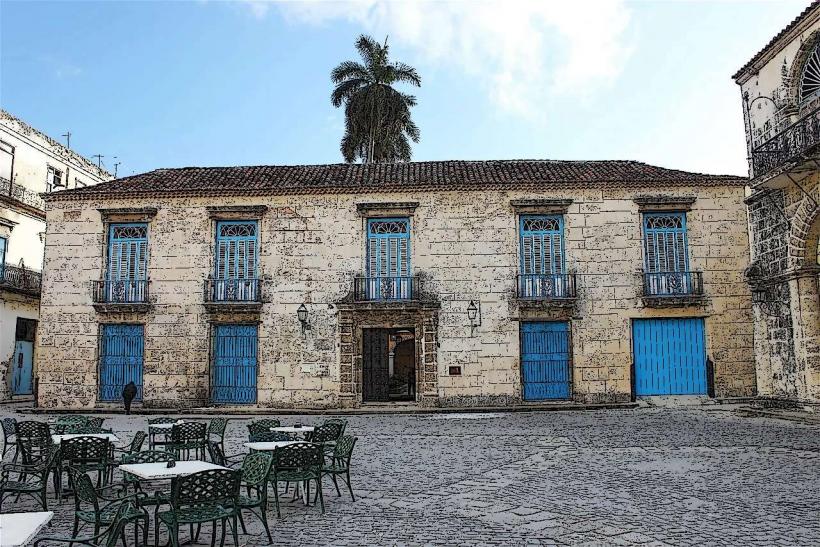
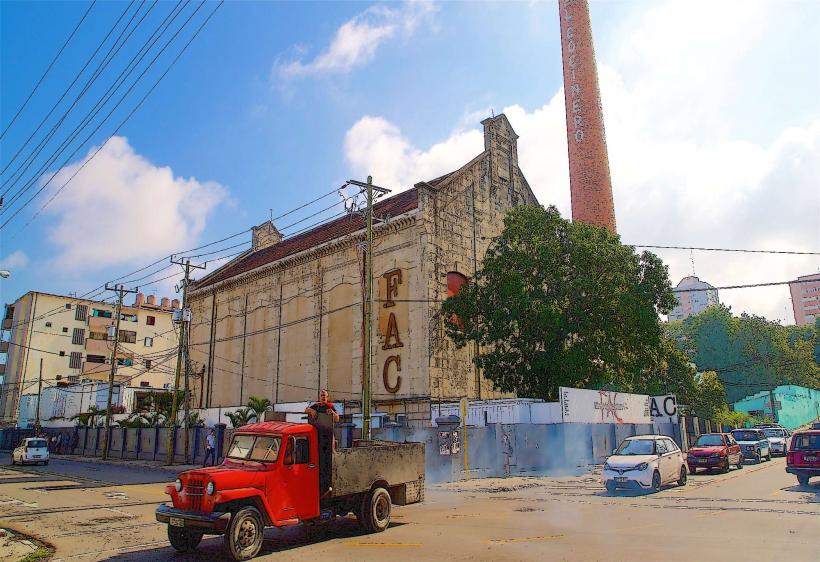
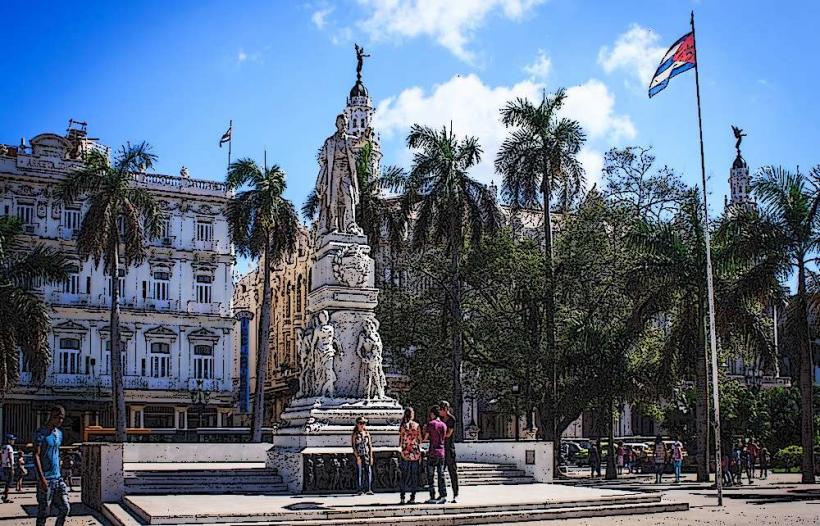
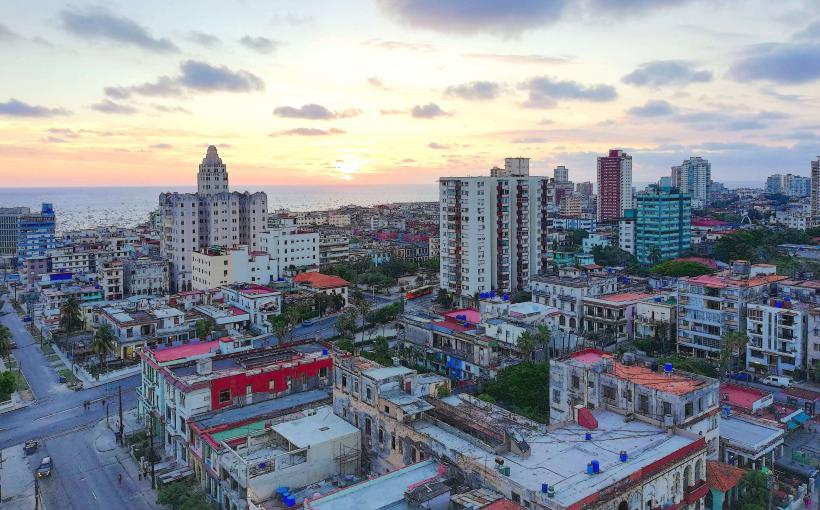
Vedado is characterized by wide avenues and a consistent grid layout. Buildings range from early 20th-century mansions, often featuring Art Deco and Neoclassical elements, to mid-century apartment blocks and modern office structures. The predominant building materials include concrete, stucco, and some stone facades. Colors vary, with many older buildings painted in pastel shades, while newer constructions utilize more neutral tones. Street trees, primarily palm varieties, line many of the avenues, providing canopy cover.
Location & Access Logistics
Vedado is situated west of Old Havana, approximately 5 kilometers from the city center. Access is primarily via the Malecón seawall to the north and Avenida de los Presidentes to the south. Major internal avenues include Calle 23 (La Rampa) and Avenida de los Presidentes. Taxis are readily available throughout Havana and are the most common mode of transport within Vedado. Local bus routes, such as the P1 and P12, also serve the district, with stops at key intersections like Calle 23 and L. Parking can be challenging, especially on main streets, with limited on-street availability and some paid lots.
Historical & Ecological Origin
Vedado's development began in the late 19th century as a planned suburban expansion. The area was originally a wooded tract (hence "Vedado," meaning "forbidden" or "wooded"), which was cleared and laid out with a strict grid system. Key architects and developers like Alfredo and Luis de la Torre were instrumental in its early design. Its original purpose was to provide upscale residential housing for Havana's growing elite, evolving into a mixed-use district over time.
Key Highlights & Activities
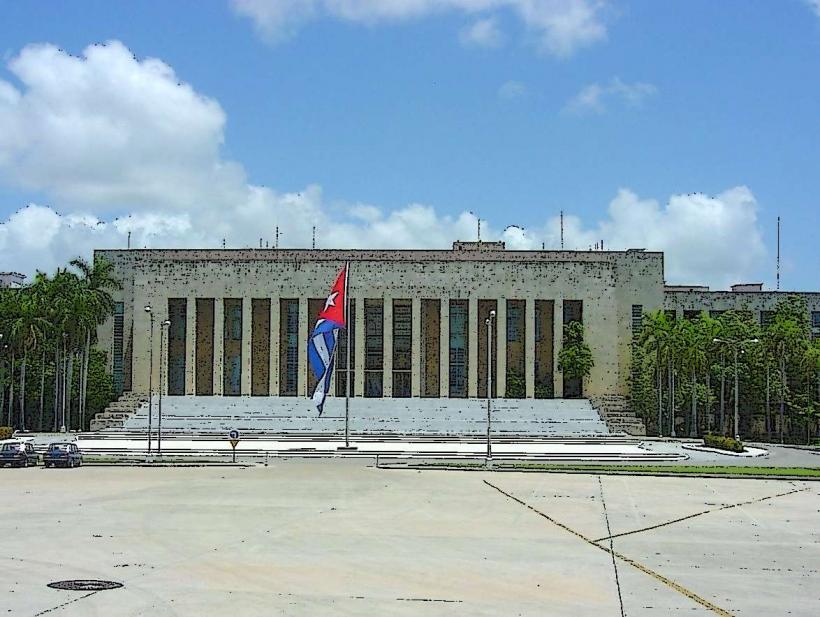
Visitors can explore the historic mansions, many of which now house government offices or cultural institutions. Walking along Calle 23 (La Rampa) offers access to cinemas, restaurants, and cafes. The Coppelia ice cream parlor is a notable destination. The National Hotel of Cuba provides historical context and views. The Revolution Square (Plaza de la Revolución) is located on the eastern edge of Vedado, featuring the José Martí Memorial.
Infrastructure & Amenities
Restrooms are available in most restaurants, cafes, and public buildings. Shade is provided by street trees and building overhangs. Cell phone signal (3G/4G) is generally consistent throughout the district. Numerous food vendors, cafes, and restaurants are located along Calle 23 and surrounding streets. Larger hotels offer more comprehensive amenities.
Best Time to Visit
For photography, early morning (7-9 AM) and late afternoon (4-6 PM) offer softer light on the buildings. The best months for weather are typically November through April, with lower humidity and average temperatures around 25-28°C. Daytime temperatures can reach 30-32°C during summer months (June-August), with higher humidity and a chance of rain.
Facts & Legends
A local legend suggests that the original "forbidden" status of Vedado was due to fears of witchcraft and spirits inhabiting the dense woods, leading to its initial restriction from development. The grid system itself is a deliberate design choice, intended to create order and facilitate urban growth.
Nearby Landmarks
- Malecón (0.2km North)
- National Hotel of Cuba (0.8km Northwest)
- University of Havana (1.5km Southwest)
- Plaza de la Revolución (2.0km Southeast)
- Old Havana (5.0km East)