Information
Landmark: Museo de la DanzaCity: Havana
Country: Cuba
Continent: North America
Museo de la Danza, Havana, Cuba, North America
The Museo de la Danza is a museum dedicated to the history of dance in Cuba, located in Havana.
It houses a collection of artifacts, costumes, and documents related to Cuban dance traditions.
Visual Characteristics
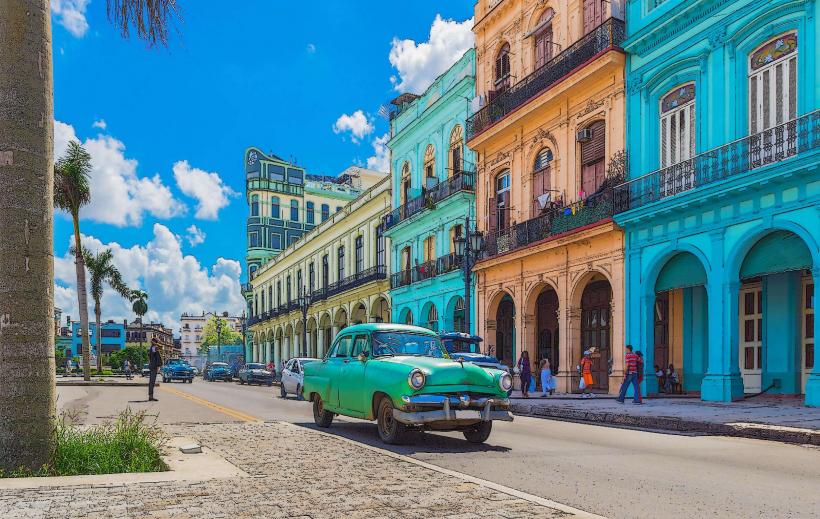
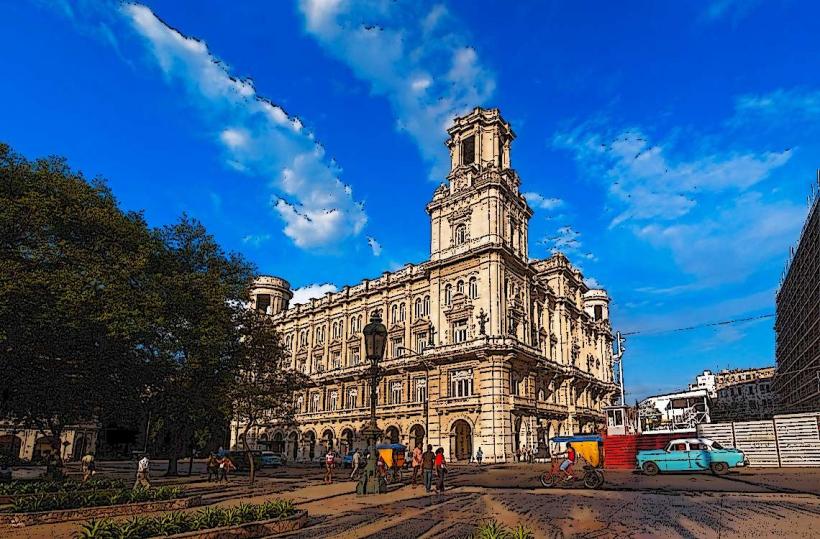
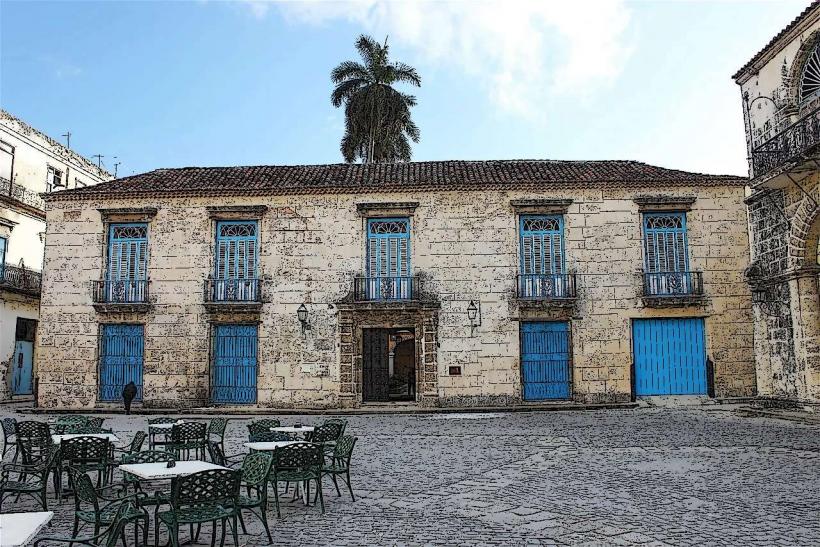
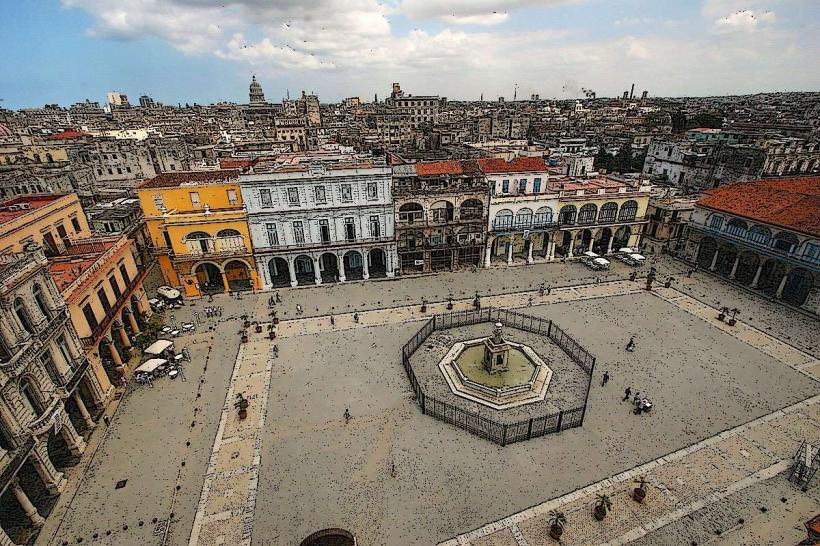
The museum is situated within a colonial-era building. The facade features stucco walls painted in a pale yellow hue, accented with white trim around windows and doorways. The structure has two stories with wrought-iron balconies on the upper level. The interior spaces are characterized by high ceilings, tiled floors, and wooden display cases.
Location & Access Logistics
The Museo de la Danza is located at Calle Habana 162, between Calles Muralla and Obrapía, in Habana Vieja (Old Havana). It is approximately 1 kilometer east of Parque Central. Access is primarily on foot within the pedestrianized zones of Old Havana. No dedicated parking is available; visitors typically park in public garages such as the one at Parque Central or the Capitolio. Public bus routes serving Habana Vieja include routes P1, P4, and P12, with stops a short walk from the museum.
Historical & Ecological Origin
The building housing the Museo de la Danza was constructed in the late 18th century. It originally served as a private residence for a wealthy merchant family. Its purpose was later adapted for various commercial and residential uses before its designation as a museum in the early 21st century, dedicated to preserving and showcasing Cuban dance heritage.
Key Highlights & Activities
Exhibits include historical costumes worn by prominent Cuban dancers, photographs documenting significant performances, and archival materials detailing the evolution of Cuban dance forms such as ballet, folkloric dance, and contemporary styles. Visitors can view displays on figures like Alicia Alonso. The museum occasionally hosts small-scale demonstrations or talks by dance professionals.
Infrastructure & Amenities
Restrooms are available on the ground floor. Limited seating is provided within exhibition areas. Natural light is supplemented by artificial lighting. Cell phone signal (3G/4G) is generally available within the building, though it can be intermittent. No food vendors are located within the museum; however, numerous restaurants and cafes are situated on nearby streets in Habana Vieja.
Best Time to Visit
The museum is generally less crowded during weekday mornings, between 9:00 AM and 11:00 AM. Afternoon hours, particularly between 2:00 PM and 4:00 PM, can also be suitable. Lighting conditions within the museum are consistent due to artificial illumination. The best months for visiting Havana, and thus the museum, are typically from November to April, avoiding the peak of the rainy season and hurricane season.
Facts & Legends
A notable artifact within the museum is a pair of pointe shoes worn by prima ballerina assoluta Alicia Alonso during a performance of "Giselle" in the 1950s. Local lore suggests that the building's original owner was a patron of the arts who secretly funded early theatrical productions in Havana, contributing to the city's cultural development long before the museum's establishment.
Nearby Landmarks
- 0.2km West: Museo de la Ciudad (City Museum)
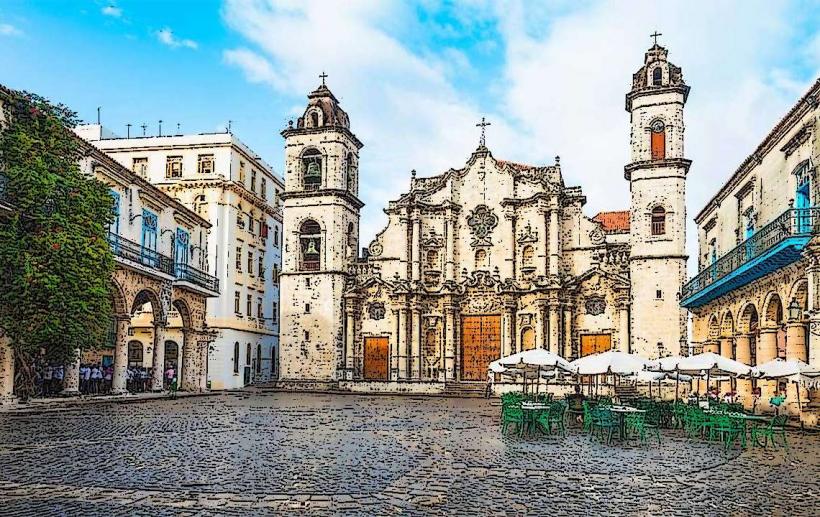
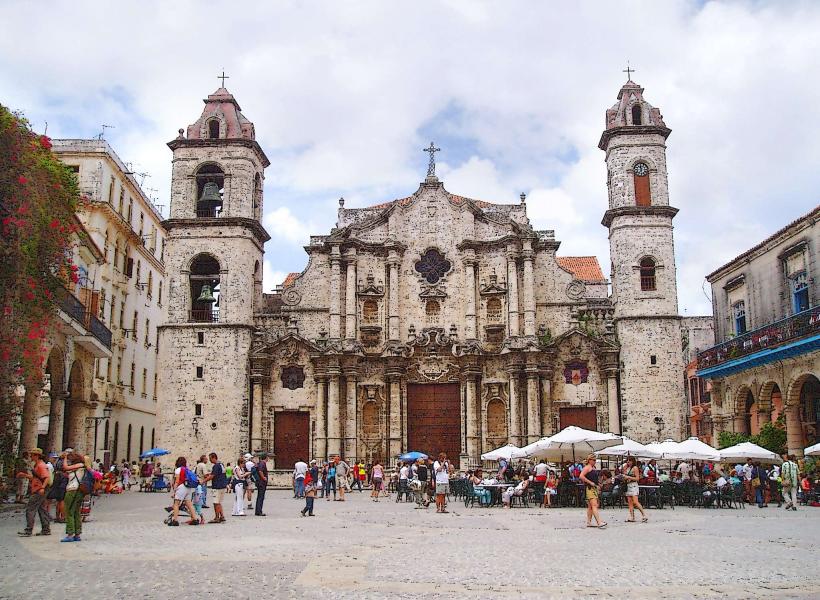
- 0.3km Northwest: Catedral de San Cristóbal de La Habana (Havana Cathedral)
- 0.4km Southwest: Plaza Vieja (Old Square)
- 0.5km West: El Capitolio Nacional (National Capitol Building)
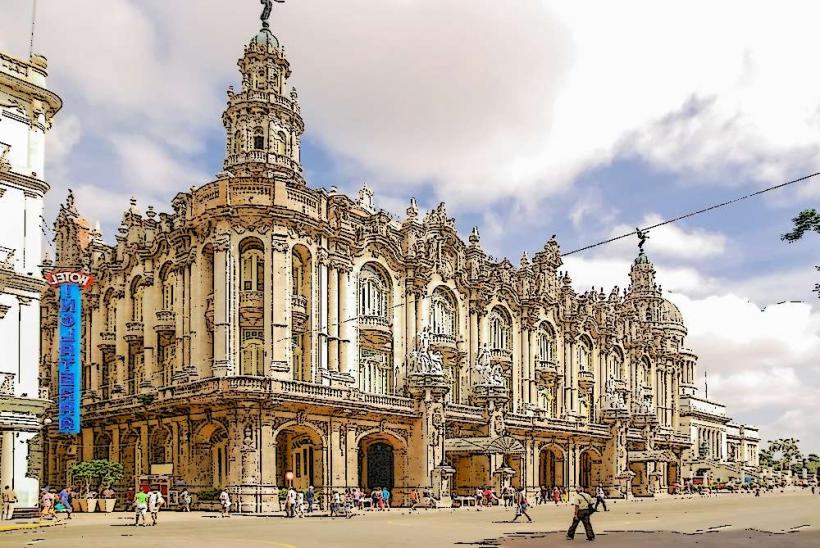
- 0.6km West: Gran Teatro de La Habana Alicia Alonso (Great Theatre of Havana)