Landmark: Old Havana (Habana Vieja)
City: Havana
Country: Cuba
Continent: North America
Old Havana (Habana Vieja), Havana, Cuba, North America
Old Havana, designated a UNESCO World Heritage site, is the historic central area of Havana, Cuba.
It comprises the original port city founded by the Spanish in the 16th century and its defensive fortifications.
Visual Characteristics
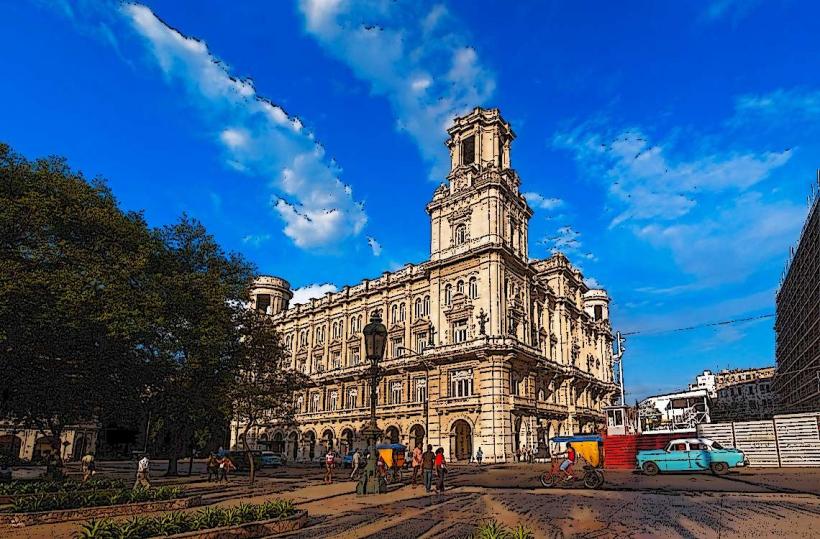
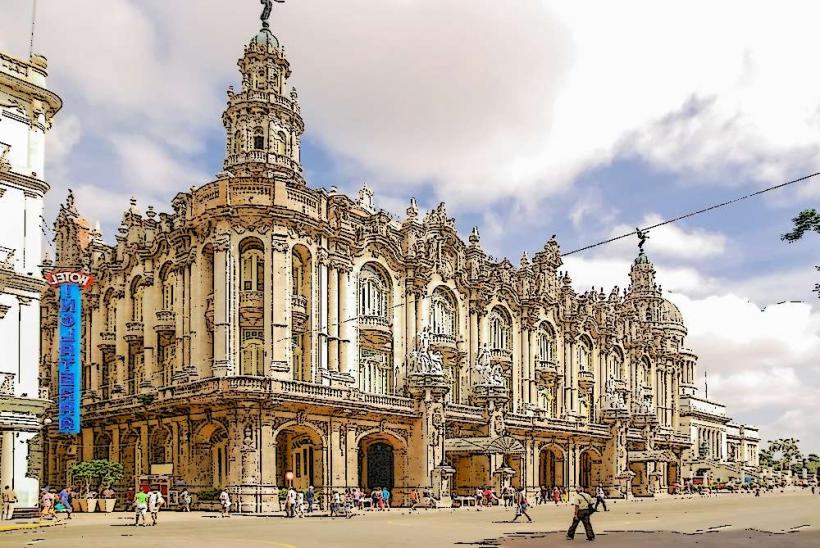
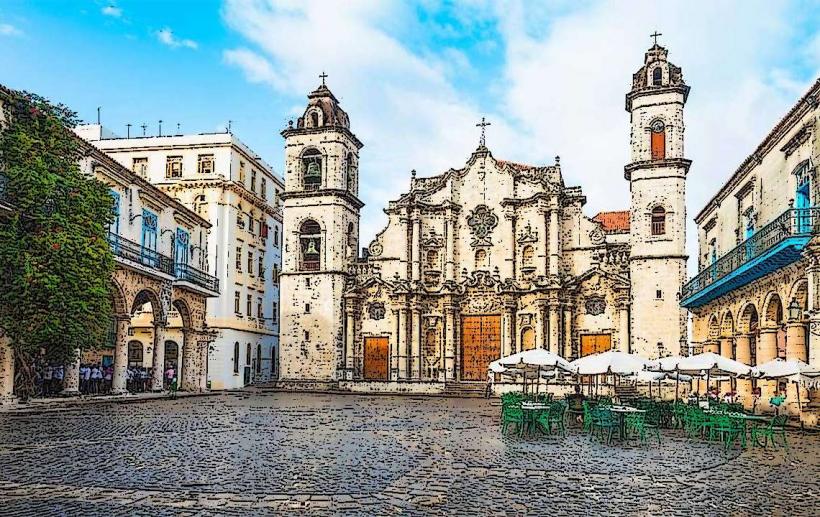
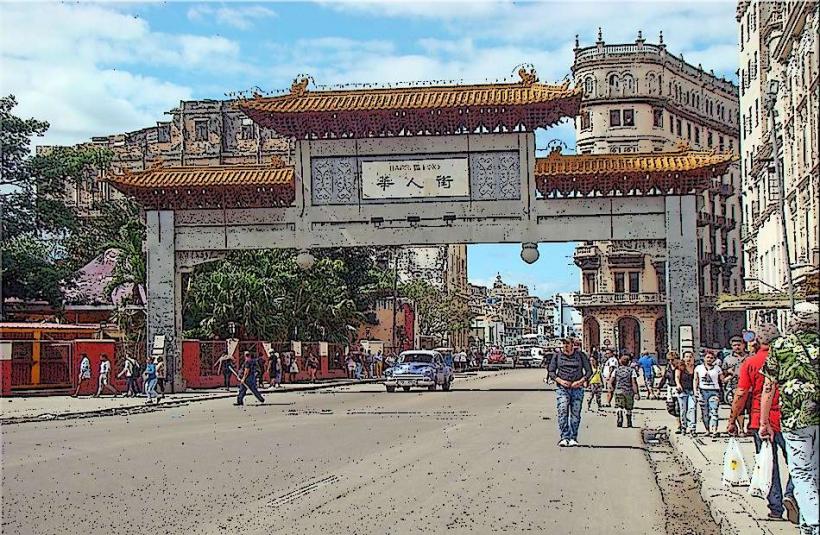
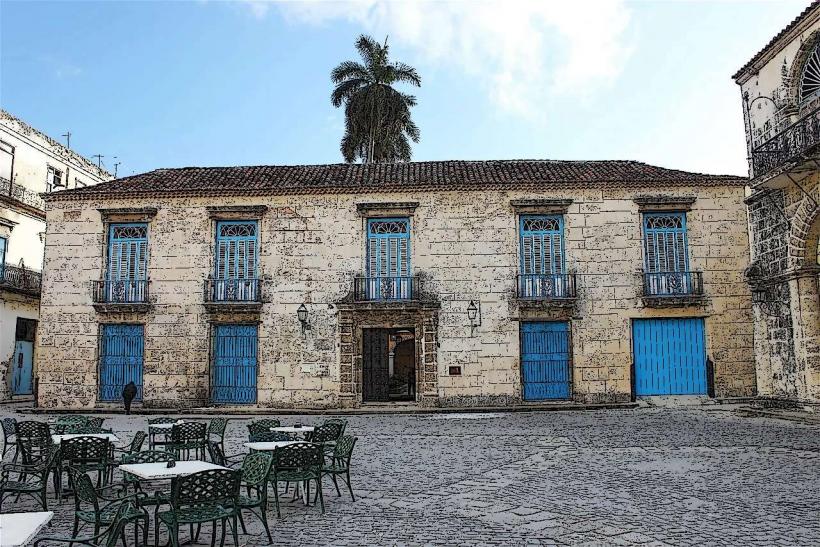
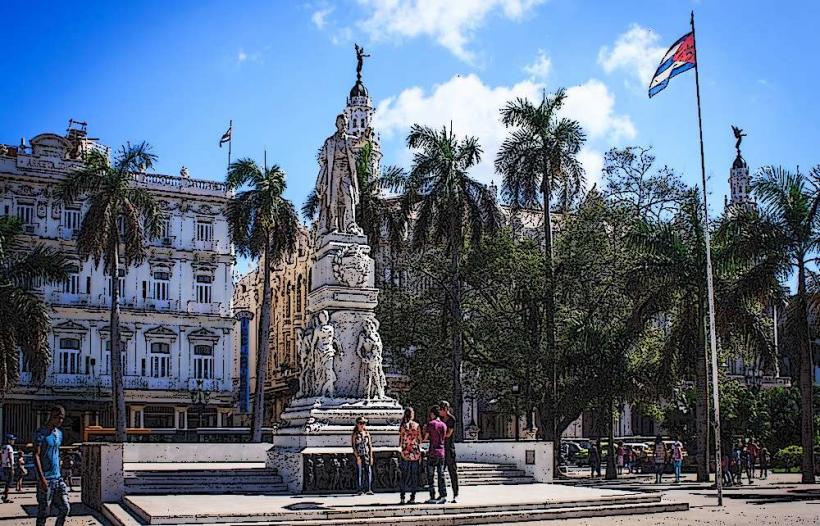
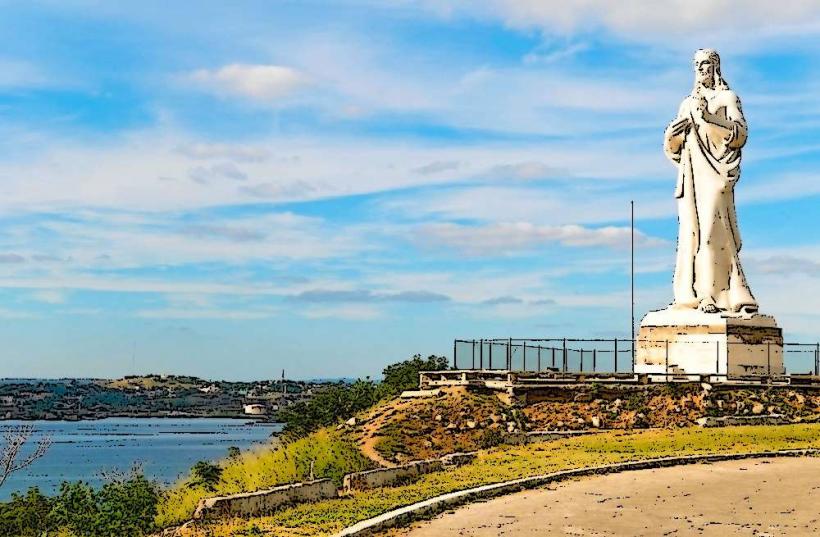
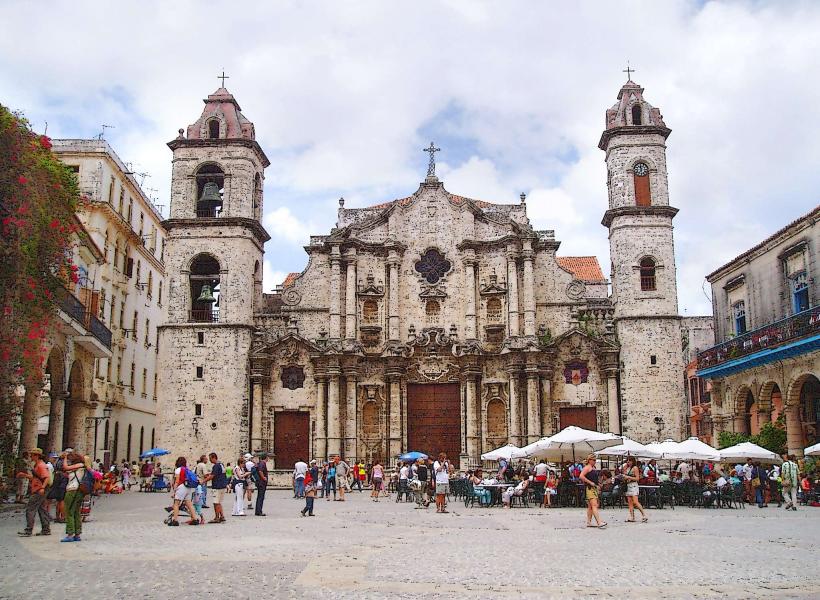
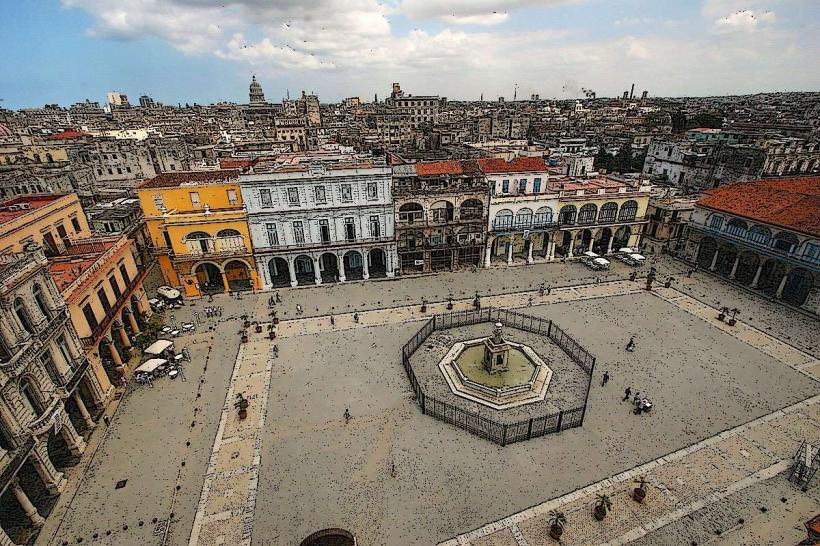
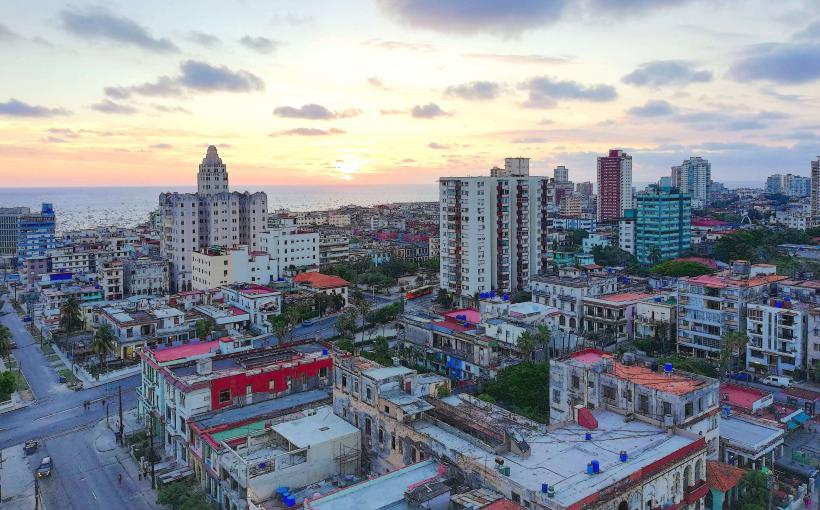
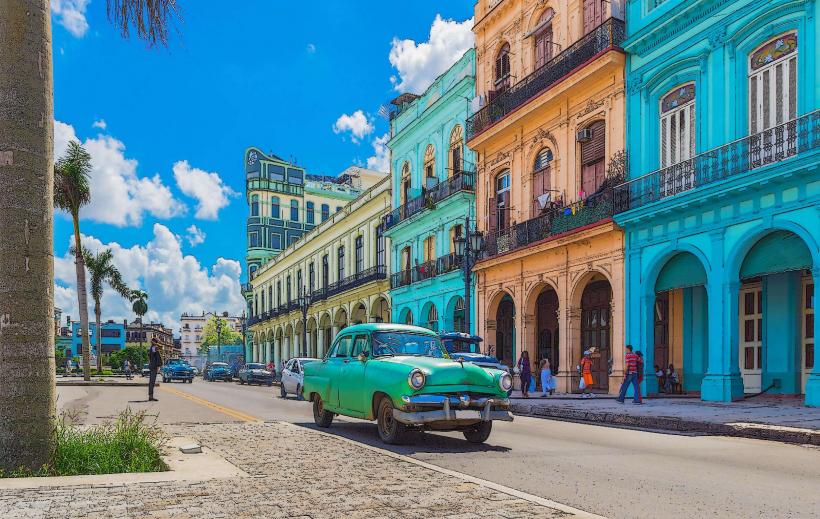
Architecture in Old Havana features a mix of Baroque and Neoclassical styles. Buildings are predominantly constructed from limestone and coral stone, often painted in pastel hues. Many structures exhibit ornate balconies, wrought-iron details, and tiled roofs. The street layout is a grid pattern in older sections, transitioning to more organic growth in later expansions. The area is characterized by plazas, narrow cobblestone streets, and courtyards.
Location & Access Logistics
Old Havana is situated on the western side of the entrance to Havana Bay. It is approximately 1km east of the modern city center. Access is primarily via public roads such as Avenida del Puerto and Calle Obispo. Parking is limited and often restricted to designated lots or street parking in specific zones, with fees applicable. Public transport includes numerous bus routes (e.g., P1, P2, P4) that stop at the periphery of the historic district, and taxis are readily available.
Historical & Ecological Origin
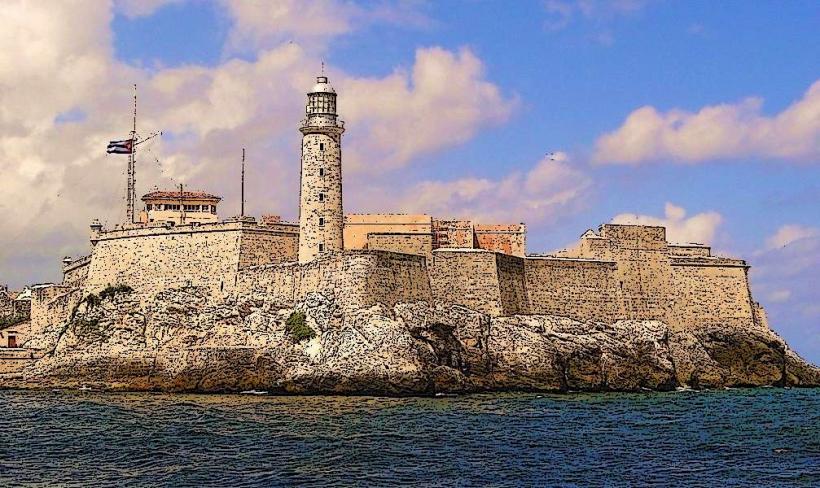
Old Havana was founded by Spanish conquistador Diego Velázquez de Cuéllar in 1519. Its initial purpose was as a strategic port for Spanish trade routes in the Americas. The city's fortifications, including the Castillo de la Real Fuerza and the Castillo de los Tres Reyes del Morro, were constructed from the 16th to the 18th centuries to defend against pirate attacks and foreign invasions. The area's geology consists of sedimentary rock formations, primarily limestone, which influenced early construction methods.
Key Highlights & Activities
Exploration of the four main plazas: Plaza de Armas, Plaza Vieja, Plaza de San Francisco, and Plaza de la Catedral. Walking tours focusing on architectural history. Visiting the Museo de la Ciudad (City Museum) located in the former Palace of the Captains General. Observing the restoration efforts on historic buildings. Experiencing live music performances in public spaces.
Infrastructure & Amenities
Restrooms are available in museums, restaurants, and some public squares, though their condition varies. Shade is provided by building overhangs and trees in some plazas. Cell phone signal (4G/5G) is generally available throughout the area. Food vendors and restaurants are numerous, offering local cuisine and beverages.
Best Time to Visit
For photography, early morning (7:00 AM - 9:00 AM) offers softer light and fewer crowds. Late afternoon (4:00 PM - 6:00 PM) also provides favorable lighting conditions. The best months for weather are typically November through April, with average temperatures ranging from 24°C to 28°C and lower humidity. High tide or low tide does not significantly impact access or activities within Old Havana.
Facts & Legends
A persistent legend claims that the ghost of a former Spanish governor, Don Francisco de Arango y Parreño, still roams the streets of Old Havana, particularly near the Plaza de Armas, searching for lost documents. A verified historical oddity is the presence of the oldest continuously inhabited house in Cuba, located at Calle Obispo 154.
Nearby Landmarks
- Castillo de la Real Fuerza (0.2km East)
- Plaza de San Francisco (0.3km Southeast)
- Museo de la Revolución (0.8km West)
- Capitolio Nacional (1.0km West)
- Gran Teatro de La Habana (1.1km West)