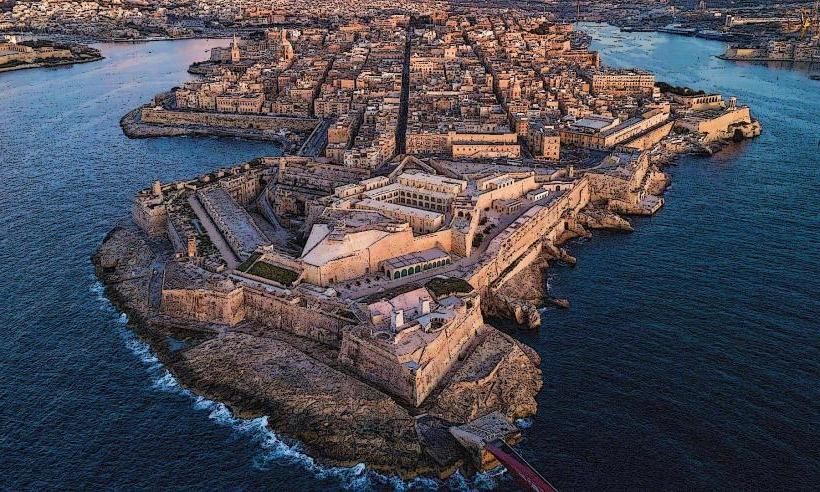
Landmark: Fort St. Elmo
City: Valletta
Country: Malta
Continent: Europe
Fort St. Elmo, Valletta, Malta, Europe
Visual Characteristics
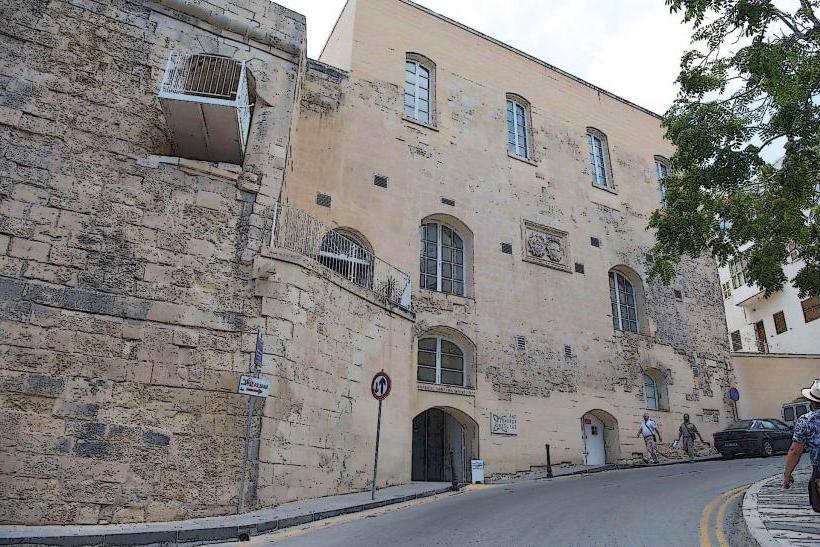
Fort St. Elmo is a star fort constructed primarily from local globigerina limestone, giving it a honey-colored appearance. Its design incorporates multiple bastions, ravelins, and cavaliers, characteristic of 16th-century military architecture. The defensive walls vary in height, presenting a formidable profile towards the sea and land approaches. The overall structure covers a significant area at the tip of the Valletta peninsula.
Location & Access Logistics
The fort is situated at the northeastern tip of the Valletta peninsula, accessible via Triq il-Mediterran. It is approximately 1.5 km from Valletta's City Gate, a walk of about 15-20 minutes through the city streets. Limited street parking is available in Valletta; visitors are advised to use public car parks outside the city walls, such as the MCP Car Park, and proceed on foot or by public transport. The Valletta bus terminus, a central hub for numerous bus lines, is a 15-minute walk from the fort.
Historical & Ecological Origin
The original Fort St. Elmo was constructed by the Knights of St. John in 1552, designed by engineers including Niccolò Bellavanti. Its primary purpose was coastal defense, specifically to protect the entrances to the Grand Harbour and Marsamxett Harbour. The fort gained historical significance during the Great Siege of Malta in 1565, where its prolonged resistance against Ottoman forces was crucial. Following the siege, the fort was extensively rebuilt and expanded under the direction of engineers like Francesco Laparelli.
Key Highlights & Activities
Visitors can explore the fort's extensive ramparts, bastions, and internal courtyards. The National War Museum is housed within the fort, displaying artifacts from prehistoric times to Malta's role in World War II. Panoramic views of the Grand Harbour, Marsamxett Harbour, and the surrounding coastline are available from various points. The fort also hosts the In Guardia Parade, a historical re-enactment of the Knights of St. John's military drills, typically held on select Sundays.
Infrastructure & Amenities
Restrooms are available within the National War Museum complex inside the fort. Shade is limited on the open ramparts but can be found within the museum buildings and designated areas. Cell phone signal (4G/5G) is generally strong throughout the fort. A café offering refreshments and light meals is located on-site. Additional food and beverage establishments are available within walking distance in Valletta.
Best Time to Visit
For photography, early morning or late afternoon provides optimal lighting conditions, casting a warm glow on the limestone walls and offering clear views of the harbours. The most comfortable months for visiting are spring (April-May) and autumn (September-October), when temperatures are moderate. Summer months (June-August) can be very hot, making early morning visits preferable. Tide requirements are not applicable for this land-based fortification.
Facts & Legends
During the Great Siege of Malta in 1565, Fort St. Elmo, initially intended as a temporary outpost, withstood a 28-day siege by the Ottoman Empire. Its prolonged defense, despite being heavily outnumbered, bought critical time for the main forces of the Knights of St. John to prepare, ultimately contributing to the Ottoman defeat. A specific tip for visitors is to ascend to the highest points of the fort for unparalleled views of the Three Cities across the Grand Harbour and the Sliema coastline, offering unique photographic perspectives.
Nearby Landmarks
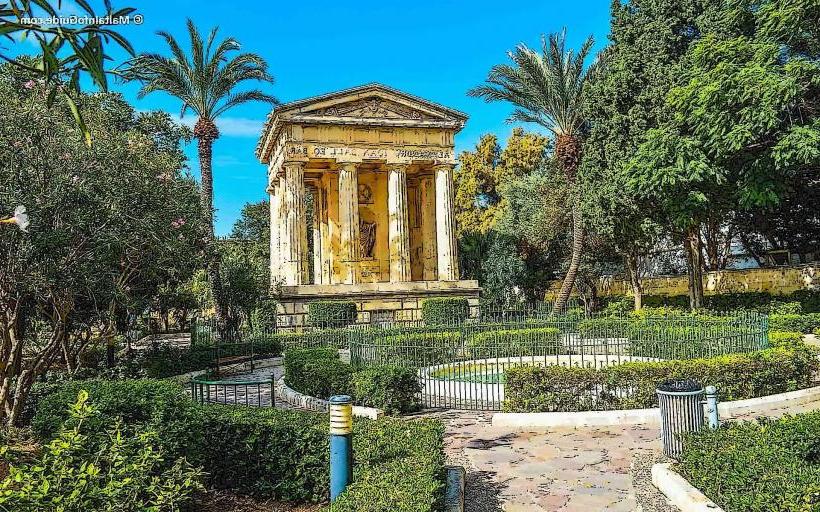
- Lower Barrakka Gardens: 0.5km West
- Siege Bell Memorial: 0.8km West
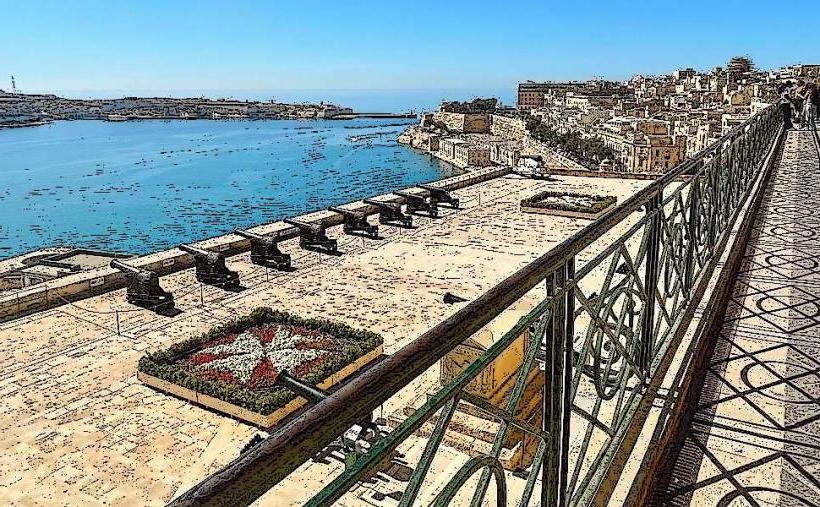
- Upper Barrakka Gardens: 1.0km West
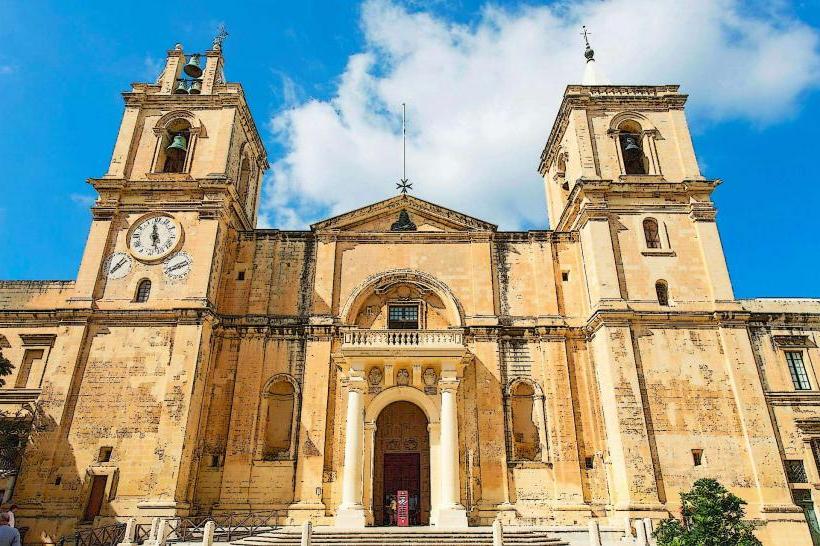
- St. John's Co-Cathedral: 1.2km West
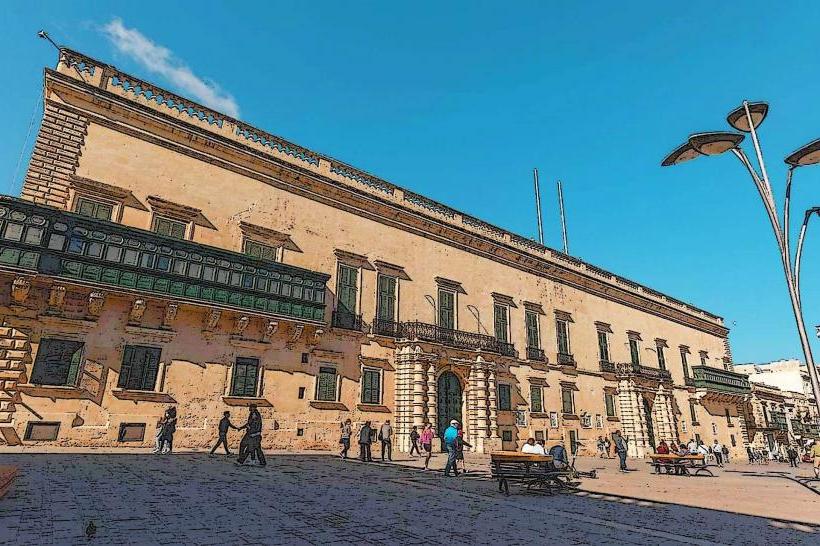
- Grand Master's Palace: 1.3km West