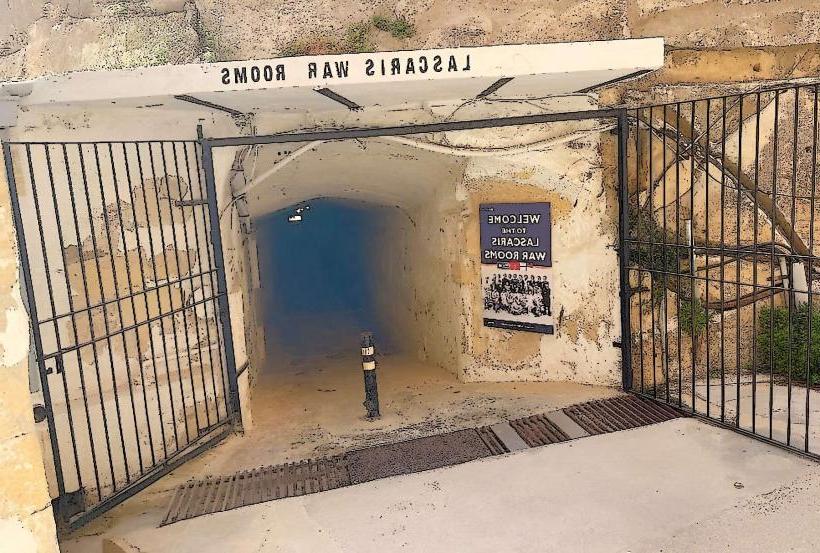
Landmark: Lascaris War Rooms
City: Valletta
Country: Malta
Continent: Europe
Lascaris War Rooms, Valletta, Malta, Europe
The Lascaris War Rooms are an underground complex of tunnels and chambers located beneath the Upper Barrakka Gardens in Valletta, Malta.
This site served as the British War Headquarters during World War II, coordinating defensive and offensive operations in the Mediterranean.
Visual Characteristics
The complex consists of a network of rock-hewn chambers and tunnels, reinforced with concrete and steel. The interior spaces are functional, featuring original period equipment such as plotting tables, communication devices, and typewriters. Lighting is primarily artificial, creating a subdued atmosphere consistent with its operational history. The design prioritizes utility over aesthetics, reflecting its military purpose.
Location & Access Logistics
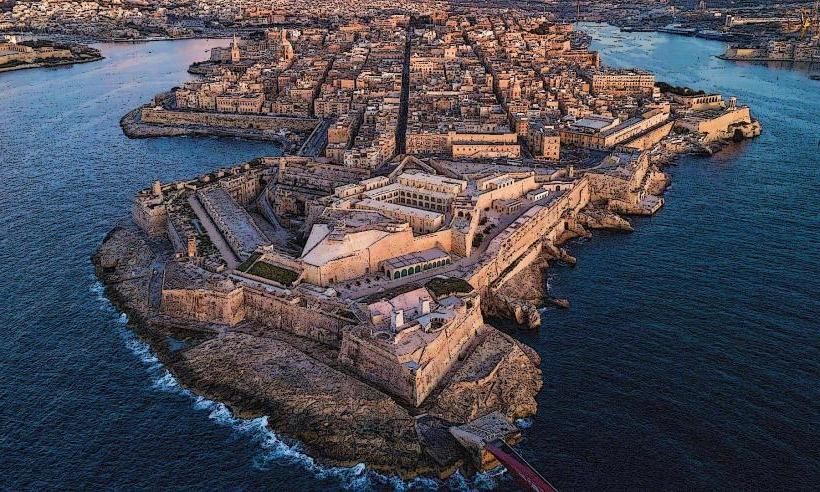
The Lascaris War Rooms are situated within the fortified walls of Valletta, beneath the Upper Barrakka Gardens. Access is typically gained via a dedicated entrance near the gardens, or through the Barrakka Lift which connects the Grand Harbour waterfront to the gardens. Valletta is largely pedestrianized; vehicular access is restricted. Public transport to Valletta's main bus terminus, located just outside City Gate, is extensive. From the terminus, the War Rooms are approximately a 10-minute walk. Parking is available in designated areas outside the city walls, such as the Floriana Park & Ride, requiring a subsequent walk or short bus ride into Valletta.
Historical & Ecological Origin
Construction of the Lascaris War Rooms commenced in 1940, driven by the need for a secure, bomb-proof command center during World War II. The complex was excavated from the natural rock beneath Valletta's bastions. Its original purpose was to house the War Headquarters for the British forces, coordinating air, sea, and land operations. Following the war, the rooms were utilized by NATO as a strategic communications center until 1977.
Key Highlights & Activities
Visitors can explore the various operational rooms, including the Combined Operations Room, the Filter Room, and the Anti-Aircraft Gun Operations Room. Self-guided tours are available, with informational plaques detailing the function of each area. Guided tours are also offered, providing deeper historical context and anecdotes. The experience involves navigating subterranean passages and viewing authentic wartime artifacts.
Infrastructure & Amenities
Restroom facilities are available on-site. As an underground complex, natural shade is inherent throughout the visit. Cell phone signal (4G/5G) may be intermittent or weak in deeper sections of the tunnels. Food and beverage vendors are not present within the War Rooms themselves, but numerous cafes and restaurants are located in the adjacent Upper Barrakka Gardens and throughout Valletta.
Best Time to Visit
The Lascaris War Rooms can be visited year-round, as the underground environment maintains a relatively constant temperature. Weekday mornings typically experience fewer visitors than afternoons or weekends. Being an indoor attraction, weather conditions do not significantly impact the visit. There are no specific lighting or tide requirements for optimal viewing.
Facts & Legends
The Lascaris War Rooms served as the primary command center for Operation Husky, the Allied invasion of Sicily in July 1943. This operation, planned and directed from these very chambers, marked a pivotal moment in the Mediterranean theatre of World War II.
Nearby Landmarks
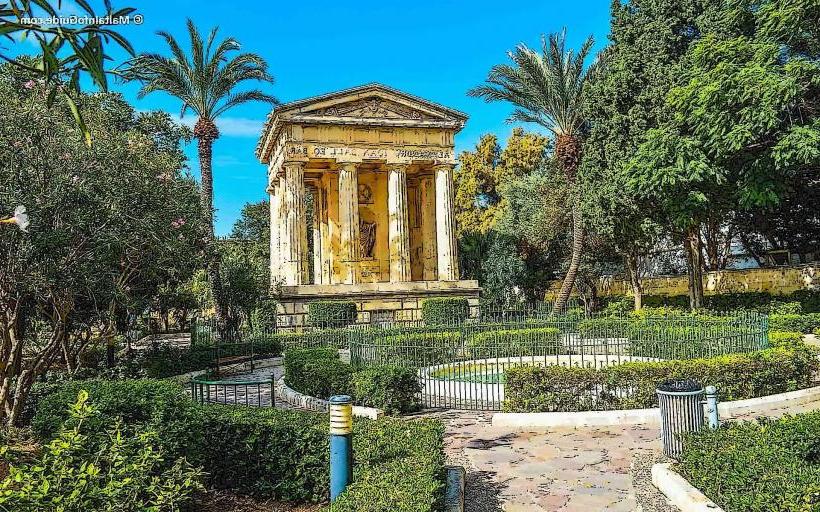
- Upper Barrakka Gardens: 0.05km North (directly above)
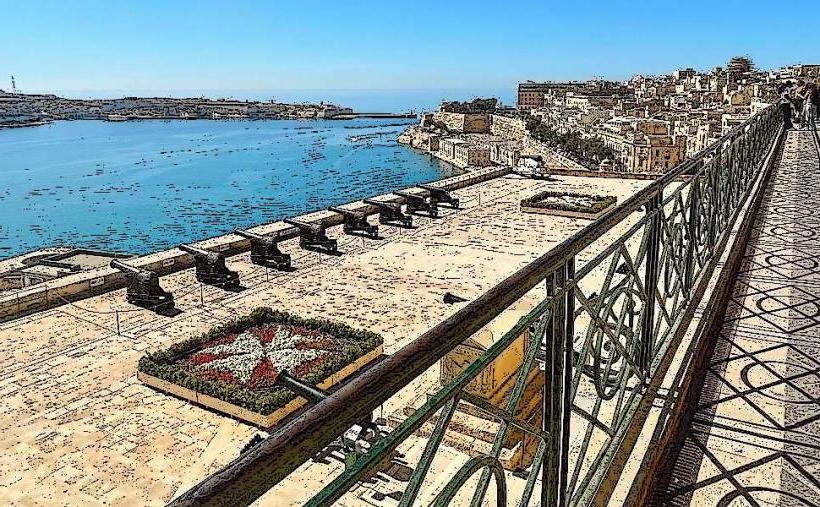
- Saluting Battery: 0.1km East
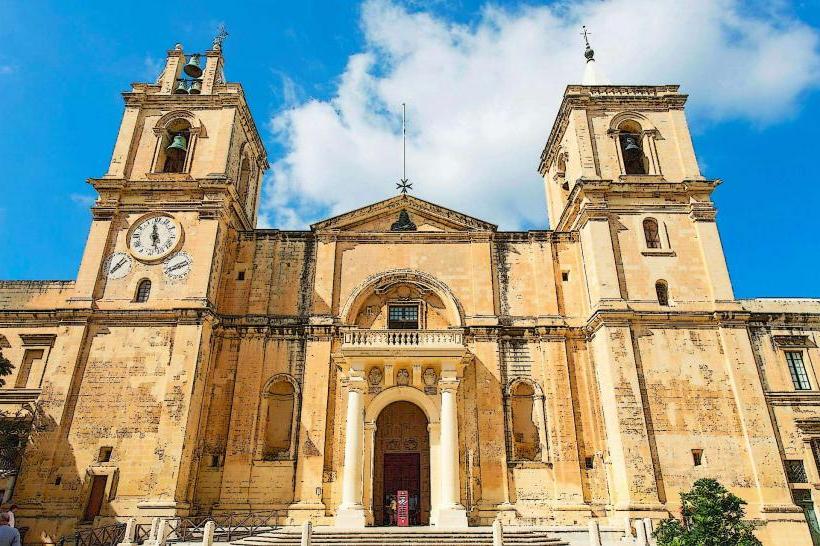
- St. John's Co-Cathedral: 0.6km Northwest
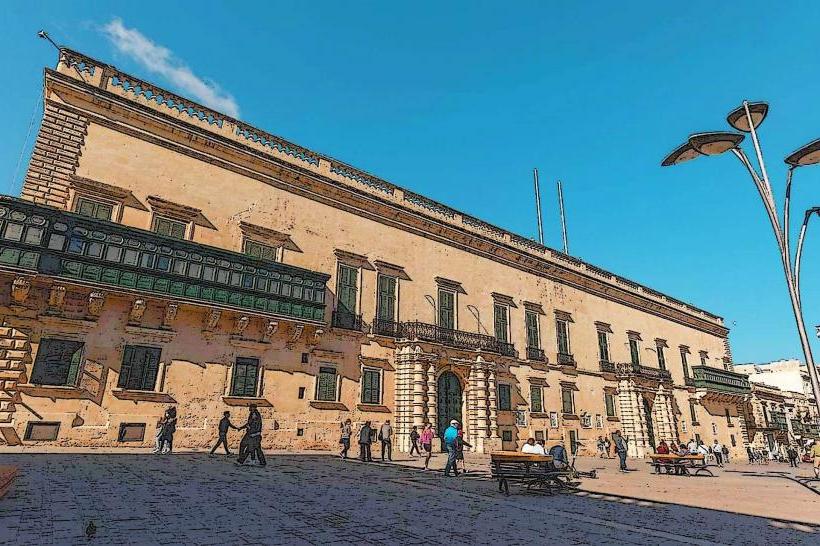
- Grand Master's Palace: 0.7km Northwest
- National Museum of Archaeology: 0.8km Northwest