Landmark: Grandmaster's Palace
City: Valletta
Country: Malta
Continent: Europe
Grandmaster's Palace, Valletta, Malta, Europe
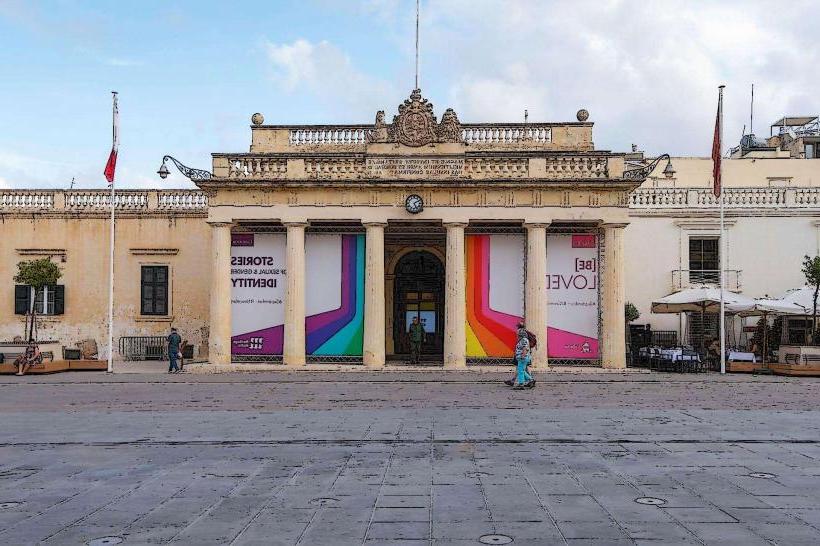
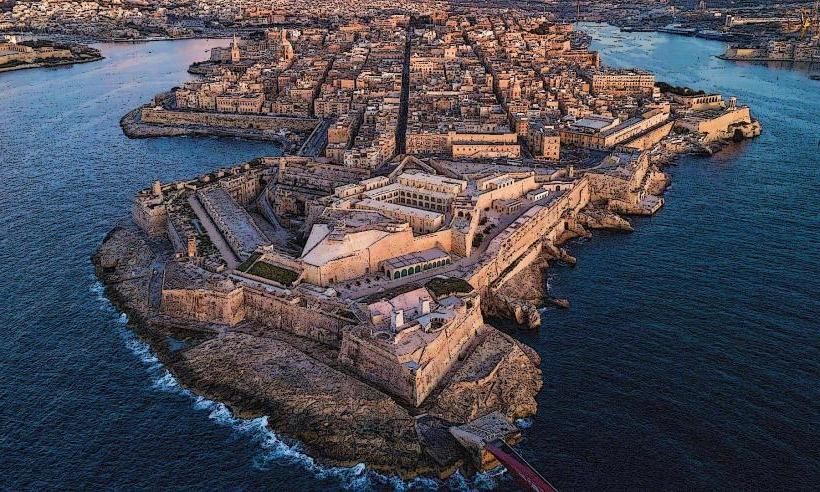
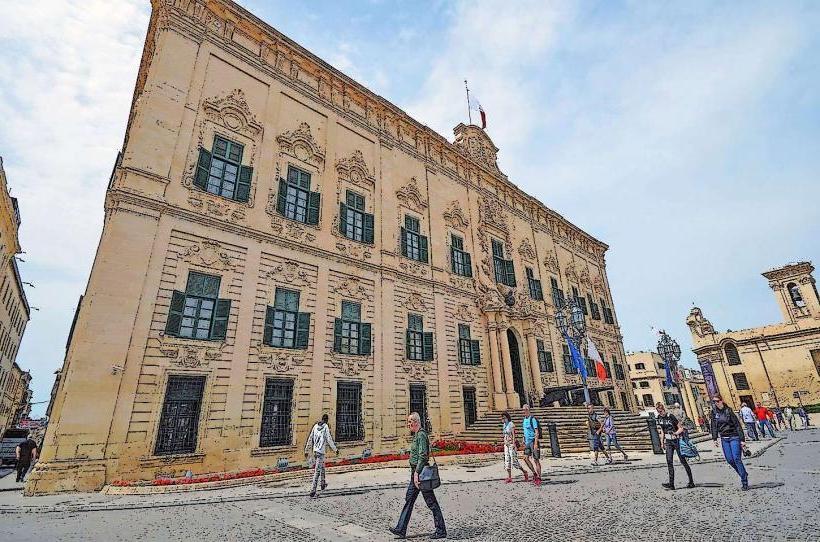
The Grandmaster's Palace is a historic palace situated in the central area of Valletta, Malta. It functioned as the residence of the Grand Master of the Order of St John and currently accommodates the Office of the President of Malta and the House of Representatives.
Visual Characteristics
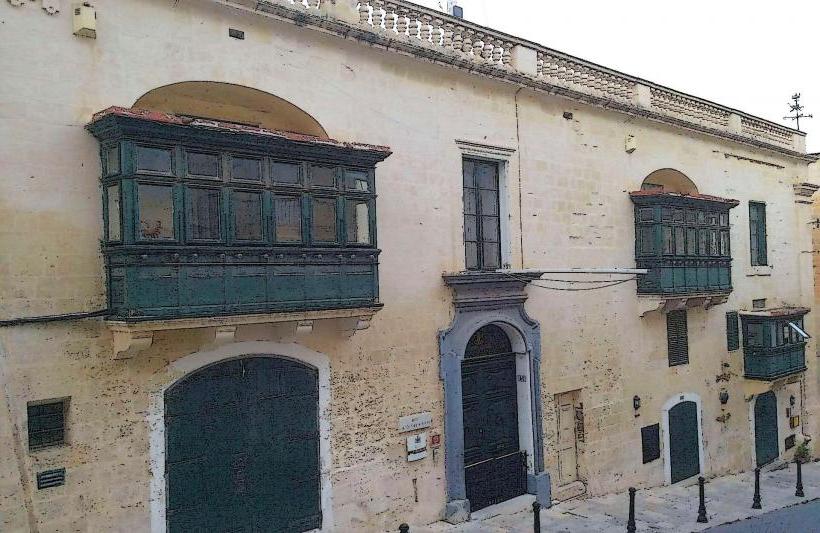
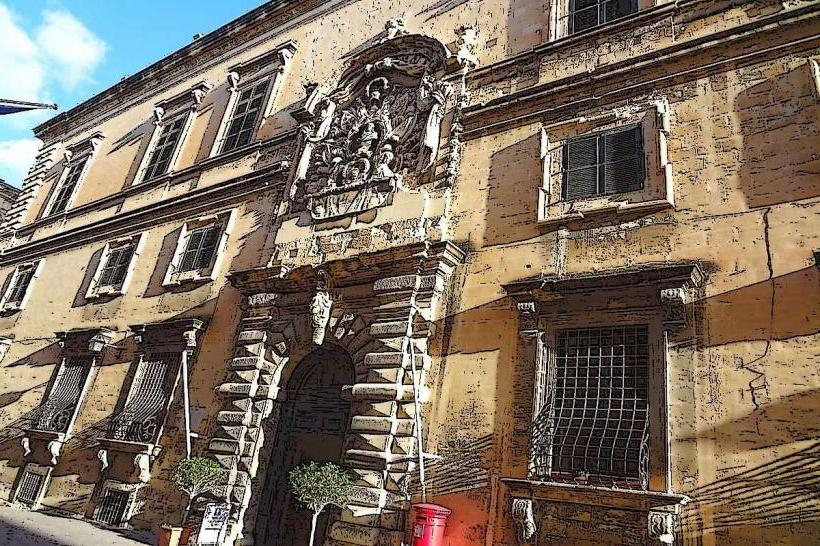
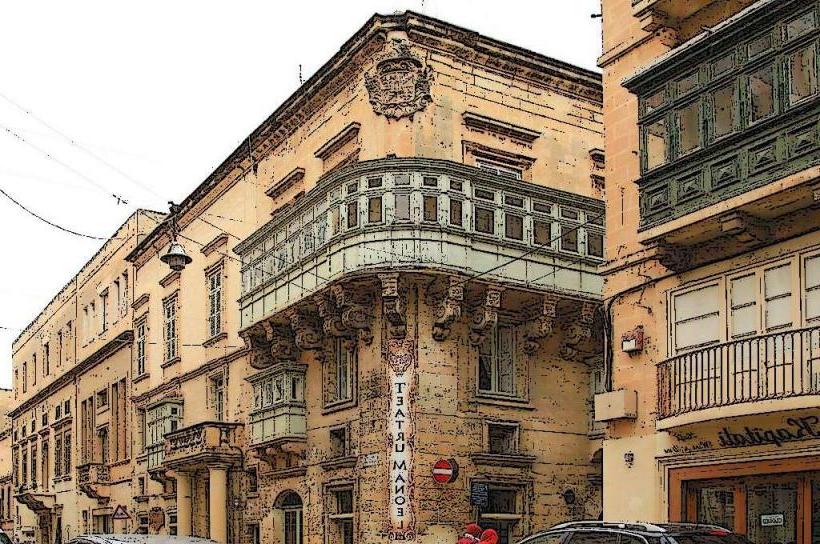
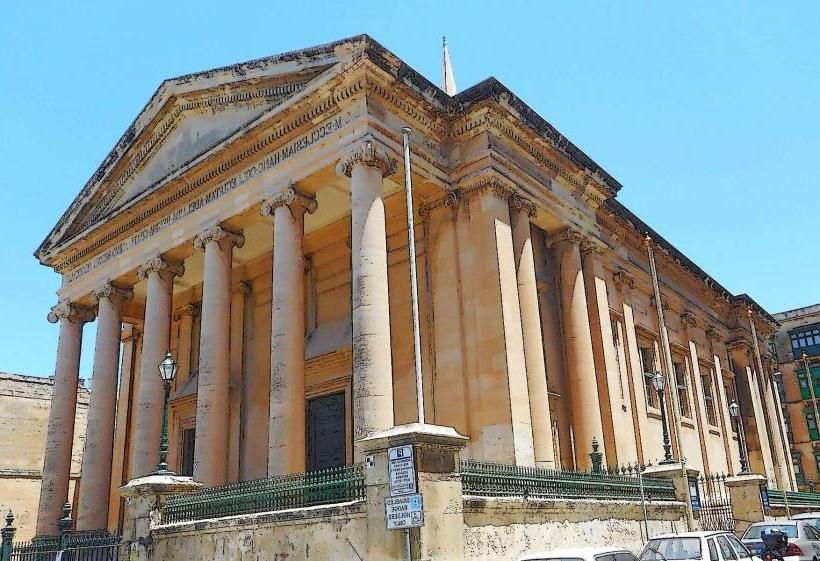
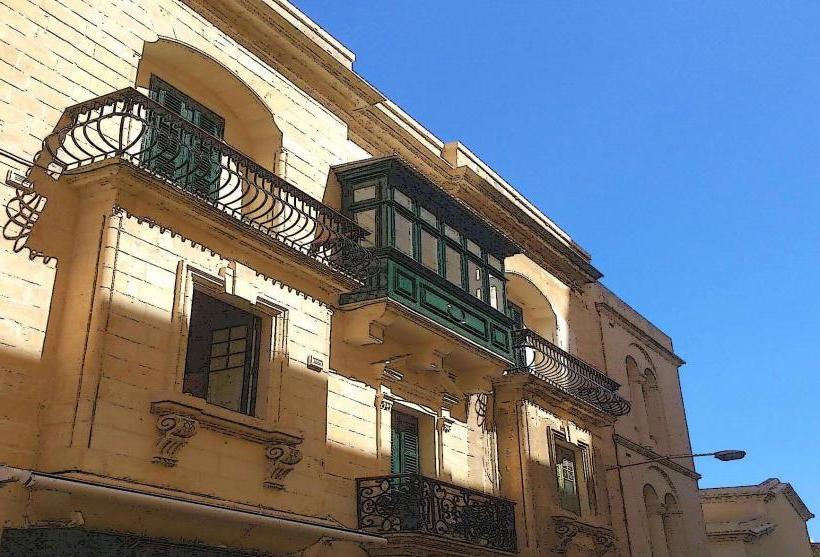
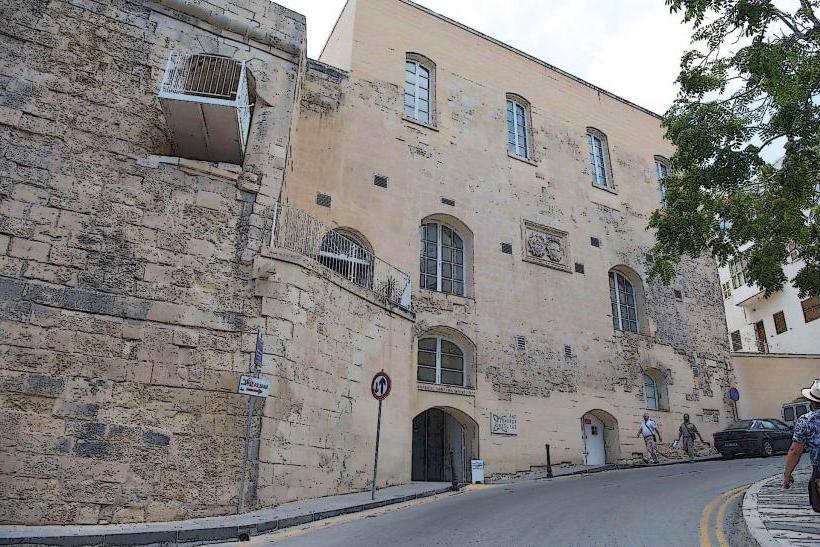
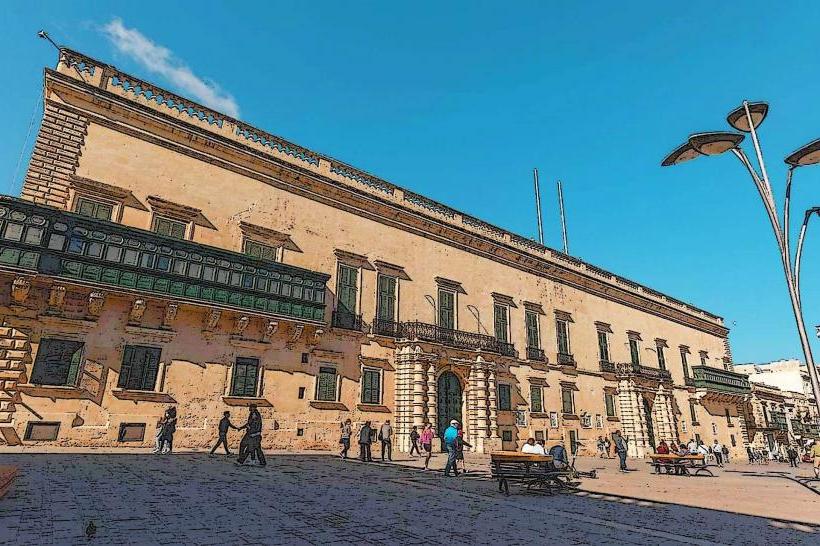
The palace is constructed primarily from local globigerina limestone, exhibiting a honey-colored facade. It is a multi-story structure, characterized by a Mannerist architectural style with later Baroque additions. The exterior features a relatively austere design, while the interior courtyards, such as Neptune's Courtyard and Prince Alfred's Courtyard, provide open spaces. The building incorporates numerous windows and balconies, with the main entrance facing St. George's Square.
Location & Access Logistics
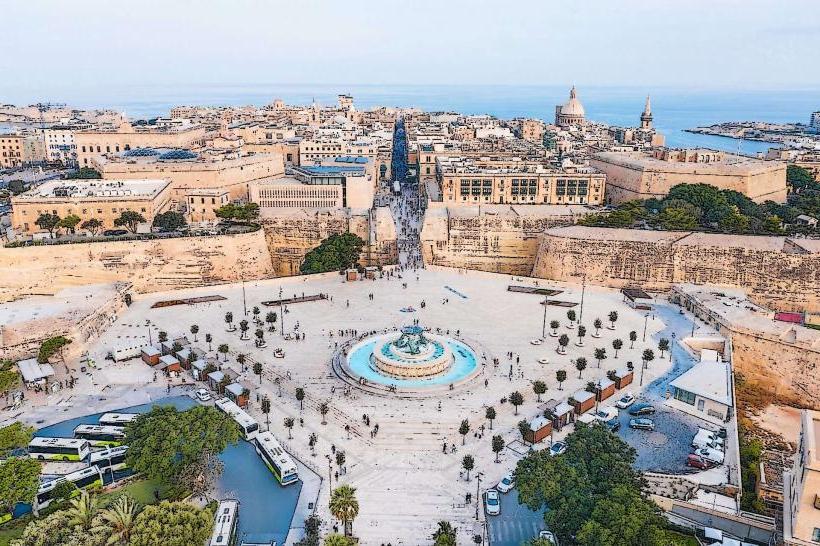
The Grandmaster's Palace is located on Republic Street in Valletta, approximately 0.5 kilometers from the city's main gate. Access is primarily on foot within the pedestrianized city center. Limited street parking is available outside the city walls, with several paid parking garages, such as the MCP Car Park, situated within 1 kilometer. The main Valletta Bus Terminal is located just outside the city gate, approximately 600 meters southwest, offering connections via numerous bus lines to various parts of Malta.
Historical & Ecological Origin
Construction of the Grandmaster's Palace commenced in 1571, shortly after the founding of Valletta. The primary architect was Gerolamo Cassar, with subsequent modifications and additions by other architects over centuries. Its original purpose was to serve as the official residence and administrative center for the Grand Master of the Order of St John, who governed Malta.
Key Highlights & Activities
Visitors can tour the State Rooms, which include the Council Chamber, the Dining Room, and the Ambassadors' Room, notable for their frescoes and tapestries. The Palace Armory, one of the world's largest collections of historic arms and armor, is also accessible. Guided tours are available at specific times, and self-guided audio tours are offered. Photography is permitted in designated areas.
Infrastructure & Amenities
Public restrooms are available within the palace complex. Limited shade is provided within the courtyards and interior spaces. Cell phone signal (4G/5G) is generally strong throughout the building and surrounding area. Several cafes and restaurants are located directly on St. George's Square and along Republic Street, offering food and beverage options within 50 meters.
Best Time to Visit
The best time to visit for photography is during the morning hours (9:00 AM - 11:00 AM) when natural light illuminates the courtyards and exterior facades without harsh shadows. The months of April, May, September, and October offer the most favorable weather conditions, with moderate temperatures and less rainfall. Visiting shortly after opening time (9:00 AM) typically avoids larger crowds.
Facts & Legends
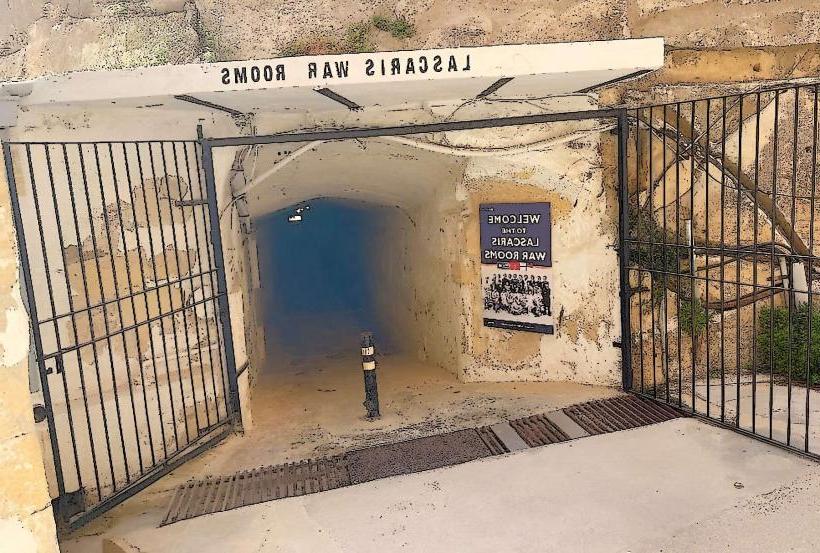
The palace houses a unique collection of Gobelins tapestries, woven in France between 1700 and 1718, depicting exotic scenes from the world's continents. These tapestries were commissioned by Grand Master Ramon Perellos y Roccaful. A lesser-known fact is that the palace's extensive underground passages and cellars were used as air-raid shelters during World War II.
Nearby Landmarks
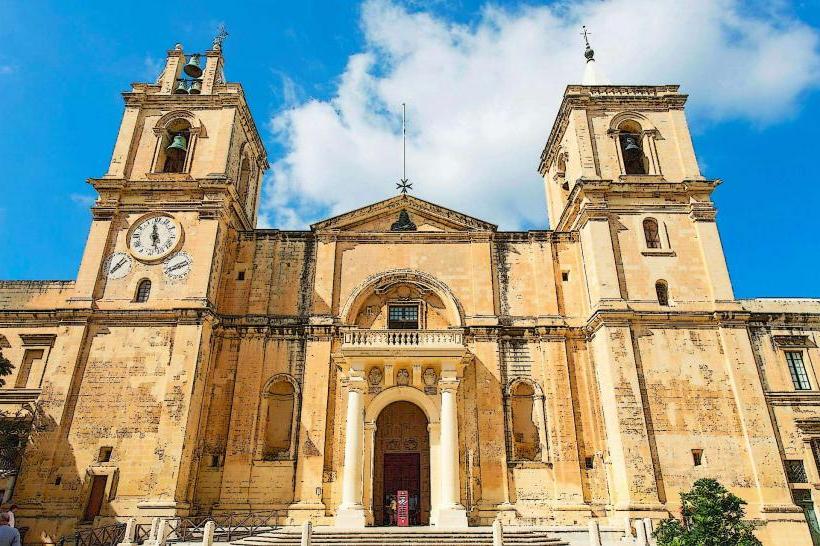
- St. John's Co-Cathedral: 0.2km West
- National Museum of Archaeology: 0.3km South
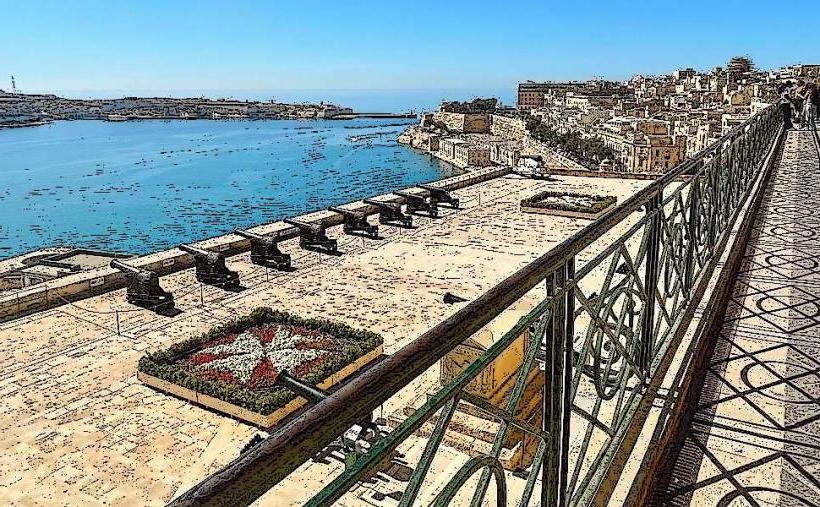
- Upper Barrakka Gardens: 0.6km Southeast
- Fort St. Elmo: 0.8km Northeast
- Casa Rocca Piccola: 0.3km East