Landmark: Sidemen Valley
City: Bali
Country: Indonesia
Continent: Asia
Sidemen Valley, Bali, Indonesia, Asia
Sidemen Valley is a rural area located in East Bali, Indonesia, characterized by its terraced rice paddies and traditional villages.
It is situated inland from the east coast of Bali, approximately 60 kilometers east of Denpasar.
Visual Characteristics
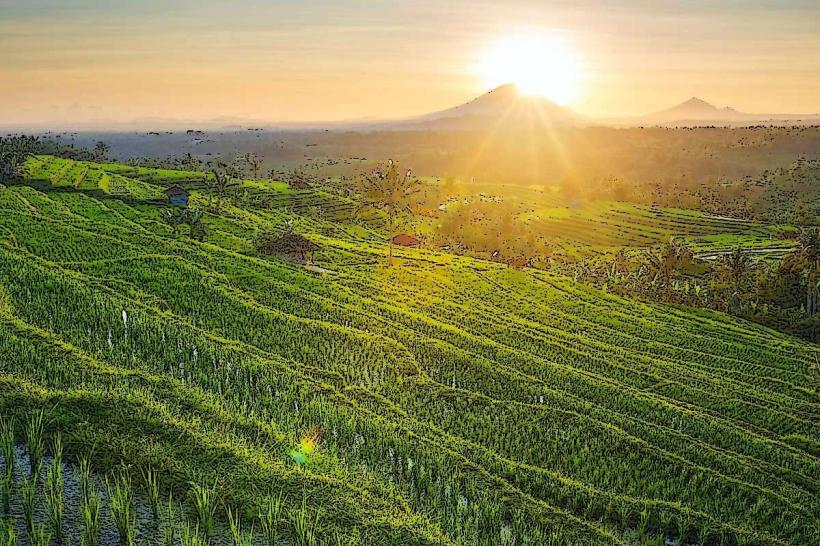
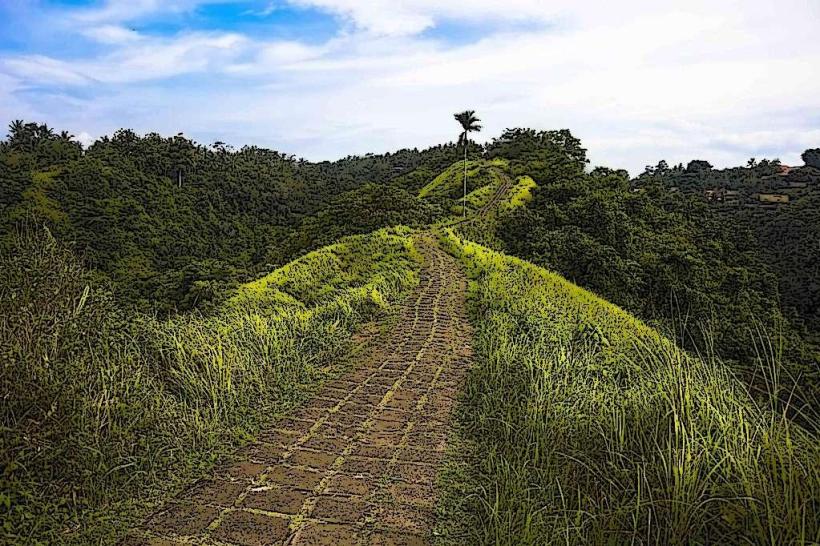
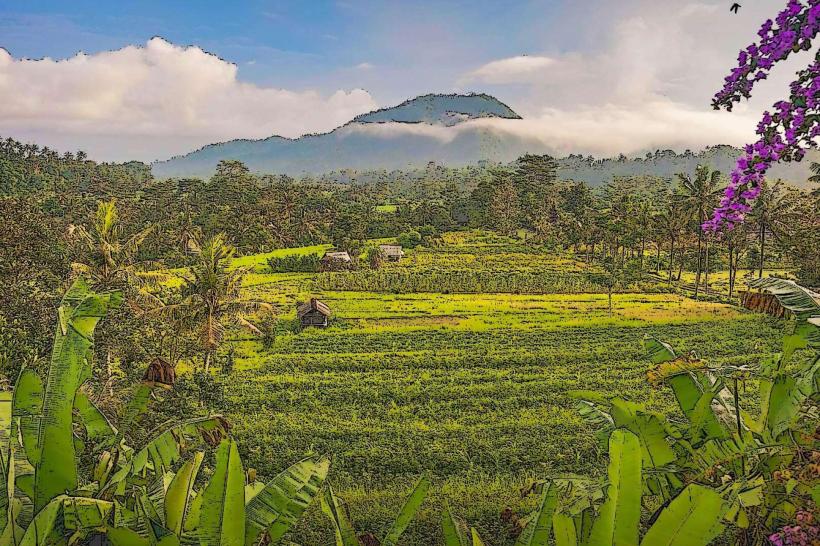
The landscape is dominated by meticulously sculpted rice terraces that descend the hillsides, varying in color from emerald green during the growing season to golden brown during harvest. Traditional Balinese compound houses, constructed with stone, brick, and thatch, are interspersed throughout the valley. The backdrop includes the imposing Mount Agung volcano, often visible on clear days. Rivers and streams carve through the valley floor, supporting the irrigation systems for the paddies.
Location & Access Logistics
Access to Sidemen Valley is primarily via private vehicle or rented car. From Denpasar, take Jalan Bypass Ida Bagus Mantra east, then turn north onto Jalan Raya Besakih. Continue on Jalan Raya Besakih until reaching the turn-off for Sidemen. The journey from Denpasar typically takes 1.5 to 2 hours, depending on traffic. Parking is generally available at guesthouses or designated areas within villages. Public transport directly to Sidemen Valley is limited; shared minibuses (bemos) operate between larger towns, requiring transfers.
Historical & Ecological Origin
The rice terraces of Sidemen Valley are a product of the Subak irrigation system, a UNESCO World Heritage recognized system that has been in place for centuries. This system is a manifestation of the Balinese philosophy of Tri Hita Karana, emphasizing harmony between humanity, nature, and the spiritual realm. The valley's fertile soil is volcanic in origin, derived from the eruptions of Mount Agung, contributing to its agricultural productivity.
Key Highlights & Activities
Trekking through the rice paddies offers direct engagement with the agricultural landscape. Guided walks are available, detailing the Subak system and local farming practices. Visiting traditional weaving villages, such as the village of Sidemen itself, allows observation of the ikat weaving process. Exploring local temples and observing daily village life are also primary activities. Birdwatching is possible due to the diverse avian population supported by the agricultural and natural environment.
Infrastructure & Amenities
Basic amenities are available in the main village of Sidemen, including small warungs (local eateries) and minimarkets. Accommodation options range from simple guesthouses to more established resorts. Restrooms are typically found at these establishments. Shade is provided by trees and the structures of the houses and warungs. Cell phone signal (4G) is generally available in the main village areas but can be intermittent in more remote sections of the valley.
Best Time to Visit
The best time for photography, particularly for capturing the vibrant green of the rice paddies, is during the planting and growing seasons, typically from March to September. The dry season, from April to September, offers the most reliable weather for outdoor activities. For observing the harvest, the months of October and November are relevant. There are no specific tide requirements for visiting the valley.
Facts & Legends
A local belief states that the water flowing through the Subak system is blessed by the spirits of Mount Agung, ensuring the fertility of the land. It is said that the intricate patterns of the rice terraces were inspired by the scales of the mythical Naga Basuki, a benevolent serpent deity associated with prosperity and water.
Nearby Landmarks
- Pura Besakih (Mother Temple of Bali) - 10km Northwest
- Tirta Gangga Water Palace - 15km East
- Ujung Water Palace - 18km Southeast
- Mount Agung - 12km Northwest
- Amed Coastline - 25km Northeast