Landmark: West Bali National Park
City: Bali
Country: Indonesia
Continent: Asia
West Bali National Park, Bali, Indonesia, Asia
West Bali National Park is a protected area located on the western tip of Bali, Indonesia. It encompasses a diverse range of terrestrial and marine ecosystems.
Visual Characteristics
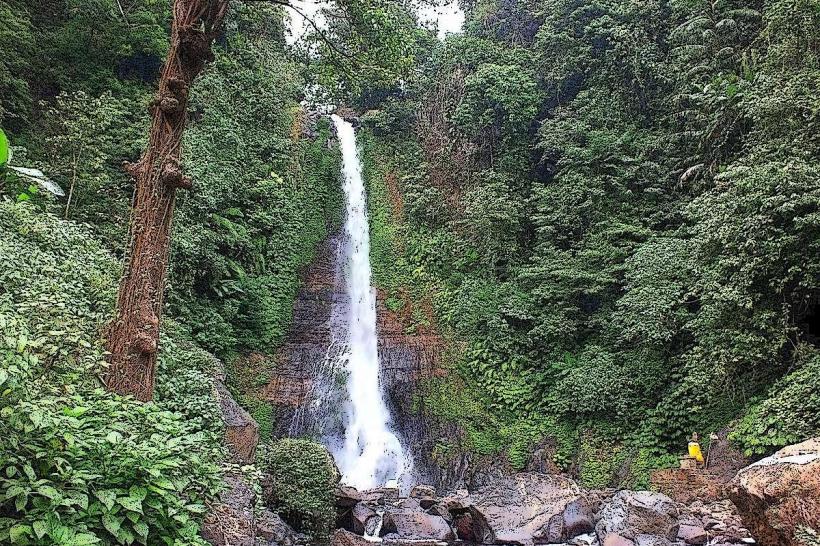
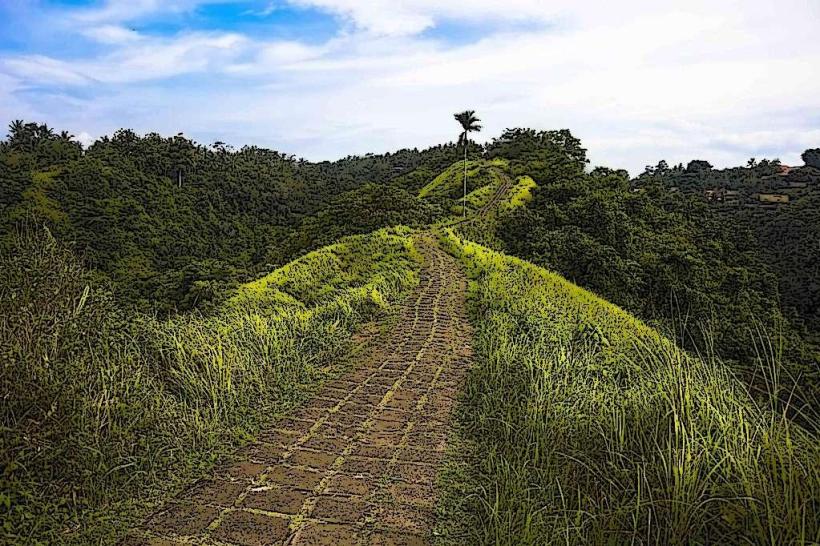
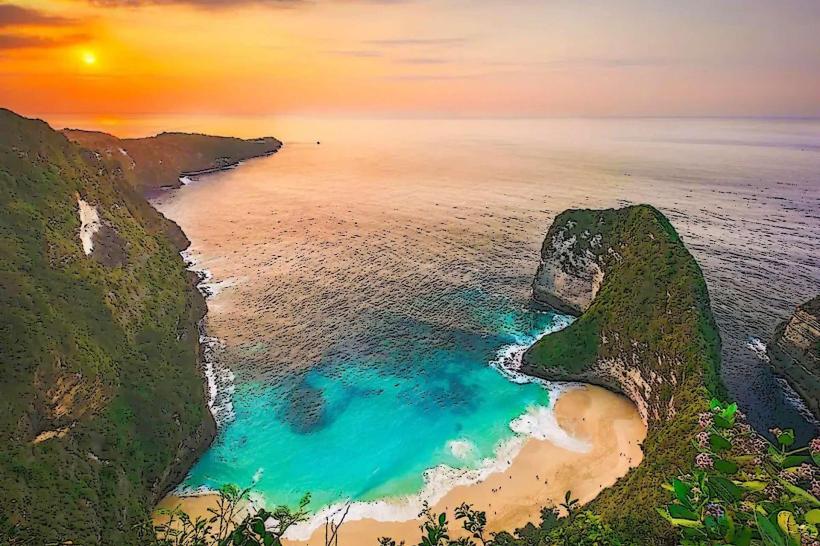
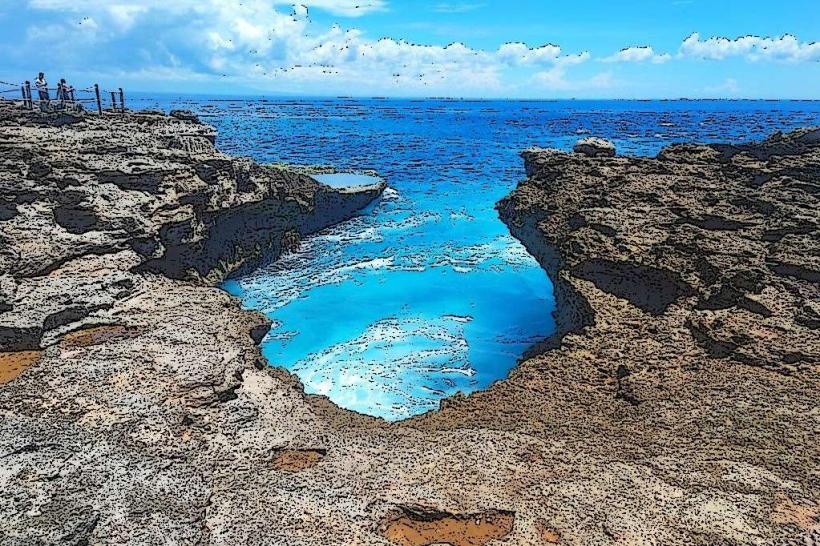
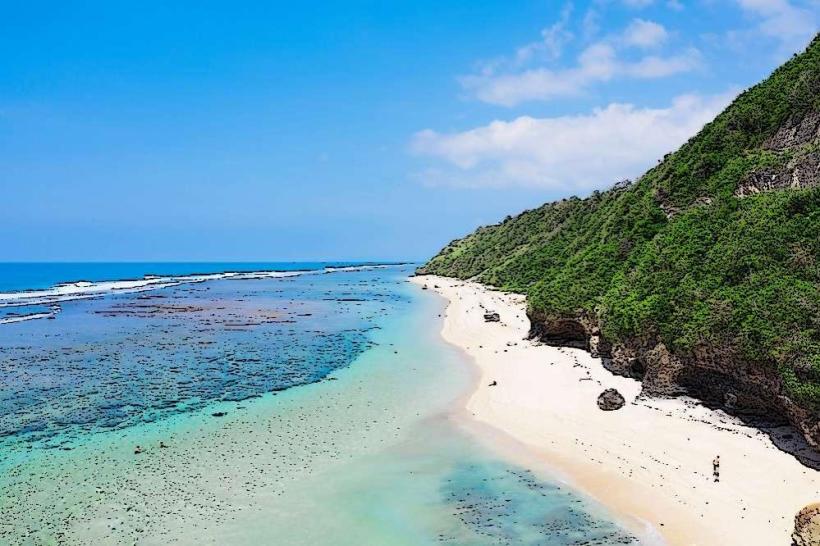
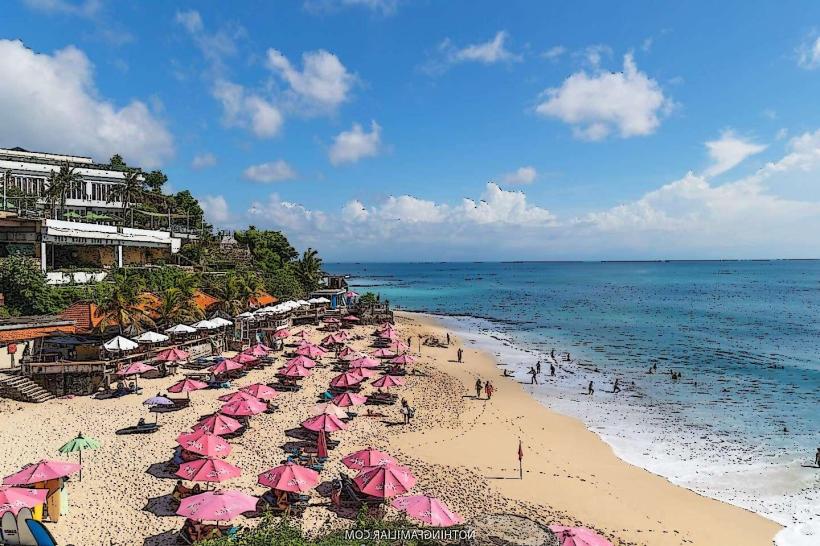
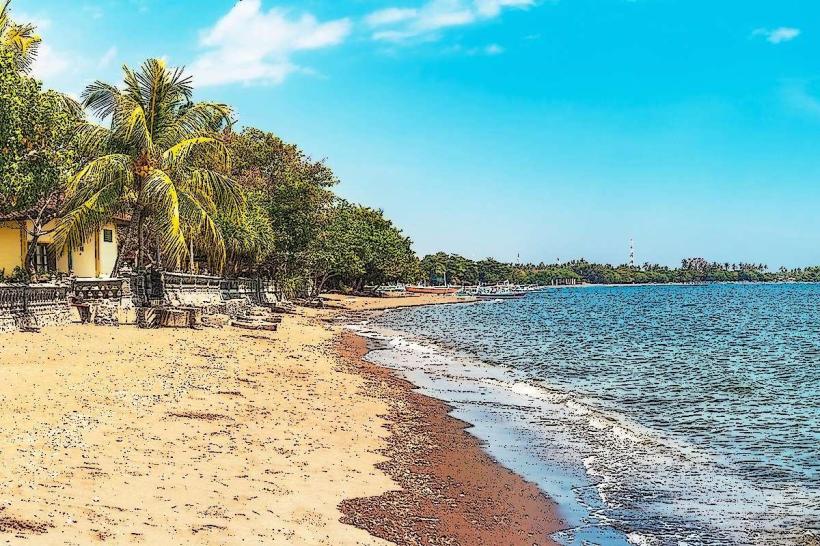
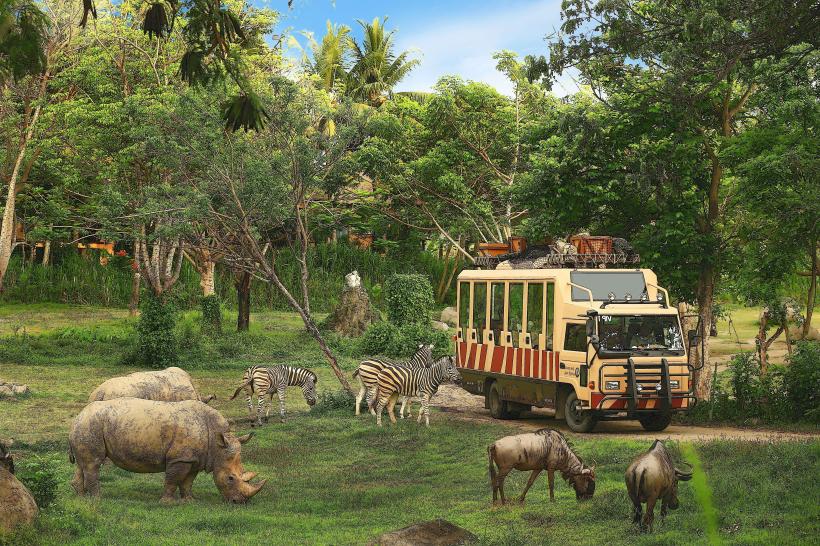
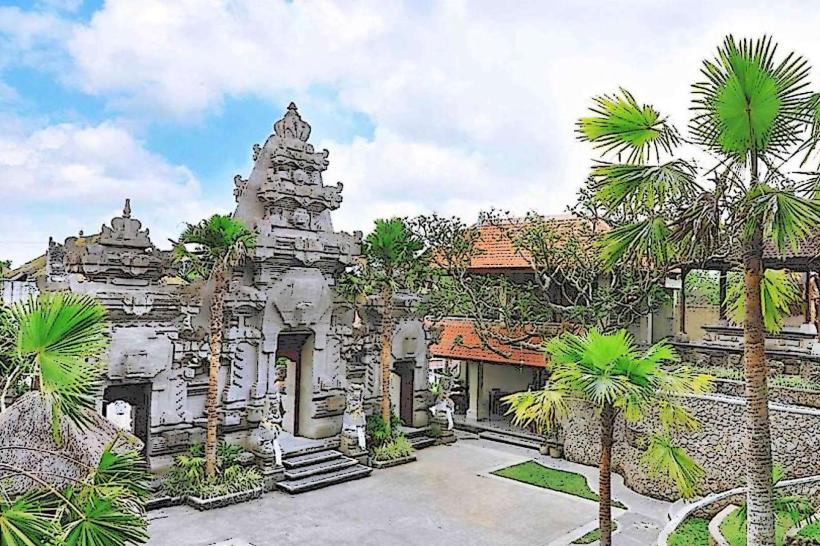
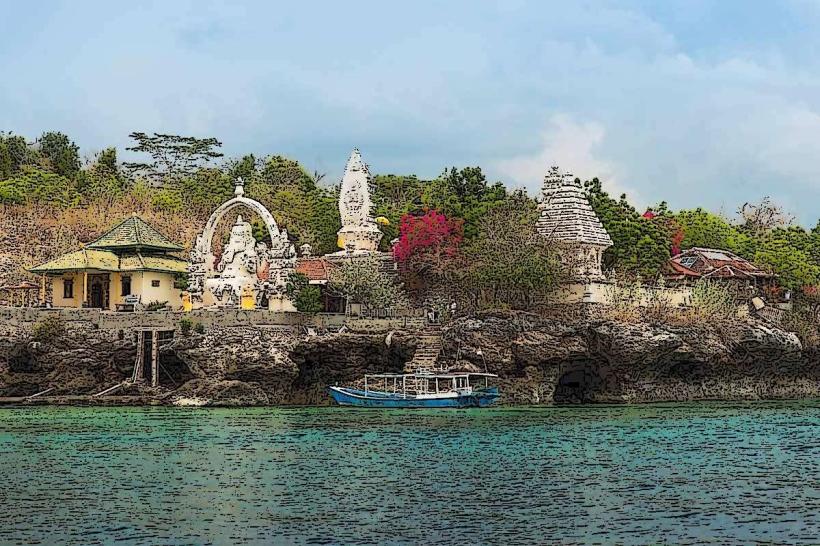
The park features a mountainous interior with dry deciduous forests and savannas, interspersed with volcanic rock formations. The coastline includes mangrove forests, coral reefs, and sandy beaches. The dominant vegetation consists of teak, acacia, and various palm species. Marine areas exhibit clear turquoise waters with visible coral structures.
Location & Access Logistics
The park is situated approximately 150 kilometers west of Denpasar, Bali's capital. Access is primarily via the main road, Jalan Raya Gilimanuk-Singaraja. The park entrance is located near Cekik. Parking is available at designated visitor areas. Public transport options include local buses connecting Denpasar to Gilimanuk, with onward connections to the park entrance. Boat transfers to Menjangan Island, a key part of the park, depart from Labuhan Lalang.
Historical & Ecological Origin
Established in 1941, West Bali National Park was initially designated as a protected forest area. Its ecological classification includes monsoon forest, savanna, and coral reef ecosystems. The park serves as a critical habitat for several endemic and endangered species, including the Bali Starling (Leucopsar rothschildi).
Key Highlights & Activities
Activities include snorkeling and diving around Menjangan Island, known for its diverse marine life and underwater walls. Hiking trails are available within the terrestrial sections of the park, such as the trail to Prapat Agung. Birdwatching is a significant activity, with opportunities to spot various avian species. Guided tours focusing on flora and fauna are offered.
Infrastructure & Amenities
Basic facilities are available at the park headquarters and designated visitor points, including restrooms. Shade is provided by natural tree cover in some areas. Cell phone signal (4G) is generally available in proximity to the main access roads and visitor centers, but can be intermittent within deeper park areas. Food vendors are typically located near the main access points and popular departure points for boat trips.
Best Time to Visit
The dry season, from April to October, offers the most favorable weather conditions for outdoor activities. The best time of day for photography, particularly for wildlife, is early morning or late afternoon when lighting is softer. Snorkeling and diving conditions are optimal during the dry season, with calmer seas. High tide is generally preferred for exploring mangrove areas.
Facts & Legends
A notable conservation effort within the park focuses on the breeding and reintroduction of the critically endangered Bali Starling. Local folklore sometimes associates specific ancient trees within the park with spiritual significance.
Nearby Landmarks
- Gilimanuk Port (1.5km West)
- Pura Pulaki (8km East)
- Banyuwangi, East Java (via ferry from Gilimanuk, 10km West across the strait)
- Medewi Beach (25km Southeast)