Landmark: Al Qurum Natural Reserve
City: Muscat
Country: Oman
Continent: Asia
Al Qurum Natural Reserve, Muscat, Oman, Asia
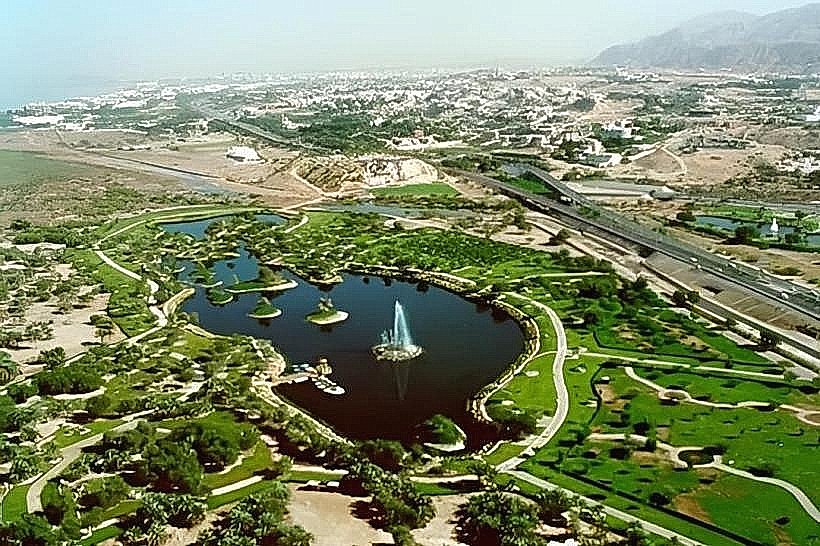
Al Qurum Natural Reserve is a protected mangrove forest and wetland located in the heart of Muscat, Oman. It occupies a coastal strip between the Al Sarooj and Bawshar districts, serving as a critical ecosystem for regional biodiversity.
Visual Characteristics
The reserve consists of dense stands of Avicennia marina (black mangrove) trees characterized by greyish bark and bright green foliage. The landscape features a network of tidal channels and salt flats (sabkha) that shift with the water level. The soil is predominantly dark, anaerobic silt and mud, surrounded by urban residential and commercial developments.
Location & Access Logistics
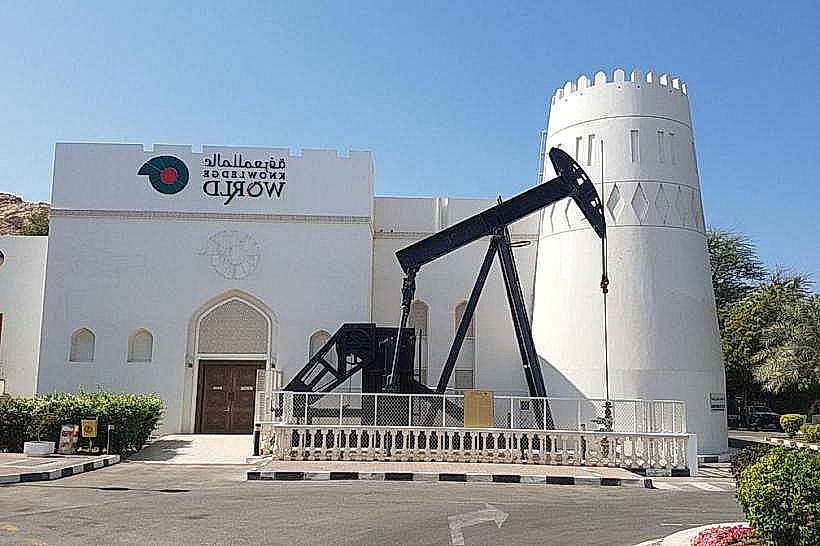
The site is situated along Al Kharijiyah Street, approximately 10km from the Muscat city center. Access is primarily via the Sultan Qaboos Street (Route 1) highway. On-site parking is available at the main entrance near the Children’s Museum. Public transport is accessible via Mwasalat bus routes stopping at Sarooj, followed by a short walk to the reserve perimeter.
Historical & Ecological Origin
Declared a nature reserve in 1975 by Royal Decree, it is the first site in Oman to be designated as a Ramsar Site of International Importance. The ecosystem is a remnant of the ancient mangrove forests that once lined the Gulf of Oman, sustained by the mixing of freshwater from Wadi Aday and saltwater from the sea.
Key Highlights & Activities
Birdwatching is the primary activity, with over 190 species recorded, including the Great Egret and Grey Heron. Kayaking tours are permitted through authorized operators during high tide to navigate the inner channels. Educational boardwalks allow for the observation of crustacean species like the fiddler crab and mudskipper.
Infrastructure & Amenities
The reserve features a designated wooden boardwalk for pedestrian access. Restrooms and shaded seating are located at the main entry point and nearby public parks. 5G cellular signal is consistent throughout the area. Food vendors and cafes are concentrated in the adjacent Shatti Al Qurum commercial zone.
Best Time to Visit
Optimal visiting months are between November and March when temperatures range from 20°C to 28°C. For photography, the "Golden Hour" shortly before sunset provides the best lighting against the green canopy. High tide is required for water-based activities and to see the mangrove pneumatophores submerged.
Facts & Legends
The reserve serves as a "green lung" for Muscat, capable of sequestering significantly more carbon per hectare than terrestrial forests. Local lore suggests the area was historically used by fishermen for timber and tanning materials before its protected status was established to prevent urban encroachment.
Nearby Landmarks
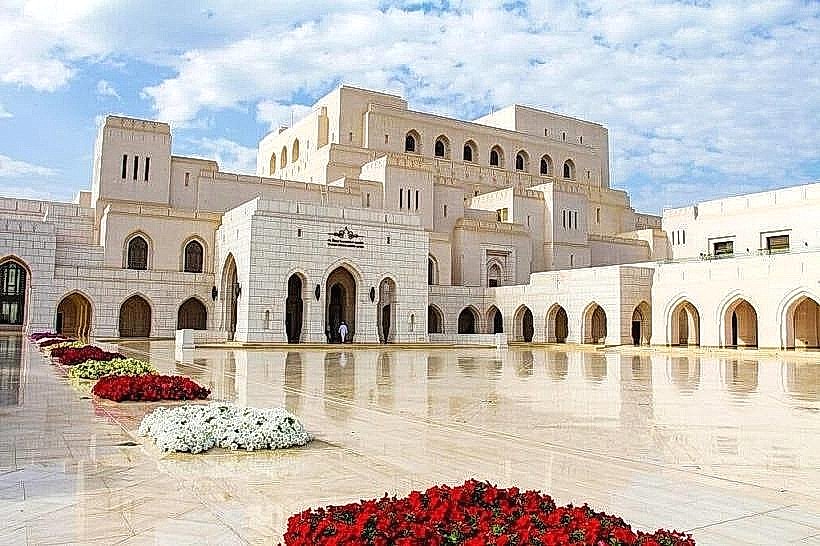
Royal Opera House Muscat: 1.2km East
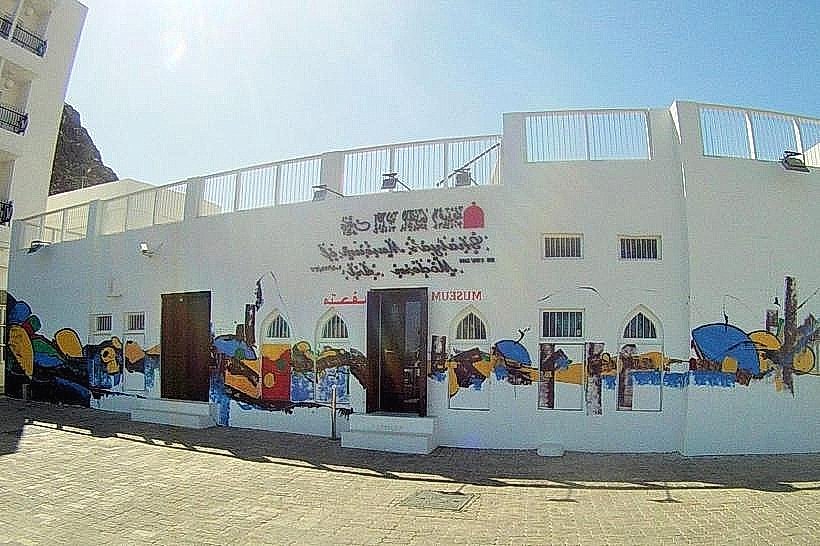
Children's Museum: 0.3km South
Qurum Beach: 0.8km North
Qurum Natural Park: 1.5km Southeast
Shatti Al Qurum Plaza: 0.9km West