Landmark: Audi Soap Museum
City: Sidon
Country: Lebanon
Continent: Asia
Audi Soap Museum, Sidon, Lebanon, Asia
The Soap Museum, managed by the Audi Foundation, is a restored historical facility located within the old residential and commercial quarter of Sidon (Saida), Lebanon. It serves as a specialized museum showcasing the history, raw materials, and traditional manufacturing processes of olive-oil based soap in the Levant.
Visual Characteristics
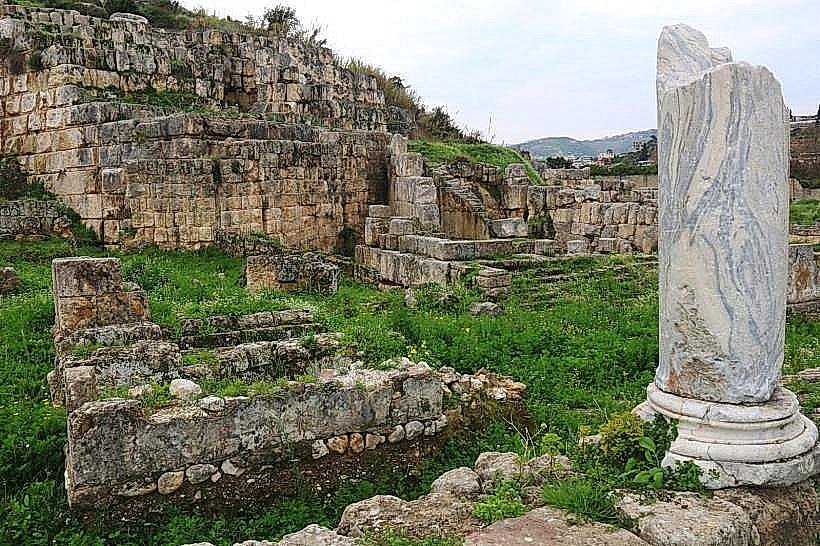
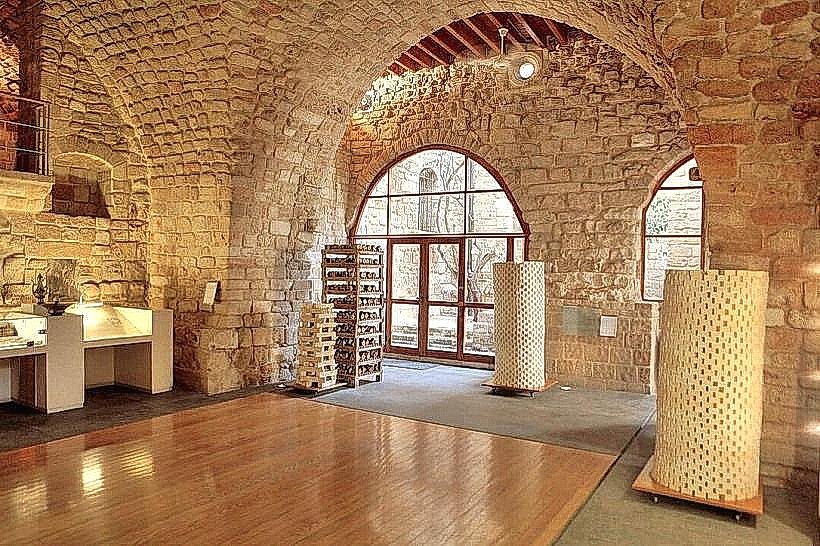
The museum is housed within a subterranean-style stone complex built from local sandstone and limestone blocks. The architecture is defined by monumental cross-vaulted ceilings, thick load-bearing masonry walls, and wide pointed arches characteristic of Ottoman industrial design. The interior retains its original manufacturing layout, featuring deep stone-lined boiling vats, overhead drying platforms, and brick-lined subterranean furnaces. Displays are integrated into the historic architecture using minimalist glass casing and ambient lighting to highlight raw ingredients like olive oil, laurel oil, and blocks of curing soap stacked in traditional tower formations.
Location & Access Logistics
The facility is situated on Haret El-Oumara Street within the pedestrian-only Old Souks network of Sidon, approximately 43 kilometers south of Beirut. Travelers from Beirut utilize the South Coastal Highway directly into Sidon's seaside boulevard. Vehicles must utilize the public parking lots located along the northern harbor front or near Khan al-Franj, as the immediate vicinity is inaccessible to cars. From the parking zone, visitors must navigate a 500-meter pedestrian route eastward into the vaulted alleyways of the Old Souk. Public transportation minivans from Beirut’s Cola intersection drop passengers at Nejmeh Square, requiring a 10-minute walk through the market to the museum entrance.
Historical & Ecological Origin
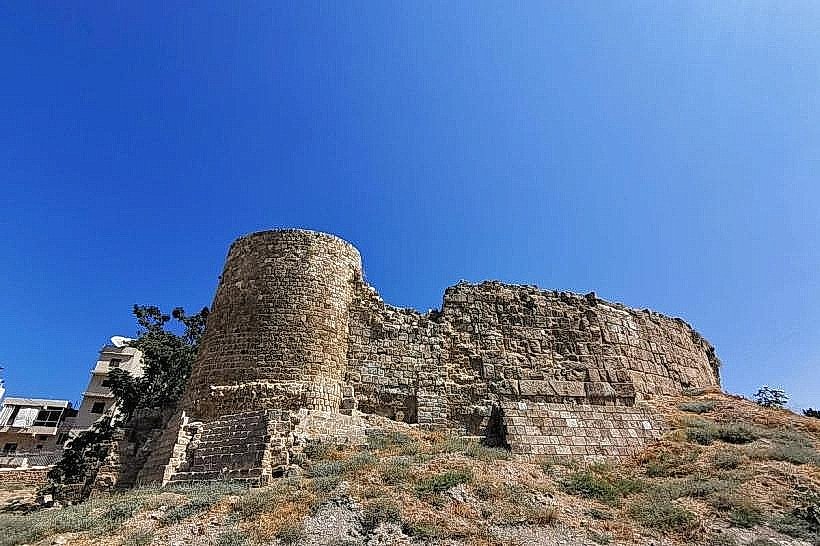
The building dates back to the 17th century, though portions of the underlying foundations contain remnants of 13th-century Crusader structures. It operated continuously as a functional commercial soap factory (ma'sana) from the Ottoman era until its closure in 1975 due to the Lebanese Civil War. The Audi family acquired the property and initiated a comprehensive architectural restoration process between 1998 and 2000, reopening the site as a non-profit cultural institution. The site occupies the coastal urban plain of Sidon, utilizing the natural insulation of thick stone to maintain the cool, dry environment required for chemical saponification and soap curing.
Key Highlights & Activities
Examining the structural remnants of the ancient copper boiling cauldrons and the ground-level cooling pools where liquid soap was poured to solidify.
Watching an instructional documentary film detailing the seasonal harvesting of olives and the manual cutting of soap blocks.
Viewing a rare collection of historical hammam artifacts, including traditional clay pipes, ornate marble basins, and antique scrubbing mitts.
Inspecting the structural "soap towers"-precisely stacked geometric pillars of soap bars designed to maximize air circulation during the drying phase.
Infrastructure & Amenities
The museum features a modern, fully climate-controlled visitor reception area, a dedicated gift shop, and public restrooms. The thick indoor stone vaulting provides complete shade and a cool climate isolated from outdoor conditions. Cellular signal coverage is consistent, with stable 4G and 5G networks accessible via local operators Alfa and Touch. While consumption of food is prohibited inside the exhibition halls, the surrounding Old Souk features numerous traditional cafes, bakeries, and street vendors immediately outside the exit.
Best Time to Visit
The recommended months for visiting are April through June and September through November to avoid intense coastal summer humidity and winter rainstorms. The museum is open to the public daily from 9:00 AM to 6:00 PM. The optimal time of day for interior photography is mid-day, when overhead sunlight filters down through small circular roof apertures (skylights), creating concentrated shafts of light within the dark vaulted chambers.
Facts & Legends
A verified historical oddity discovered during the 1998 excavation is that the foundations of the soap factory were built directly on top of a massive dump of crushed Murex shells left behind by ancient Phoenician purple-dye manufacturers, which helped stabilize the soil for the heavy masonry above. Local folklore tells that the master soap makers would never allow strangers to enter the building while the olive oil was boiling, believing that an envious look or negative energy from an outsider would spoil the batch and prevent the mixture from thickening.
Nearby Landmarks
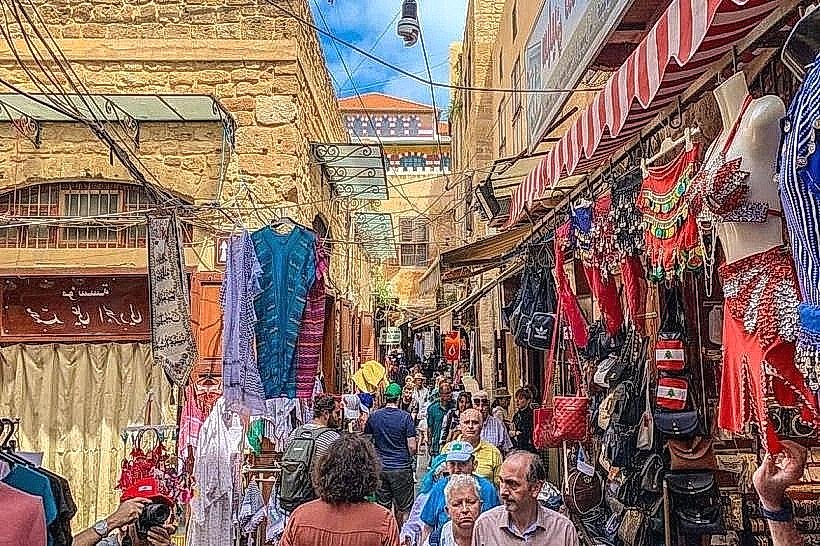
Sidon Old Souks: 0.01km West
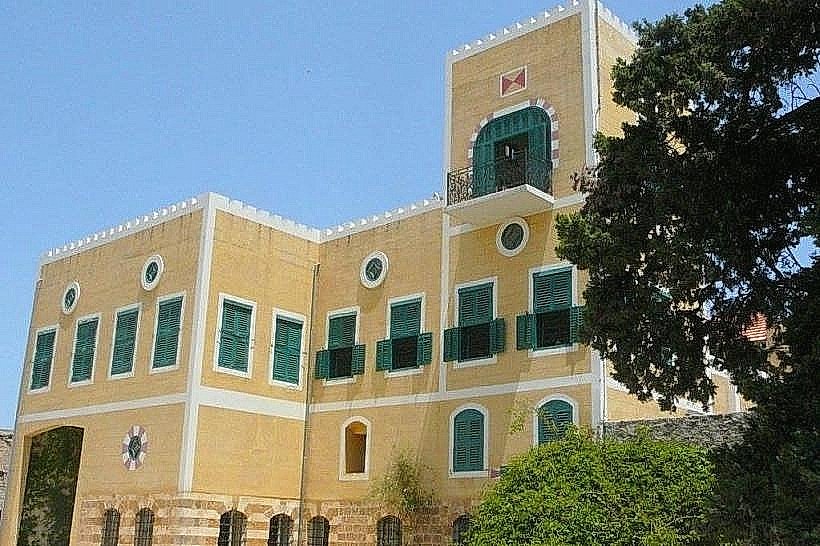
Debbane Palace: 0.15km Northwest
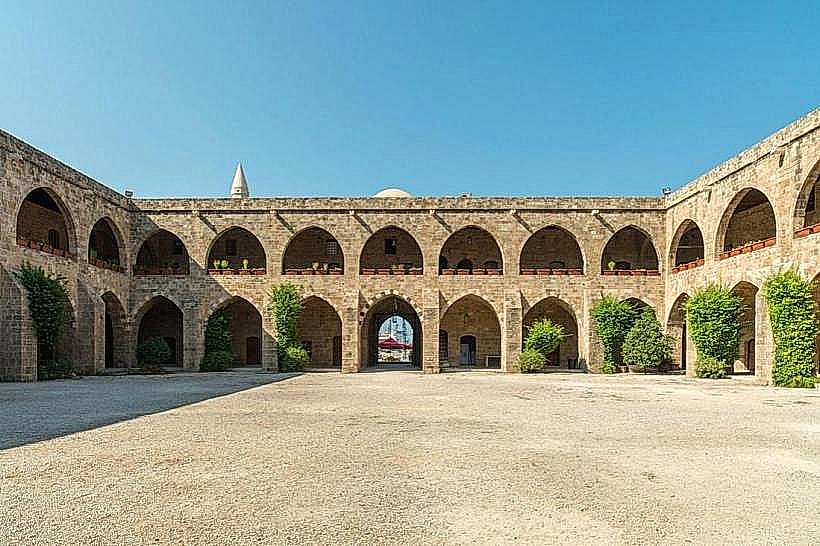
Khan al-Franj: 0.4km Northwest
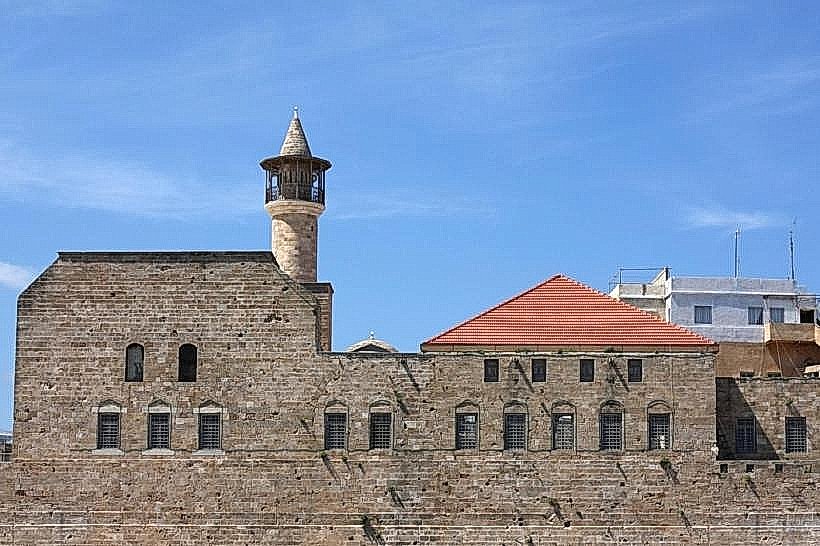
Great Al-Omari Mosque: 0.45km West
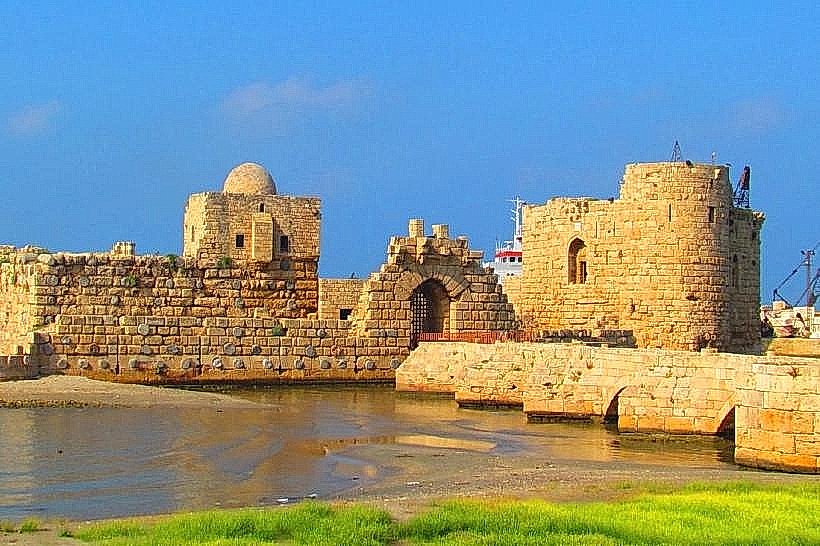
Sidon Sea Castle: 0.6km Northwest