Landmark: Sidon Sea Castle
City: Sidon
Country: Lebanon
Continent: Asia
Sidon Sea Castle, Sidon, Lebanon, Asia
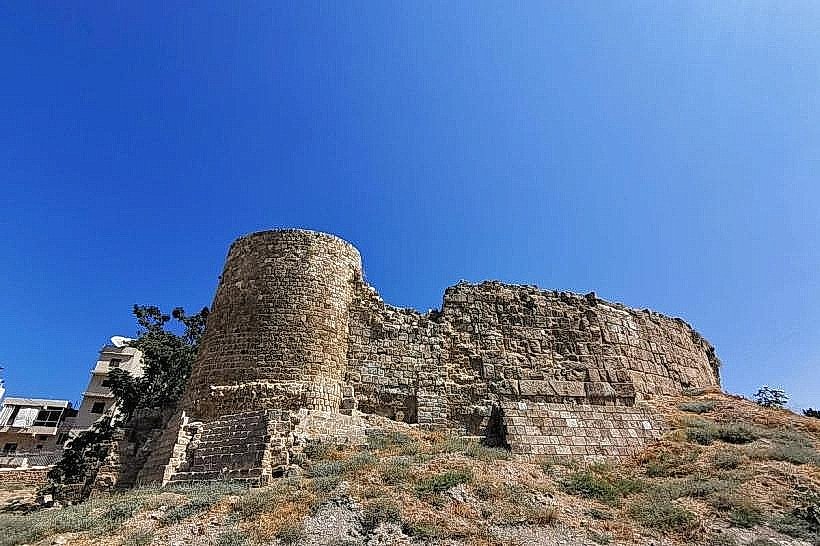
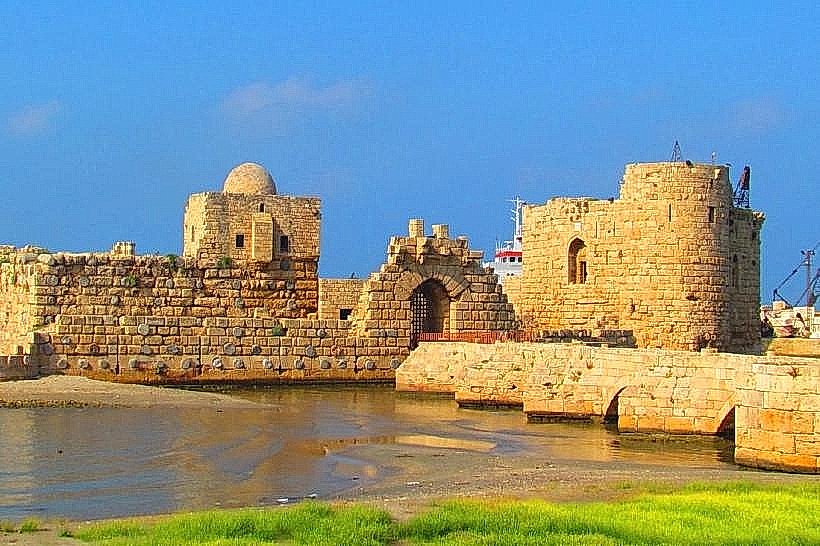
The Sidon Sea Castle is a medieval fortress situated on a small rocky island connected to the mainland harbor of Sidon (Saida), Lebanon. It serves as a primary historical fortification defending the northern port entrance of the ancient Phoenician maritime city.
Visual Characteristics
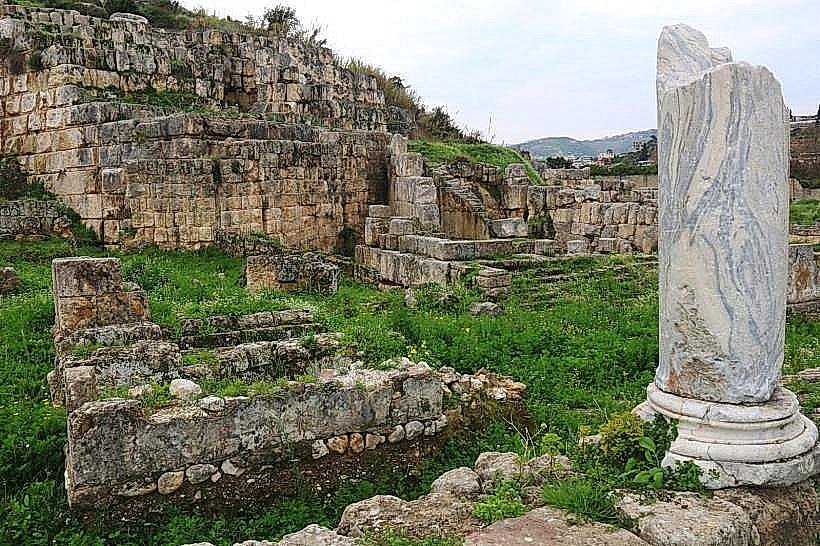
The fortress is constructed from weathered sandstone blocks, many of which were salvaged from Roman archaeological ruins. It features two main towers connected by a fortified wall, built entirely over a rocky reef outcrop in the Mediterranean Sea. The West Tower is a prominent rectangular structure, largely ruined, displaying cross-vaulted ceilings and embedded ancient column segments used horizontally as wall reinforcements. The East Tower is better preserved, featuring Mamluk-era architectural modifications, narrow arrow slits, and a domed roof structure. A 100-meter stone causeway with arched water openings links the island fortress to the modern mainland pier.
Location & Access Logistics
The castle is located directly on El-Mina Street along the northern harbor front of Sidon, approximately 43 kilometers south of Beirut. Vehicular access from Beirut is via the South Coastal Highway, which transitions into the main Saida seaside boulevard. A municipal parking lot is situated directly opposite the castle entrance across El-Mina Street. Public transportation consists of regular buses and shared minivans departing from Beirut’s Cola intersection, dropping passengers at the Saida northern square, which is a 5-minute walk from the causeway entrance.
Historical & Ecological Origin
The fortress was constructed in 1228 AD by the Crusaders, specifically the Knights of Saint John, on the site of a pre-existing Phoenician temple dedicated to Melqart. The island structure was partially destroyed by the Mamluks in 1291 AD to prevent its reoccupation by Crusader forces, then subsequently rebuilt with additions during the early 14th century. Geologically, the castle stands on a natural sandstone reef shelf, a characteristic feature of the central Lebanese coast, providing a strategic shallow-water barrier against naval approach.
Key Highlights & Activities
Walking across the historic stone causeway to inspect the Roman columns integrated into the masonry walls.
Ascending the stone staircase of the East Tower to access the rooftop platform for panoramic views of the harbor and the Old City.
Examining the interior vaulted chambers and the preserved arrow slits used for defensive archery.
Observing the sea-facing defensive basements where waves crash against the lower foundation blocks.
Infrastructure & Amenities
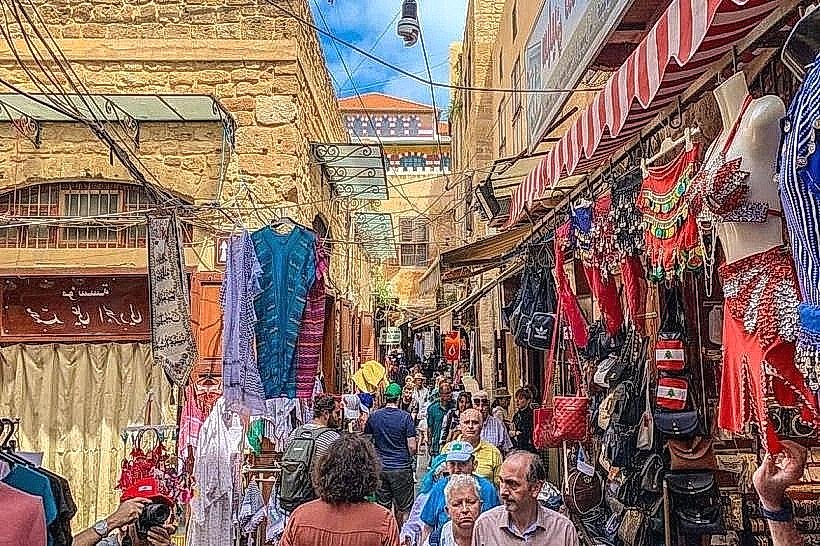
The monument features a small entry kiosk and ticket booth at the mainland foot of the bridge. Public restrooms are located adjacent to the ticket office. The open island structure offers no shade, requiring visitors to prepare for direct sun exposure. Cellular signal reception is stable, with 4G and 5G network access provided by local networks Alfa and Touch. Food vendors, fish markets, cafes, and traditional restaurants are located immediately across the coastal road in the Old Souk district.
Best Time to Visit
The ideal months to visit are from April to June and September to November to avoid intense summer humidity and stormy winter sea conditions. The castle operates daily under municipal hours from 9:00 AM to 6:00 PM. The best time of day for photography is late afternoon, as the setting sun illuminates the western sandstone towers from the sea side, minimizing shadows along the causeway and outer walls.
Facts & Legends
A verified historical oddity is that the Crusaders intentionally laid ancient Roman granite and marble columns horizontally into the thick sandstone walls to act as tie-beams, a architectural technique designed to absorb shock waves from battering rams and earthquakes. Local folklore asserts that an underwater secret passage links the Sea Castle directly to the land-based St. Louis Castle on the hill above, allowing defenders to escape during historic naval sieges.
Nearby Landmarks
Sidon Old Souks: 0.15km South
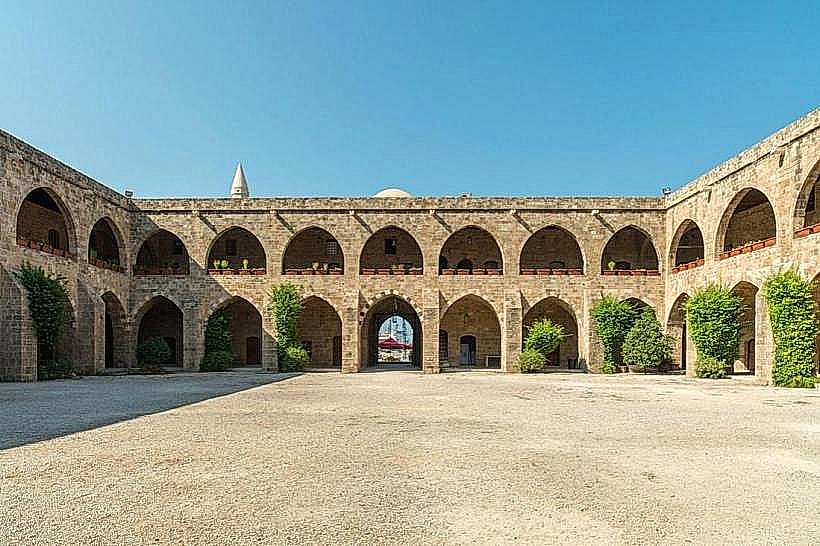
Khan al-Franj: 0.2km Southeast
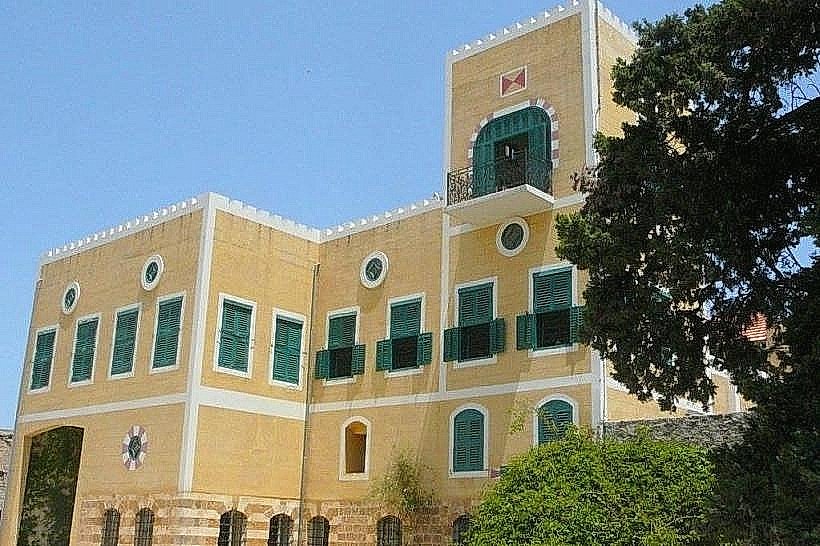
Debbane Palace: 0.4km Southeast
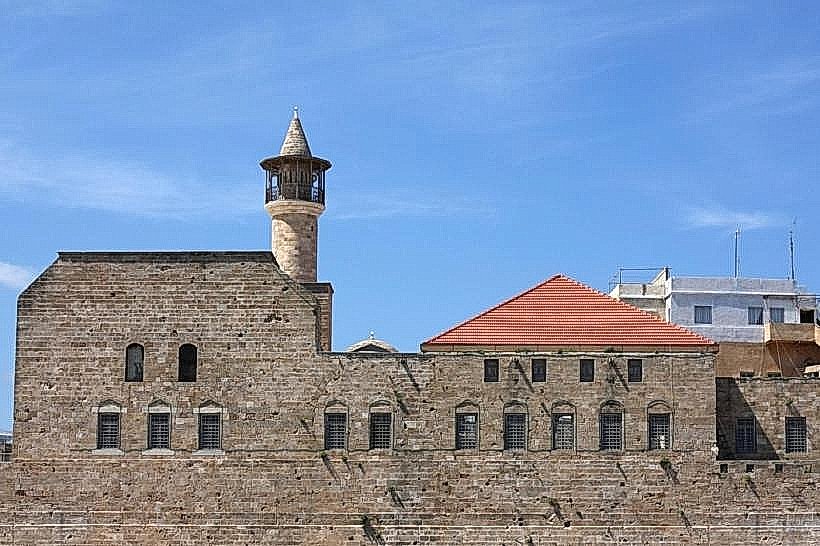
Great Al-Omari Mosque: 0.45km South
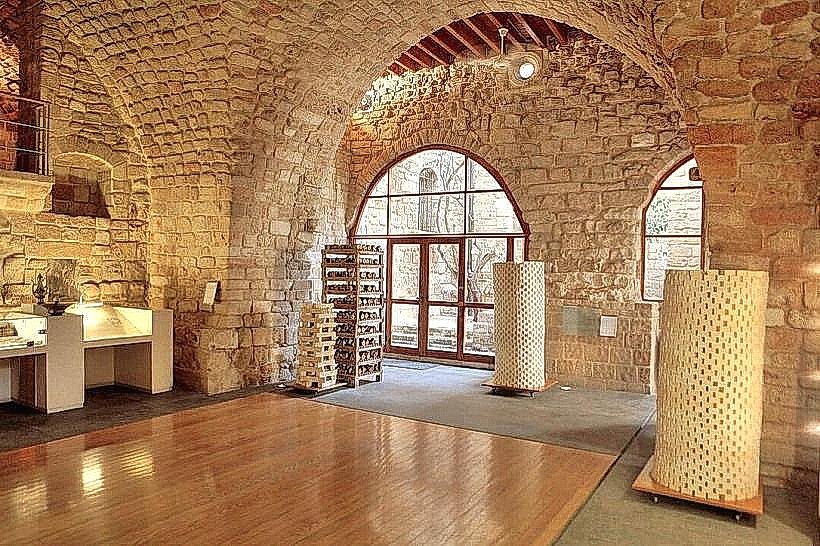
Soap Museum (Audi Foundation): 0.55km Southeast