Landmark: Debbane Palace
City: Sidon
Country: Lebanon
Continent: Asia
Debbane Palace, Sidon, Lebanon, Asia
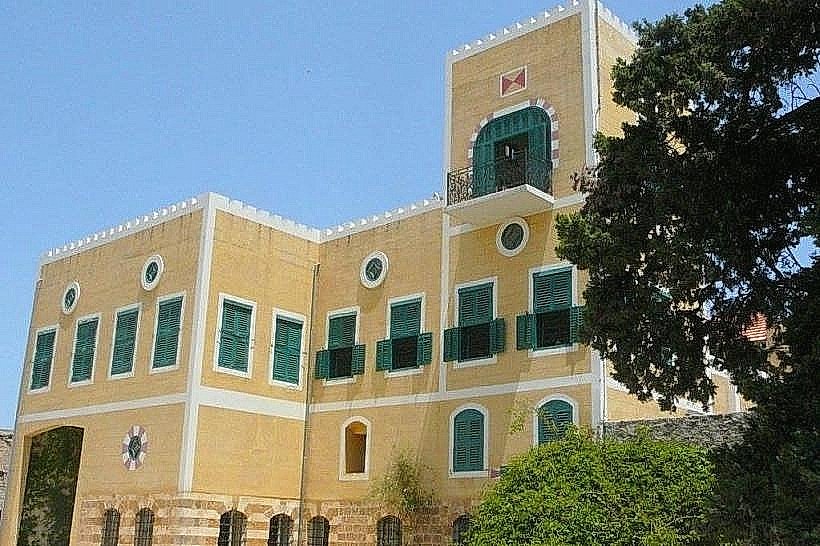
The Debbane Palace is an Ottoman-era aristocratic residence located within the historic old city network of Sidon (Saida), Lebanon. The site stands as a prominent architectural monument exemplifying the fusion of traditional Levantine design with Ottoman-Arabic interior styling.
Visual Characteristics
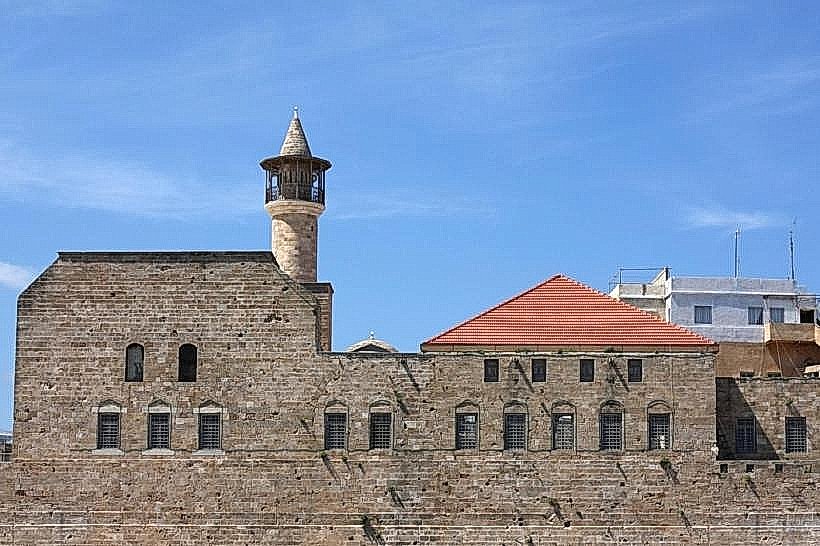
The palace features a relatively modest external stone facade that opens into an expansive, highly decorated upper-floor residential complex. The architecture relies on local cream-colored sandstone blocks and is centered around a grand diwan (reception hall). The interior exhibits characteristic elements of the Damascene style, including polychrome inlaid marble floors, intricate wooden ceilings carved with geometric patterns, and pointed arches supported by slender stone columns. A central open-air patio features a white and red marble fountain, while high vertical walls are punctured by arched windows that allow light to filter into the surrounding reception rooms.
Location & Access Logistics
The building is situated on Al-Moutran Street within the pedestrian sector of the Old Souks of Sidon, approximately 43 kilometers south of Beirut. Automobile travel from Beirut follows the South Coastal Highway directly into Sidon's seaside boulevard. Vehicles must park in the public municipal lots at the northern harbor front or near Khan al-Franj, as the residential alleys are strictly pedestrian-only. From the harbor parking zone, visitors follow a 250-meter pedestrian path southward into the vaulted market streets. Public transportation minivans from Beirut’s Cola intersection drop passengers at Nejmeh Square, requiring a 10-minute walk through the market lines to the palace entry.
Historical & Ecological Origin
The palace was originally constructed in 1721 AD by Hammoud Al-Chafad, a wealthy local merchant of Moroccan origin who rose to prominence within the Ottoman administrative system. The Debbane family acquired the property in 1800 AD, adding a third story featuring an Ottoman-style sloping tiled roof and carrying out internal preservation works. The building is situated on the flat maritime plain of Sidon, utilizing thick masonry walls and a elevated second-floor residential layout to isolate the living spaces from the ambient coastal humidity and street-level noise.
Key Highlights & Activities
Examining the detailed marquetry, geometric carvings, and painted verses of Arabic poetry across the wooden ceiling beams of the main salon.
Observing the symmetrical red, black, and white marble floor tiling and the functional mechanics of the central internal fountain.
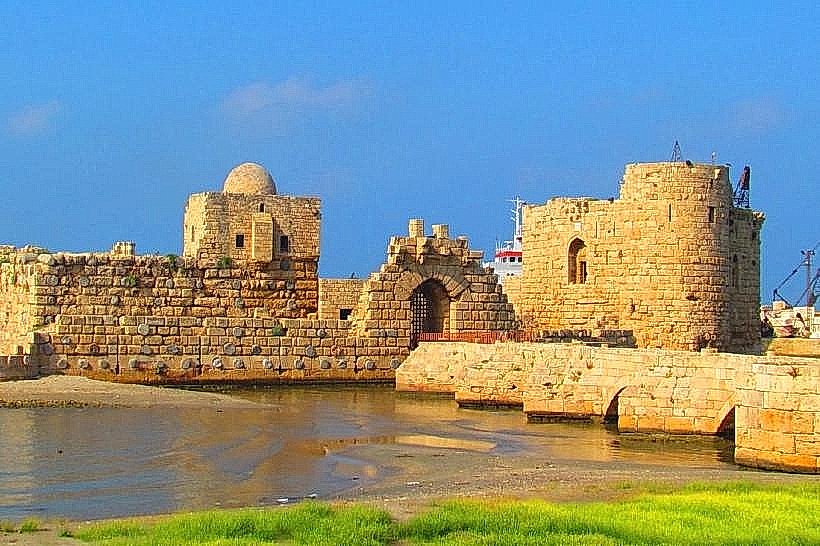
Ascending to the upper open-air terrace to photograph the panoramic view of the Old City Souks and the distant Sidon Sea Castle.
Viewing the private family collections, including historical documents, period clothing, and antique furnishings displayed inside the side chambers.
Infrastructure & Amenities
The palace is operated as a private museum open to the public, featuring a reception desk, descriptive informational plaques, and public restrooms on the main level. The indoor spaces, covered galleries, and thick stone architecture provide full shade and moderate internal temperatures throughout the day. Cellular signal coverage is stable, with 4G and 5G network connectivity maintained by regional operators Alfa and Touch. Food, water, and retail shops are immediately accessible upon exiting the property into the active commercial souk.
Best Time to Visit
The ideal months to visit are April through June and September through November to avoid extreme summer coastal humidity and winter rainstorms. The museum is open daily from 9:00 AM to 6:00 PM. The best time of day for photography is early afternoon, when the high sun passes directly over the central light wells and open courtyards, casting direct illumination onto the intricate marble floor patterns and the central fountain.
Facts & Legends
A verified historical oddity is that the palace suffered significant structural damage during the 1975 Lebanese Civil War when it was occupied by armed factions, leading to the displacement of the Debbane family and the subsequent systematic restoration process that lasted until its reopening as a museum in 2001. Local folklore notes that the palace was built over a series of hidden vaulted basements that were used during the 18th century to securely stash incoming shipments of silk and spices before they were declared to the Ottoman tax authorities at the nearby port.
Nearby Landmarks
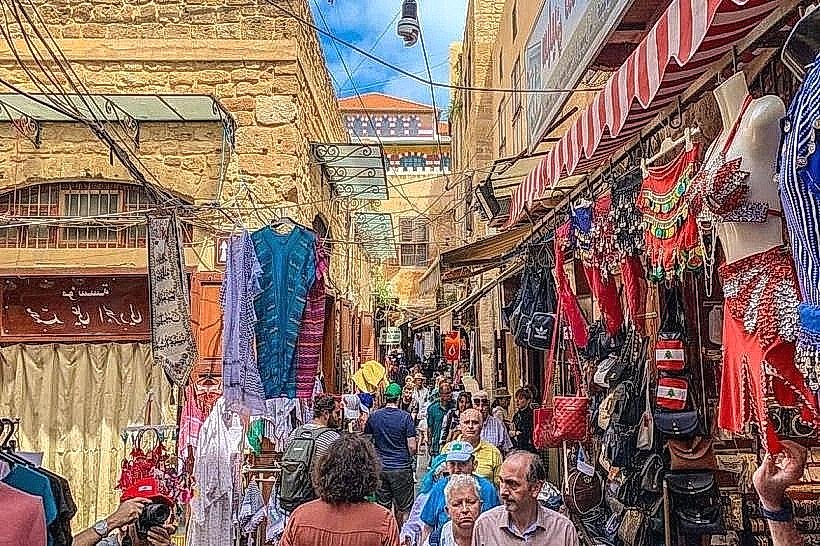
Sidon Old Souks: 0.05km West
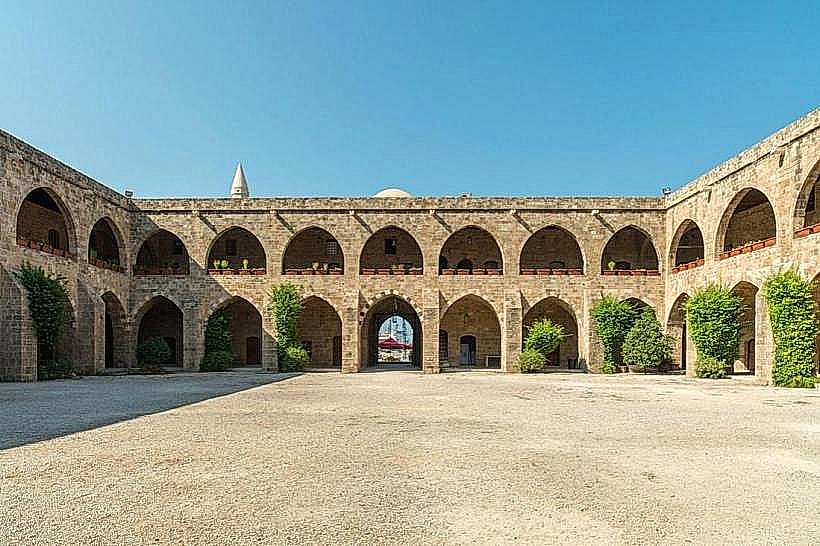
Khan al-Franj: 0.25km Northwest
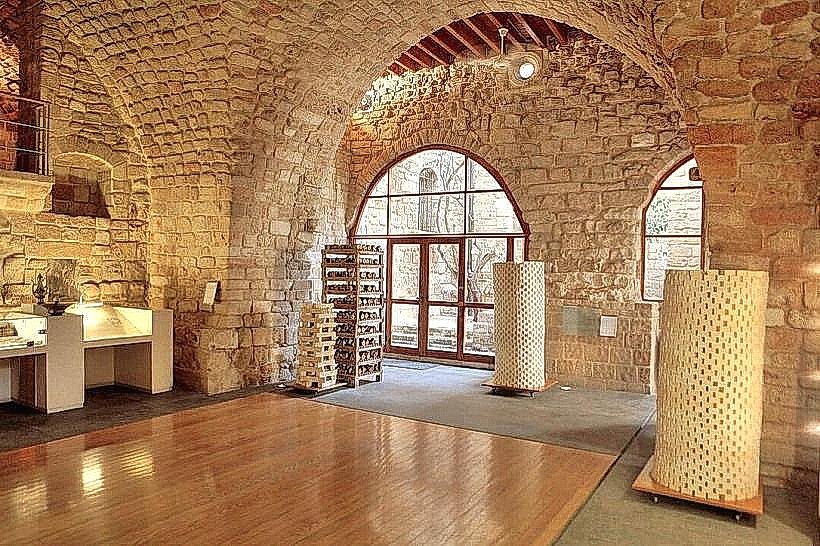
Soap Museum (Audi Foundation): 0.15km Southeast
Great Al-Omari Mosque: 0.4km Southwest
Sidon Sea Castle: 0.45km Northwest