Landmark: Maghdouche Shrine (Our Lady of Awaiting)
City: Sidon
Country: Lebanon
Continent: Asia
Maghdouche Shrine (Our Lady of Awaiting), Sidon, Lebanon, Asia
The Shrine of Our Lady of Awaiting, known locally as Sayyidat al-Mantara, is a prominent Christian pilgrimage site located on a high limestone hill in the village of Maghdouche, Lebanon. The sanctuary commemorates the sacred cave where, according to historical tradition, the Virgin Mary waited while Jesus preached in the adjacent maritime city of Sidon.
Visual Characteristics
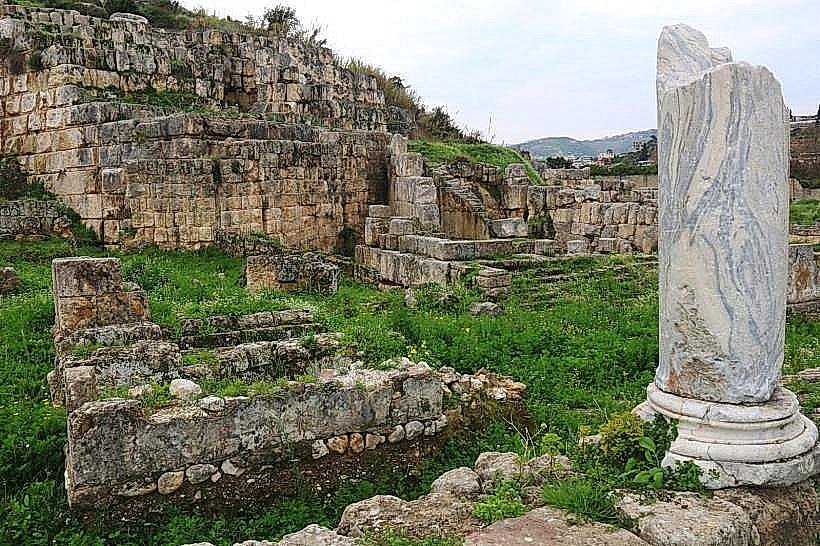
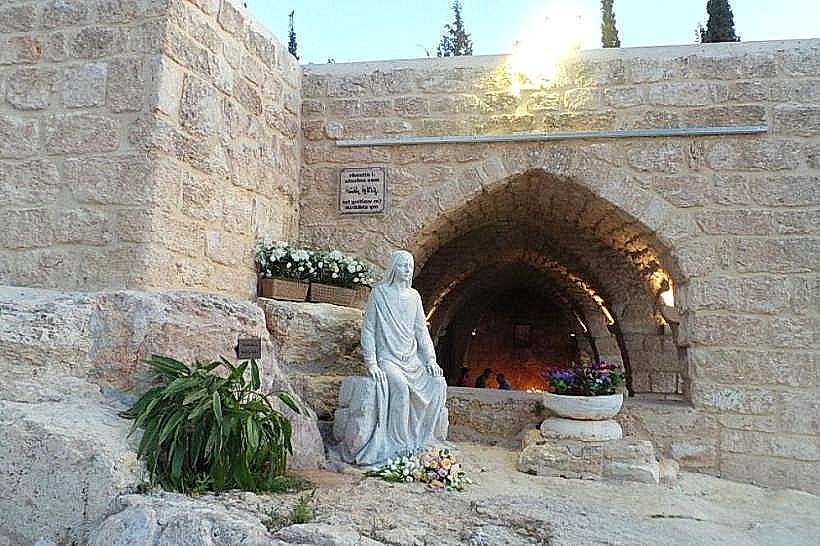
The complex is visually dominated by a 36-meter-high concrete and stone tower topped with an 8.5-meter-high bronze statue of the Virgin Mary holding the infant Jesus. The architectural focal point is the natural limestone cave situated beneath the tower, measuring roughly 12 meters in length by 5 meters in width. The interior of the cave features rough, soot-blackened stone walls illuminated by oil lamps and candles, housing a historic stone altar and an ancient icon of the Virgin Mary. The surrounding landscaped plaza features paved terraces, stone railings, and wide staircases built from local cream-colored masonry.
Location & Access Logistics
The shrine is positioned on Al-Mantara Street at the summit of Maghdouche Hill, approximately 8 kilometers southeast of Sidon and 50 kilometers south of Beirut. Access from Beirut is via the South Coastal Highway past Sidon, taking the explicit Maghdouche exit ramp onto the winding, two-lane asphalt mountain road that ascends directly to the village center. A large, dedicated municipal parking lot is located immediately adjacent to the main plaza entrance. Public transport options include shared coastal minivans from Beirut's Cola intersection to the Sidon square, where visitors must transfer to a local Maghdouche-bound minivan or take a 15-minute taxi ride uphill.
Historical & Ecological Origin
The site is geologically part of the marine limestone ridges that form the lower western foothills of Mount Lebanon, rising to an elevation of approximately 250 meters above sea level. The sacred cave is a natural karst formation utilized since antiquity. According to Christian tradition dating to the 1st century AD, the cave served as a resting place for Mary due to ancient Jewish customs that prohibited women from entering pagan cities like Sidon. The modern sanctuary was developed progressively after the cave was rediscovered in 1721 AD by a local shepherd, with the main monumental tower and statue engineered in 1963 by the Greek Melkite Catholic Archdiocese of Sidon.
Key Highlights & Activities
Descending into the natural limestone cave to view the ancient rock-cut altar and the historic religious icons.
Ascending the internal staircase of the 36-meter-high tower to reach the public observation platform at the base of the bronze statue.
Walking along the perimeter esplanade to observe the panoramic view of the Sidon coastal plain, the Mediterranean Sea, and the surrounding citrus orchards.
Viewing the modern bas-relief bronze panels depicting scenes from the life of Mary along the main processional pathway.
Infrastructure & Amenities
The sanctuary functions as a fully developed international pilgrimage site equipped with modern public infrastructure. Well-maintained public restrooms and a visitor reception office are located near the main gate. The indoor cave provides complete shade, while the expansive outdoor terraces feature stone pergolas and mature pine trees for sun protection. Cellular signal coverage is stable, with 4G and 5G networks actively maintained by regional networks Alfa and Touch. Souvenir shops, religious bookstores, cafes, and snack vendors operate directly along the access road outside the gated perimeter.
Best Time to Visit
The ideal months for visiting are April through June and September through November to avoid intense coastal summer heat and winter mountain windstorms. The shrine gates open daily from 8:00 AM until 8:00 PM. The optimal time of day for photography is late afternoon during the golden hour, when the setting sun directly illuminates the western face of the tower and the bronze statue, while casting the deep valleys below in high-contrast relief.
Facts & Legends
A verified historical oddity is that the cave remained completely hidden and forgotten for centuries after the Crusader period because its entrance was intentionally sealed with masonry and covered with dirt to prevent desecration during regional military conquests. Local folklore states that the shepherd who rediscovered the cave in 1721 did so when one of his goats fell through a narrow fissure in the rock, leading him to clear away the brush and uncover the ancient hidden altar inside.
Nearby Landmarks
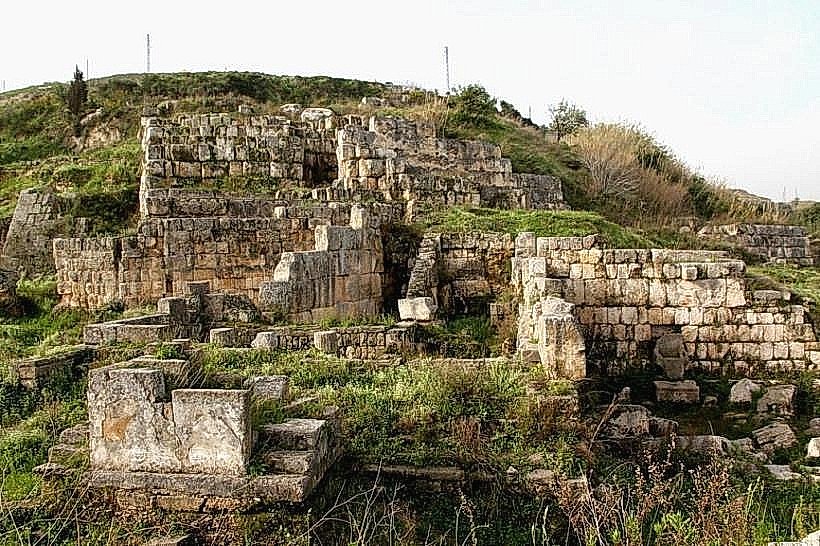
Temple of Eshmun: 4.8km Northwest
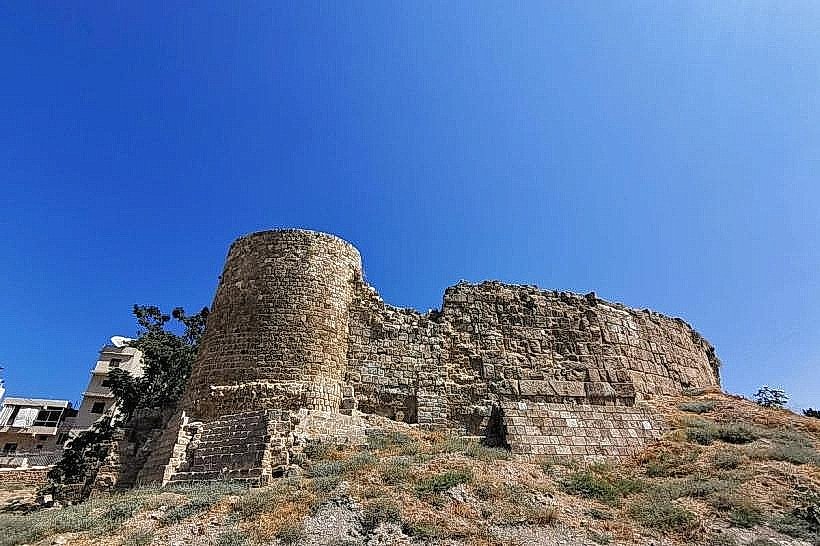
Saint Louis Castle (Land Castle): 5.0km Northwest
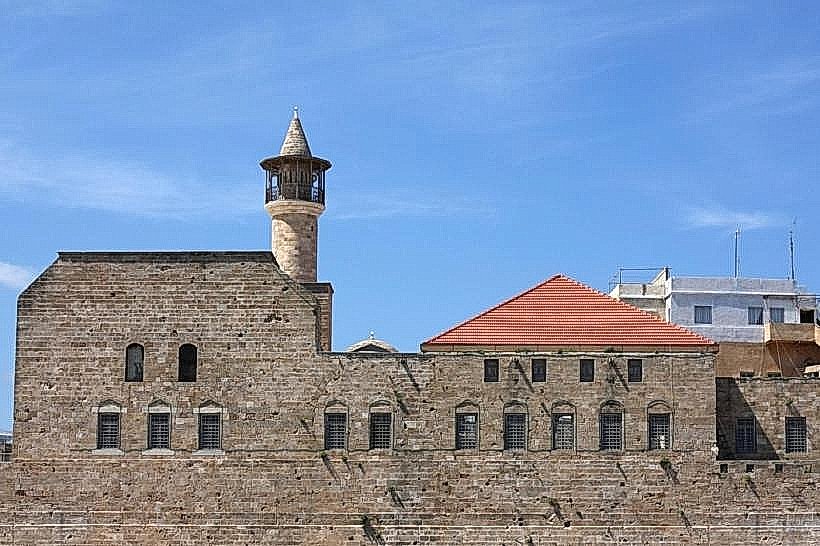
Great Al-Omari Mosque: 5.2km Northwest
Soap Museum (Audi Foundation): 5.3km Northwest
Sidon Old Souks: 5.4km Northwest