Landmark: Great Omari Mosque
City: Sidon
Country: Lebanon
Continent: Asia
Great Omari Mosque, Sidon, Lebanon, Asia
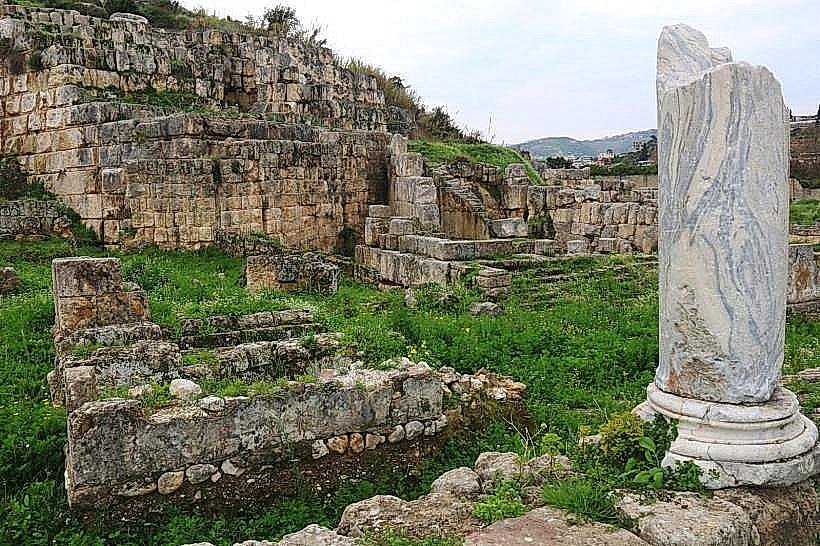
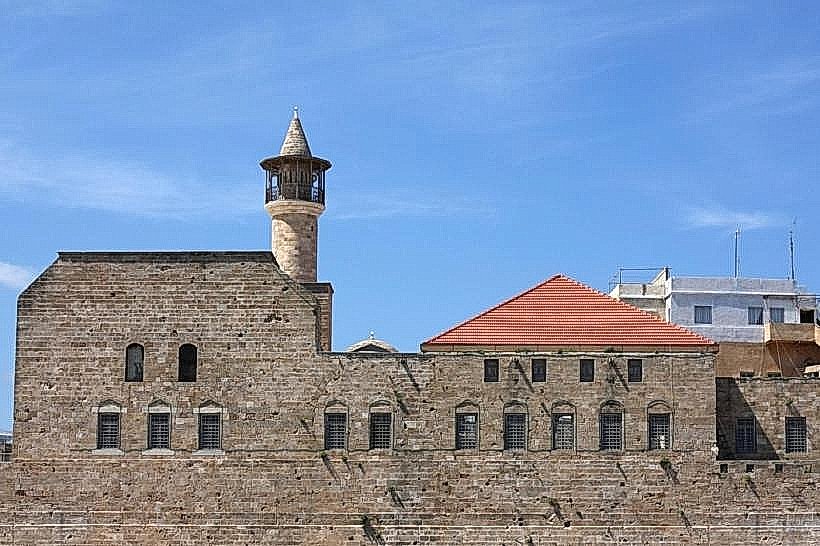
The Great Omari Mosque is a prominent historical Islamic sanctuary located on a hillside overlooking the old harbor and souks of Sidon (Saida), Lebanon. It stands as one of the oldest and largest operational religious structures in the city, reflecting multiple layers of medieval architectural transformations.
Visual Characteristics
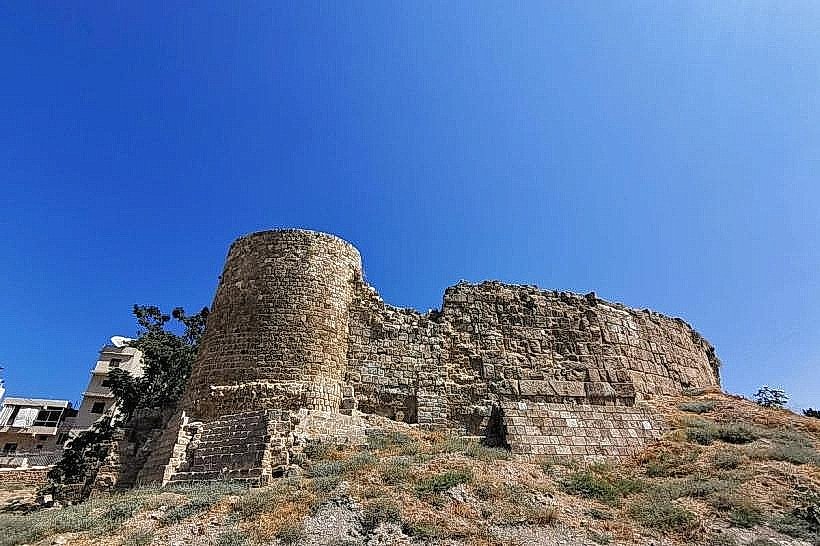
The mosque exhibits a fortress-like appearance, constructed primarily from heavy, weathered marine sandstone blocks. The architectural layout consists of a large central courtyard surrounded by thick-walled vaulted galleries and a spacious prayer hall featuring massive stone piers supporting cross-vaulted ceilings. The exterior is dominated by a sturdy, square-based minaret that shows clear defensive medieval proportions. The interior design elements are austere, focused on exposed ochre masonry, simple stone fonts, and a minimalist stone minbar (pulpit) set against a whitewashed mihrab (prayer niche).
Location & Access Logistics
The site is positioned on Al-Kalaa Street at the southwestern edge of the pedestrian Old Souks district, roughly 44 kilometers south of Beirut. Access from Beirut is via the South Coastal Highway, continuing onto the main Sidon seaside boulevard. Vehicles cannot enter the dense urban grid surrounding the mosque; visitors must park in the municipal seaside parking zones near the port or near the St. Louis Castle ruins. From the coastal road, access requires a 300-meter uphill walk through the stone stairs and corridors of the old city. Public transport minivans from Beirut’s Cola intersection arrive at Sidon's central square, leaving a 10-minute walk westward to the mosque entrance.
Historical & Ecological Origin
The foundation of the structure dates to the 13th century, built originally by the Crusaders as the fortified Church of Saint John of the Hospitalers. Following the Mamluk capture of Sidon in 1291 AD, the military-religious complex was converted into a congregational mosque under the direction of Sultan Al-Ashraf Khalil. The building was heavily repaired and expanded during the 17th century by Emir Fakhreddine II and suffered subsequent restoration cycles following regional earthquakes. The mosque is situated on a natural coastal limestone hill, providing a commanding view over the maritime alluvial strip.
Key Highlights & Activities
Observing the structural transition from Crusader ecclesiastical architecture to Islamic design, marked by the alignment of the vaulted bays.
Examining the massive sandstone piers and early pointed arches inside the main congregational prayer hall.
Walking through the open-air arcaded courtyard to view the traditional stone ablution pool.
Photographing the exterior defensive masonry and the square minaret from the adjacent historic residential alleys.
Infrastructure & Amenities
The mosque is an active place of worship equipped with municipal utilities. Public restrooms and dedicated ablution areas are available on-site for visitors. The interior vaulted stone chambers and shaded porticoes provide complete relief from direct sunlight throughout the day. Cellular phone reception is stable, with 4G network availability provided by regional telecom networks Alfa and Touch. While commercial activity is prohibited inside the religious boundary, traditional bakeries, cafes, and shops are located immediately outside the perimeter walls within the active souk.
Best Time to Visit
The optimal months for a visit are April through June and September through November to avoid heavy winter rains and intense summer coastal humidity. The mosque is open daily for visitors outside of the scheduled Muslim prayer times, with non-Muslim entry generally restricted during the Friday mid-day communal prayer. For photography, late afternoon offers optimal directional light that accentuates the textured sandstone blocks of the western facade and the minaret.
Facts & Legends
A verified historical oddity is that the building retains its original defensive wall thickness and high arrow-slit windows from its time as a Crusader hospitaler fortress, making it one of the few places where military maritime architecture remains fully integrated into an active place of worship. Local folklore long claimed that the deep subterranean crypts beneath the prayer floor extend directly to the foundations of the nearby land castle, serving as a tactical escape route for medieval knights during the siege of the port.
Nearby Landmarks
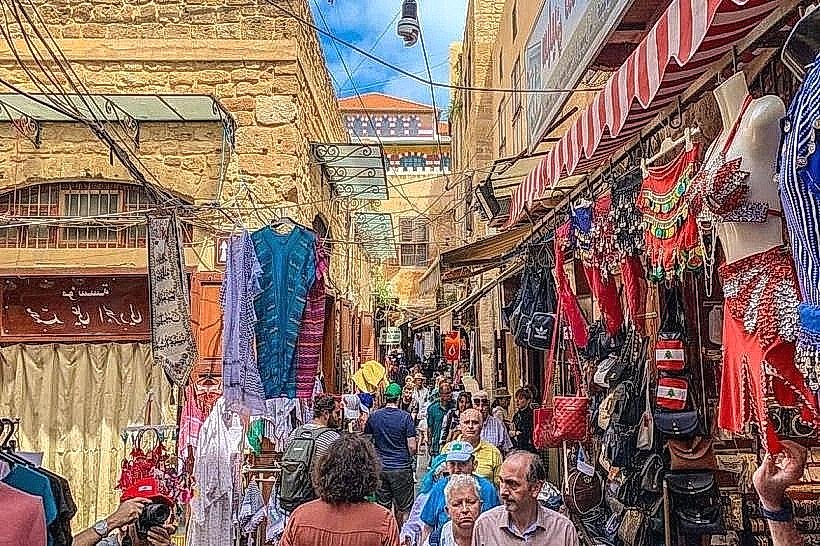
Sidon Old Souks: 0.1km East
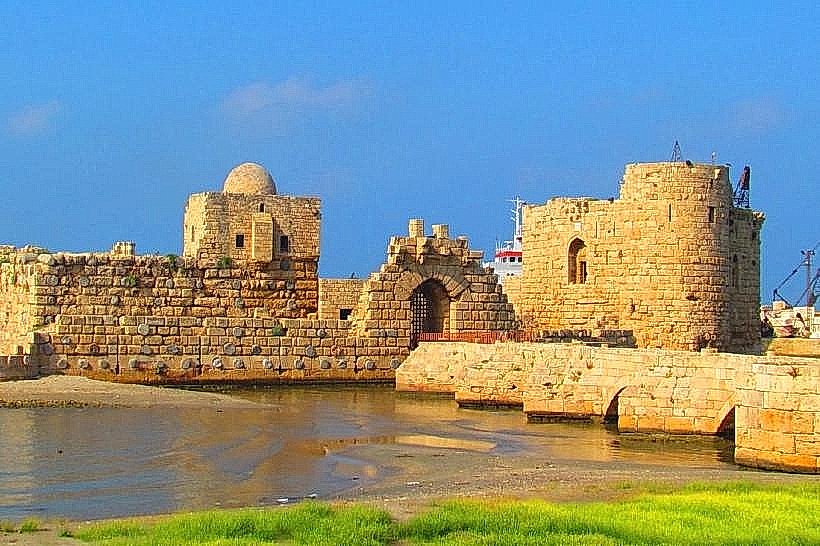
St. Louis Castle (Land Castle): 0.2km Southeast
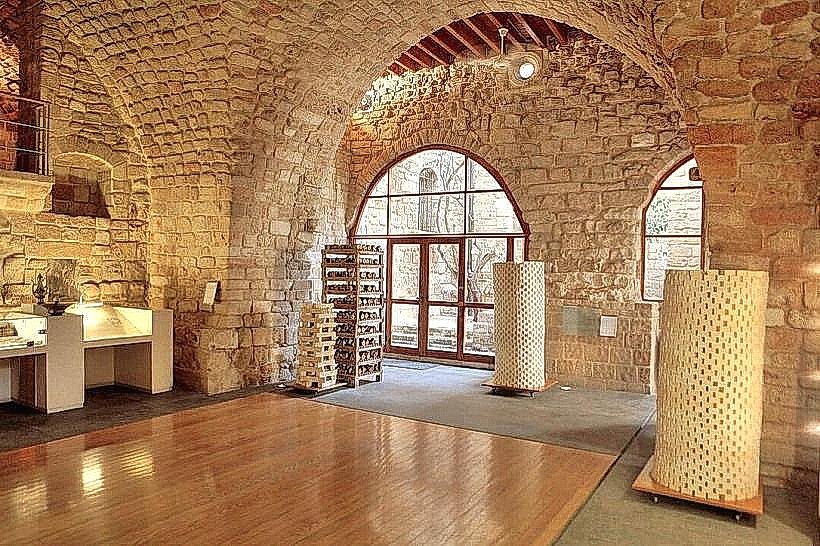
Soap Museum (Audi Foundation): 0.35km East
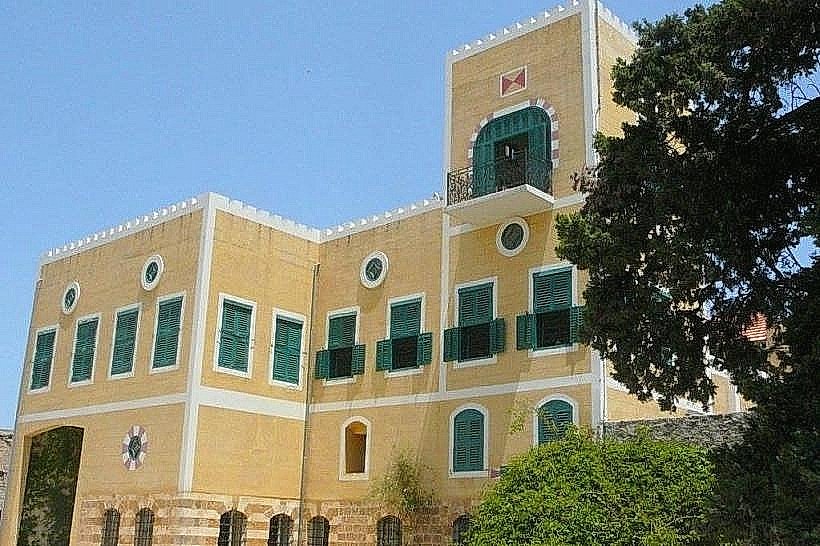
Debbane Palace: 0.4km Northeast
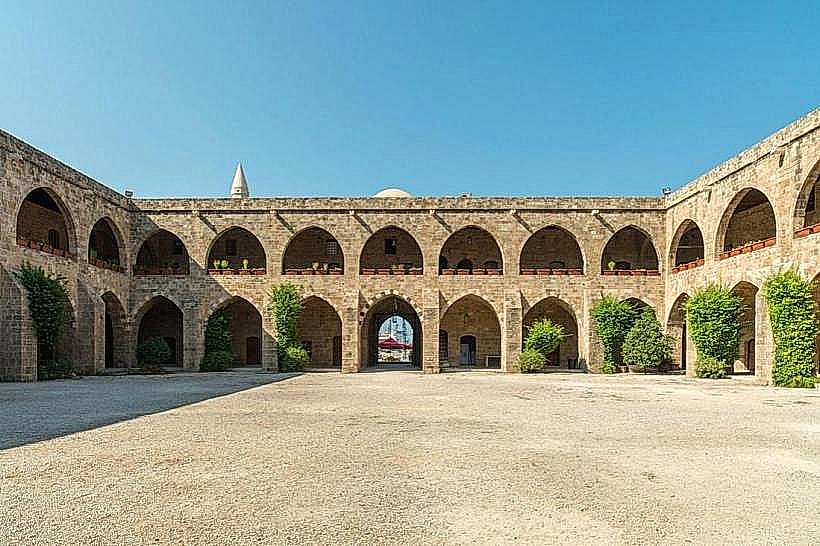
Khan al-Franj: 0.45km Northeast