Landmark: Temple of Eshmun
City: Sidon
Country: Lebanon
Continent: Asia
Temple of Eshmun, Sidon, Lebanon, Asia
The Temple of Eshmun is an ancient Phoenician sanctuary situated in the valley of Bustan esh-Sheikh near the northern entrance of Sidon (Saida), Lebanon. It stands as the primary structural cult center dedicated to Eshmun, the Phoenician god of healing and the tutelary divinity of Sidon.
Visual Characteristics
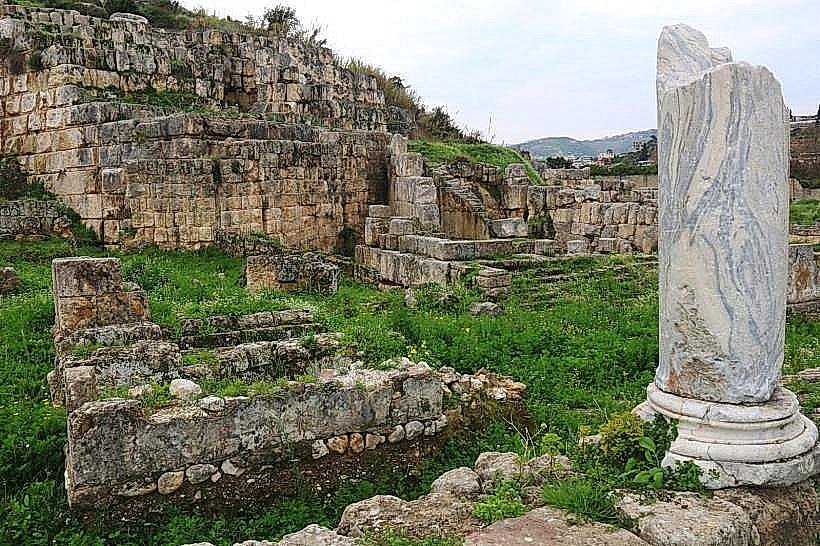
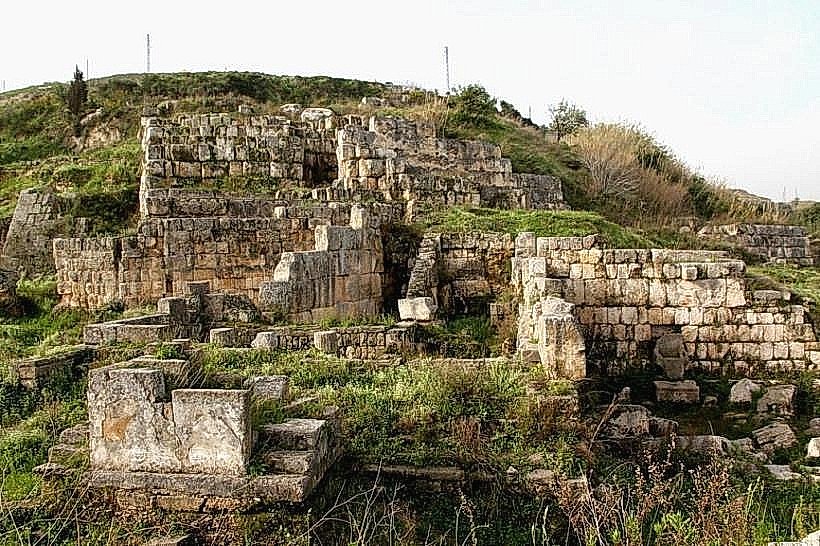
The complex features a distinct stratification of architectural styles spanning several civilizations, dominated by a monumental rectangular ashlar podium measuring 70 meters by 50 meters and rising 22 meters high. Built from heavy local limestone blocks, this terrace wall resembles the architectural forms of Achaemenid Persian palaces like Persepolis. The lower areas contain preserved Roman-era processional staircases, a nymphaeum with intact geometric floor mosaics, and the monolithic "Throne of Astarte," which is flanked by two sculpted stone lions. A series of stone channels, canals, and large ritual basins are distributed across the limestone esplanade.
Location & Access Logistics
The archaeological site is located on the left bank of the Awali River (the ancient Bostrenos) in Bqosta, approximately 2 kilometers northeast of Sidon's municipal center and 41 kilometers south of Beirut. Access from Beirut is via the South Coastal Highway, taking the exit ramp located immediately before the main Awali River bridge at the northern gateway to Sidon. A secondary paved road leads directly to the unfenced site entrance, where basic roadside parking is available. Public transit passengers can utilize any northbound or southbound coastal bus or shared minivan operating along the Beirut-Sidon highway, disembarking at the northern Sidon bridge intersection, followed by a 1.5-kilometer walk eastward along the river bank.
Historical & Ecological Origin
Initial cultic activity at the site dates to the 7th century BC, centered around a natural cave and a sacred mountain spring known as the Ydll source. The construction of the monumental sanctuary was initiated in the late 6th century BC by the Sidonian King Eshmunazar II and his mother, Queen Amashtarte, funded by wealth acquired through maritime cooperation with the Achaemenid Empire. The complex was expanded progressively by King Bodashtart and subsequent Hellenistic and Roman administrators. The site occupies a low-lying alluvial valley basin surrounded by citrus groves and Mediterranean shrub vegetation, positioned directly at the transition zone between the foothills of Mount Lebanon and the coastal plain.
Key Highlights & Activities
Inspecting the hidden Phoenician foundation inscriptions bearing the name of King Bodashtart embedded within the lower ashlar courses of the great podium.
Viewing the Throne of Astarte and its stylized lion sculptures located within the Hellenistic chapel sector.
Tracing the layout of the complex water engineering network, including the stone canals that channeled river water into the purificatory pools.
Examining the Roman-era geometric floor mosaics and structural wall niches of the preserved nymphaeum.
Infrastructure & Amenities
The Temple of Eshmun functions as a semi-unregulated, free-admission archaeological site managed by the Directorate General of Antiquities. There are no visitor centers, ticket offices, or functional public restrooms on-site. Shade is limited to the areas underneath historical olive trees and deep limestone depressions near the base of the podium. Cellular signal reception is stable, with 4G and 5G network coverage available via carriers Alfa and Touch. No commercial vendors or food stalls operate within the immediate archaeological boundary; standard commercial amenities and dining establishments are located 1.5 kilometers away along the main Sidon highway.
Best Time to Visit
The optimal months for a visit are April through June and September through November to avoid extreme summer coastal humidity and winter rain accumulation within the unexcavated trenches. The site is open to the public daily during daylight hours. The best time of day for architectural photography is early morning, when lateral sunlight illuminates the eastern facade of the Persian-style podium walls and minimizes the deep shadows cast by the surrounding river valley hillsides.
Facts & Legends
A verified historical oddity is that a significant collection of marble statuettes depicting young children, known as the "Eshmun boys," was excavated from the site by archaeologist Maurice Dunand; these figures were offered to the god of healing by parents praying for the recovery of their sick children, and they are now displayed in the National Museum of Beirut. Local folklore associated the spring water running through the site with supernatural regenerative properties, and until the late 19th century, regional inhabitants frequently collected water from the ruins to treat chronic physical ailments.
Nearby Landmarks
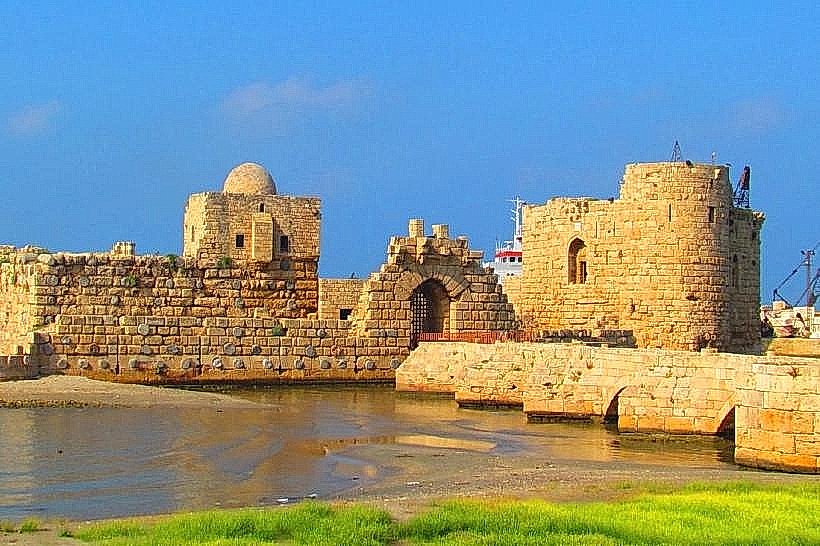
Sidon Sea Castle: 2.8km Southwest
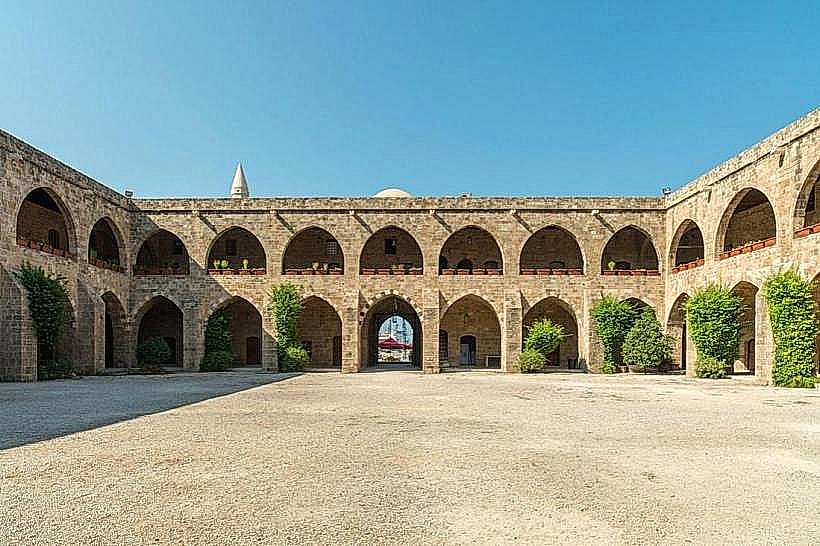
Khan al-Franj: 2.9km Southwest
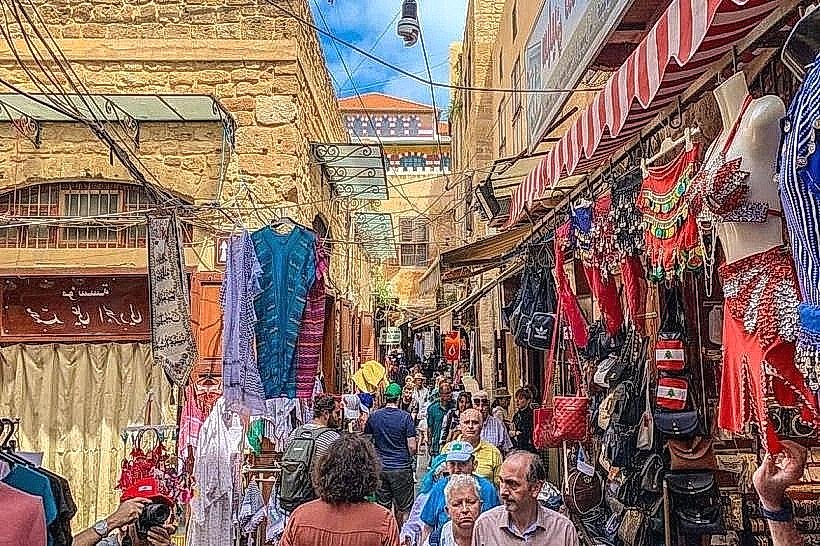
Sidon Old Souks: 3.0km Southwest
Debbane Palace: 3.1km Southwest
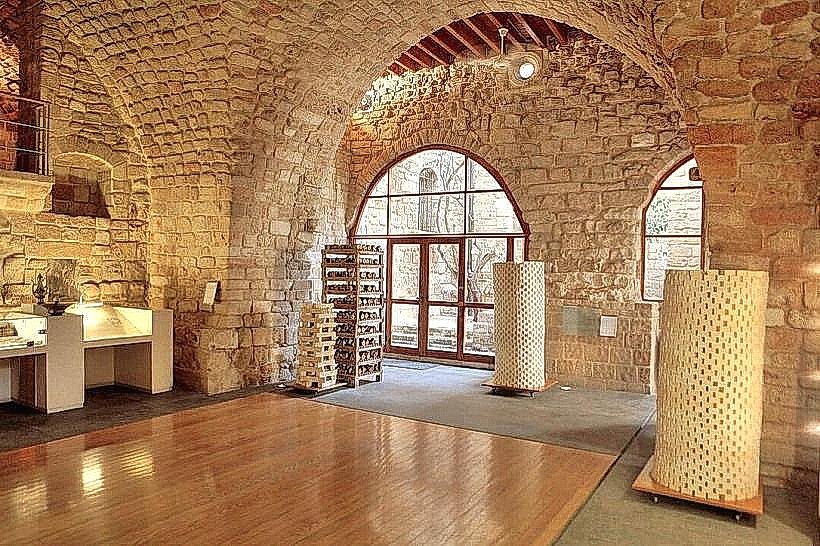
Soap Museum (Audi Foundation): 3.2km Southwest