Landmark: Saint Louis Castle (Land Castle)
City: Sidon
Country: Lebanon
Continent: Asia
Saint Louis Castle (Land Castle), Sidon, Lebanon, Asia
The Saint Louis Castle, also known as the Land Castle (Qalaat al-Muizz), is a ruined medieval fortress situated on an elevated hill overlooking the southern sector of the Old City and souks in Sidon (Saida), Lebanon. It functions as the primary terrestrial fortification built to defend the ancient maritime city from inland assaults.
Visual Characteristics
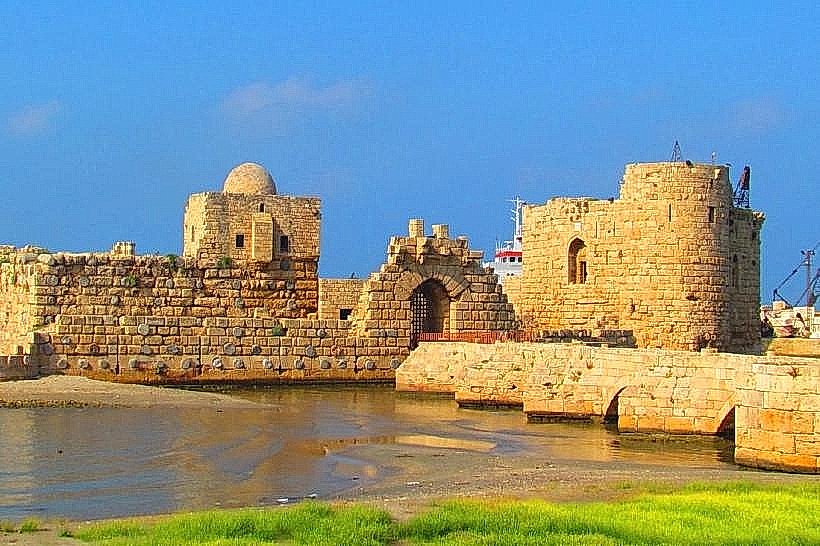
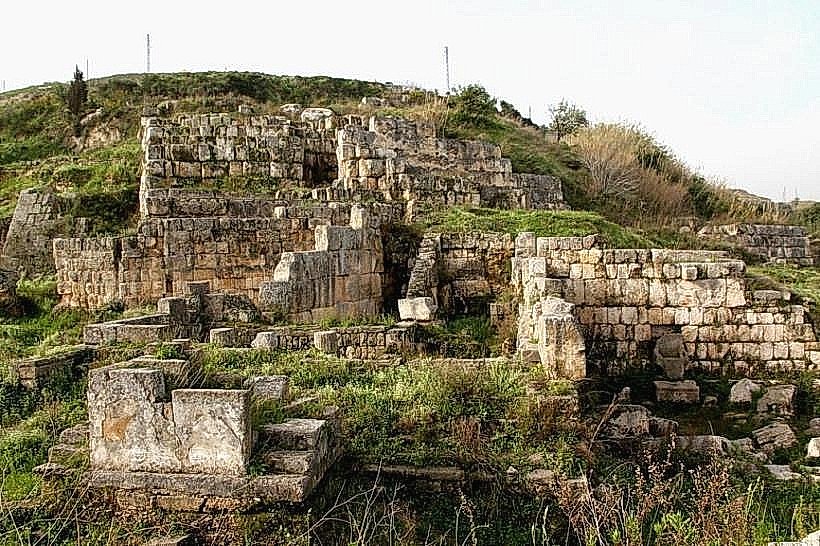
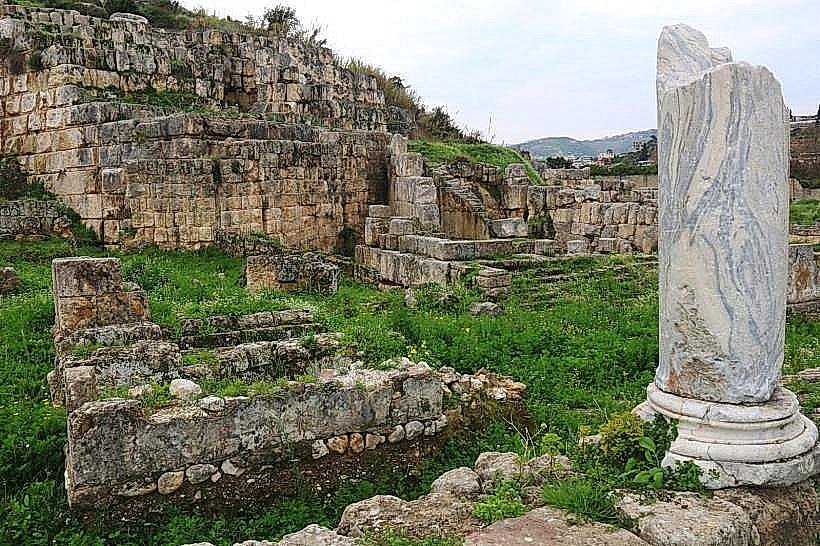
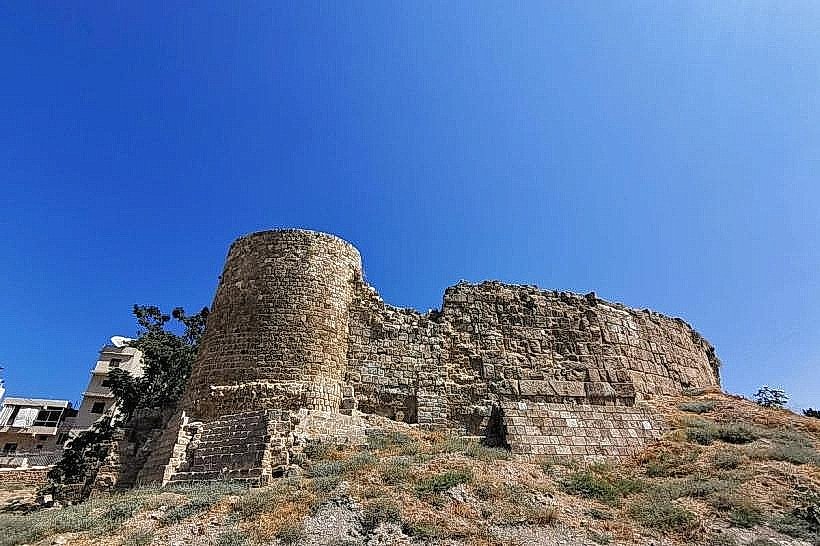
The fortress consists of a sprawling complex of ruined walls, vaulted chambers, and defensive towers built from local marine sandstone blocks and repurposed Roman granite columns. The site sits atop an artificial mound, or tell, which raises the ruins above the surrounding urban landscape. The architectural style represents a mixture of Crusader military engineering and later Mamluk masonry, characterized by thick load-bearing walls, narrow arrow slits, and subterranean storage vaults. The central keep is heavily dilapidated, with large sections of fractured masonry and exposed stone foundations surrounded by wild Mediterranean vegetation.
Location & Access Logistics
The castle is located on Al-Kalaa Street at the southern edge of the historic old town of Sidon, approximately 44 kilometers south of Beirut. Access from Beirut is via the South Coastal Highway, turning east into the city center toward the old residential quarters. Visitors can park in the municipal parking zones near Nejmeh Square or along the southern perimeter road at the base of the hill. Public transportation minivans departing from Beirut’s Cola intersection stop at the central Saida terminal, from which the castle is reached via a 10-minute uphill walk heading southwest through the residential alleyways.
Historical & Ecological Origin
The fortress was constructed in 1254 AD by the French King Louis IX (Saint Louis) during the Seventh Crusade, engineered over the foundations of an earlier 10th-century Fatimid fortification built under Caliph Al-Muizz li-Din Allah. The underlying hill itself is an archaeological tell formed by successive layers of human occupation dating back to the Phoenician and Roman eras. Following the departure of the Crusaders, the Mamluks captured and partially dismantled the complex in 1291 AD, later rebuilding parts of the central tower to house local garrisons.
Key Highlights & Activities
Inspecting the exterior fortification walls to identify ancient Roman columns laid horizontally into the masonry as structural reinforcements.
Walking around the base of the central keep to view the stratigraphy of the ancient tell formation.
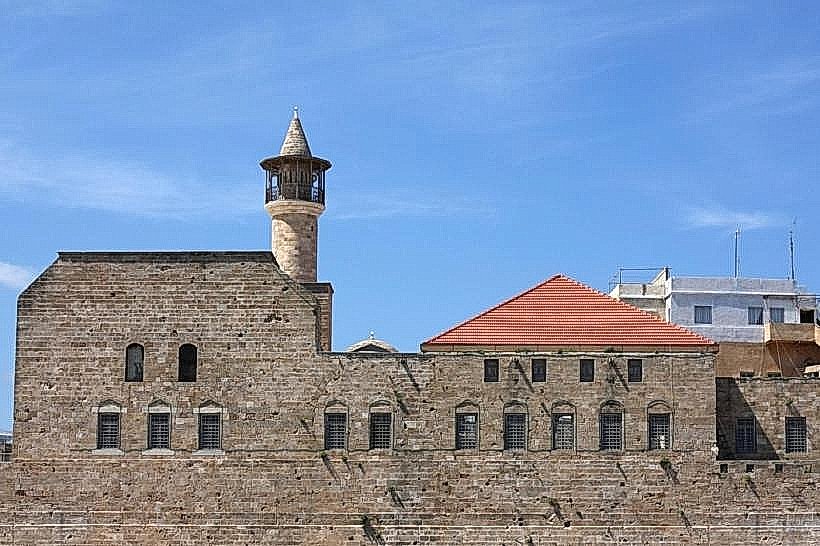
Photographing the panoramic view of the entire Old City, the Great Omari Mosque, and the Mediterranean coastline from the elevated northern terraces.
Examining the architectural transitions between the early Crusader pointed arch layouts and later Mamluk defensive modifications.
Infrastructure & Amenities
The castle operates as an open, semi-unregulated archaeological site with basic municipal monitoring. There are no dedicated visitor centers, ticketing booths, or public restrooms directly on the hilltop; visitors must access facilities in the nearby souks or at the Great Omari Mosque down the hill. The outdoor ruins offer zero artificial or natural shade, requiring complete sun protection during daylight hours. Cellular signal coverage remains fully operational, with stable 4G and 5G connections provided by local networks Alfa and Touch. Local grocery stores, pharmacies, and traditional bakeries are located within 200 meters of the hill entrance.
Best Time to Visit
The recommended months for a visit are April through June and September through November to avoid extreme coastal humidity in summer and heavy rainstorms in winter. The site is accessible during daylight hours. The optimal time of day for photography is late afternoon, as the setting sun directly illuminates the western walls of the fortress and provides clear lateral light across the lower historic town and harbor.
Facts & Legends
A verified historical oddity is that the hill on which the castle sits is partially composed of a massive ancient mound of discarded Murex snail shells, the accumulated industrial waste of centuries of Phoenician purple-dye manufacturing that occurred on this exact hillside. Local folklore long held that King Louis hid a massive treasure chest filled with gold coins deep within the unexcavated subterranean chambers of the castle keep, protected by a medieval curse to prevent local tomb raiders from locating the vaults.
Nearby Landmarks
Great Al-Omari Mosque: 0.2km Northwest
Sidon Old Souks: 0.3km North
Soap Museum (Audi Foundation): 0.35km Northeast
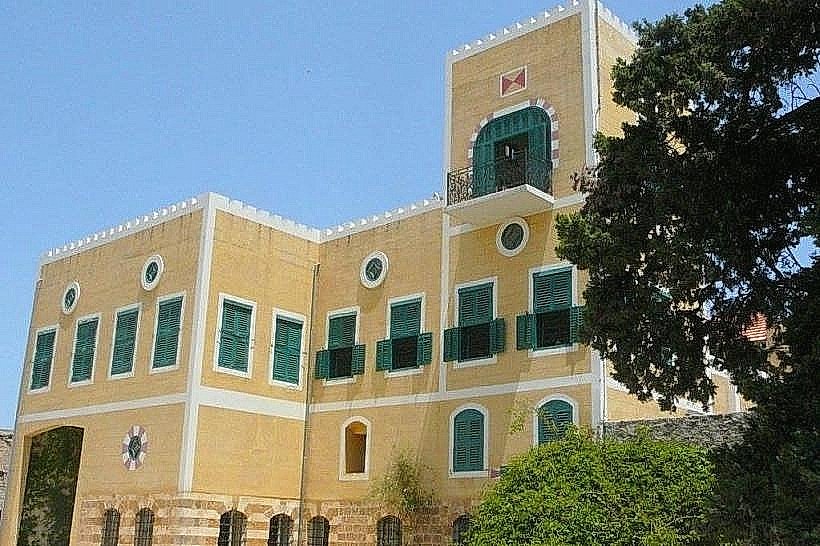
Debbane Palace: 0.45km Northeast
Khan al-Franj: 0.65km North