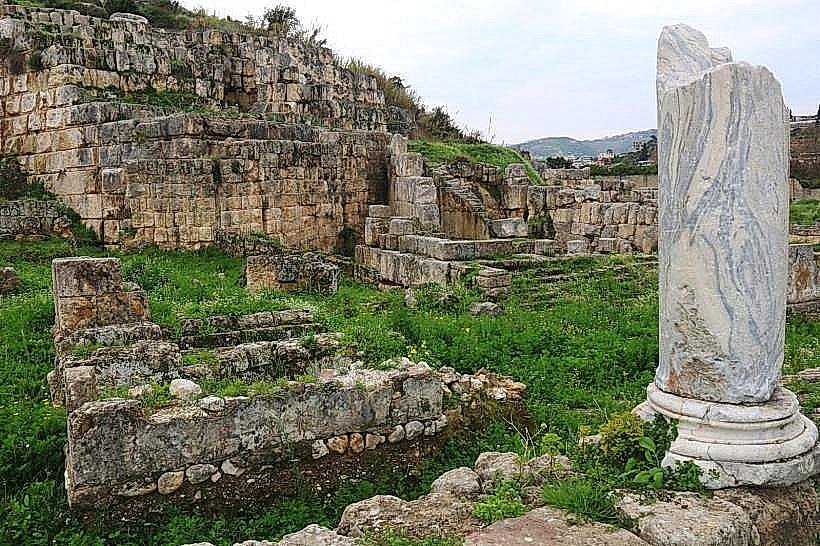
Landmark: Eshmun Valley
City: Sidon
Country: Lebanon
Continent: Asia
Eshmun Valley, Sidon, Lebanon, Asia
The Eshmun Valley, also known as the Awali River Valley (the ancient Bostrenos), is a historic river canyon located at the northern approach of Sidon (Saida), Lebanon. The valley serves as an important ecological corridor and an ancient sacred landscape that contains prominent Phoenician, Hellenistic, and Roman archaeological remains.
Visual Characteristics
The valley is a deep, narrow gorge carved through regional limestone hills, characterized by a perennial river flowing west toward the Mediterranean Sea. The landscape is visually defined by dense agricultural terracing, with extensive groves of citrus, banana, and olive trees blanketing the fertile alluvial valley floor. The steep canyon walls feature exposed white and cream limestone cliffs, karst rock formations, and Mediterranean scrub vegetation. Archaeological cuts, stone retaining walls, and ancient water channels are interspersed throughout the rural landscape.
Location & Access Logistics
The valley is situated directly along the course of the Awali River, roughly 3 kilometers northeast of Sidon's municipal center and 41 kilometers south of Beirut. Access from Beirut is via the South Coastal Highway, exiting at the main bridge crossing immediately before entering Sidon. From the highway, a two-lane asphalt road runs eastward along the northern bank of the river, providing direct vehicular entry into the interior of the valley. Roadside parking is available along the agricultural lanes and near the primary historical sites. Public transit buses from Beirut's Cola intersection drop passengers at the main highway bridge, from which visitors must walk or hire a local taxi to travel eastward into the valley.
Historical & Ecological Origin
Geologically, the valley was formed by the erosive action of the Awali River cutting through the Cretaceous limestone strata of the lower western foothills of Mount Lebanon. Historically, the Phoenicians selected this specific riparian environment during the late 6th century BC to establish a vast sacred precinct dedicated to their god of healing, utilizing the natural mountain springs to supply their ritual purification basins. The valley continued to function as a vital agricultural, strategic, and spiritual center under Persian, Hellenistic, Roman, and Ottoman administrations.
Key Highlights & Activities
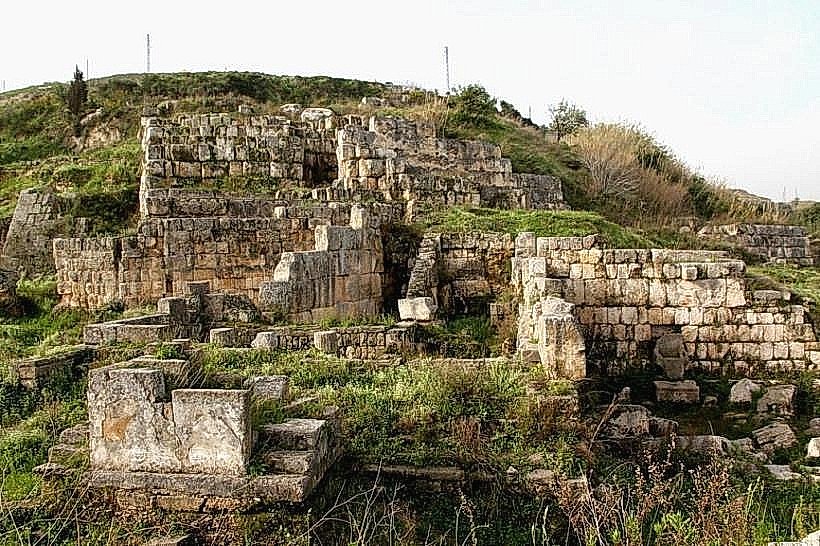
Exploring the valley floor to view the remains of the Temple of Eshmun and its monumental Persian-style ashlar podium.
Hiking along the rural dirt paths parallel to the river bank to observe traditional Levantine irrigation methods and stone aqueducts.
Photographing the contrast between the limestone cliffs, the agricultural orchards, and the flowing river waters.
Viewing the historic stone bridges constructed during the Ottoman period to span the seasonal river currents.
Infrastructure & Amenities
The valley is a largely rural agricultural and archaeological zone with decentralized infrastructure. Public restrooms and visitor amenities are absent across the open valley terrain, requiring visitors to utilize commercial facilities in nearby northern Sidon. Shading is extensive along the valley floor due to the high density of mature citrus trees and the steep topography of the surrounding hills. Cellular signal coverage remains fully operational, with stable 4G and 5G connections provided by networks Alfa and Touch. Small agricultural stands selling local produce operate along the valley road, while full dining and retail options are located 3 kilometers away on the coastal highway.
Best Time to Visit
The ideal months for exploration are April through June, when mountain snowmelt fills the river to its maximum volume and the citrus orchards are in bloom, or from September through November. The open valley is accessible during daylight hours. The best time of day for photography is mid-morning, when the sun rises high enough to illuminate the deep canyon floor without creating the harsh overhead glare of midday or the extreme shadows of late afternoon.
Facts & Legends
A verified historical oddity is that the valley's unique microclimate, protected from coastal winds by the high limestone ridges, allowed it to become one of the earliest centers for the cultivation of specialized citrus varieties imported into the Levant during the Ottoman period. Local folklore long held that the waters of the valley river were guarded by an ancient river deity, and historical texts record that pilgrims traveling to the healing sanctuaries would wash their clothes in the river to cleanse themselves of spiritual and physical impurities.
Nearby Landmarks
Temple of Eshmun: 0.1km North
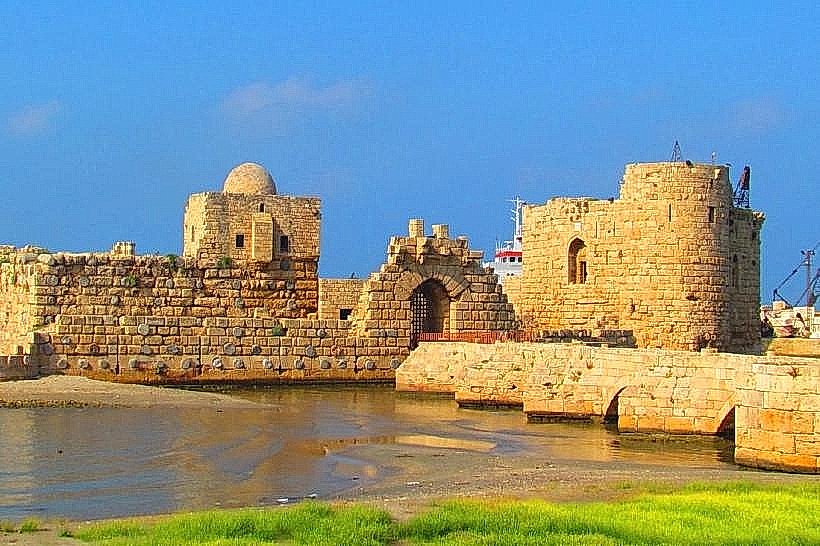
Sidon Sea Castle: 3.2km Southwest
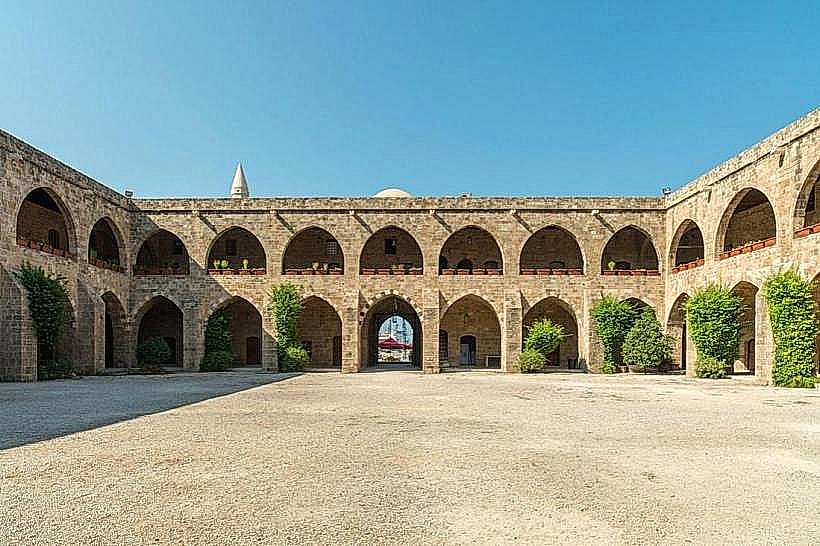
Khan al-Franj: 3.3km Southwest
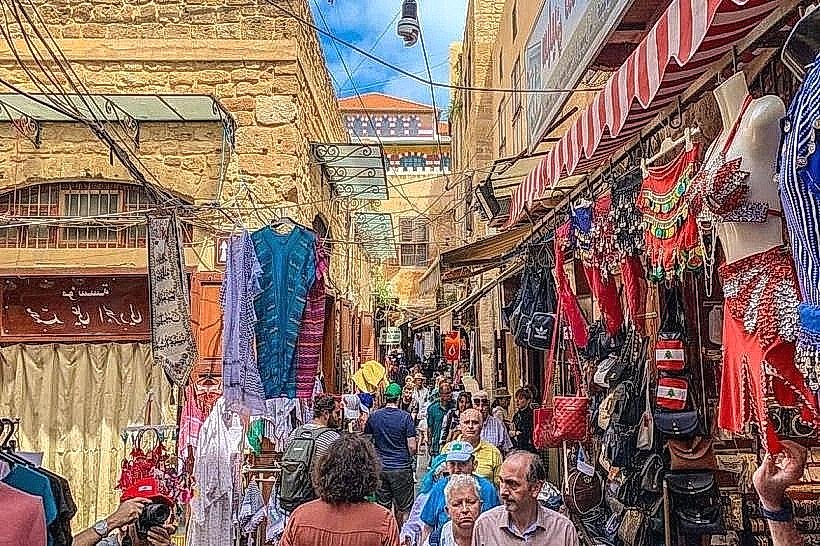
Sidon Old Souks: 3.4km Southwest
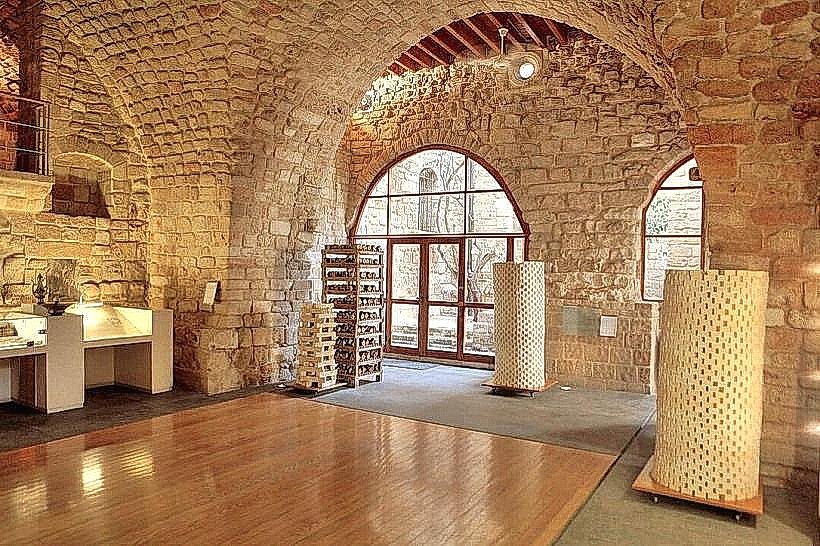
Debbane Palace: 3.5km Southwest