Landmark: Old City Souks
City: Sidon
Country: Lebanon
Continent: Asia
Old City Souks, Sidon, Lebanon, Asia
The Old City Souks of Sidon (Saida) are an expansive, interconnected network of historic stone marketplaces located along the coastal core of Sidon, Lebanon. The district constitutes an active, lived-in commercial quarter that has maintained its structural layout and trade functions continuously since the medieval period.
Visual Characteristics
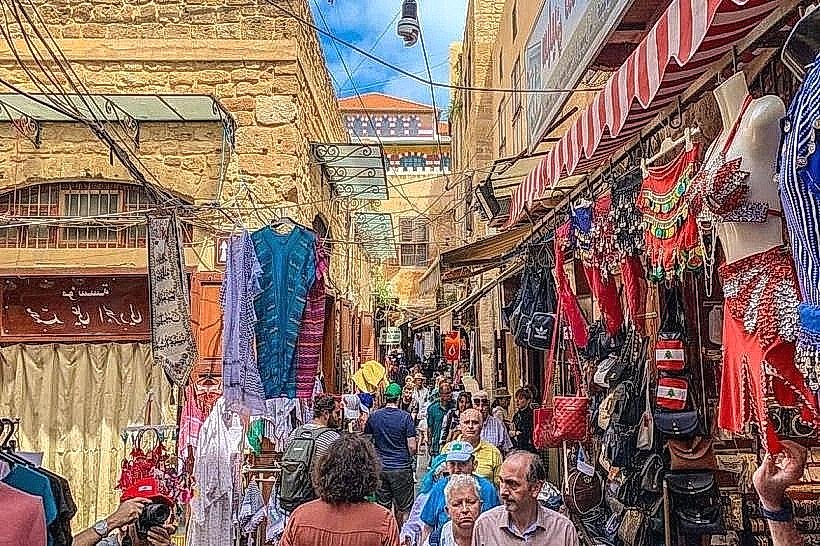
The souks are composed of dense, labyrinthine pedestrian alleyways enclosed by interconnected sandstone buildings. The walkways feature vaulted stone arches, low ceilings, and cobblestone flooring designed to withstand heavy foot traffic. Exterior light enters primarily through small rectangular vertical shafts and circular roof openings. The district is divided into specialized trade zones, with shopfronts displaying open baskets of spices, hanging textiles, traditional metalwork, and fresh seafood, all set against a backdrop of weathered ochre and cream limestone walls.
Location & Access Logistics
The market network occupies the central coastal strip of Sidon, directly east of El-Mina Street and approximately 43 kilometers south of Beirut. Vehicular travel from Beirut follows the South Coastal Highway directly into Sidon's seaside boulevard. Automobile traffic is strictly prohibited inside the narrow alleys; visitors must park in the municipal lots flanking the northern harbor, Khan al-Franj, or Nejmeh Square. Public transportation minivans departing from Beirut's Cola intersection terminate at Nejmeh Square, which sits directly at the southeastern pedestrian entrance of the souk complex.
Historical & Ecological Origin
The basic urban grid of the souks took shape during the Crusader and Mamluk eras between the 13th and 15th centuries, with significant expansion and structural rebuilding occurring during the Ottoman rule of Emir Fakhreddine II in the 17th century. The marketplace was engineered over a flat maritime alluvial plain to consolidate regional commercial activities, artisan guilds, and international trade arrivals from the adjacent seaport. The construction relies entirely on regional marine sandstone (ramleh), which provides structural flexibility and resistance to coastal salinity.
Key Highlights & Activities
Walking through the specialized sub-markets, including the Carpenter's Souk, the Gold Souk, and the Fish Market, to observe traditional trade practices.
Navigating the vaulted residential alleyways (Haret) to view the integration of medieval architectural elements into modern local housing.
Sampling traditional local confectioneries, specifically Sanioura (a crumbly flour-based sweet), directly from historical wood-fired bakeries.
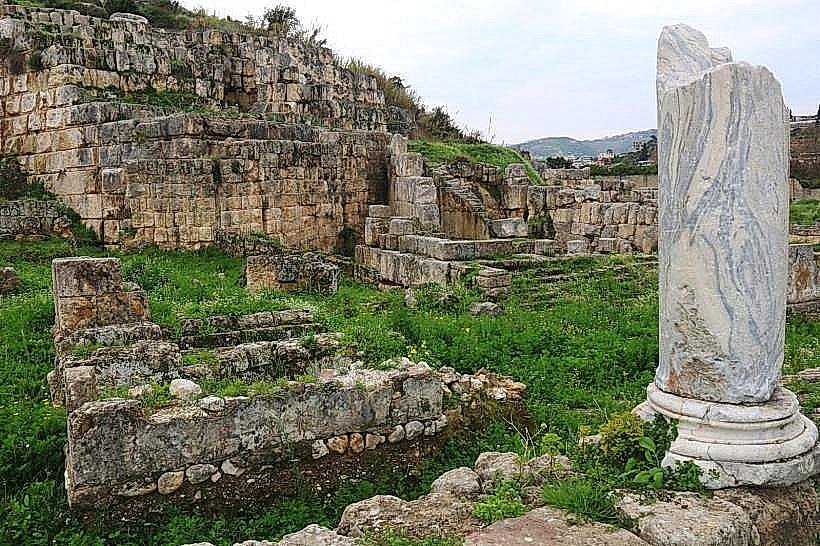
Identifying architectural spolia, such as ancient Roman column fragments and carved capitals, reused as corner cornerstones or door thresholds.
Infrastructure & Amenities
The souks operate as a functional municipal commercial zone. Public restrooms are located inside major public buildings within the grid, including the Great Al-Omari Mosque and the Audi Soap Museum. Natural shade is continuous throughout the day due to the vaulted, covered design of the main alleyways. Cellular reception is generally functional, though 4G and 5G signals from carriers Alfa and Touch can weaken within deeply recessed subterranean corridors. Small grocery shops, pharmacies, and traditional juice stalls are situated at regular intervals throughout the market lines.
Best Time to Visit
The ideal months to visit are from April to June and September to November to avoid intense summer humidity and heavy winter rains that can pool in the low-lying stone streets. Active trading occurs daily from 8:00 AM to 5:00 PM, with the exception of Friday mornings during communal prayers. The optimal time for photography is mid-morning, around 10:00 AM, when high-angle sunlight streams through the roof openings, creating high-contrast light shafts against the dark sandstone corridors.
Facts & Legends
A verified historical oddity is that the floor level of the modern souks sits roughly two to three meters higher than the original medieval pathways, a result of centuries of rebuilding directly on top of older structural debris following historic earthquakes and military sieges. Local folklore tells of a complex network of forgotten cellar doors and trapdoors hidden beneath the shop floors, which merchants allegedly used during the Ottoman period to move merchandise directly to the harbor without paying municipal customs taxes.
Nearby Landmarks
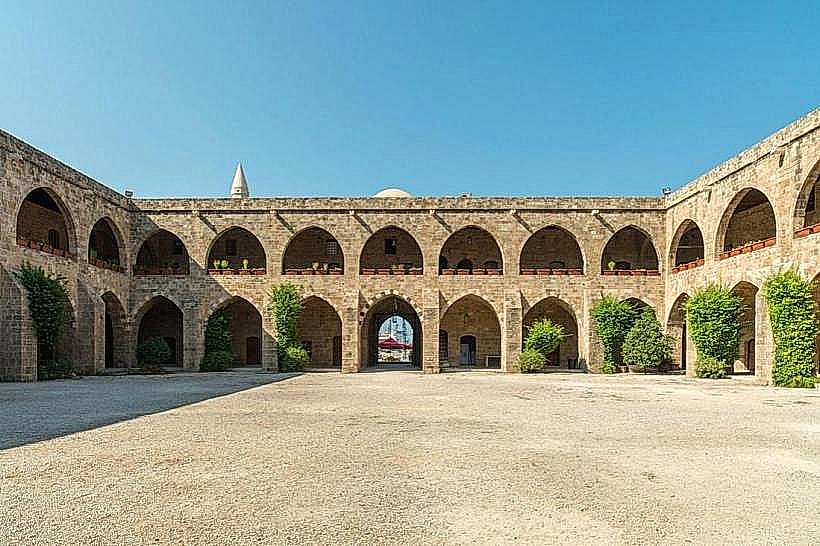
Khan al-Franj: 0.05km North
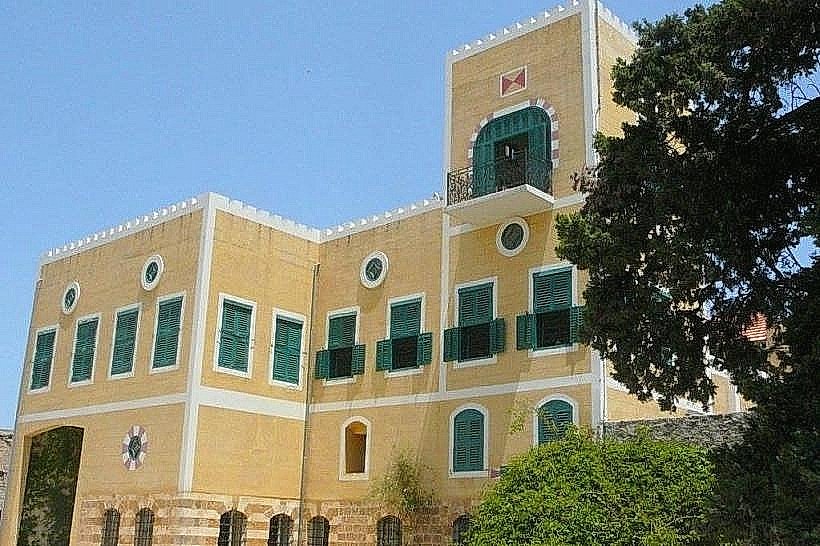
Debbane Palace: 0.1km East
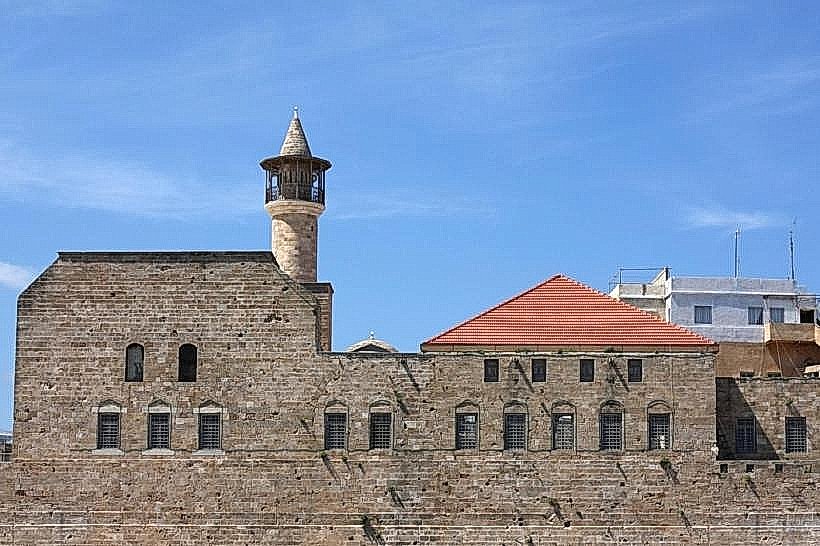
Great Al-Omari Mosque: 0.2km Southwest
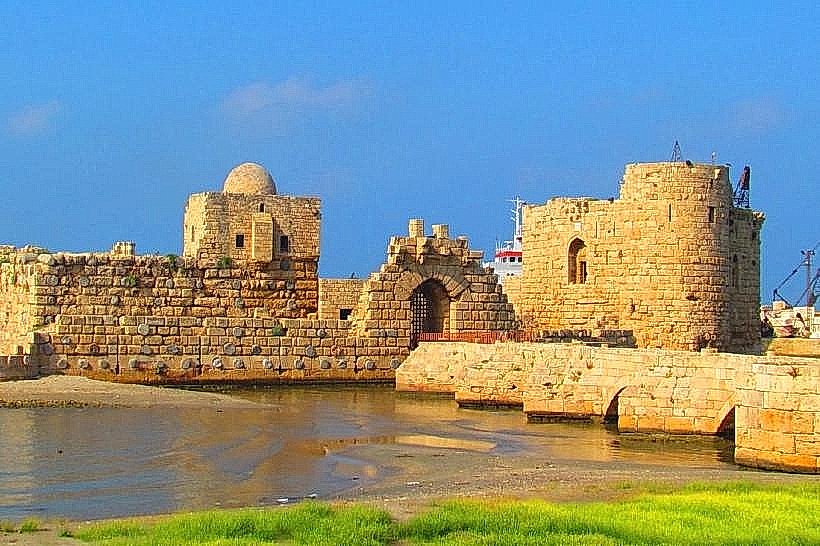
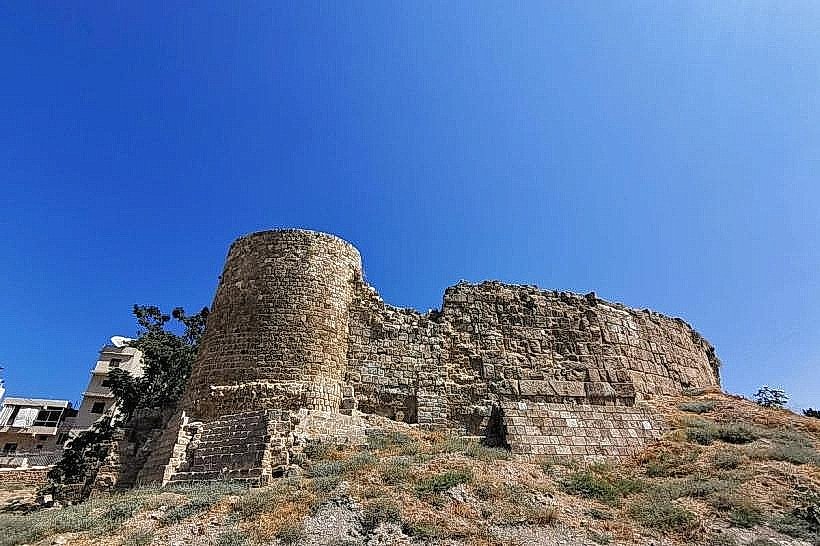
Sidon Sea Castle: 0.25km Northwest
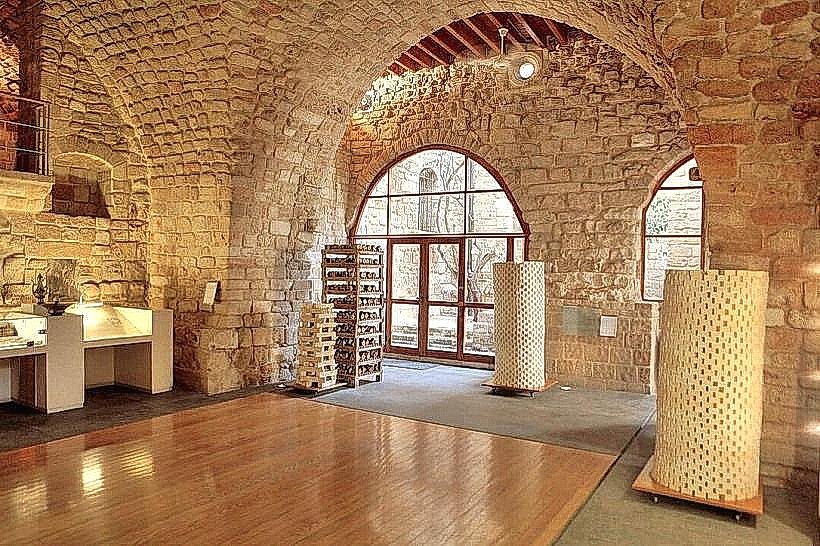
Soap Museum (Audi Foundation): 0.3km East