Landmark: Bassari Country
City: Kedougou
Country: Senegal
Continent: Africa
Bassari Country, Kedougou, Senegal, Africa
Bassari Country is a mountainous cultural landscape located in southeastern Senegal near the border with Guinea, encompassing the Bassari, Bedik, and Bula areas. It was designated a UNESCO World Heritage site in 2012 due to the preservation of unique agro-pastoral, social, and ritual practices adapted to the rugged environment.
Visual Characteristics
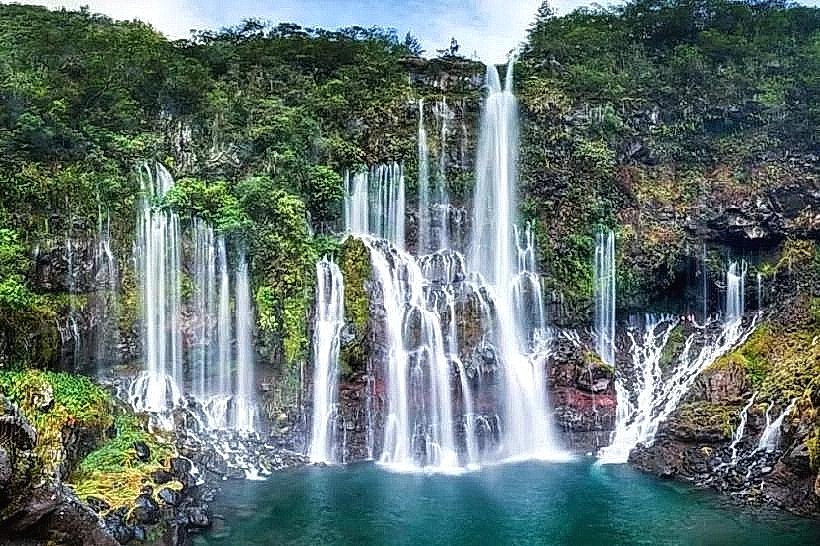
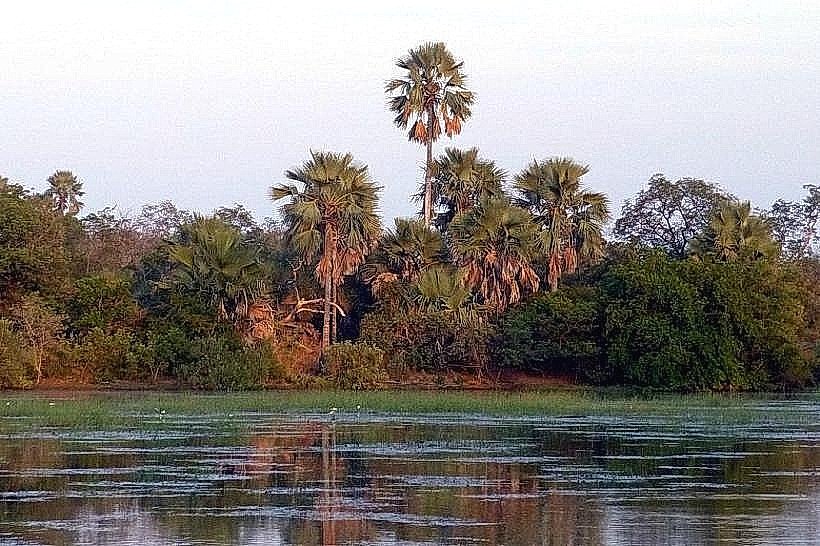
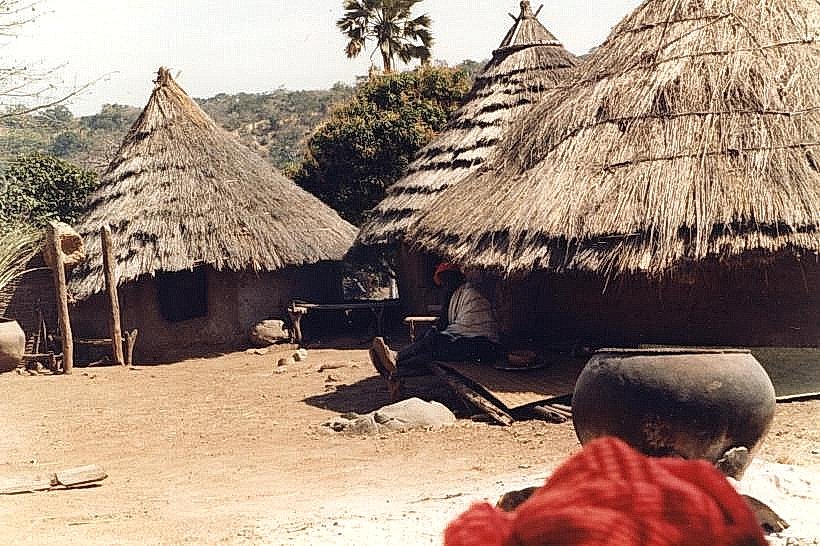
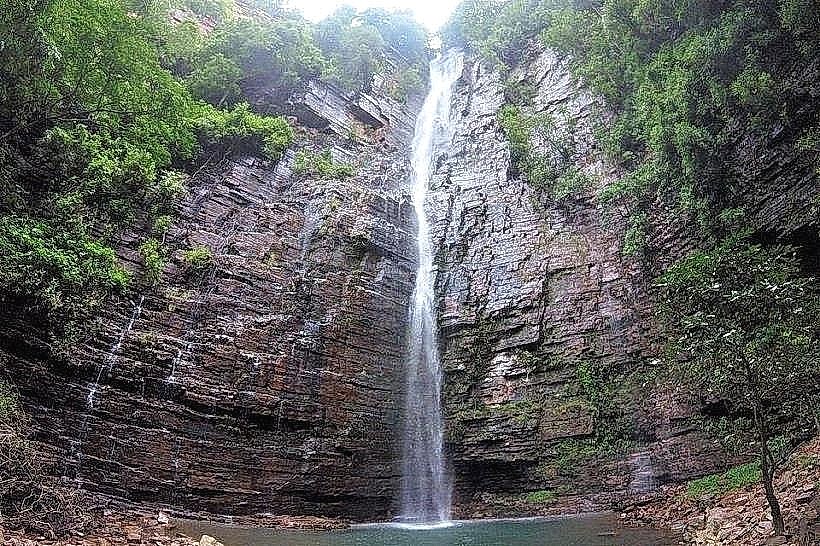
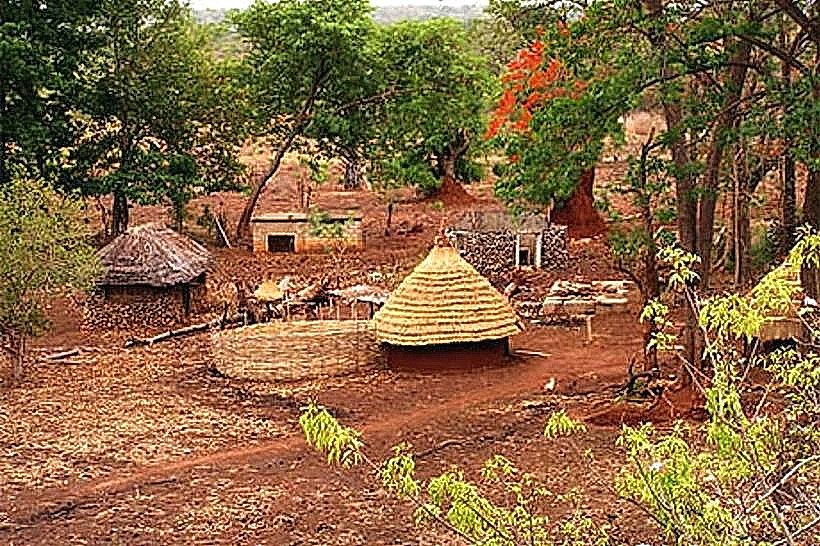
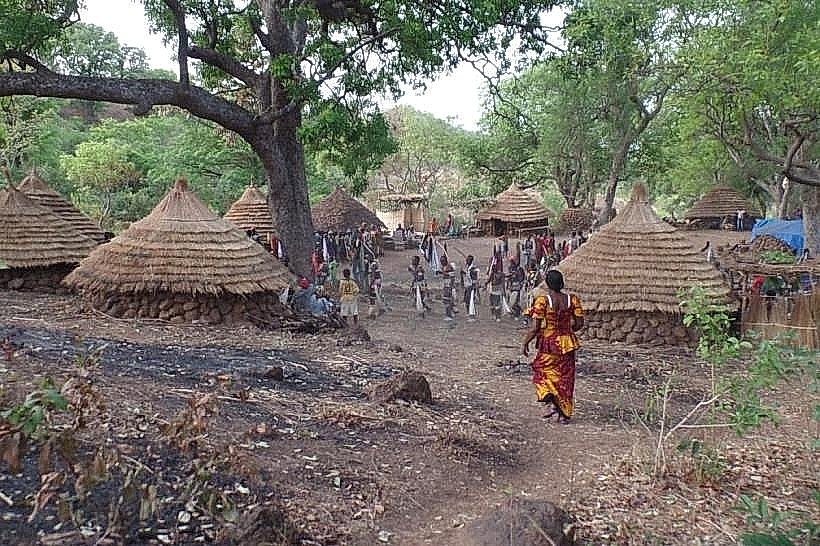
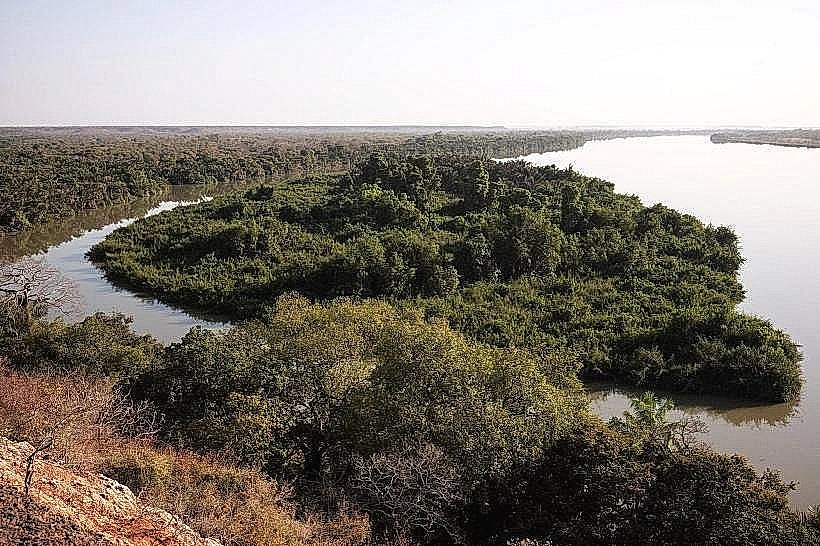
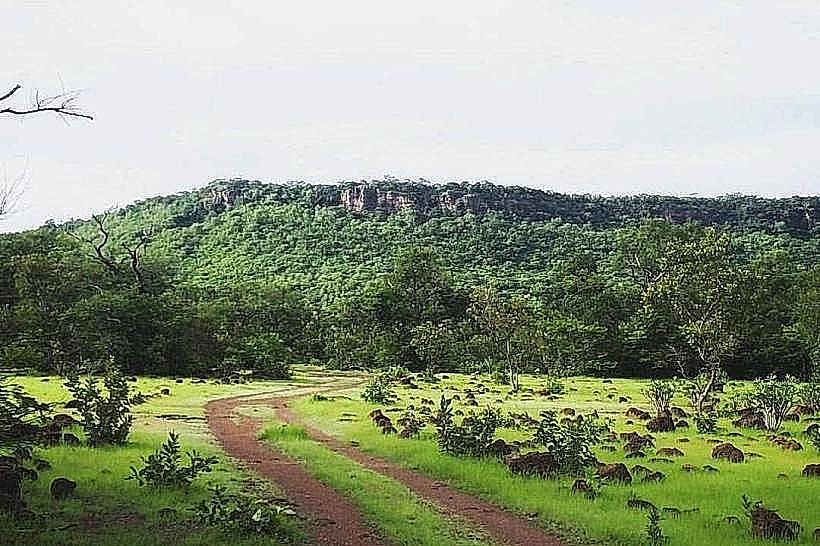
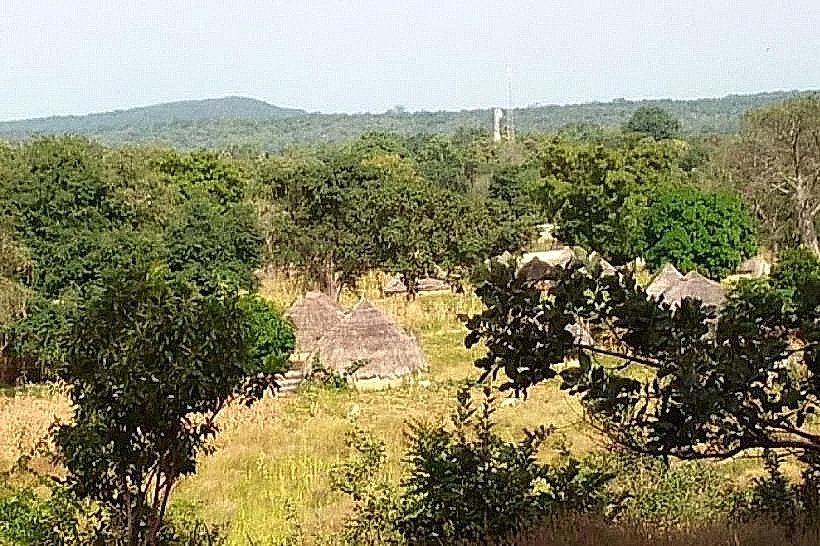
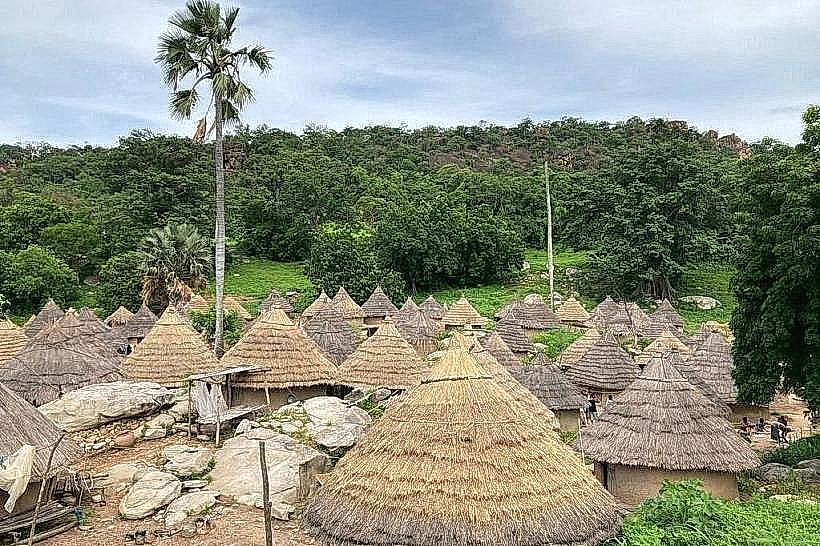
The landscape is defined by the steep volcanic and sandstone escarpments of the Fouta Djallon foothills. It features terraced agricultural fields, dense gallery forests along seasonal streams, and circular stone dwellings with peaked thatched roofs. The terrain is characterized by red lateritic soils, massive granite outcroppings, and high densities of baobab and mahogany trees.
Location & Access Logistics
The region is centered approximately 20km to 50km west and southwest of the city of Kédougou. Access is primarily via the N7 highway and the P3221 unpaved road. Reaching the traditional villages requires 4x4 vehicles for the mountain tracks and significant pedestrian trekking, as most settlements are positioned on high plateaus for defensive purposes.
Historical & Ecological Origin
The Bassari, Bedik, and Bula peoples settled this region between the 11th and 19th centuries, using the inaccessible terrain to resist external influences and slave raids. Geologically, the area comprises some of the oldest rock formations in Senegal, part of the Birimian and Mauritanide belts, which create a distinct topographical contrast to the flat northern savannas.
Key Highlights & Activities
Hiking between hilltop villages like Iwol or Ethiolo is the primary activity. Visitors can observe traditional initiation ceremonies, masked dances, and communal labor systems known as "and-kout." The area is also notable for ancient iron-smelting sites and traditional granaries carved into the rock or built from mud and straw.
Infrastructure & Amenities
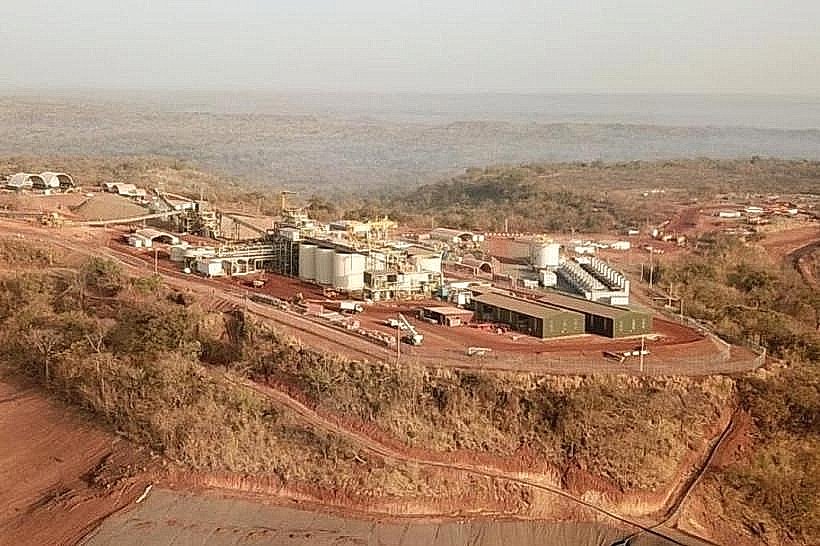
Infrastructure is minimal and decentralized; there are no paved roads within the core village areas. Basic lodging is provided by community-run eco-camps in villages like Bandafassi or Salemata. Restrooms are typically pit latrines, and water is sourced from hand-pumped boreholes. 4G cellular signal is available in lowland hubs but disappears in the deep valleys and high plateaus.
Best Time to Visit
The dry season from December to April is the only reliable time for travel, as heavy rains make mountain tracks impassable. The month of May is significant for witnessing the "And-Kout" initiation ceremonies. Early morning is the best time for photography to capture the mist in the valleys and the sharp relief of the escarpments.
Facts & Legends
The Bassari are known for their intricate age-grade system, where individuals move through social tiers via rigorous physical and spiritual tests. A unique local myth suggests that the mountains themselves are living entities that provided "stone doors" to hide the population during historical invasions, which local guides often point out as specific rock fissures.
Nearby Landmarks
Iwol Bedik Village – 15.0km West of Kédougou
Dindefelo Falls – 35.0km South
Niokolo-Koba National Park – 45.0km Northwest
Bandafassi Village – 12.0km West