Landmark: Gambia River Banks
City: Kedougou
Country: Senegal
Continent: Africa
Gambia River Banks, Kedougou, Senegal, Africa
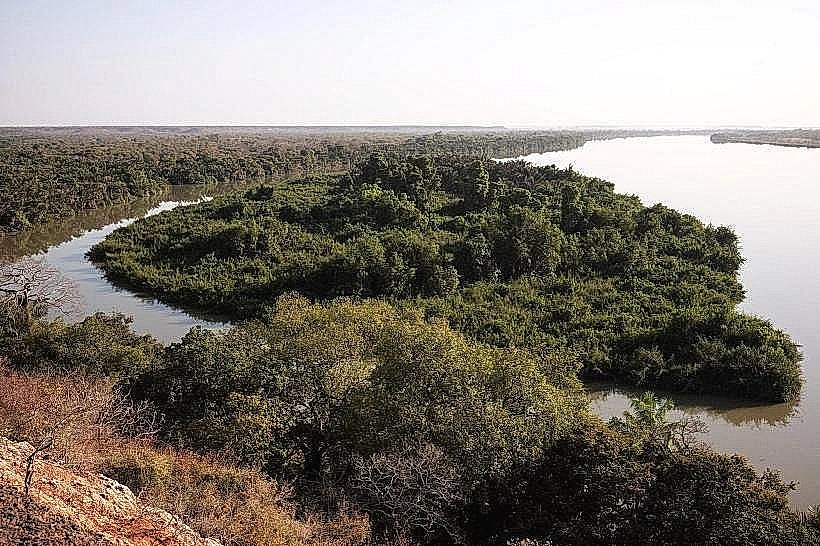
The Gambia River Banks in the Kédougou region of southeastern Senegal represent the upper reaches of one of Africa’s major waterways. In this area, the river serves as a primary ecological lifeline, carving through the rugged Birimian geological formations and providing a permanent water source for the surrounding savanna and gallery forests.
Visual Characteristics
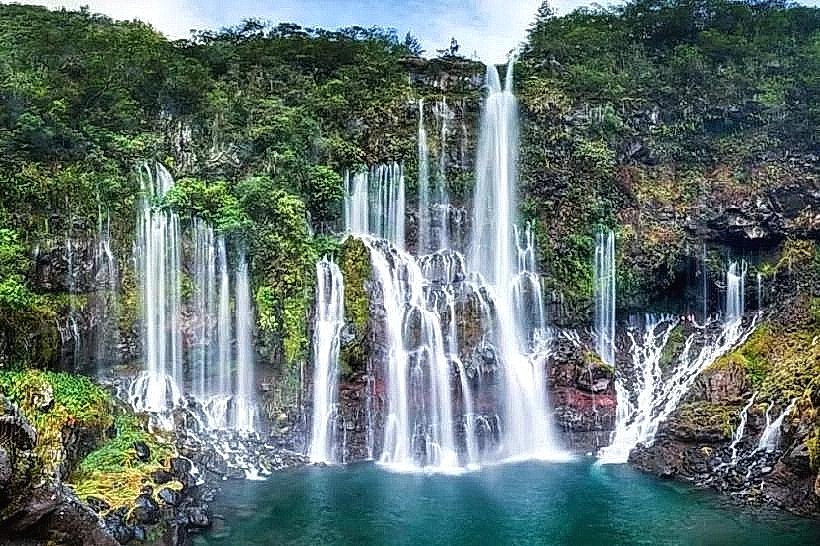
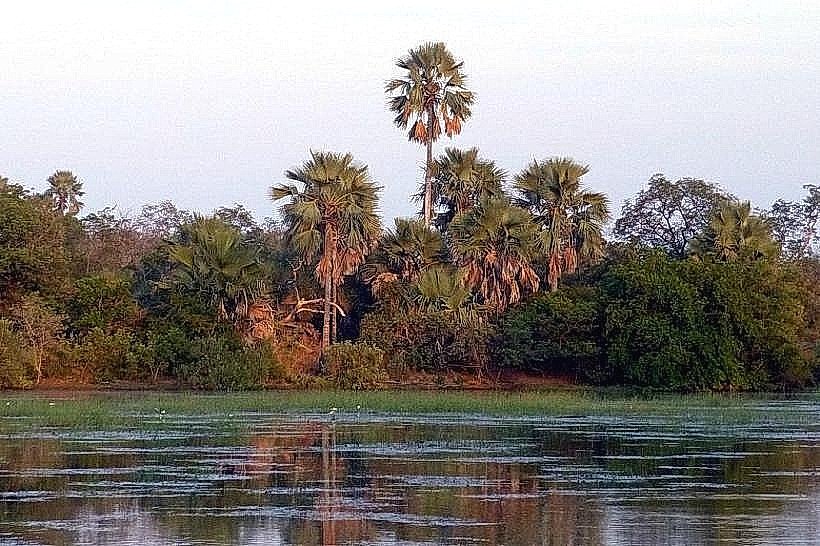
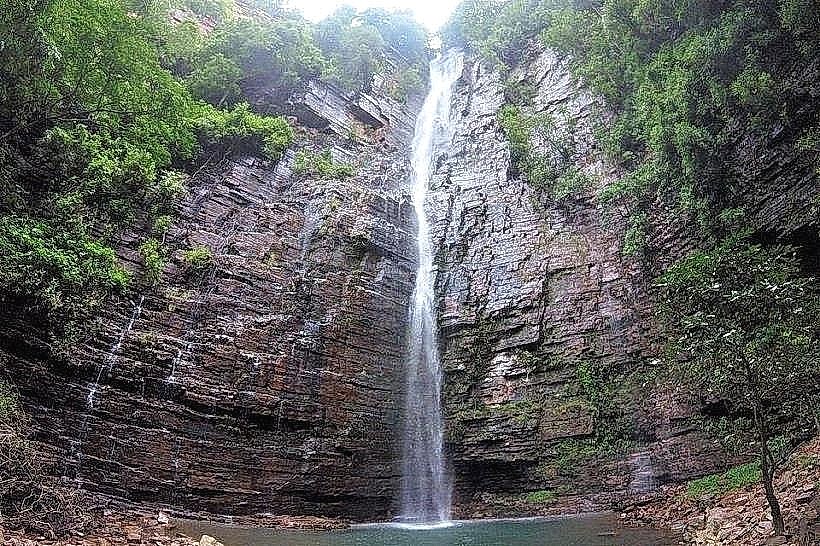
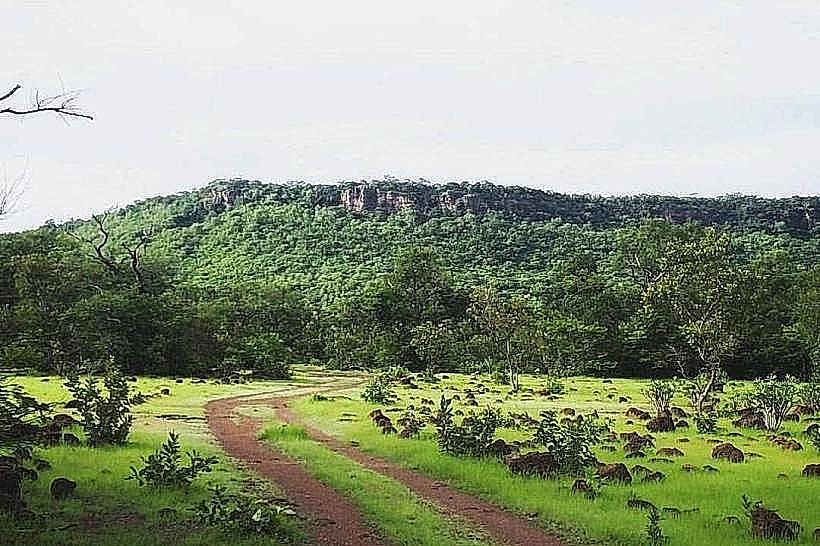
The banks are defined by steep, eroded lateritic cliffs and wide alluvial sandbars. During the dry season, the water is clear and shallow, revealing large granite and basalt boulders within the riverbed. The vegetation is dense along the immediate shoreline, featuring towering bamboo thickets, raffia palms, and mahogany trees, which contrast sharply with the red earth and golden grasses of the adjacent inland savanna.
Location & Access Logistics
The river runs approximately 5km south of Kédougou city. Access is most common via the bridge on the N7 highway or through small dirt tracks leading from the villages of Mako and Fongolimbi. Motorized vehicles can reach certain sandy embankments, but many sections require walking along established animal and footpaths. During the rainy season, many access roads become impassable due to the rising water table and mud.
Historical & Ecological Origin
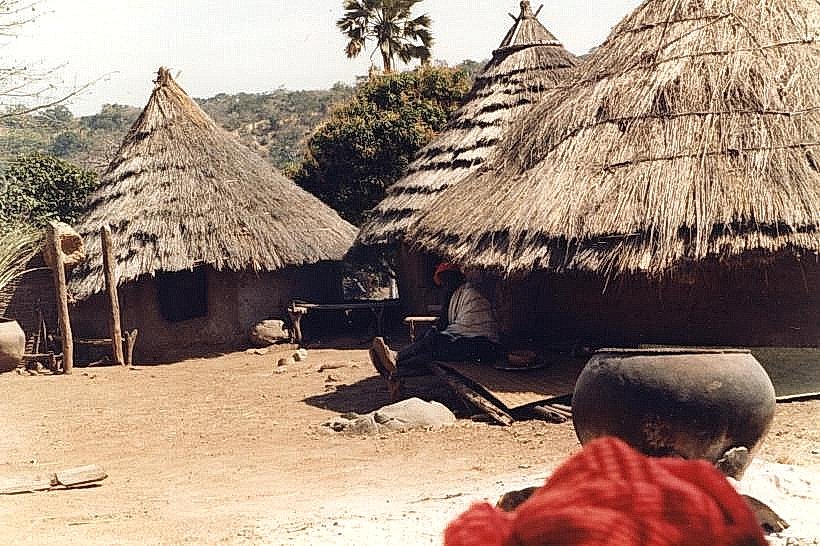
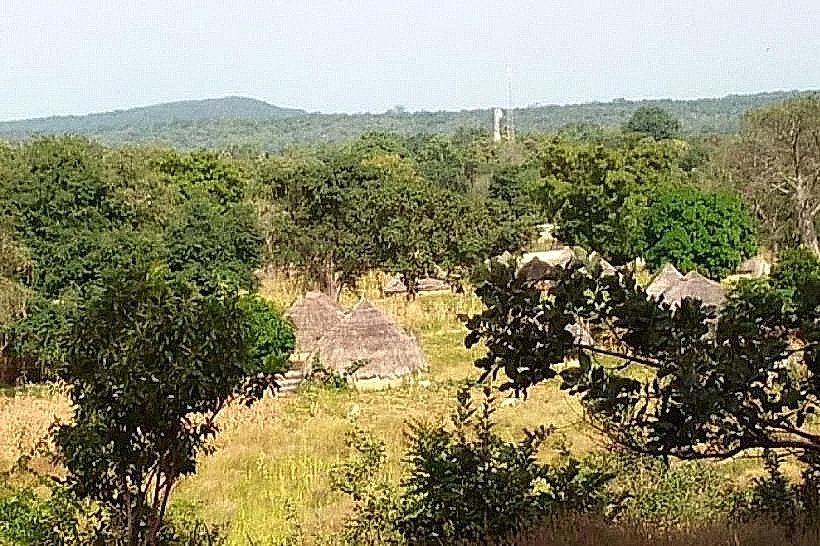
The river originates in the Fouta Djallon highlands of Guinea and is geologically ancient, having shaped the topography of the region over millions of years. Historically, the banks served as the primary settlement sites for the Mandinka and Fulani people, who utilized the fertile floodplains for rice and corn cultivation. The area is part of the broader Niokolo-Koba ecological complex, supporting hippopotamus populations and diverse birdlife.
Key Highlights & Activities
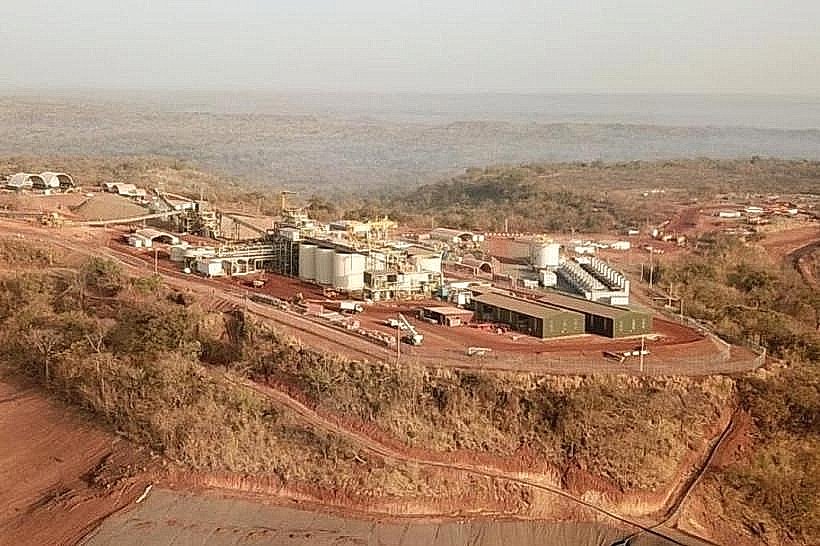
Artisanal gold panning is a significant activity on the banks, where miners use wooden basins to sift through river sediment. Traditional fishing using nets and pirogues is common near the deeper pools. In areas like Mako, hippopotamus tracking is possible with local guides. The river also serves as a communal site for washing laundry and watering livestock, offering a specific view of daily rural logistics.
Infrastructure & Amenities
Infrastructure along the riverbanks is minimal. Aside from the concrete bridge at Kédougou and a few eco-lodges in Mako, there are no public restrooms, paved walkways, or formal shade structures. Natural shade is provided by the dense gallery forest. 4G cellular signal is available near Kédougou and Mako but drops significantly in the more remote stretches toward the Guinean border.
Best Time to Visit
The dry season (January to May) is the best time for photography and access, as the water levels are low, exposing the dramatic rock formations and sandbars. Early morning (06:30–08:30) is the optimal time for wildlife sightings, particularly hippos and crocodiles. During the peak of the rainy season in September, the river can rise several meters, flooding the banks and making the current too dangerous for boat travel.
Facts & Legends
Local Mandinka tradition holds that the river is home to powerful spirits that protect the gold deposits within the silt. A verified historical fact is that the upper Gambia River is one of the few places in West Africa where chimpanzees have been observed using caves and frequenting the riverbanks to cool down, a behavior unique to this specific high-heat savanna environment.
Nearby Landmarks
Kedougou City Center – 5.0km North
Mako Gold Mining Site – 42.0km Northwest
Niokolo-Koba National Park (Gambia Entrance) – 45.0km Northwest
Iwol Bedik Village – 15.0km West