Landmark: Iwol Bedik Village
City: Kedougou
Country: Senegal
Continent: Africa
Iwol Bedik Village, Kedougou, Senegal, Africa
Iwol is a traditional hilltop settlement inhabited by the Bedik ethnic minority, located on the Bandafassi plateau in the Kédougou region of southeastern Senegal. It is recognized for its preservation of pre-colonial architectural styles and cultural practices, situated at an elevation of approximately 400 meters.
Visual Characteristics
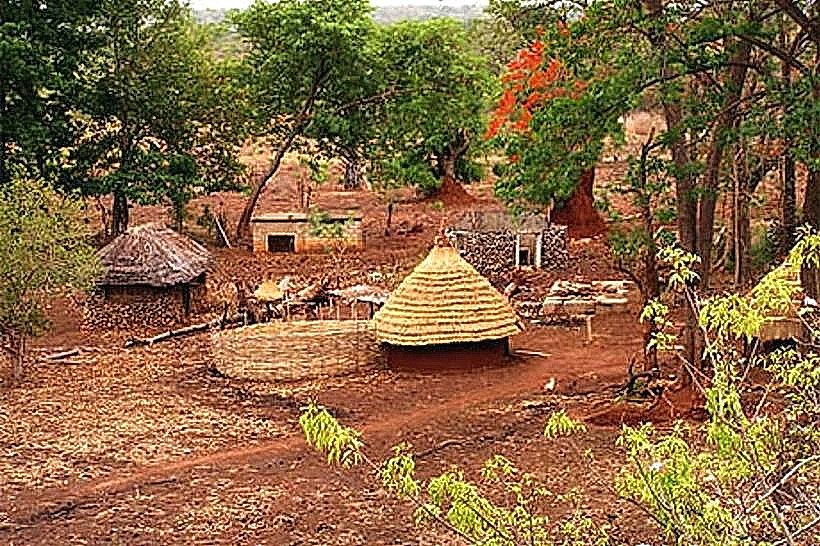
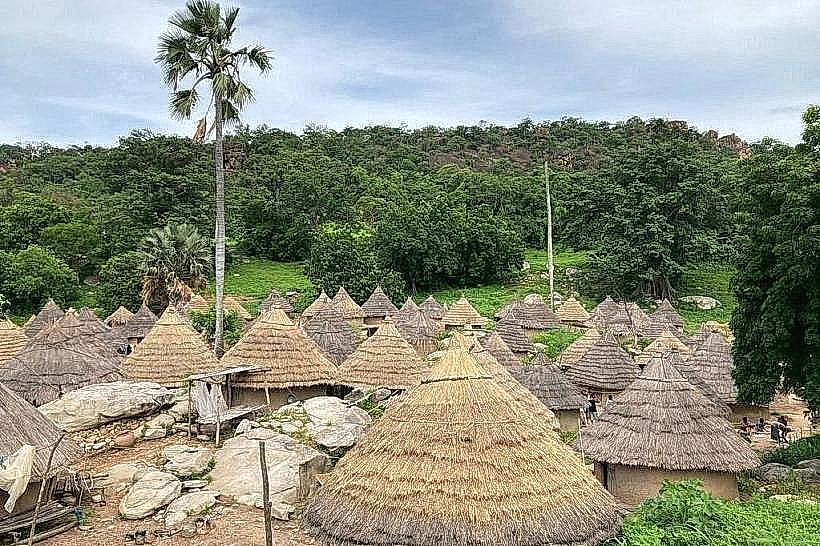
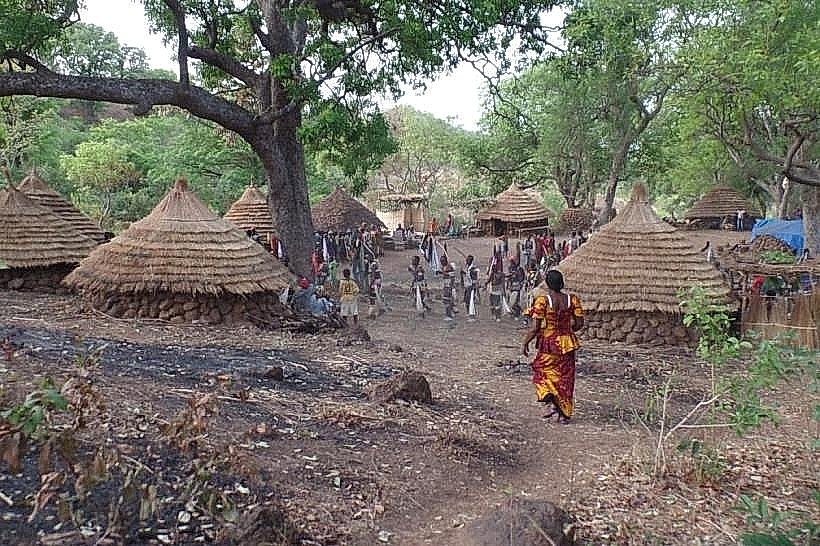
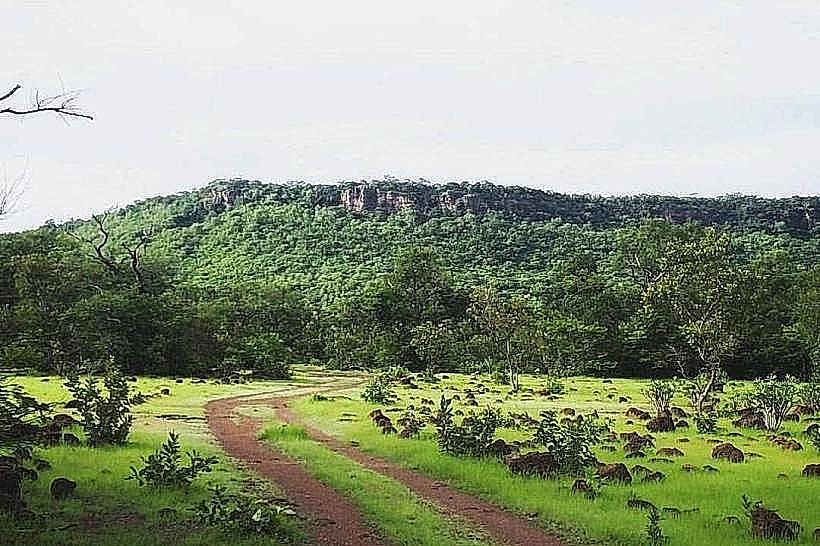
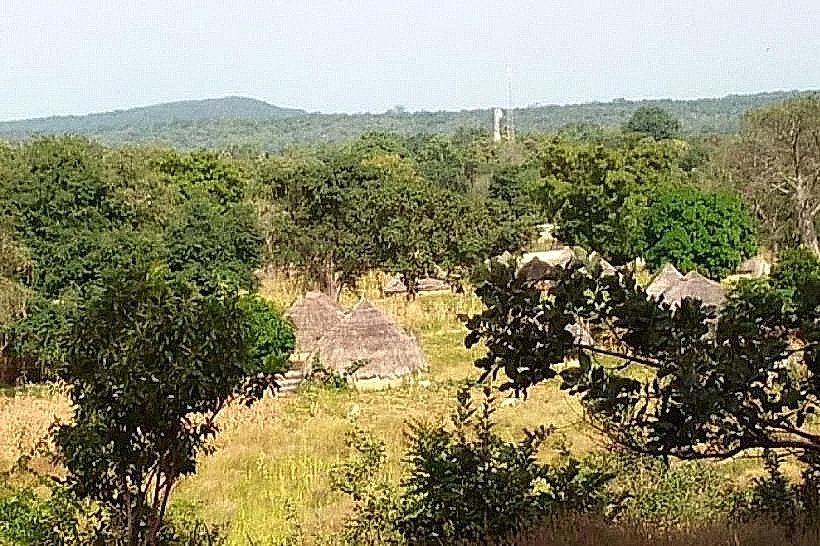
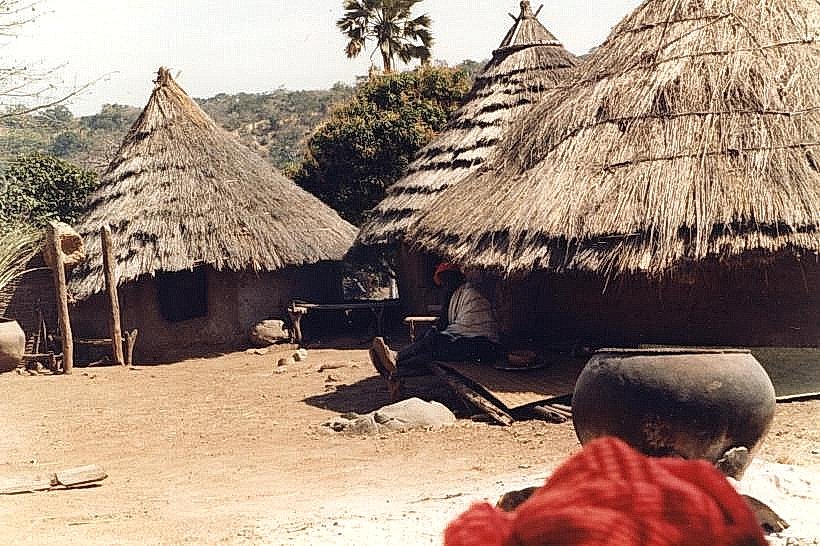
The village consists of circular dwellings built from local volcanic stone and mud, topped with conical thatched roofs made of dry savanna grass. These structures are densely packed along the rocky incline of the plateau. The surrounding landscape features massive ancient baobab trees and steep sandstone cliffs. Narrow, hand-cleared stone paths navigate the uneven terrain between the enclosures.
Location & Access Logistics
The village is located roughly 25km west of Kédougou. Access requires traveling to the base of the plateau at the village of Bandafassi via a dirt road. From Bandafassi, the only way to reach Iwol is by a steep, 2-kilometer uphill trek on a rocky pedestrian trail. The hike takes approximately 45 to 60 minutes. 4x4 vehicles are necessary to reach the trailhead during the rainy season.
Historical & Ecological Origin
Iwol was established as a defensive retreat by the Bedik people, who sought refuge on the high plateaus to escape slave raids and forced conversions during the 13th to 15th centuries. Geologically, the site is part of the Bassari Country, characterized by ancient Proterozoic sedimentary and volcanic rock layers that form the rugged escarpments of the Fouta Djallon foothills.
Key Highlights & Activities
Cultural tours led by a local village chief or designated guide are the primary activity. Visitors can observe traditional granaries, communal meeting areas, and the specific arrangement of family compounds. Photography of the panoramic views of the Sine-Saloum plains from the plateau edge is a major draw. During certain seasons, visitors may witness traditional weaning ceremonies or harvest festivals involving rhythmic drumming and specific attire.
Infrastructure & Amenities
Infrastructure is extremely limited to preserve the village's traditional state. There are no paved roads, public restrooms, or electricity. Water is sourced from a communal well at the village center. Shade is provided by large baobabs and the overhangs of the thatched roofs. 4G cellular signal is weak and intermittent on the plateau, often requiring a line-of-sight to the valley floor.
Best Time to Visit
The dry season (November to May) is the most practical time for the steep ascent. For photography, early morning (07:00–09:00) offers the best light and cooler temperatures for the hike. Visiting during the late afternoon is discouraged due to the difficulty of navigating the rocky descent at dusk.
Facts & Legends
Iwol is home to one of the largest and oldest baobab trees in Senegal, which serves as a central landmark for village assemblies. Bedik legend holds that their ancestors emerged from a hole in the mountain or moved through the rock itself to escape their pursuers. A specific visitor tip is to bring small gifts like kola nuts for the village elders as a sign of respect, following local custom.
Nearby Landmarks
Bandafassi Village – 2.0km East (at the base of the trail)
Dindefelo Falls – 42.0km South
Kedougou City Center – 25.0km East
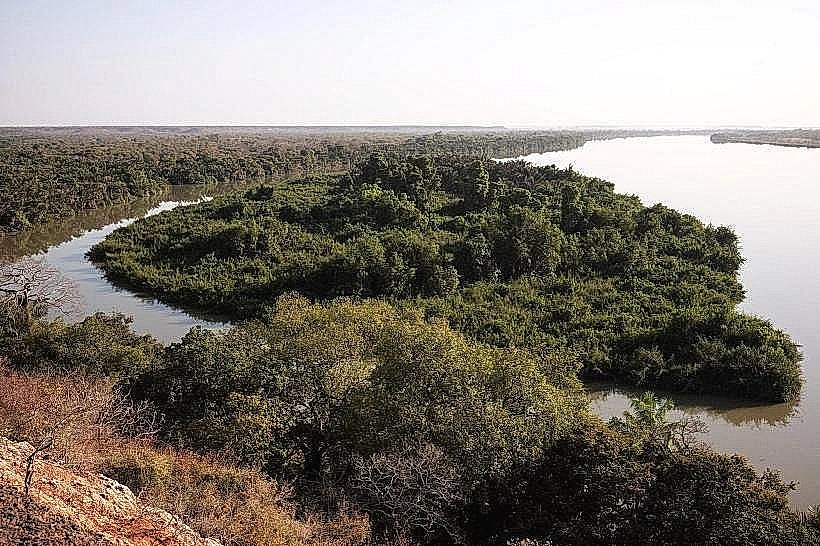
Gambia River – 15.0km North