Landmark: Mako Gold Mines
City: Kedougou
Country: Senegal
Continent: Africa
Mako Gold Mines, Kedougou, Senegal, Africa
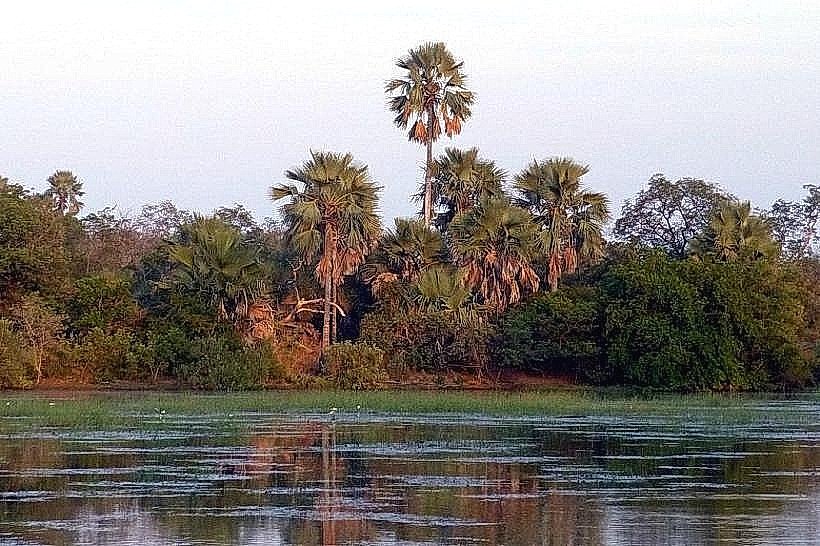
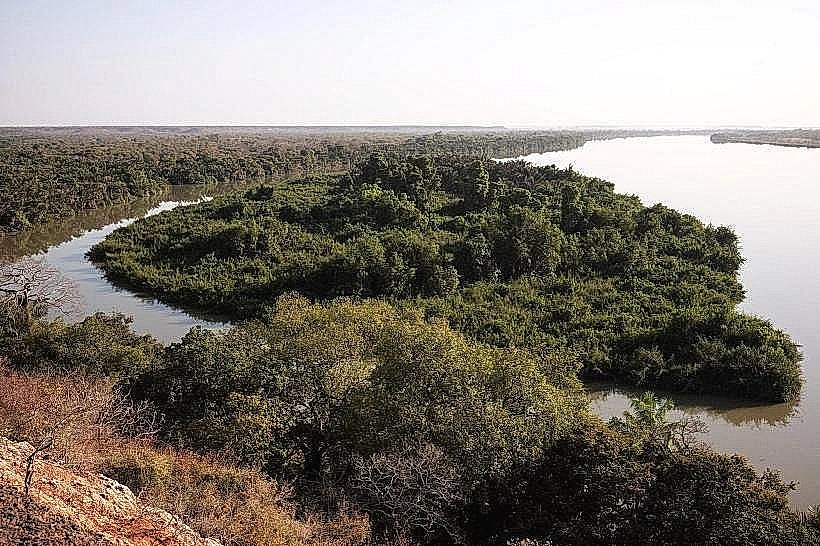
Mako Gold Mines is a major mining site in the Kédougou region of southeastern Senegal, comprising both a large-scale industrial operation and numerous artisanal mining zones. It is situated along the banks of the Gambia River, where the local geology is characterized by the Birimian Greenstone Belt, a rock formation known for significant gold deposits.
Visual Characteristics
The landscape is defined by massive open-pit excavations, terraced earthen walls, and large piles of processed tailings. In the artisanal sectors, the ground is perforated with hand-dug vertical shafts and surrounded by temporary shelters made of wooden poles and blue plastic tarpaulins. The surrounding vegetation is sparse sudano-sahelian savanna, often coated in a layer of fine red lateritic dust generated by heavy machinery and rock crushing.
Location & Access Logistics
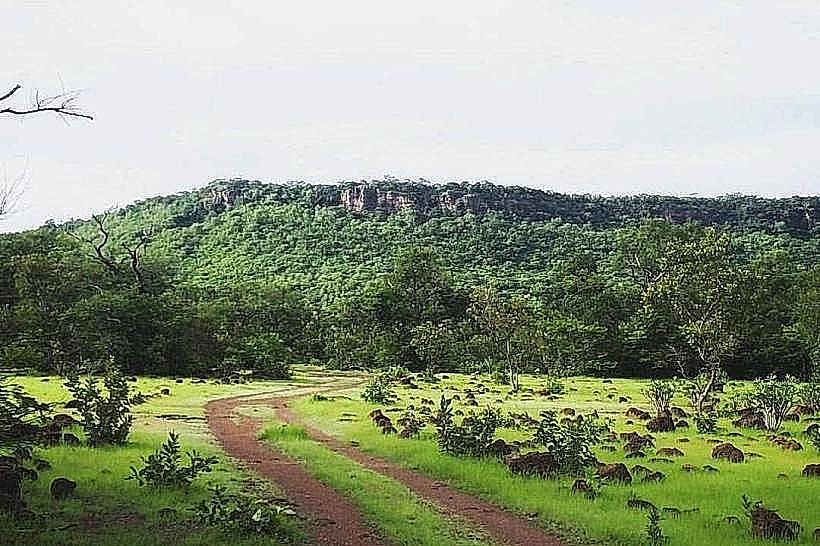
The mines are located approximately 45km northwest of Kédougou along the N7 highway. The main industrial site, operated by Petowal Mining Company, is a restricted area, but the surrounding artisanal "diouras" are accessible via rugged dirt tracks branching off the main road. High-clearance 4x4 vehicles or motorcycles are necessary to navigate the sandy and rocky paths leading to the mining pits.
Historical & Ecological Origin
Artisanal mining has existed in Mako for centuries, rooted in traditional Mandinka and ethnic minority practices. Large-scale industrial mining commenced in 2018 following the discovery of substantial gold veins within the volcanic and sedimentary rock layers. The site is ecologically sensitive due to its proximity to the Gambia River and the Niokolo-Koba National Park, requiring strict water management to prevent chemical runoff into the river system.
Key Highlights & Activities
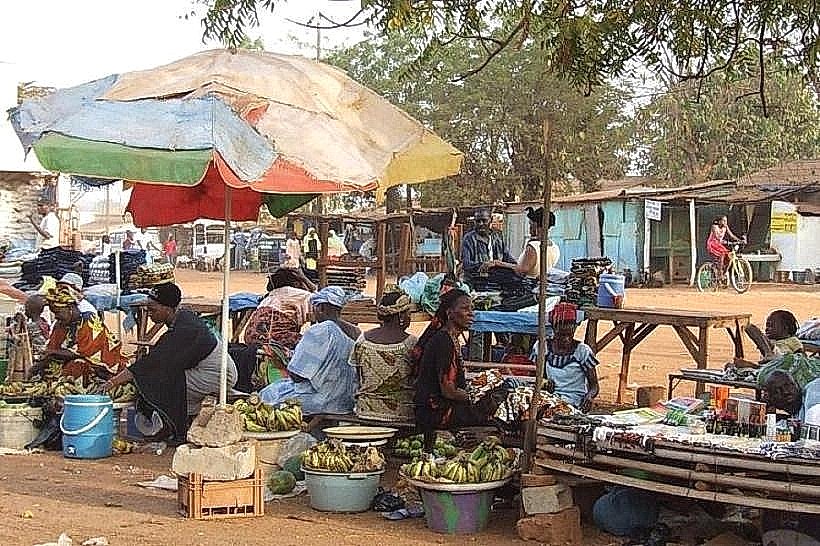
Observing the logistics of gold extraction is the primary activity, from the mechanical crushing of ore to the manual sifting and panning in river water. In artisanal areas, specialized blacksmiths manufacture and repair mining tools on-site. Visitors can observe the "dioura" economy, which includes informal markets catering specifically to the thousands of miners who reside in temporary camps near the pits.
Infrastructure & Amenities
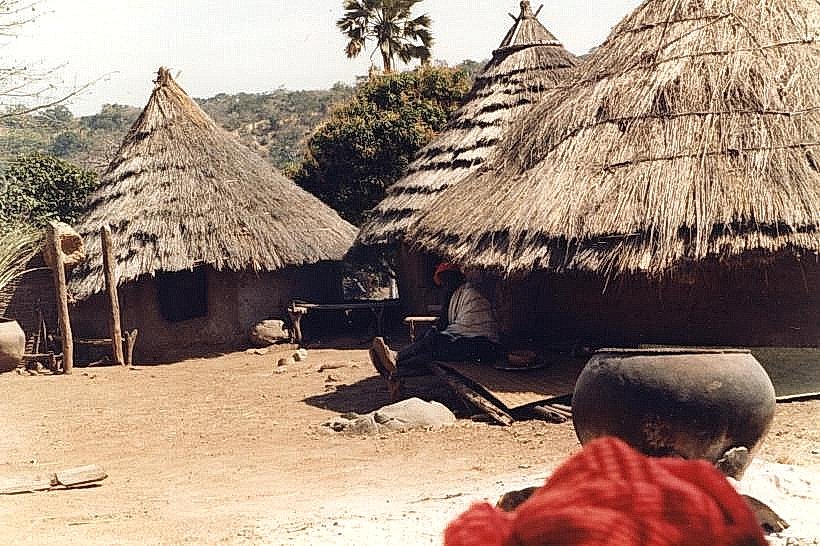
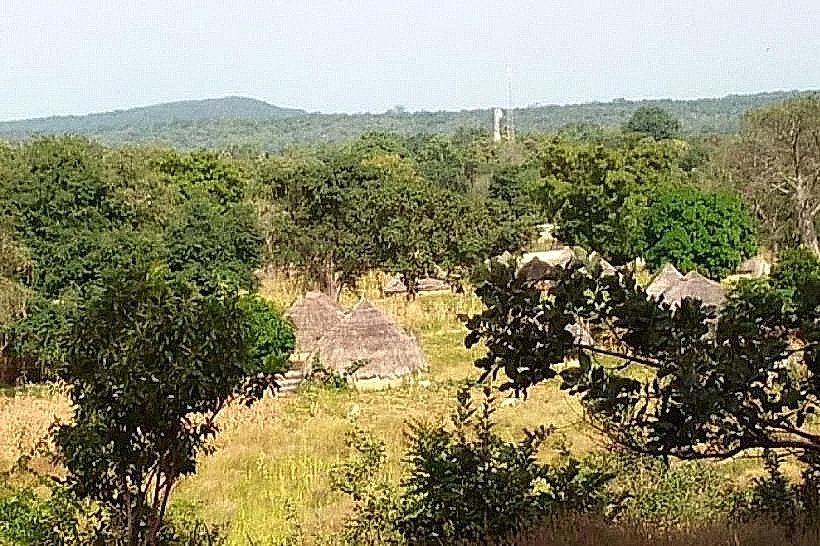
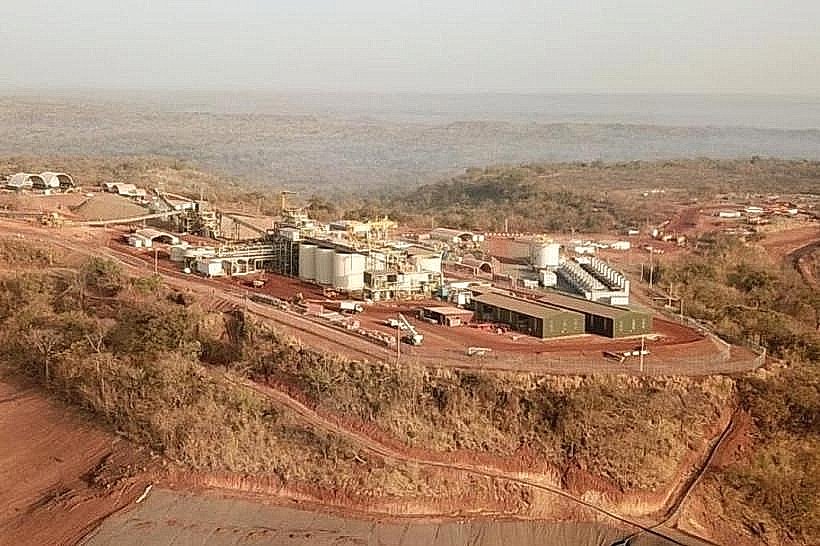
The industrial mine has high-level infrastructure, including private power plants and paved internal roads, but these are not open to the public. In the artisanal zones, infrastructure is non-existent; there are no public restrooms, running water, or formal medical facilities. Shade is provided only by makeshift thatched or plastic structures. 4G cellular signal is surprisingly strong due to the economic importance of the area.
Best Time to Visit
The dry season from December to May is the most active period for mining, as pits are not at risk of flooding. For photography, the early morning (07:00–09:00) provides the clearest visibility before dust levels rise from daily operations. Midday temperatures frequently exceed 40°C, making the open, unshaded mining pits hazardous for prolonged exposure.
Facts & Legends
Mako is one of the few places in West Africa where modern industrial technology and ancient manual techniques operate within kilometers of each other. Local miners often follow specific rituals and taboos, such as prohibiting certain colors of clothing or activities on specific days, believed to appease the "spirits of the earth" who control the movement of gold veins.
Nearby Landmarks
Gambia River – 0.5km South
Niokolo-Koba National Park (Tomboronkoto Entrance) – 8.0km North
Kédougou City Center – 45.0km Southeast
Tomboronkoto Village – 5.0km Northeast