Landmark: Fongolimbi
City: Kedougou
Country: Senegal
Continent: Africa
Fongolimbi, Kedougou, Senegal, Africa
Fongolimbi is a remote rural commune and strategic border post located in the extreme southeast of Senegal, situated on the edge of the Fouta Djallon plateau. It serves as a vital cross-border transit point between the Kédougou region of Senegal and the Labe region of Guinea.
Visual Characteristics
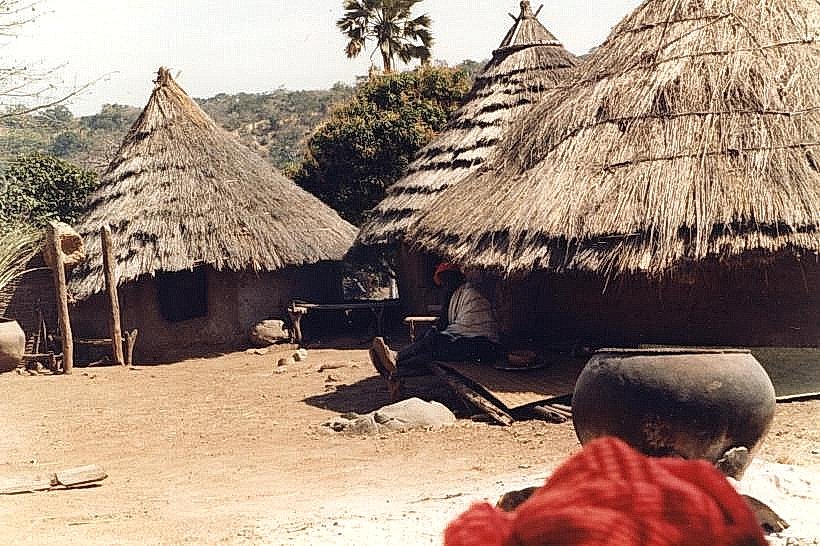
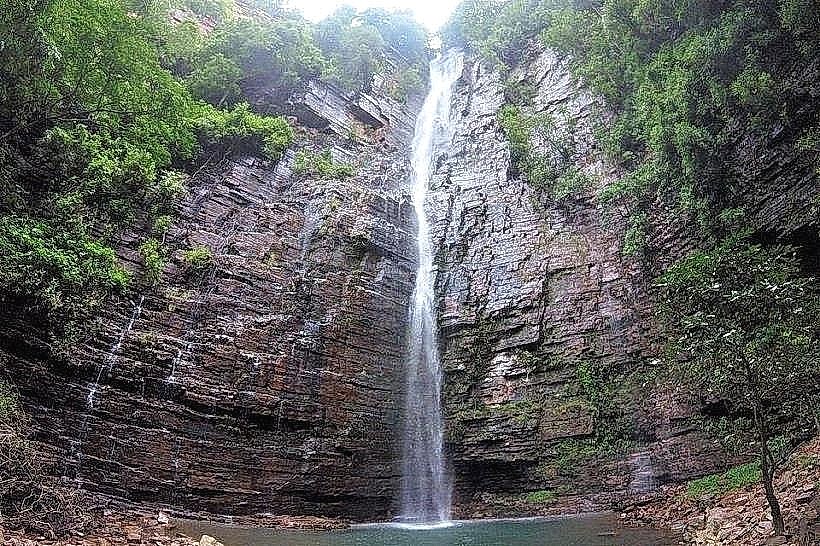
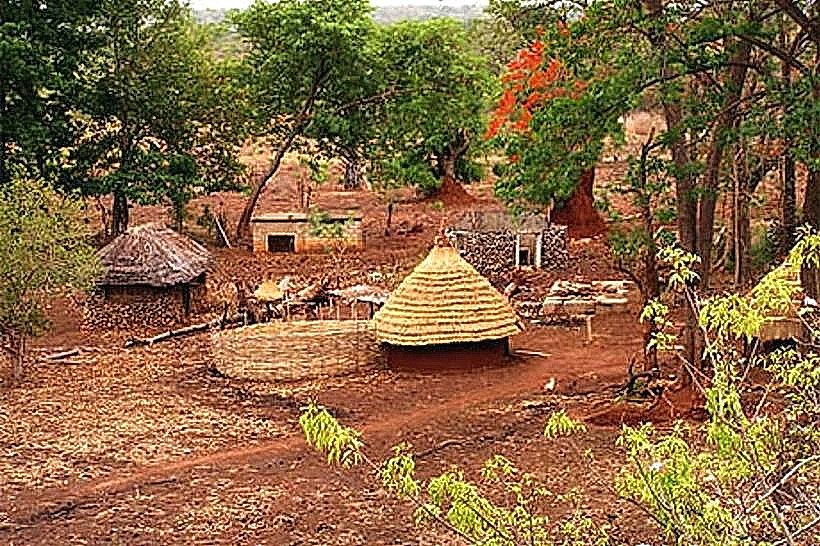
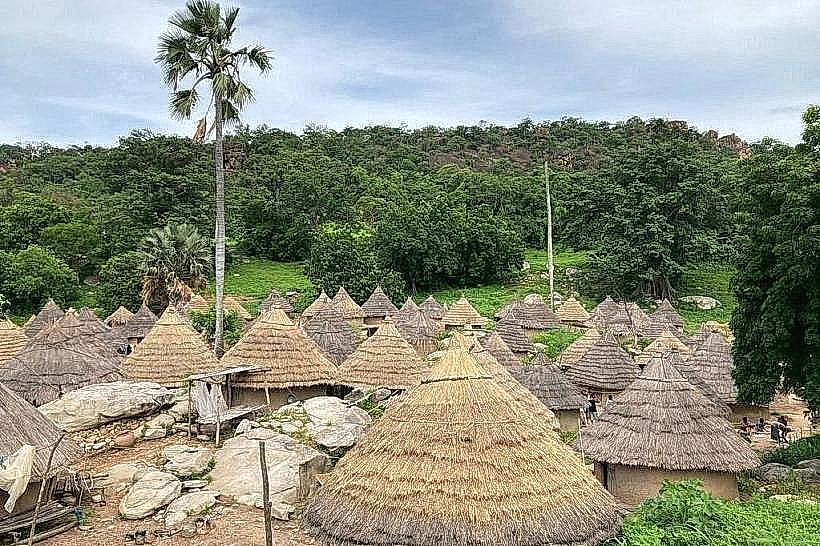
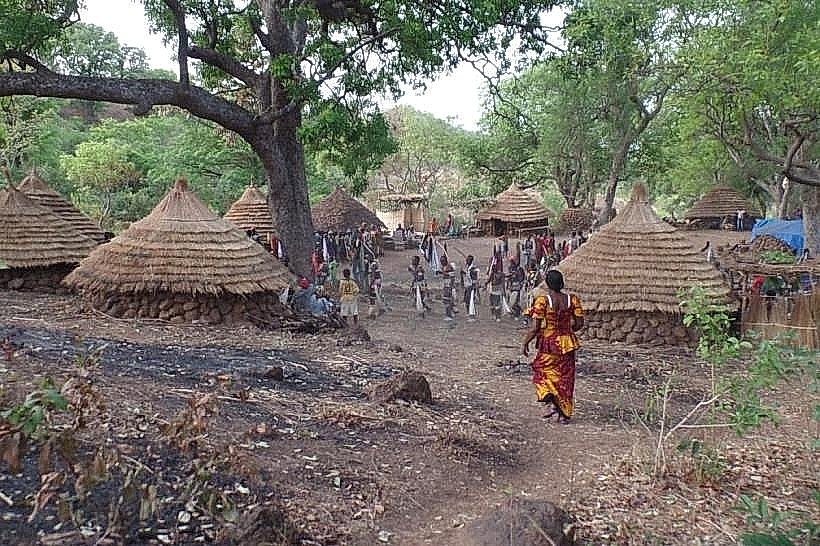
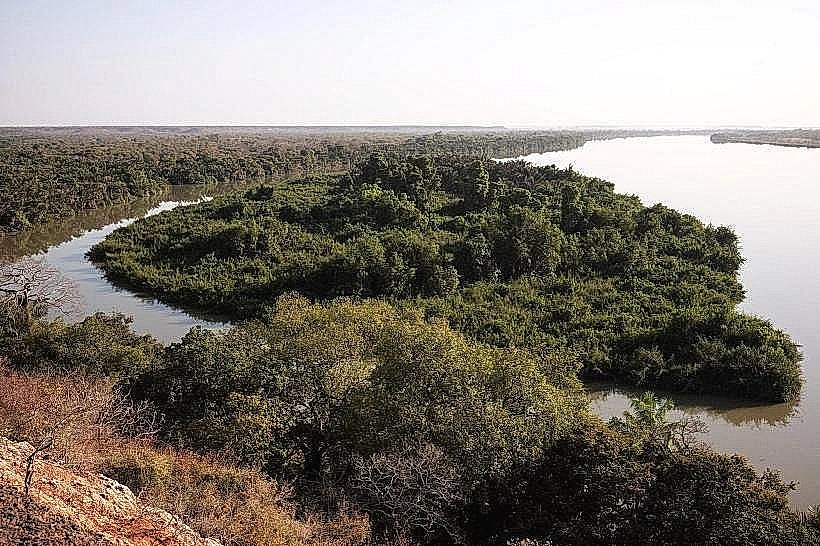
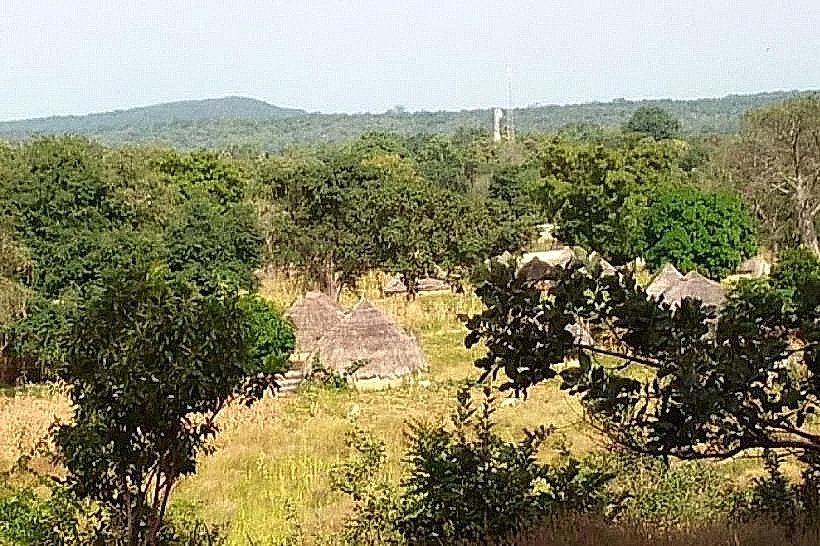
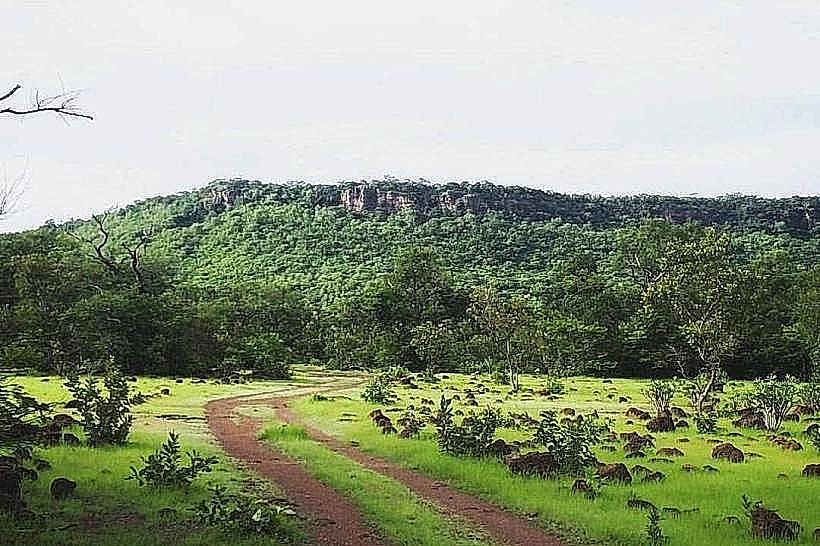
The landscape is defined by its high-altitude topography, featuring rugged sandstone escarpments and deep valleys. The settlement consists of traditional circular dwellings with thatched roofs interspersed with rectangular mud-brick structures. Vegetation is dense along seasonal stream beds, while the higher elevations are characterized by open woody savanna and massive baobab trees. The soil is primarily rocky and lateritic, with a distinct orange-red color.
Location & Access Logistics
Fongolimbi is located approximately 45km southeast of the city of Kédougou. Access is via the P3221 unpaved road, which involves significant elevation changes as it climbs the plateau. The journey requires a 4x4 vehicle due to steep gradients and frequent washouts. While "sept-place" bush taxis occasionally operate on market days, the primary mode of local transport is via motorcycle or heavy-duty truck.
Historical & Ecological Origin
Historically, Fongolimbi functioned as a defensive settlement for Fulani and Malinke populations during the era of theocratic expansion in the Fouta Djallon. Geologically, it sits on the northern fringes of the Paleozoic basement of the Guinean highlands, characterized by ancient metamorphic rock formations. The area is a key ecological corridor for transboundary wildlife movement between Senegal and Guinea.
Key Highlights & Activities
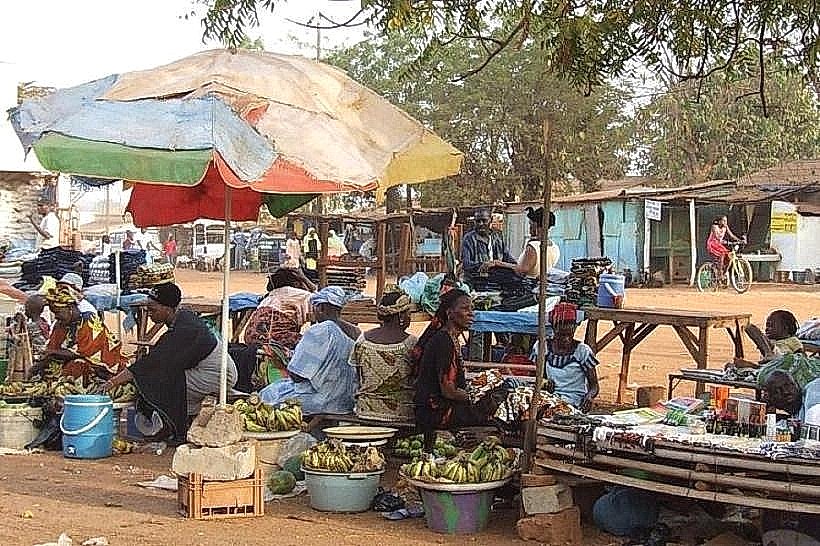
The weekly "louma" (international market) is the primary activity, where Guinean coffee, honey, and textiles are traded for Senegalese manufactured goods. The area offers challenging high-altitude trekking opportunities along the border escarpments. Visitors can observe traditional terrace farming techniques used to cultivate crops on the steep mountain slopes.
Infrastructure & Amenities
Infrastructure is rudimentary, reflecting its isolated location. There is a Senegalese customs and border police post and a basic health center. There are no formal hotels or restaurants; lodging is typically restricted to informal guest rooms or community-based stays. 4G cellular signal is weak and often switches to Guinean roaming networks. Water is sourced from deep boreholes and protected springs.
Best Time to Visit
The best time to visit is during the early dry season (November to January) when the air is clear and the mountain scenery remains green. During the peak rainy season (August to September), the access road from Kédougou often becomes impassable for standard vehicles. Early morning is ideal for photography, as the plateau often experiences heavy mist that settles in the valleys.
Facts & Legends
Fongolimbi is one of the highest permanently inhabited points in Senegal. Local residents often speak several languages, including Pulaar, Malinke, and French, due to its role as a regional crossroads. A unique local tip is that the area is famous for its high-quality "wild forest honey," which is harvested from the deep ravines along the Guinean border and sold in recycled bottles at the local market.
Nearby Landmarks
Guinean Border Post – 0.5km South
Dimboli Village – 12.0km Northwest
Gambia River Headwaters – 8.0km East
Kedougou City Center – 45.0km Northwest