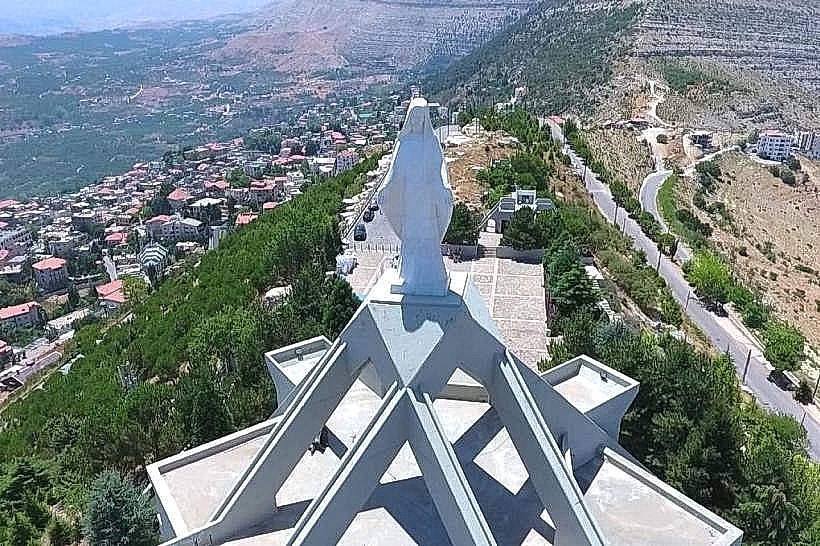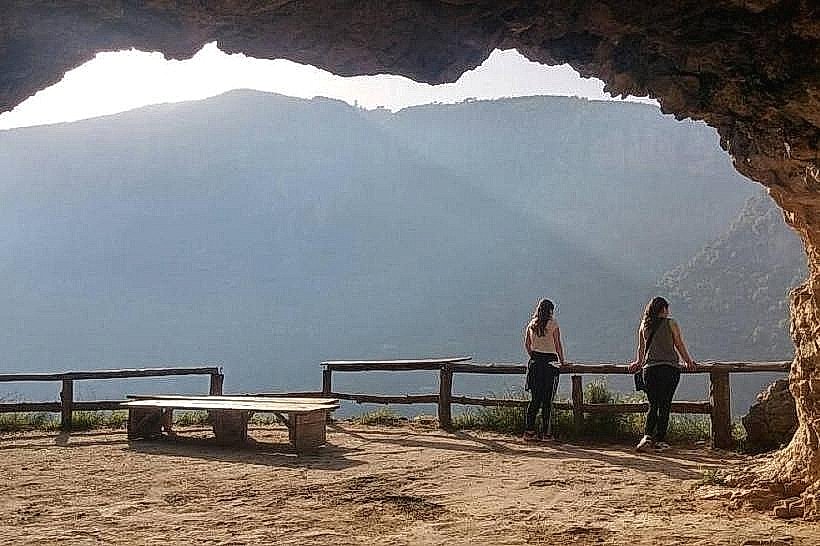
Landmark: Deir Qannoubine (Monastery of Our Lady of Qannoubine)
City: Bcharre
Country: Lebanon
Continent: Asia
Deir Qannoubine (Monastery of Our Lady of Qannoubine), Bcharre, Lebanon, Asia
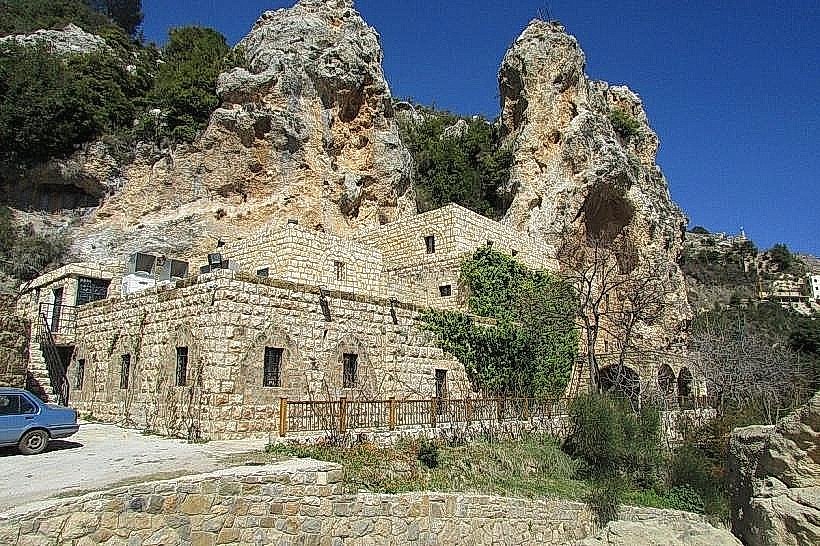
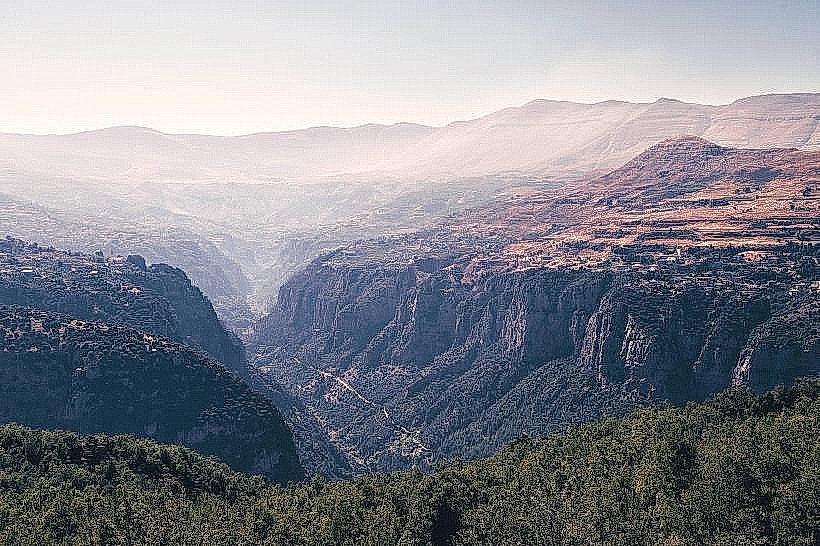
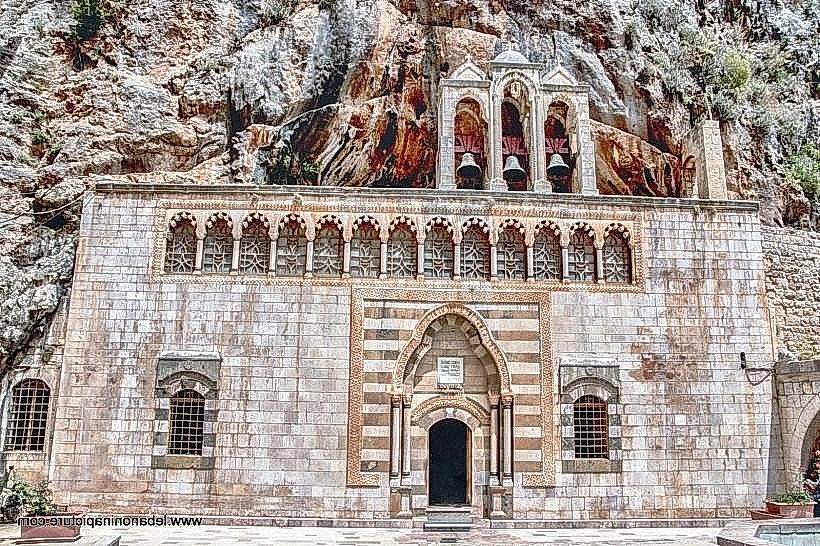
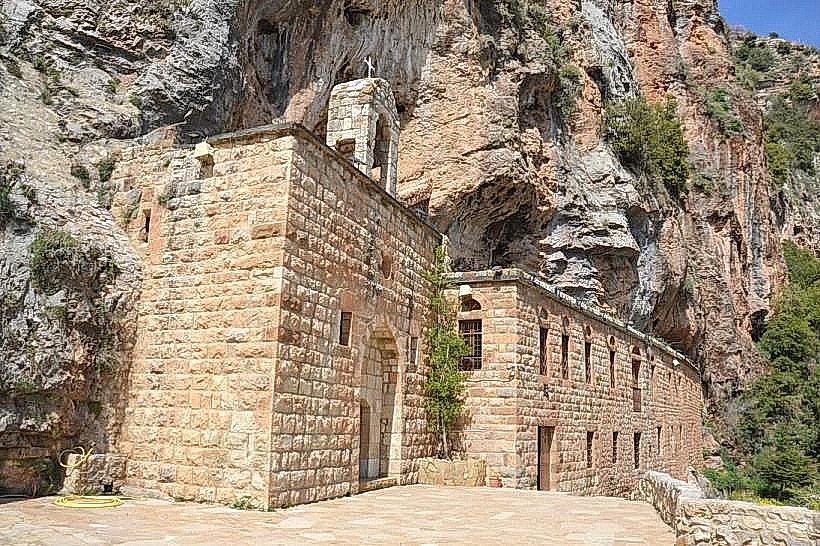
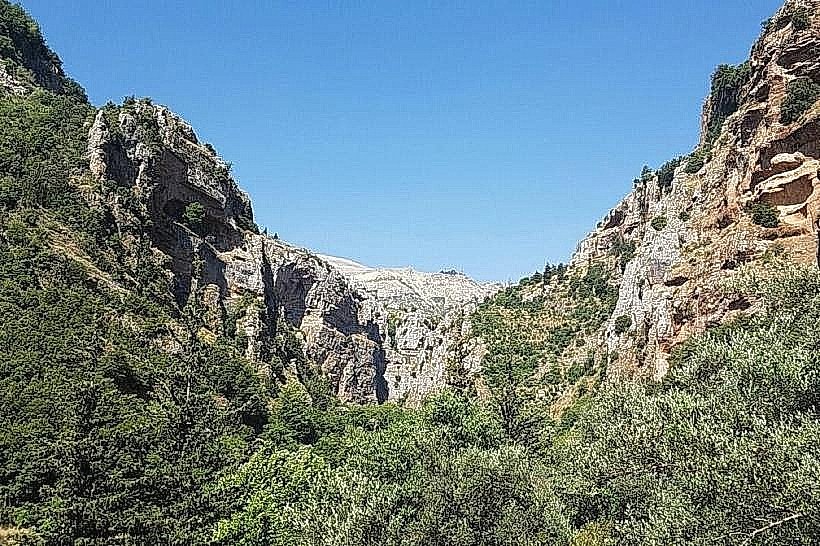
The Deir Qannoubine (Monastery of Our Lady of Qannoubine) is a historic Maronite Catholic monastic complex positioned inside a deep cavernous opening on the northern cliff face of the Qadisha Valley, within the Bsharri District of North Lebanon Governorate. It stands as the oldest surviving patriarchal seat of the Maronite Church, serving as the administrative and spiritual center of the denomination for nearly three centuries.
Visual Characteristics
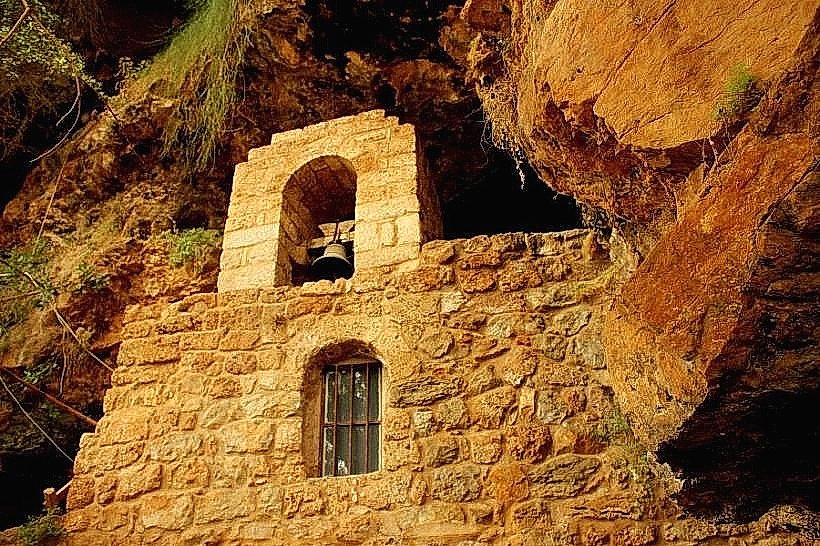
The monastery features a troglodytic architectural profile where front-facing stone masonry is integrated directly into a natural limestone cave mouth. The structure is built from local roughly-squared grey limestone blocks that mirror the texture of the surrounding canyon walls. The interior layout comprises a subterranean church with a barrel-vaulted nave, rock-hewn monastic cells, and hidden escape tunnels, while the sanctuary walls display partially preserved Syriac-inscribed frescoes dating from the medieval period.
Location & Access Logistics
The sanctuary is located on the isolated lower slopes of the inner Qadisha Valley, approximately 115 kilometers northeast of Beirut. Accessing the site requires private vehicular transit from the coastal highway at Chekka up to the village of Blouza or Bsharri. From these rim towns, visitors must descend into the canyon floor via a steep, unpaved dirt track suitable only for four-wheel-drive vehicles or hike a 5-kilometer pedestrian mountain trail. Limited unpaved parking is available at the valley bottom, from which a final 1.5-kilometer uphill foot path leads directly to the monastery gates.
Historical & Ecological Origin
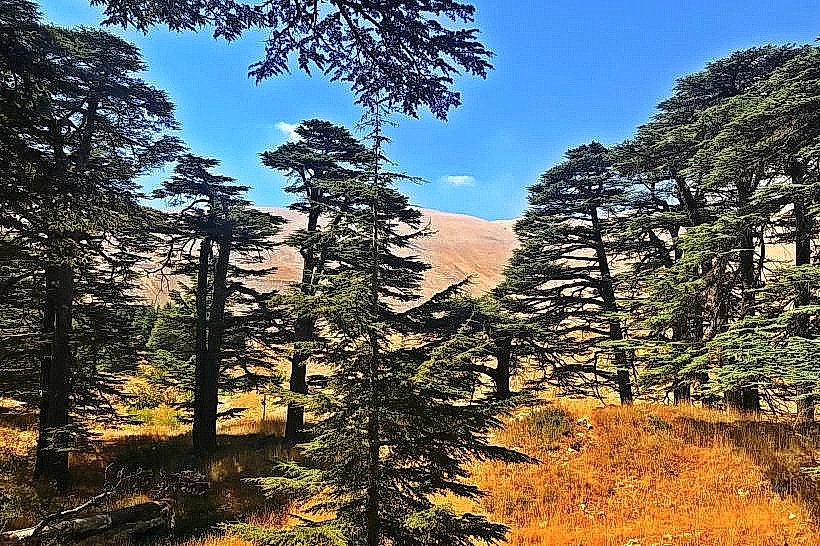
Local ecclesiastical tradition dates the initial foundation of the monastery to the 4th century CE under the patronage of the Byzantine Emperor Theodosius the Great. It sits within a dramatic Cretaceous-era limestone gorge formed by the continuous fluvial erosion of the Kadisha River. Between 1440 and 1823 CE, the complex served as the primary, secure residential seat for 24 consecutive Maronite Patriarchs who utilized the extreme geographical isolation of the canyon to maintain administrative autonomy from regional Ottoman authorities.
Key Highlights & Activities
Primary activities focus on the historical inspection of the rock-cut architecture, the patriarchal burial vaults, and the medieval chapel frescoes. Visitors can observe the central wall painting depicting the Coronation of the Virgin Mary by the Holy Trinity, accompanied by historic text written in the estrangelo Syriac script. The monastery is a central waypoint along the main Qadisha Valley trekking corridor, attracting ecotourists who use the mountain paths for long-distance hiking and botanical study.
Infrastructure & Amenities
The complex operates as a historical monument and an active convent managed by a small community of Antonine sisters, lacking modern commercial infrastructure. Basic public restrooms are located near the outdoor entry courtyard. Natural shade is abundant inside the subterranean rock chambers and beneath the overhanging limestone cliffs framing the facade. Cellular network coverage (4G) is highly unstable and drops completely within the inner stone rooms, and there are no commercial food or beverage vendors on site, requiring visitors to carry independent supplies.
Best Time to Visit
The optimal period for hiking to the monastery and taking architectural photographs is from May to October when the mountain trails are dry and visibility is unobstructed by valley fog. Midday hours provide the maximum amount of natural sunlight to illuminate the deep, narrow canyon floor. The spring season (April and May) features the peak water volume of the adjacent Kadisha River and seasonal waterfalls, though the trails can be muddy from mountain snowmelt.
Facts & Legends
A verified historical detail regarding the site is that during the 15th and 16th centuries, the monastery maintained a strict security protocol where the main wooden access ladders were drawn upward into the window frames at sunset, transforming the cliffside structure into an inaccessible fortress overnight. Local valley lore notes that the name "Qannoubine" is derived from the Greek word coenobium, meaning a community of monks living a shared, communal life rather than working as isolated hermits in independent caves.
Nearby Landmarks
Monastery of Saint Elisha (Deir Mar Licha): 3.8km East
Gibran Museum: 5.8km East
Monastery of Qozhaya: 4.2km Northwest
Our Lady of Hawqa Monastery: 1.8km Northwest