Landmark: Gibran Museum
City: Bcharre
Country: Lebanon
Continent: Asia
Gibran Museum, Bcharre, Lebanon, Asia
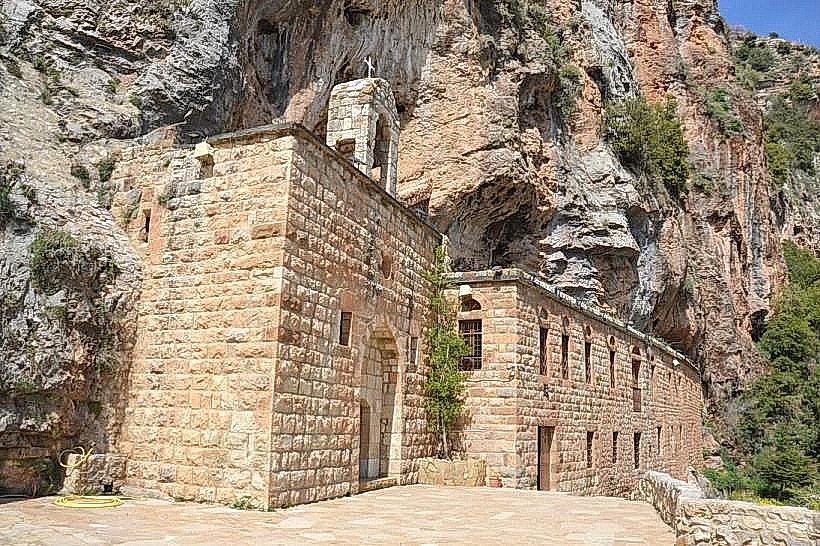
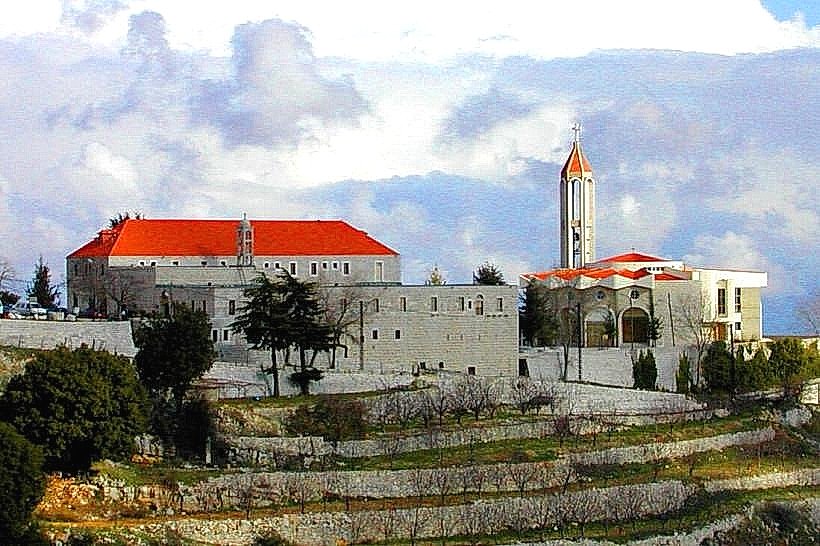
The Gibran Museum is a biographical and art museum located on the rocky slopes overlooking the town of Bsharri within the Bsharri District of North Lebanon Governorate. Housed within the historic rock-cut hermitage of the Mar Sarkis Monastery, it preserves the visual art, personal effects, and final resting place of the internationally acclaimed Lebanese writer and painter Kahlil Gibran.
Visual Characteristics
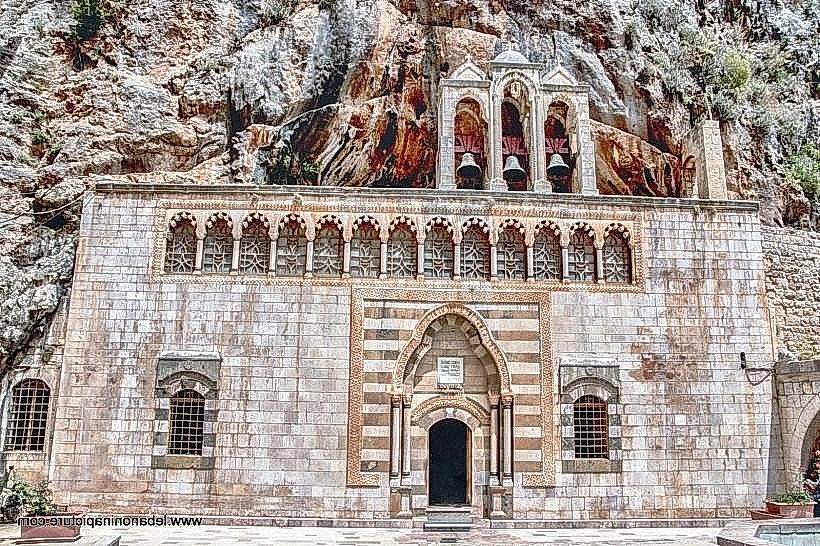
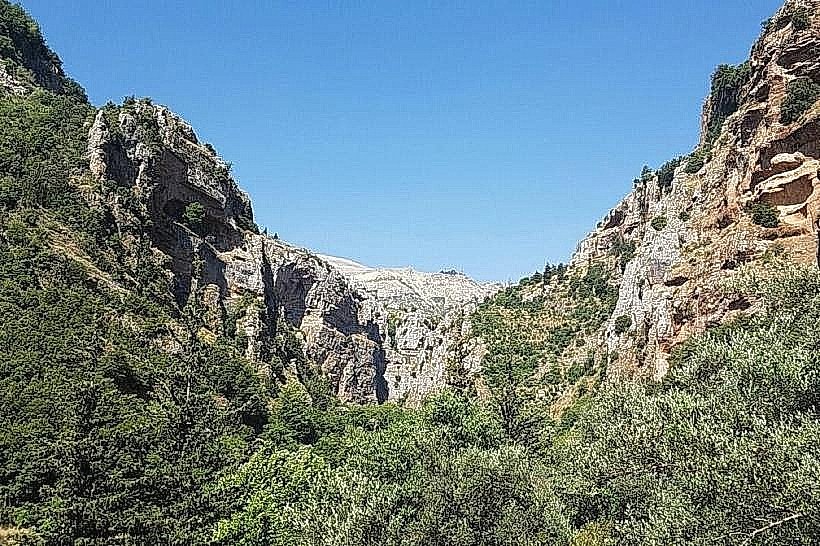
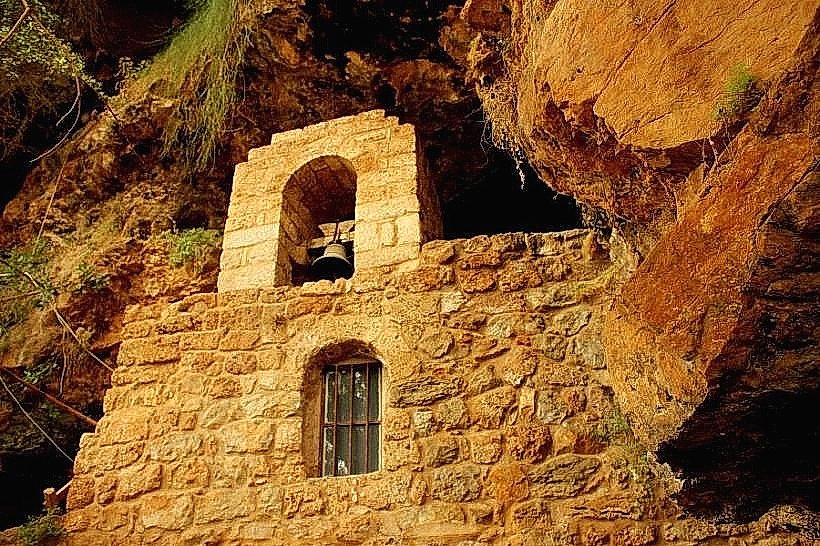
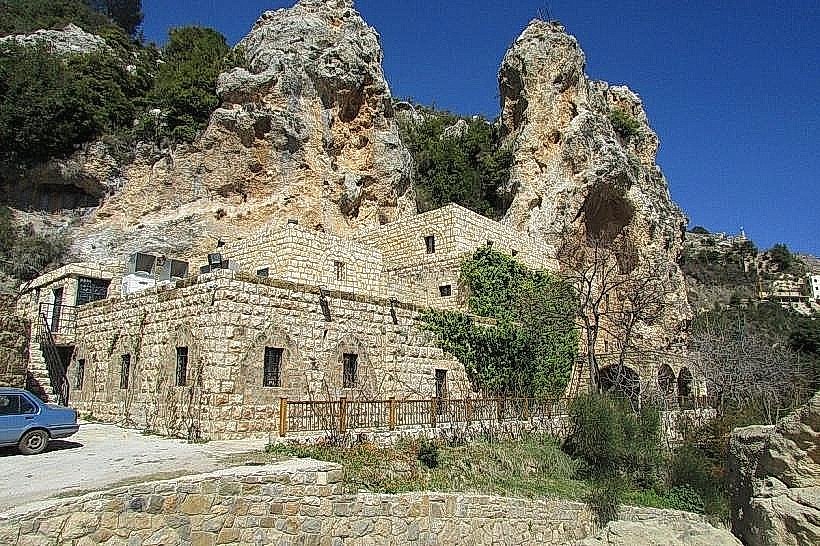
The museum is an architectural integration of man-made masonry and natural stone cliffs, built from local grey and yellow limestone blocks. The structure features thick monastic defensive walls, low-arched wooden doors, and small recessed windows characteristic of medieval Christian mountain architecture. The interior consists of 16 exhibition chambers spanning three distinct levels, where raw, unrefined rock faces serve as walls alongside plastered galleries. The rooms house more than 440 original paintings and drawings, custom wooden furniture from Gibran's New York studio, and his private library.
Location & Access Logistics
The museum is positioned on an elevated mountain ridge 115 kilometers northeast of Beirut and approximately 1.5 kilometers east of central Bsharri. Access from Beirut is via the northern coastal highway to Chekka, turning inland onto the steep, winding mountain route that ascends past Amioun to Bsharri. Vehicles can park in a dedicated unpaved lot situated at the base of the museum complex, from which visitors must ascend a steep, paved pedestrian stone path leading up to the main entrance. Public transit is limited to intercity buses from Beirut to Bsharri, followed by a brief taxi ride or a 20-minute uphill walk.
Historical & Ecological Origin
The building was originally established as the Mar Sarkis (Saint Sergius) hermitage and monastery during the 7th century CE by Maronite monks seeking isolation in the rugged karst landscape of Mount Lebanon. In 1926, while living in New York, Gibran expressed his desire to purchase the property to serve as his final retirement home and burial site. Following his death in 1931, his sister Mariana purchased the monastery, and the Gibran National Committee converted the historic monastic complex into a biographical museum, which officially opened to the public in 1935.
Key Highlights & Activities
Visitors can follow a structured linear route through the 16 galleries to observe Gibran's oil paintings, notebooks, and charcoal sketches. A primary point of interest is the subterranean tomb room, carved directly into the living rock face of the mountain, where Gibran’s coffin rests alongside his personal writing desk. Visitors can also walk through the adjacent monastic courtyard, view a collection of his manuscripts, and examine the traditional water springs originating within the rock complex.
Infrastructure & Amenities
The entry courtyard contains a ticketing window and an information counter, with public restroom facilities located near the lower entrance gates. Natural shade is available within the interior rock chambers and under the mature oak and cedar trees planted along the pedestrian access paths. Cellular network coverage (4G) is functional but can fluctuate inside the thick stone and deep underground tomb rooms. Souvenir shops selling print editions of Gibran's books operate near the parking area, with full dining and lodging infrastructure available in nearby Bsharri village.
Best Time to Visit
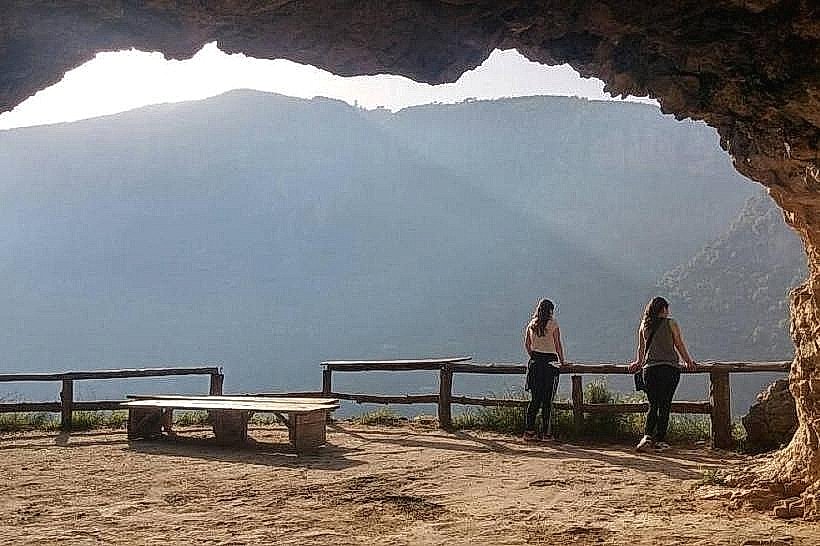
The early morning hours from 09:00 to 11:00 provide the quietest conditions for interior viewing and optimal light for photographing the exterior mountain facade against the valley. The months from April to November offer stable road conditions and mild temperatures in the high-altitude region. The winter season between December and April routinely covers the mountain slopes in heavy snow, which can restrict access to the outdoor pedestrian pathways.
Facts & Legends
A verified historical oddity regarding the museum's contents is the preservation of a small wooden chest containing original soil collected from Gibran's childhood hometown of Bsharri, which he kept in his New York apartment for decades to maintain a physical link to Lebanon. In accordance with his final testaments, the epitaph engraved near his tomb reads: "I am alive like you, and I am standing beside you. Close your eyes and look around, you will see me in front of you."
Nearby Landmarks
Qadisha Grotto: 3.8km East
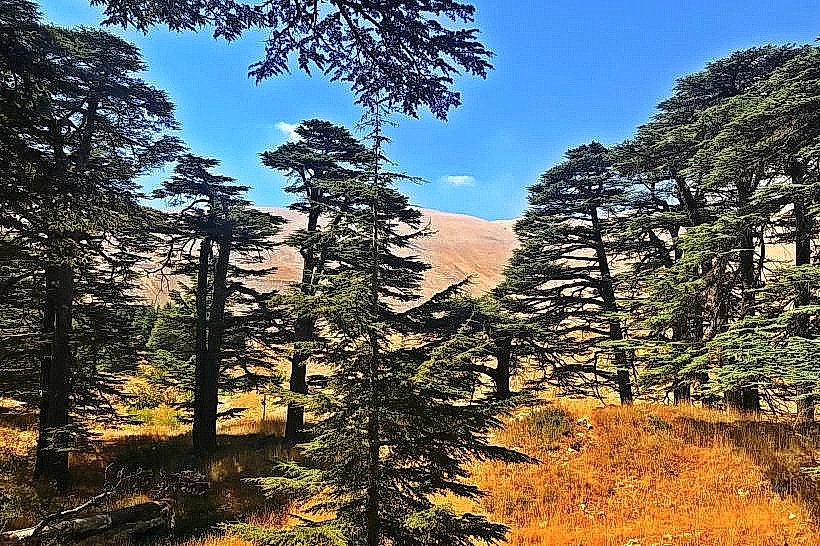
Cedars of God (Arz el-Rab): 5.5km East
Monastery of Saint Elisha (Deir Mar Licha): 2.2km West
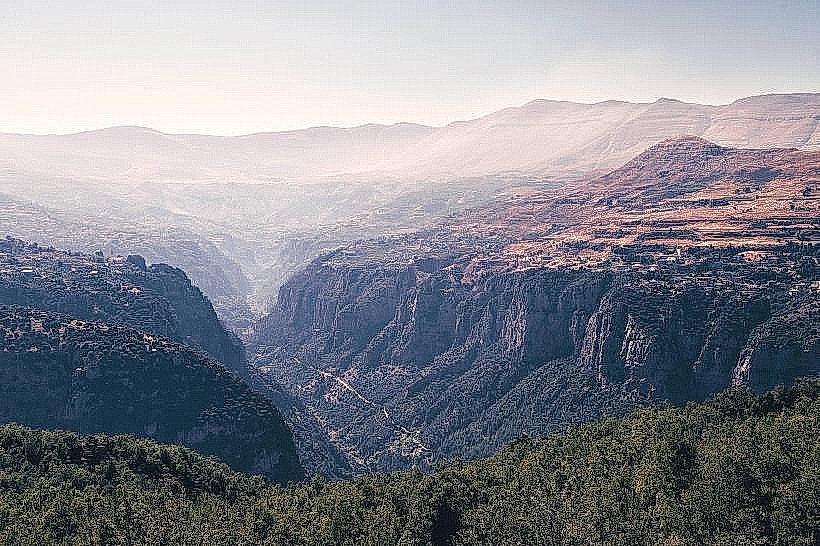
Kadisha Valley Viewpoint: 1.5km West