Landmark: Saydet el-Hosn Church (Our Lady of the Fortress)
City: Bcharre
Country: Lebanon
Continent: Asia
Saydet el-Hosn Church (Our Lady of the Fortress), Bcharre, Lebanon, Asia
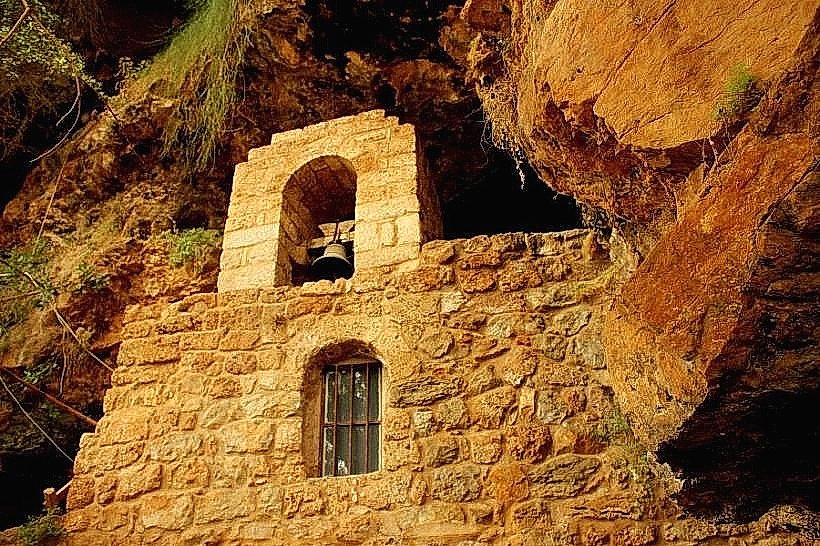
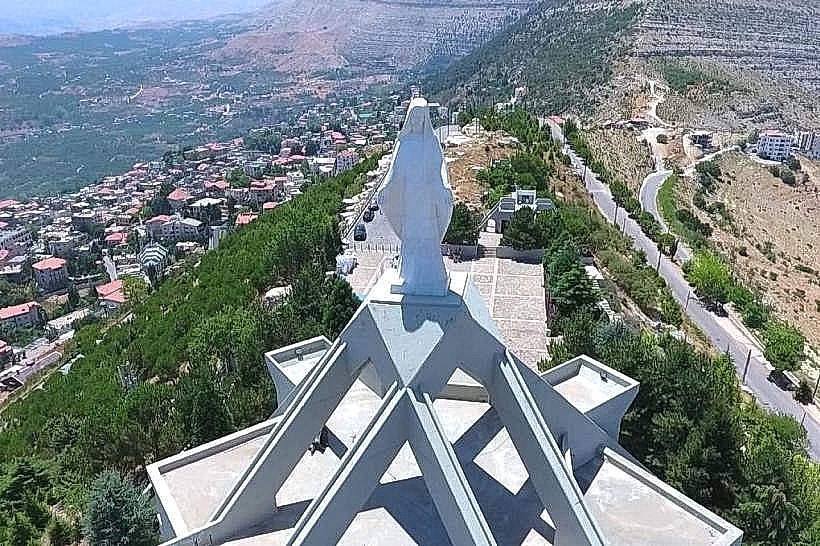
The Saydet el-Hosn Church (Our Lady of the Fortress) is a prominent Maronite Catholic Marian sanctuary located on a strategic mountain peak overlooking the historic town of Ehden in the Zgharta District of North Lebanon Governorate. It functions as an essential religious pilgrimage site and a regional landmark, consisting of a historic medieval chapel situated adjacent to a massive, modern domed cathedral.
Visual Characteristics
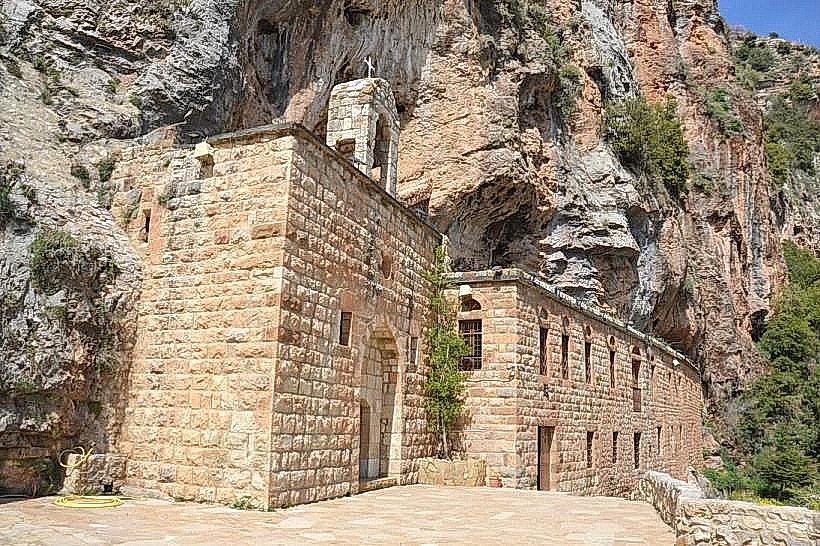
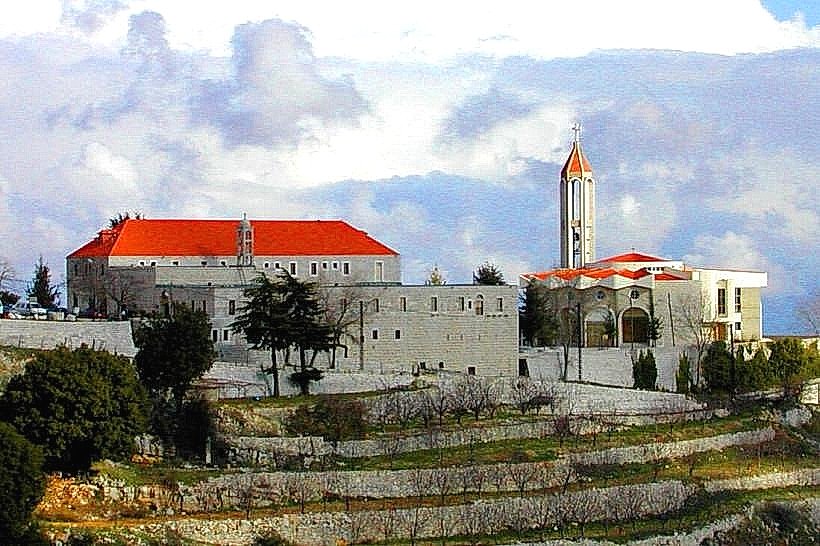
The complex features two distinct architectural eras. The ancient chapel is a low, fortified structure built from thick blocks of local grey limestone, featuring heavy cross-vaulted stone ceilings and a simple iron cross on its roof. Directly adjacent stands the modern sanctuary, a monumental circular concrete and limestone cathedral dominated by a massive white dome topped by a 15-meter-high gilded statue of the Virgin Mary. The elevated open-air stone terrace surrounding the complex offers an unobstructed, 360-degree panoramic view stretching from the high alpine peaks of Mount Lebanon down to the Mediterranean coastline.
Location & Access Logistics
The sanctuary occupies the absolute summit of the Al-Hosn hill, situated at an elevation of approximately 1,500 meters above sea level on the northwestern edge of Ehden, roughly 100 kilometers northeast of Beirut. Access from the capital is via the northern coastal highway to Chekka, turning inland onto the mountain highway passing through Amioun and Kousba up to Ehden. A steep, paved asphalt road leads directly from the main square of Ehden (The Midan) to a large, paved parking infrastructure at the base of the church terrace. Public transport is limited to intercity buses from Beirut to central Ehden, requiring a private local taxi or a strenuous 3 kilometers uphill walk to reach the summit.
Historical & Ecological Origin
The historic chapel was initially constructed during the 8th century CE on the foundational ruins of an ancient Greco-Roman military watchtower and pagan shrine. The site served as a vital mountain fortress for the local Maronite population, who systematically rebuilt the structure following its destruction by Mamluk forces in 1283 CE. The modern cathedral complex was engineered and constructed in the late 20th century to accommodate the growing volume of national and international pilgrims. Geologically, the hill is an exposed Upper Cretaceous limestone horst block, shaped by tectonic uplifting along the Yammouneh fault system.
Key Highlights & Activities
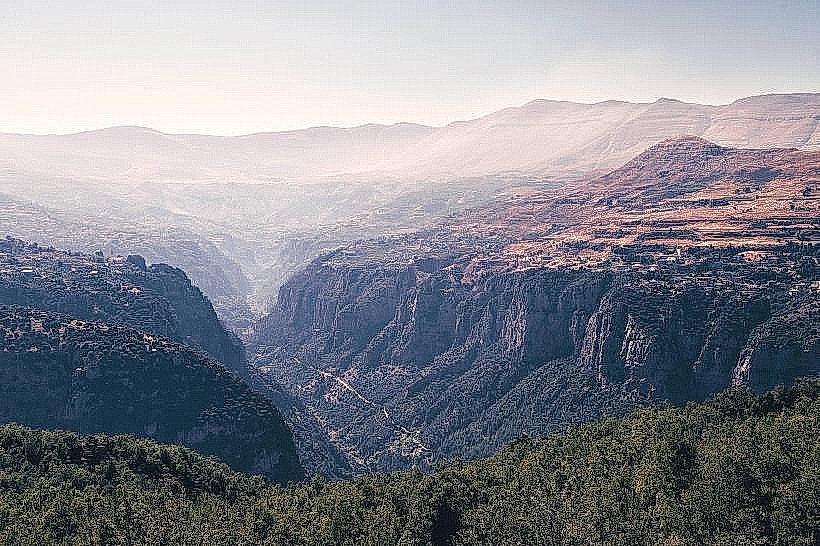
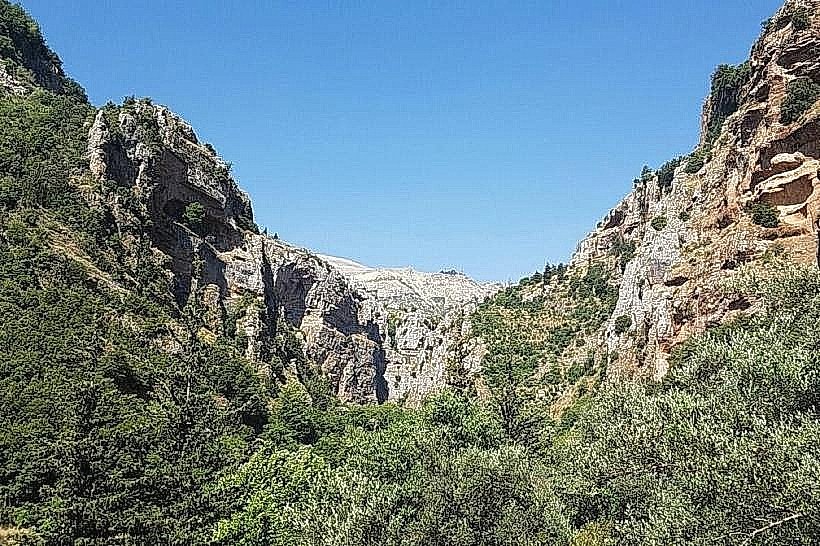
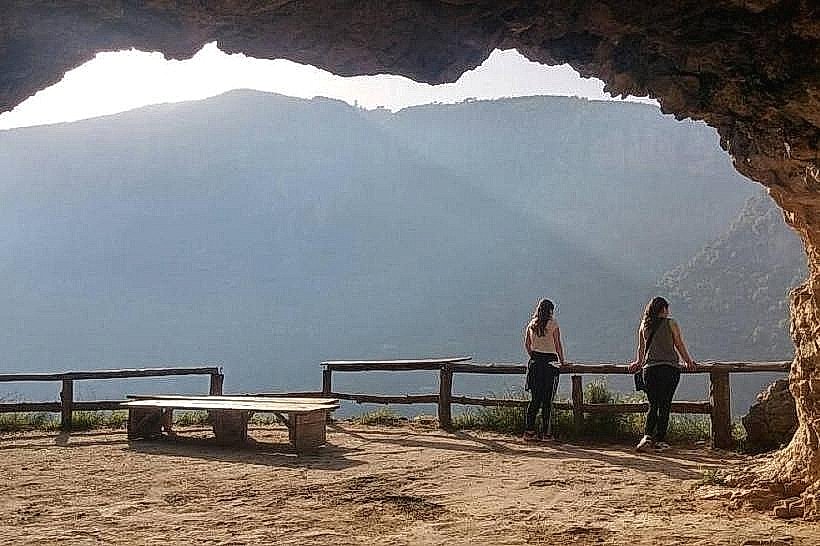
Primary activities focus on the historical inspection of the medieval chapel's interior masonry and the observation of the modern cathedral’s vast central hall. Visitors can walk the expansive exterior stone promenade to utilize the panoramic viewpoints for landscape photography of the Kadisha Valley and the coastal plains of Tripoli. The site serves as the central focal point for major religious processions, particularly on the eve of the Feast of the Assumption of Mary on August 14.
Infrastructure & Amenities
The modern cathedral complex features public restroom facilities, an administrative office, and a small religious article kiosk inside the lower level. Natural shade is limited on the exposed, wind-swept summit terrace, though the deep interior spaces of both the old and new churches provide complete shelter. Cellular network coverage (4G/5G) is stable and strong across the entire hilltop. No permanent restaurants operate on the immediate church grounds, but extensive dining options, traditional cafes, and hotels are located within 3 kilometers in central Ehden.
Best Time to Visit
The optimal period for photography is during the late afternoon hours (16:30 to 18:30) when the setting sun illuminates the white dome and gilded statue against the backdrop of the Mediterranean Sea. The dry months from May to October offer optimal road access and comfortable mountain temperatures. The winter season between December and March frequently brings heavy sub-zero alpine snowstorms, dense low-lying fog, and freezing winds that can temporarily restrict vehicular access to the summit.
Facts & Legends
A verified historical detail is that the name "El-Hosn" translates directly from Arabic to English as "The Fortress," referencing the site's primary function as a military stronghold where early Christian mountain communities withstood multiple regional sieges. Local historical chronicles record that during the Mamluk invasion of 1283 CE, the local defenders used the strategic high-altitude orientation of the tower to visually signal defensive status updates to the interconnected network of cliffside monasteries down inside the adjacent Qadisha Valley.
Nearby Landmarks
Old Souk of Ehden (Midane): 2.5km Southeast
Mar Sarkis Spring (Ras el-Ain): 3.1km Southeast
Monastery of Qozhaya: 5.0km Southwest
Horsh Ehden Nature Reserve: 5.0km East