Landmark: Monastery of Mar Lishaa
City: Bcharre
Country: Lebanon
Continent: Asia
Monastery of Mar Lishaa, Bcharre, Lebanon, Asia
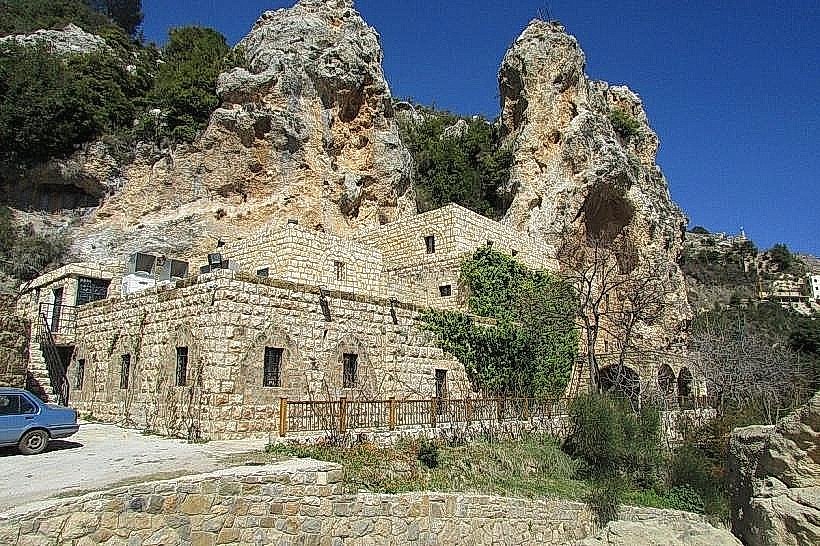
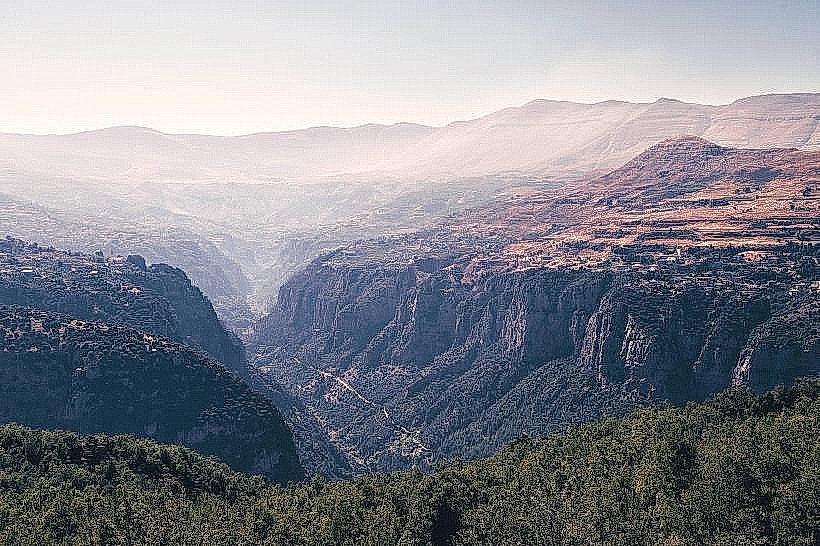
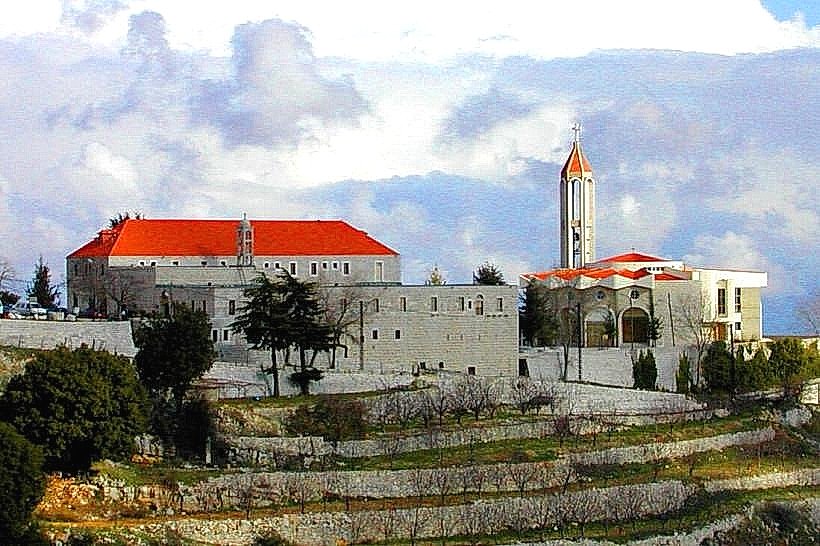
The Monastery of Saint Elisha (Deir Mar Licha) is an ancient Maronite Catholic monastic site carved directly into a vertical cliff face within the Qadisha Valley, situated near the town of Bsharri in the Bsharri District of North Lebanon Governorate. It stands as a foundational monument of Lebanese monasticism and functions today as a preserved museum and religious landmark.
Visual Characteristics
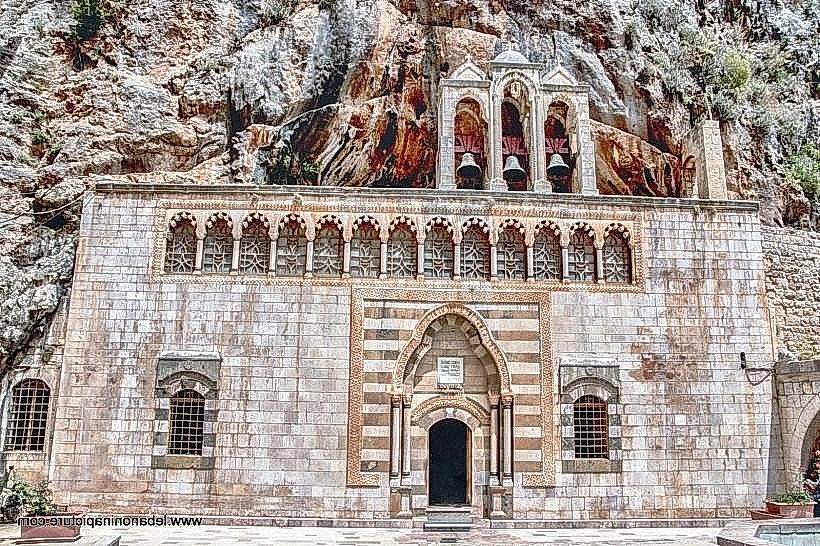
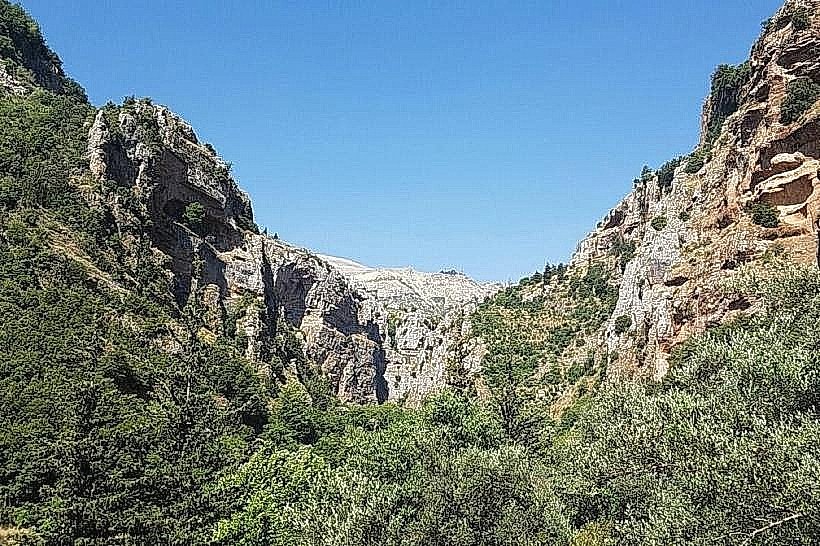
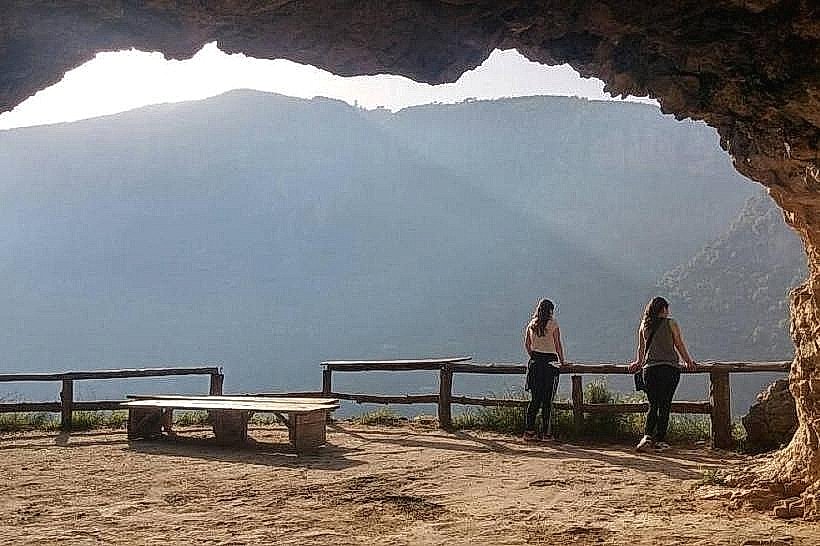
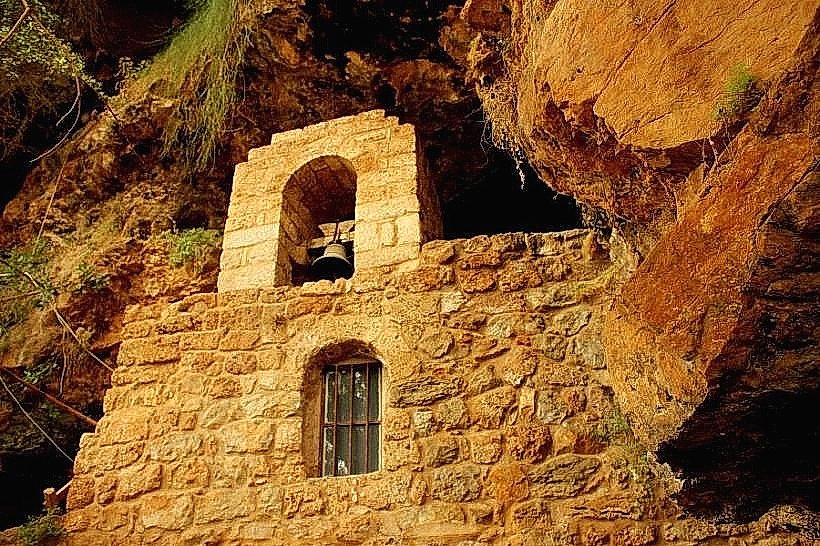
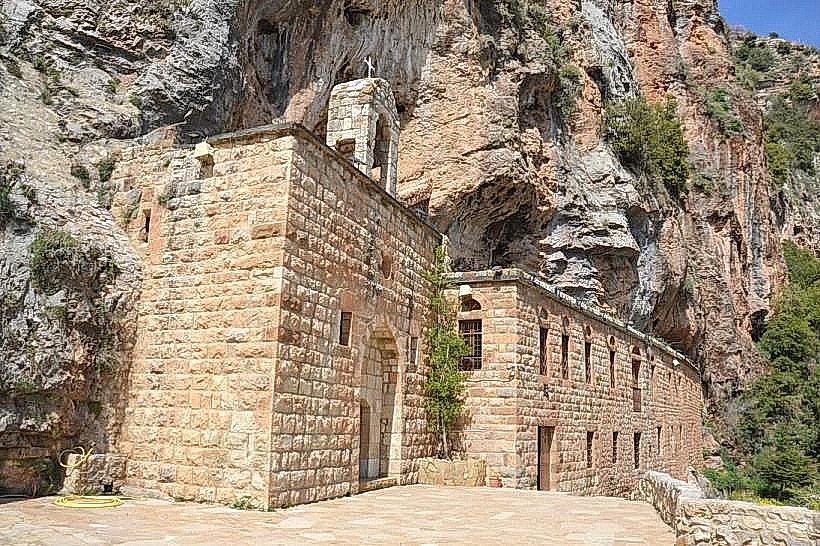
The monastery features a unique troglodytic architectural layout where man-made limestone masonry is integrated directly into natural cave openings. The exterior consists of a flat, austere stone facade with small rectangular windows and a simple arched entryway, all built from regional grey limestone that mirrors the texture of the surrounding cliff. The interior layout comprises a series of narrow, rock-cut corridors, low vaulted stone chapels, and small hermitage cells where the natural, unpolished living rock forms the floors and ceilings.
Location & Access Logistics
The structure is positioned on the steep northern cliffside of the inner Qadisha Valley gorge, approximately 112 kilometers northeast of Beirut. Access from the capital is via the northern coastal highway to Chekka, turning inland onto the winding mountain highway toward Bsharri. To reach the monastery, visitors can descend a steep pedestrian stone trail from the western edge of Bsharri village or drive a narrow, unpaved agricultural road that enters the valley floor. Limited unpaved parking space is available at the trailhead near the valley bottom. Public transportation is limited to intercity buses to Bsharri, followed by a private local taxi or a strenuous 30-minute hike down into the canyon.
Historical & Ecological Origin
The exact foundation date remains unrecorded, but historical texts confirm the monastery was fully operational by the 14th century CE, initially shared by Maronite and European Carmelite monks. The complex sits within a sheer Cretaceous-era limestone canyon formed by millions of years of fluvial erosion by the Kadisha River. The site was strategically chosen by early Christian ascetics for its extreme physical isolation and the presence of natural karst caves that provided defensive shelter from external military forces.
Key Highlights & Activities
Visitors can conduct walking tours through the interconnected rock chambers, the main chapel, and the preserved monastic cells. Primary points of interest include the ancient stone altars, the historic kitchen area, and a collection of early liturgical artifacts displayed within the rooms. The location serves as a major node along the primary Qadisha Valley hiking trail network, attracting ecotourists and trekkers who follow the dirt paths along the valley floor.
Infrastructure & Amenities
The site operates as an open historical monument and lacks advanced visitor infrastructure; there is no formal ticketing office or commercial center. Basic public restroom facilities are located near the lower entrance path. Natural shade is continuous inside the cave chambers and beneath the sheer rock overhangs outside the facade. Cellular network coverage (4G) is highly unstable, dropping completely within the interior stone rooms and deep sections of the canyon floor. There are no food or beverage vendors on site, requiring visitors to carry independent supplies or travel 2 kilometers uphill to Bsharri.
Best Time to Visit
The ideal time for architectural photography is during midday when the sun reaches its highest point and illuminates the deep canyon floor, reducing the heavy shadows cast by the opposite cliff face. The months from April through October offer the most stable weather and clear trail conditions. The spring season (April and May) is optimal for observing the high water volume of the Kadisha River and the seasonal waterfalls cascading down the adjacent limestone walls.
Facts & Legends
A verified historical detail is that the Lebanese Maronite Order was officially founded inside this specific monastery in 1695 CE by three Maronite scholars from Aleppo, Syria, who chose the site to establish a reformed, communal monastic lifestyle. Local ecclesiastical lore states that the monastery's high cliffside location allowed the resident hermits to monitor the entire lower valley floor, enabling them to pull up their wooden access ladders in advance of approaching hostile forces, effectively sealing themselves inside the mountain wall.
Nearby Landmarks
Gibran Museum: 2.2km East
Qadisha Grotto: 4.0km East
Cedars of God (Arz el-Rab): 7.2km East
Monastery of Qozhaya: 4.8km Northwest